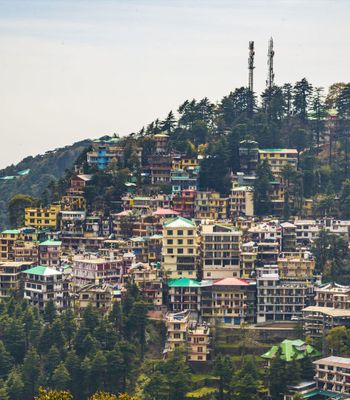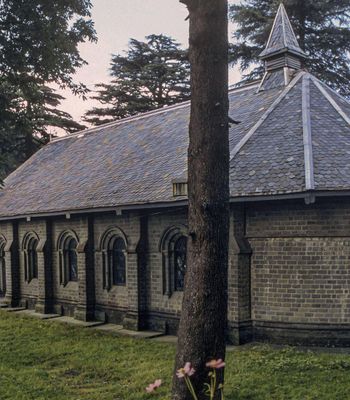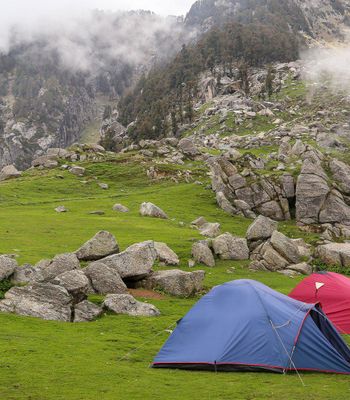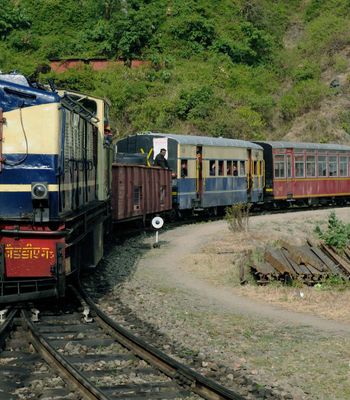
Say "Dal Lake" to most travelers and their minds drift to Srinagar, to houseboats and shikaras gliding through Mughal reflections. This is not that Dal Lake. The one at Mcleod Ganj sits at roughly 1,775 meters above sea level, measures barely half a kilometer across, and has no houseboats, no flower sellers, no postcard industry built around it. What it has instead is stillness — the kind that settles into your shoulders after a steep walk through deodar cedars, the kind you don't realize you've been missing until you're standing at the water's edge watching a crow argue with its own reflection. This small, almost accidental body of water on the outskirts of Dharamshala deserves your attention precisely because it doesn't demand it.
A Lake That Refuses to Perform
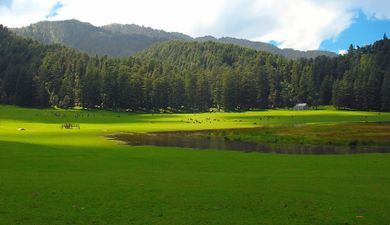
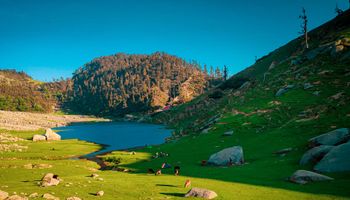
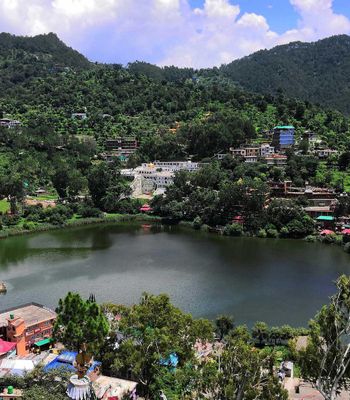
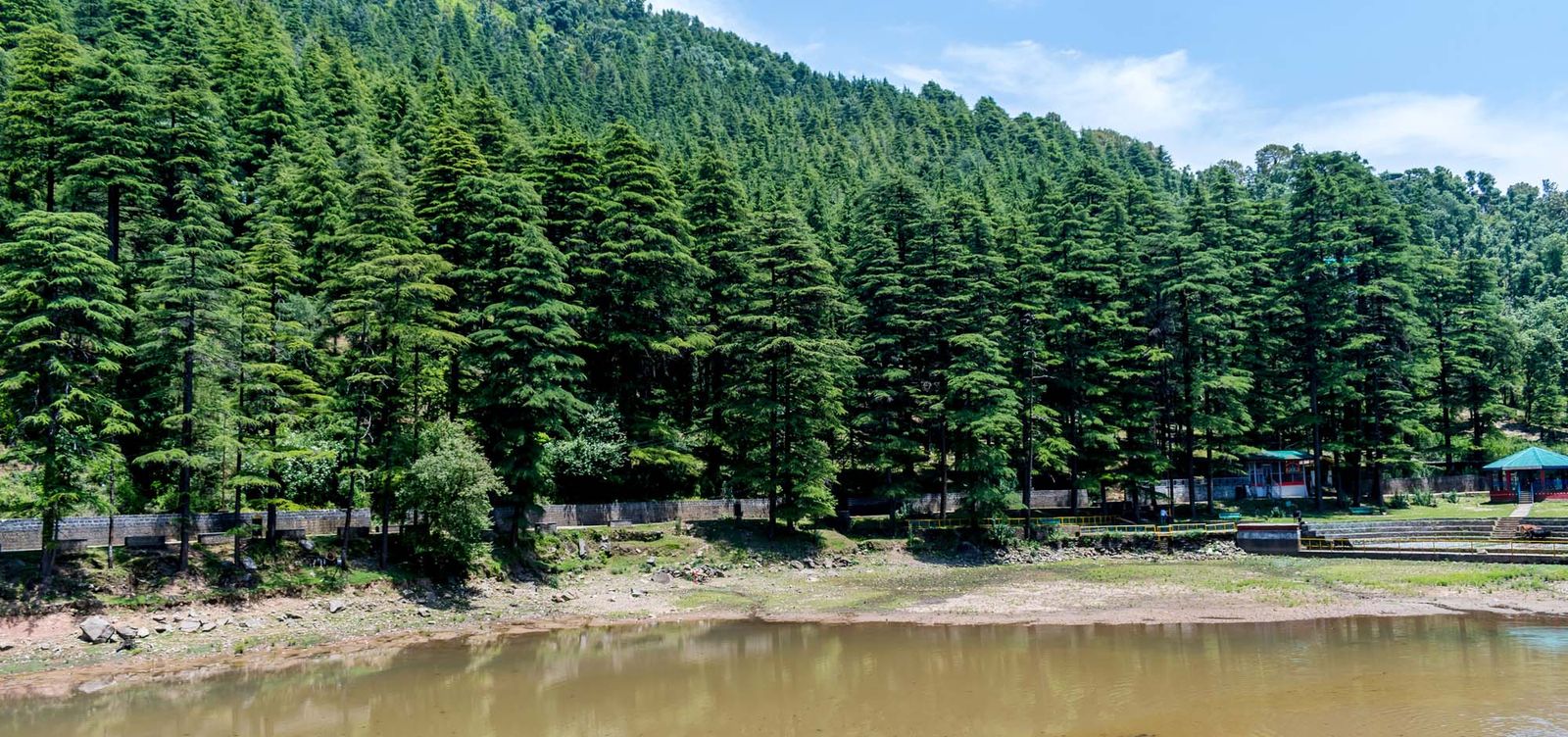
Dal Lake in McLeod Ganj covers a modest area surrounded by thick forest on three sides and a small Shiva temple on the fourth. The water is green — not the romantic turquoise of travel brochures, but the honest green of a mountain lake fed by seasonal streams and left largely to its own devices. After the monsoon, it swells and darkens. By late spring, it can shrink to something almost pond-like.
That seasonal temperament is part of what makes it worth visiting. You're not arriving at a curated attraction. You're arriving at a living piece of geography that responds to weather, neglect, and time. Tibetan prayer flags strung between the surrounding trees flutter without irony, faded by sun and rain into pale pastels that look better than they did when they were new.
Walk the perimeter path — it takes no more than twenty minutes — and you'll pass locals washing clothes at the edge, children throwing stones at the water, and the occasional monk in maroon robes doing nothing at all with admirable commitment. The absence of grandeur is the whole point.
The Temple at the Shore
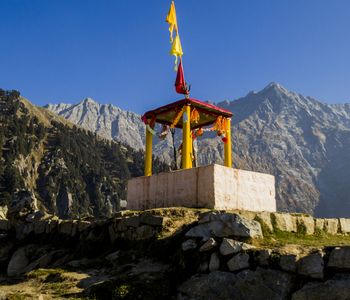
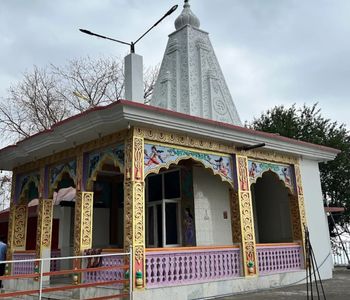
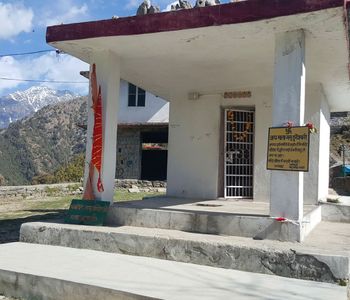
At the lake's edge stands a small temple dedicated to Lord Shiva, its stone darkened by decades of incense and humidity. It's not architecturally significant in any textbook sense. The structure is compact, almost domestic in scale, with a low doorway that forces you to bow whether devotion compels you or not.
During the annual fair held in September, this temple becomes the axis of a local festival that draws villagers from surrounding hamlets. Stalls appear along the approach road selling fried snacks and cheap toys. Devotional songs compete with Bollywood hits from tinny speakers. For a day or two, this quiet lake turns genuinely loud. Then the stalls fold up, the speakers go silent, and the crows reclaim their territory.
Arrive outside festival season and the temple offers something else entirely — a single bell, the smell of damp stone, and whatever thoughts you've been carrying up the hill.
The Walk Is the Destination
From McLeod Ganj's main square, Dal Lake sits about two kilometers to the east. You can walk it in thirty minutes along a paved road that winds past guest houses and small restaurants before thinning into a forested lane. The final stretch drops slightly downhill, which means the return trip asks a bit more of your legs.
Auto rickshaws make the trip for a negotiable fare — expect to pay between 100 and 150 rupees from the main bazaar. Taxis are available too, though hiring one for this short distance feels excessive unless you're combining the visit with Naddi or Bhagsu. There's no entrance fee. No ticket booth. No turnstile. You simply arrive.
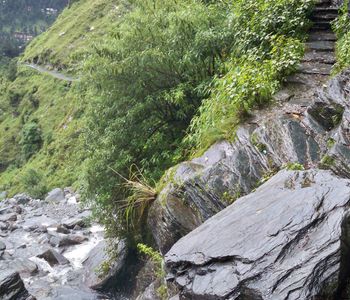
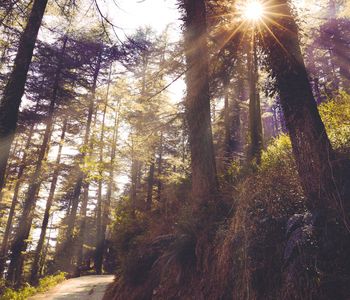
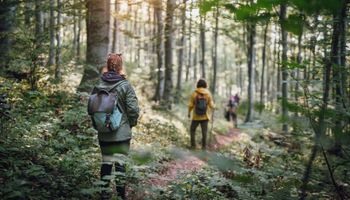
The road itself passes through a canopy of oak and rhododendron that, in April, drops red flowers onto the asphalt like confetti from a celebration nobody organized. Even if the lake somehow disappoints you — and it might, honestly, on a dry winter afternoon — the walk earns its keep.
When the Light Does the Heavy Lifting
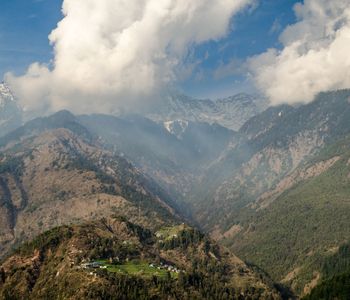
Morning light hits Dal Lake from the east, which means early visitors catch the water at its most reflective. By midday, the sun sits directly overhead, flattening everything into glare. Late afternoon brings the best conditions for photography — the surrounding deodar trees cast long shadows across the surface, and the Dhauladhar range, when it decides to reveal itself through the haze, provides a backdrop that no amount of planning can guarantee.
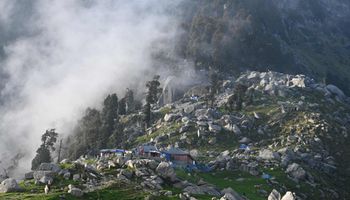
Here's the counterintuitive advice: visit during the monsoon months of July and August, when most travelers avoid McLeod Ganj entirely. The lake fills to its fullest, the surrounding forest turns an almost aggressive shade of green, and mist hangs at the waterline like something borrowed from a Chinese scroll painting. You'll get wet. Bring a rain jacket, not an umbrella — the trails get slippery, and you'll want both hands free.
Winter visits, between December and February, offer bare trees and a shrunken lake. The cold at this altitude bites hard by 4 p.m., so carry a warm layer even if the afternoon sun tricks you into thinking otherwise.
A Longer Day on Foot
Dal Lake works best as one station in a longer walk. From the lake, a trail continues toward Naddi Village, roughly three kilometers further, where a clearing opens onto a wide view of the Kangra Valley below. That walk takes about an hour at a comfortable pace, through forest that feels genuinely remote despite being minutes from a tourist town.
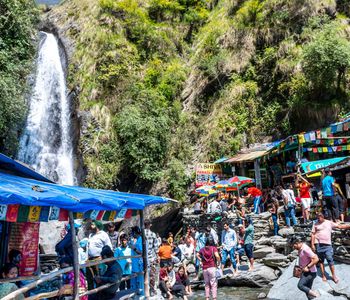
Head the other direction and the road back toward McLeod Ganj passes Bhagsu, where a waterfall and another ancient temple make for a natural second stop. Combining Dal Lake, Naddi, and Bhagsu into a single walking loop creates a half-day circuit of roughly eight kilometers that covers forest, water, mountain views, and two temples without repeating a single step.
Food options near the lake itself are limited to occasional vendors selling chai and biscuits. For a proper meal, return to McLeod Ganj's main strip, where Tibetan momos and thukpa are served at almost every second doorway. The contrast between the lake's silence and the town's cluttered energy makes the meal taste better than it otherwise might.
Small Water, Long Memory
Dal Lake at McLeod Ganj will never compete with its famous namesake in Kashmir. It doesn't try. What it offers instead is something increasingly rare in Indian tourism — a place that hasn't been optimized, branded, or explained to death. You walk to it, you sit beside it, you leave. The lake doesn't change because you were there, and that quiet indifference is precisely what makes it worth remembering. On a continent of monuments shouting for your attention, this small green lake barely whispers. Lean in.