Manali Family Holiday Package – Fun for Everyone

5 Nights / 6 Days
Chandigarh (1N)Kullu (1N)Manali (3N)
Starting from ₹32,000
Compare quotes from top 3 travel agents

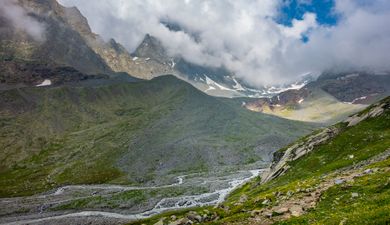
Chandigarh is a city drawn with a ruler — Le Corbusier's grid of numbered sectors, wide avenues lined with bougainvillea, and a civic calm that feels almost European until a cycle-rickshaw cuts across your lane and reminds you where you are. It's a transit point for most families headed north, but it deserves a longer look than it usually gets. Beyond Chandigarh, the road climbs through Mandi and the Beas Valley into Kullu, where the Himalayas stop being a backdrop and become the landscape itself. The river runs grey-green and fast here, the orchards crowd the slopes, and the air sharpens with altitude and pine resin. Manali sits at the head of this valley — a town that has been a family holiday fixture for decades, and for good reason. The Beas narrows and quickens, the deodar forests press close, and at nearly two thousand metres, the summers carry a crispness that plains families remember for years. It is a place of temples older than most Indian cities, of snow that lingers on the peaks well into June, and of roadside stalls selling roasted corn and sweet Kullu apples.

This six-day arc moves you from the planned geometry of Chandigarh through the widening Kullu Valley and finally into Manali's cooler, tighter embrace. The first days are about transition — shedding the heat, adjusting your eyes to a greener, steeper world. Once you reach Manali, the pace opens up: mornings at high-altitude passes where the air thins and prayer flags snap in the wind, afternoons on the river or among temples built from alternating layers of stone and timber. There's time built in for doing nothing — for sitting with a cup of tea on a hotel balcony and watching clouds move across the Pir Panjal range. Children will find their own rhythm here, whether it's chasing trout shadows in the Beas or scrambling over boulders at Solang. By the final morning, the valley will feel smaller and more familiar, and the drive back south will feel longer than the drive up — which is always the sign of a holiday that landed right.
Itinerary

Day 1Chandigarh — Corbusier's City and a Night Before the Mountains

Morning

Arrive in Chandigarh — by train or flight, it doesn't matter; the city greets you the same way, with wide roads and an order that feels almost unsettling after the chaos of wherever you came from. Check into your hotel and let the kids decompress. If you've arrived early enough, drive straight to the Rock Garden, Nek Chand's sprawling mosaic kingdom built entirely from urban waste — broken bangles, electrical sockets, bathroom tiles. Children under ten lose their minds here, and honestly, so do most adults. The pathways wind through courtyards of figurines, waterfalls, and arched corridors that feel like walking through someone else's dream.

Afternoon

Head to Sukhna Lake, where the Shivalik hills form a low, hazy wall to the northeast. Rent a paddleboat — the lake is calm, the light is generous in the afternoon, and it's the kind of gentle activity that works for every age. The promenade along the eastern bank is good for a slow walk if anyone has energy left. Grab a cold coffee from one of the lakeside stalls; the local ones are sweeter than you'd expect, and somehow that's fine.

Evening

Dinner in Sector 17, the city's original commercial plaza. The open-air market square has a certain charm after dark — fairy lights, families milling about, the smell of tandoori smoke drifting from a dozen restaurant doorways. Try a Punjabi thali at one of the older establishments; the dal makhani here is richer and heavier than what you get down south, and the naan comes almost comically large. Return to the hotel early — tomorrow's drive is long, and the mountains don't reward tired travellers.

Day 2Chandigarh to Kullu — The Valley Opens Up

Morning

Leave Chandigarh by 7am if you can manage it. The first stretch through the Punjab plain is unremarkable — flat, agricultural, a blur of wheat fields and dhabas. But past Bilaspur, the road begins to climb and twist alongside the Beas, and the landscape changes so quickly it feels like flipping through channels. The children will press their faces to the windows as the gorge deepens and the first real mountains appear — not the gentle Shivaliks, but proper Himalayan walls of rock and green. Stop at one of the roadside dhabas near Mandi for parathas and chai; the ones with plastic chairs set right at the river's edge are the best, not for ambiance, but for the sound of water that drowns out the truck horns.

Afternoon

Arrive in Kullu by early afternoon. The town sits in the widest part of the valley, and the first thing you notice is the light — softer, more diffused, filtered through a canopy of walnut and deodar. After checking in, drive a short distance to the Raghunath Temple, the valley's principal deity. The temple itself is modest in scale but heavy in presence, its wooden doors darkened by centuries of oil and devotion. The courtyard is usually quiet in the early afternoon, and the view of the valley from the steps is the kind that makes you exhale without meaning to.

Evening

Walk along the Beas through the main bazaar area. Kullu's market is smaller and less frantic than Manali's — stalls selling Kullu caps, handwoven shawls, and packets of dried fruit. Pick up a bag of local walnuts; they're thinner-shelled and sweeter than the Kashmiri variety, and the kids will crack them open happily for the next three days. Dinner at the hotel tonight — let the altitude settle into your bones. You're at twelve hundred metres now, and the air has a weight to it that the plains never offer.

Day 3Kullu to Manali — Temples, River, and the First Taste of Thin Air

Morning

The drive from Kullu to Manali is only forty kilometres, but take your time with it. Stop first at the Bijli Mahadev Temple, a short detour up a steep hillside that rewards you with a 360-degree panorama of the Kullu Valley — the Beas below looks like a silver thread, and on a clear morning, the Parvati range fills the northern horizon with snow. The temple's iron rod, struck by lightning during monsoons and then reassembled by priests using butter and sattoo, is one of those stories that sounds like mythology until you see the scorch marks on the stone floor.

Afternoon

Continue to Manali and check in. After lunch, walk to the Hadimba Devi Temple in the deodar forest on the western edge of town. The temple is a sixteenth-century pagoda built around a natural rock, and the forest around it smells of resin and damp earth even in summer. The doorway is carved with figures of animals and gods — look closely at the lower panels, where the woodwork is so fine it seems impossible without modern tools. Children tend to be more interested in the yaks tethered outside, dressed in ribbons and bells for tourist photographs. Let them be; not everything needs to be educational.

Evening

Cross the Manalsu stream into Old Manali, where the narrow lanes are lined with cafes, bakeries, and guesthouses draped in ivy. The vibe here is younger, slower, slightly bohemian — a world away from the Mall Road crowds below. Find a cafe with a balcony over the stream and order momos and ginger-lemon tea. The steam rises from both, and the sound of the water is close enough to feel like part of the meal. Walk back before it gets too dark; the lane is unlit and the stones are uneven, and children's legs tire faster at altitude.

Day 4Rohtang or Atal Tunnel Approach — Where the Air Gets Serious

Morning

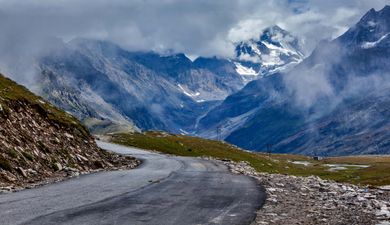
Start early — 6am early. If the Rohtang Pass is open and permits are secured, the drive up the Rohtang road is one of those experiences that earns its reputation. The road switchbacks through birch and pine forests, then breaks above the treeline into a stark, grey-white world of scree and snowfields. At 3,978 metres, the pass itself is windy, cold even in June, and the snow on either side of the road is close enough to touch. If Rohtang permits aren't available, drive to the Atal Tunnel entrance area — the approach road climbs to nearly three thousand metres and the views of the Solang Valley below are staggering in their scale. Bring jackets. Bring gloves for the children. The cold at this altitude isn't playful; it bites.

Afternoon

Descend to the Solang Valley, where the family-friendly activities concentrate. In summer, there's zorbing, horse riding, and rope courses set against a meadow that tilts upward toward the snowline. The zorbing is the one the kids will talk about at school — rolling downhill inside an inflated plastic sphere while the Himalayas wheel around you is absurd and wonderful in equal measure. Take the ropeway if it's running; the gondola ride over the valley floor gives you a bird's-eye view of the river and meadow, and the silence at the top is a physical thing.

Evening

Back in Manali, your legs will feel the day's altitude. A hot shower and an early dinner at one of the Mall Road restaurants — try the trout if it's on the menu, river-caught and pan-fried with butter and a squeeze of lemon. It won't be elaborate, but it will taste like the mountain it came from. After dinner, walk the Mall Road briefly; the evening crowd is families, mostly, eating ice cream and buying woollen socks they don't need yet. The temperature drops fast after sundown here, and the hotel bed will feel earned tonight.

Day 5Manali at Its Own Pace — Waterfalls, Hot Springs, and the Quiet Hours

Morning

No alarms today. After breakfast, drive to the Jogini Waterfall trailhead near Vashisht village. The walk is about two kilometres each way through apple orchards and small farms, with the waterfall at the end dropping roughly fifty metres into a rocky pool. The trail is manageable for children over five, though the last stretch involves some scrambling over boulders. The mist from the falls hits your face before you see the water, and the sound fills the narrow gorge like something solid. Don't rush back — sit on the rocks, let the kids throw pebbles into the pool, and watch the light shift through the spray.

Afternoon

Walk down to the Vashisht Hot Springs, a five-minute stroll from the main village square. The springs feed two stone-walled bathing pools — one for men, one for women — and the water is sulphurous and genuinely hot, not lukewarm. The Vashisht Temple next door is a smaller, less visited cousin of Hadimba, with the same layered stone-and-timber construction and a quiet courtyard where old men sit and talk. The village lanes around the temple are narrow enough to feel medieval, with slate roofs and carved wooden balconies leaning toward each other across the path.

Evening

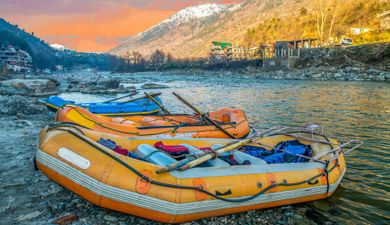
This is your last full evening in Manali, so spend it without an agenda. Walk along the Beas near the town centre — there's a stretch below the circuit house where the river widens over flat stones and the current slows just enough for wading. The kids can splash in the shallows while you sit on the bank and watch the deodar tops turn gold in the last light. Dinner tonight should be unhurried — find a place with a kangri (charcoal heater) if the evening is cool, order too much food, and let the conversation stretch. The mountains will still be there in the morning, but this particular evening won't come again.

Day 6Manali Departure — The Valley in the Rearview Mirror

Morning

Pack slowly. After breakfast, take one last walk through the hotel grounds or the nearest deodar grove. The morning air in Manali has a clarity that the rest of the day can't match — cool, resinous, with a faint sweetness from whatever wildflower is blooming that week. If time allows, stop at the Mountaineering Institute on the way out of town. The museum inside is modest — old expedition gear, faded photographs of Himalayan peaks, a relief map of the region — but it gives the trip a final frame, a reminder that these mountains aren't scenery; they're a landscape people have been trying to understand for centuries.

Afternoon

The drive south begins. The Beas Valley unspools in reverse — Kullu, Mandi, the gorge, the gradual flattening of the terrain. Stop for lunch at one of the highway dhabas near Pandoh, where the dam creates a still, green lake that looks entirely out of place amid the dry rock. The rajma-chawal here is the Himachali benchmark — thick, smoky, served in steel bowls with a side of pickle that could strip paint. The children will sleep through the second half of the drive, which is fine. They've earned it.

Evening

Arrive in Chandigarh by evening for your onward connection — flight, train, or the long drive back to Delhi. The plains will feel warmer and flatter than you remember, and someone in the car will say they already miss the mountains. That's not nostalgia; that's accuracy. The valley stays with you not as a series of sights ticked off, but as a texture — cold water over stones, pine smoke in the evening air, the particular silence of a high pass where the only sound is wind and your own breathing. You'll carry that home, and it'll surface at unexpected moments for weeks.

  • 5 nights accommodation in well-located family rooms — 1 night in Chandigarh, 1 night in Kullu, 3 nights in Manali — at verified 3-star or equivalent properties
  • Daily breakfast at all hotels (Days 1 through 6)
  • Dinner on Day 1 in Chandigarh and Day 4 in Manali
  • Private air-conditioned vehicle for all transfers and sightseeing throughout the trip, including Chandigarh airport or railway station pickup and drop-off
  • Chandigarh to Kullu to Manali transfers with designated stops at Bijli Mahadev Temple and Pandoh Dam viewpoint
  • Rohtang Pass permit arrangement and vehicle access (subject to government availability and weather conditions), or Atal Tunnel approach excursion as alternate
  • Guided half-day excursion to Solang Valley including zorbing and ropeway tickets for the family
  • Entry tickets to Rock Garden (Chandigarh), Hadimba Devi Temple complex, and Mountaineering Institute museum (Manali)
  • Jogini Waterfall trek coordination with local guide for the trail section
  • Paddleboat hire at Sukhna Lake, Chandigarh (one session, 30 minutes)
  • All applicable state taxes, road tolls, parking charges, and driver allowances

Related Packages