Nestled among the busy streets of Jaipur, India, Hawa Mahal is a breathtaking landmark known for its distinct architecture dating back to the late 1700s. When you visit the state of Rajasthan, you can marvel at this historic building, which fuses Mughal and Rajput architectural styles as you walk along Hawa Mahal Road. Take a deeper dive into this tourist attraction’s history, features and nuances as you plan your trip to northern India.
Introducing Hawa Mahal to the World
Hawa Mahal was initially built for Maharaja Sawai Pratap Singh, the grandson of Jaipur’s founder. Designed by architect Lal Chand Ustad, the structure served as a unique extension of The City Palace. Nearby, a bustling street intersection housed several bazaars where locals shopped and enjoyed regional culture. To provide a safe view of the bazaars, Hawa Mahal functioned as a discreet window to the lively roadside entertainment.
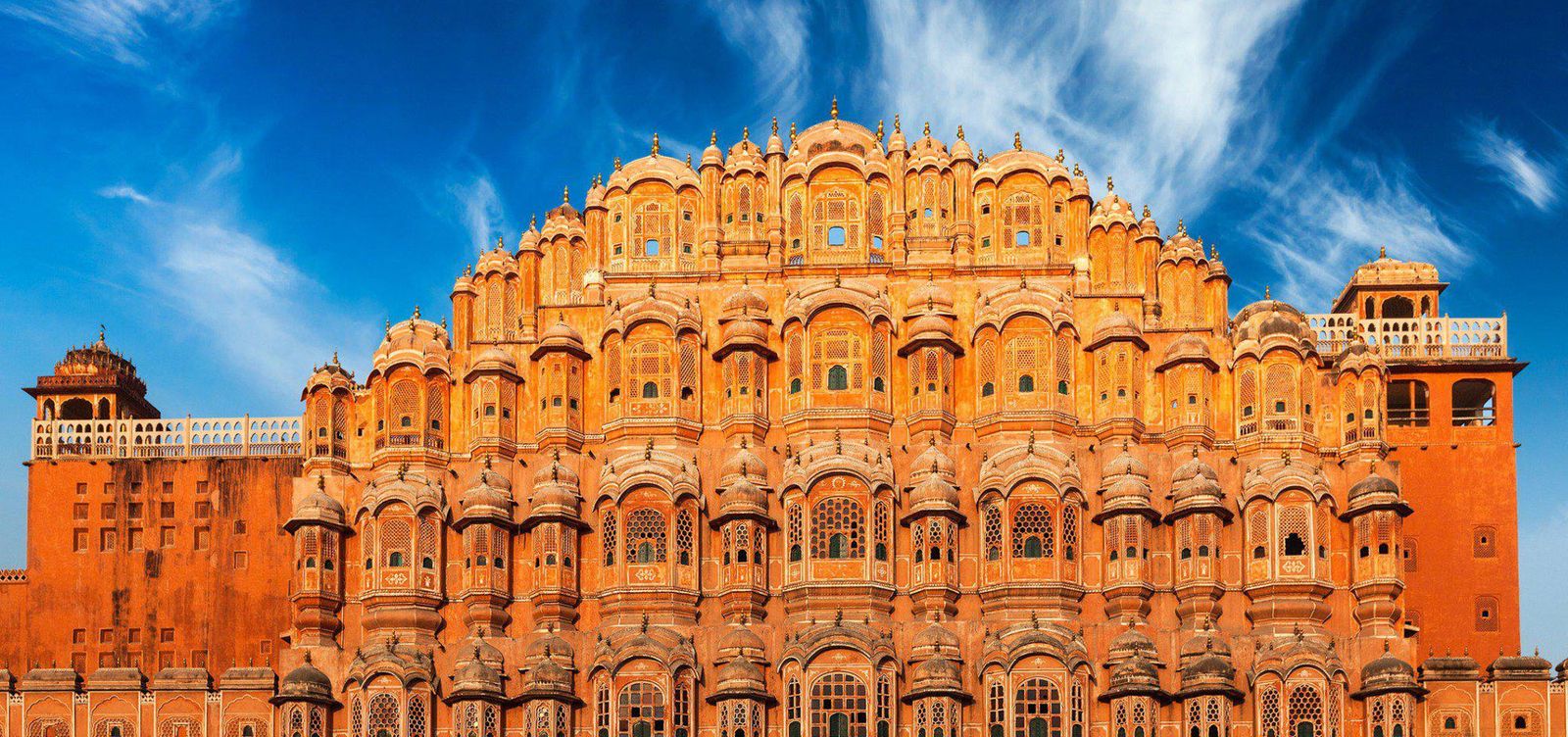
Initially, it was the royal women who enjoyed these views through the honeycomb windows. Remarkably, the open architectural style used to create these windows inspired the landmark’s name. Hawa Mahal translates to “Palace of the Winds,” referring to the cool breezes that flowed through its façade, naturally ventilating the interior even on the hottest summer days.
Understanding the Royal Purpose
In the early 1800s, royal women in this region did not leave the palace grounds frequently. By gazing through Hawa Mahal’s windows, they could observe Jaipur’s daily life from afar while remaining safe from any drama that might occur at street level. This arrangement preserved the social custom of purdah, the practice of keeping female royals out of public view.
The nearly 1,000 windows, or jharokhas, formed part of the structure’s rear section. The front entrance, hidden on the opposite side, allowed the royal women to move unseen within the palace complex. Ultimately, these picturesque viewing spaces enhanced their daily lives while maintaining strict royal protocols.
Diving Into the Architectural Spirit
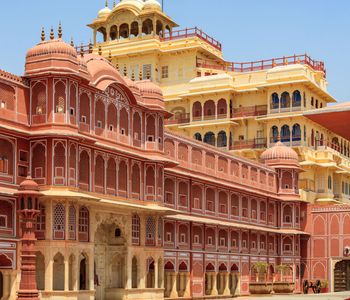
Because greater Jaipur is known as the “Pink City,” this moniker also extends to Hawa Mahal. The entire façade and its connecting structures are made of red and pink sandstone. Experiencing this landmark during sunrise or sunset offers a stunning view of the pink hue that glows as the sunlight strikes the material at a low angle.
Standing nearly 50-feet tall, the façade also features a distinctive roofline. When you compare its shape to Lord Krishna’s crown, the resemblance becomes evident. Because Lord Krishna holds great cultural significance for the people of Jaipur, this symbolic design choice celebrates his enduring influence.
Designing the Finer Details
Beyond its honeycomb façade, Hawa Mahal showcases a fascinating natural ventilation system. Inside, the interconnected passageways and narrow walkways channel airflow throughout the building. When a breeze hits the structure, it's funneled through these openings, allowing air to move swiftly through Hawa Mahal and creating a cooling effect on both the materials and the people inside.
Additionally, the designers used lime, or chuna, as part of the building materials. Applied as wall coatings or sealants, chuna allows the structure to “breathe,” enabling moisture and air to pass through with minimal resistance. In the intense heat of the 1800s, Hawa Mahal remained significantly cooler than the surrounding buildings.
Laying Out the Interior
Although Hawa Mahal’s exterior appears expansive, its interior is relatively modest. The five-story structure’s top three floors are only as wide as simple rooms. Despite being labeled a mahal, or residence, the landmark was never intended to be a true home. Each room provided a sitting space for the royal women but included no additional amenities. Reaching each level required climbing a ramp, often with the assistance of a palanquin. As a form of royal transport, a palanquin consisted of men carrying seated royals suspended on cushioned supports.
Learning About the Structure’s Cultural Impact
Hawa Mahal offers a profound glimpse into historical artisan craftsmanship. The honeycomb façade itself is a marvel of intricate latticework created by skilled artisans. A closer look reveals delicate white limewash motifs decorating the exterior surfaces.
The blended architectural styles have influenced local art, shaped the city’s identity and contributed to Jaipur’s cultural character over the centuries. As the tallest structure built without a foundation, Hawa Mahal remains both a popular tourist attraction and a symbol of pride for the Jaipur community. It is not uncommon to see the landmark featured in regional films, tourism materials and as a backdrop for religious festivals.
Knowing About Current Conservation Efforts
Ironically, the same breezes that make Hawa Mahal famous now contribute to its gradual deterioration. Jaipur remains a bustling modern city, and today’s air pollution damages the sandstone and marble as winds carry pollutants through the structure.
In response, the Archaeological Survey of India has implemented several preservation protocols. Restrictions on nearby industrial activities help protect the building from dense pollution, and the organization periodically cleans the façade to remove accumulated pollutants. By slowing the rate of deterioration, conservationists aim to preserve Hawa Mahal as a symbol of Jaipur’s heritage well into the future.
Planning Your Trip to Hawa Mahal
Visiting Hawa Mahal from October through March is ideal because the intense heat of spring and summer has subsided. During these cooler months, the sun’s lower angle provides the best lighting for highlighting the red sandstone’s warm tones. Visiting in the late afternoon offers excellent photographic opportunities as the sunlight illuminates the façade. For a quieter experience, an early morning visit is preferable. Unless otherwise noted, Hawa Mahal is open daily from 9 a.m. to 4:30 p.m.
With its blend of royal history, cultural significance, conservation efforts and architectural detail, Hawa Mahal complements nearly any travel itinerary. Stroll and shop along the charming street bazaars outside the palace to imagine how the royals once viewed the world from their elevated window perches. By including this landmark in your Indian vacation, you will experience a vibrant expression of local culture alongside the modern energy of nearby vendors and eateries.