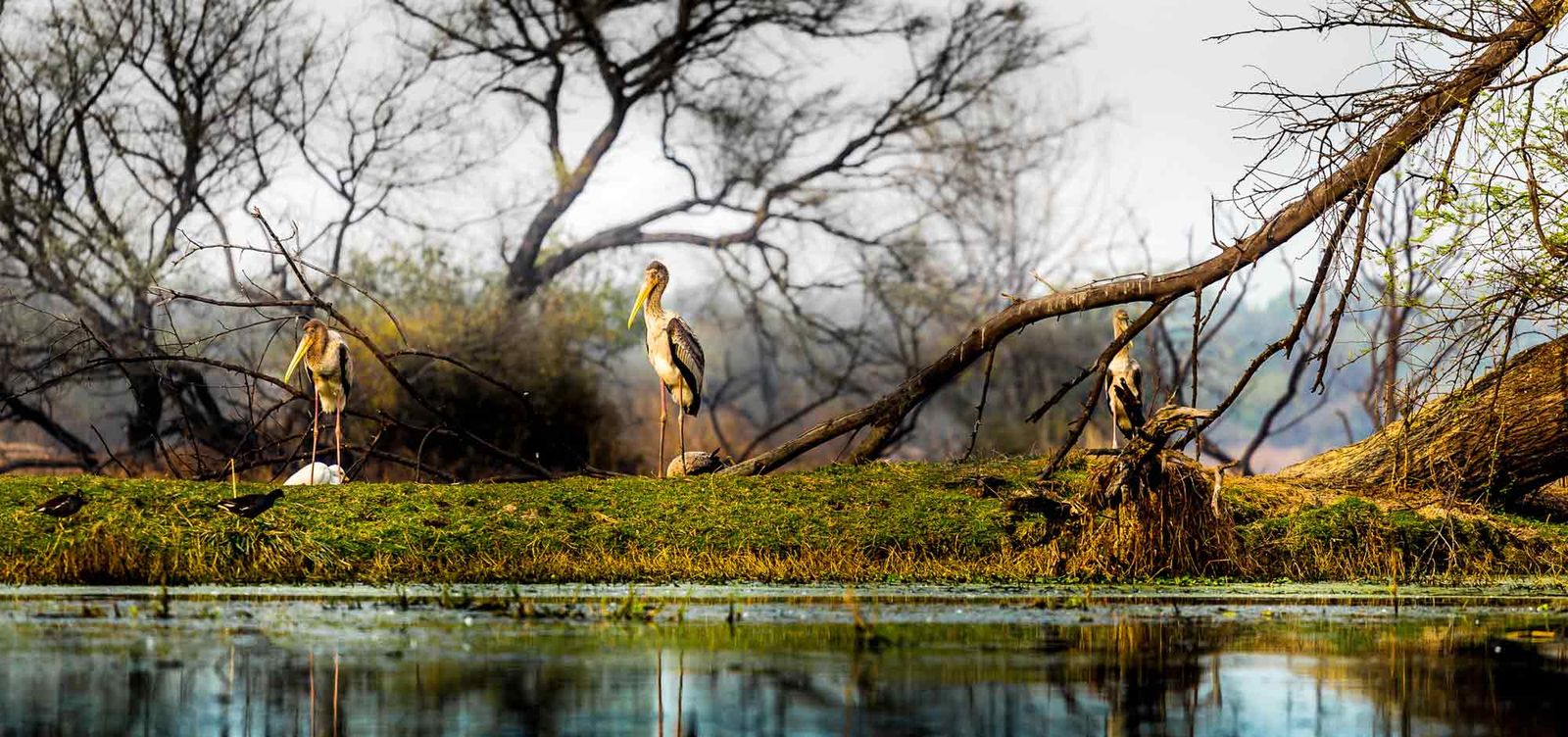
A thousand wings lift off the water at once, and the sound — a thunderous, feathery rush — stops you mid-step. Welcome to Bharatpur, a Rajasthani city that trades the expected desert dust for shimmering wetlands, tangled greenery, and one of the greatest bird spectacles on Earth. Founded in the 18th century by Maharaja Suraj Mal, this former Jat stronghold hums with royal history while staying rooted, almost reverently, in the wild landscape that surrounds it.
Where the Sky Belongs to the Birds
Keoladeo Ghana National Park is the reason most travelers find their way here — and the reason many come back. This UNESCO World Heritage Site stretches across nearly 29 square kilometers of marshland, dry grassland, and dense woodland, its still waters reflecting clouds and herons in equal measure.
What was once a royal hunting ground for the Maharajas of Bharatpur has evolved into one of Asia's most critical bird-breeding and feeding habitats. Between October and February, the transformation is staggering: migratory species pour in from Siberia and Central Asia, joining hundreds of resident birds already nesting among the reeds.
Painted storks stand like sentinels on half-submerged trees. Spoonbills sweep their flat bills through the shallows. Cormorants dry their wings in the early sun while kingfishers streak past in flashes of turquoise. Hire a cycle rickshaw piloted by one of the park's veteran guides — these men know every nesting site, every hidden lagoon — and let the morning unfold at a pace that feels almost meditative.
Arrive at dawn. The air is cool, tinged with the green scent of wet earth, and the light turns everything to honey. That first chorus of birdsong, layered and enormous, is something no recording can prepare you for.
A Fort That Made the British Think Twice
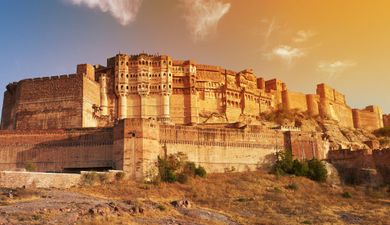
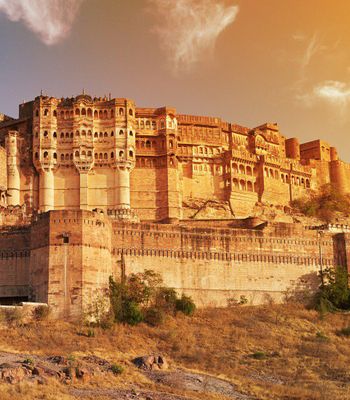
Lohagarh Fort — the Iron Fort — earned its fierce nickname the hard way. Built by Maharaja Suraj Mal in the early 18th century, this bastion famously withstood multiple British sieges, its massive earthen ramparts absorbing cannonballs that would have shattered stone.
Pass through the towering gates and the scale of the place sinks in. Inner palaces rise behind thick walls, their faded frescoes hinting at courtly grandeur. The Government Museum, tucked inside the fort complex, houses sculptures, inscriptions, and artifacts stretching back several centuries — each piece a fragment of the city's layered past.
Run your hand along the rough-hewn walls as you walk. There's a weight to this place that photographs rarely capture, a sense of defiance built right into the stone and soil.
Bazaars, Bites, and Friendly Conversations
Step outside the monuments and Bharatpur's personality reveals itself in its bustling lanes. Locals greet visitors with an easy warmth, often pausing to share stories about the city's heritage with unmistakable pride. Hindi dominates daily life, though English surfaces comfortably in hotels and tourist-facing shops.
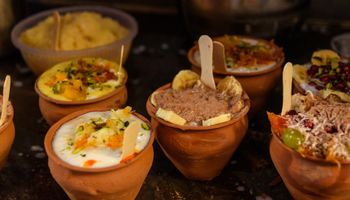
The bazaars are a sensory tangle of color and sound — stacks of vibrant textiles, intricately carved stone pieces, and traditional Rajasthani handicrafts spilling from narrow storefronts. But the real temptation is the food. Street vendors fry up snacks in sizzling oil while the aroma of warm spices drifts through every alley. Don't leave without tasting:
- Dal baati churma — hearty baked dough balls dunked in ghee, served with lentils and a crumbly sweet side
- Ghewar — a lacy, syrup-soaked disc that crunches and melts simultaneously
- Kachori with spiced potato curry — crispy, flaky, and fiercely seasoned
- Lassi and fresh sugarcane juice — the cold, sweet antidote to Rajasthan's heat
Your Launchpad to Legendary Landmarks
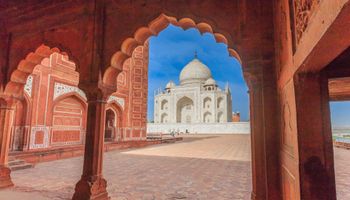
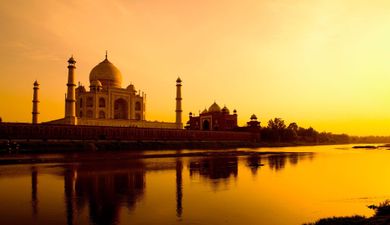
Bharatpur sits at a geographic sweet spot that savvy travelers exploit ruthlessly. Agra — and the Taj Mahal — lies roughly 55 kilometers to the north, close enough for a morning visit. The red sandstone ghost city of Fatehpur Sikri is even nearer, its deserted courtyards echoing with Mughal-era grandeur.
Thirty kilometers in the other direction, the town of Deeg rewards a half-day detour with its stunning Jat water palaces. Fountains that once entertained royalty still line the gardens, and on a quiet afternoon, you'll likely have the place almost to yourself.
When to Go (and When to Stay Away)
Timing matters enormously here. Summers are relentless — temperatures regularly blast past 40°C between April and June, turning any outdoor exploration into an endurance test. Monsoon rains from July through September replenish the wetlands beautifully but can flood access roads and trails.
The sweet spot falls squarely between October and March. Skies are clear, the air carries a pleasant crispness, and — crucially — the migratory birds have arrived. Early mornings in the national park during these months are nothing short of magical: soft golden light, cool mist rising off the marshes, and a symphony of calls so rich it feels orchestral.
Where to Rest Your Head
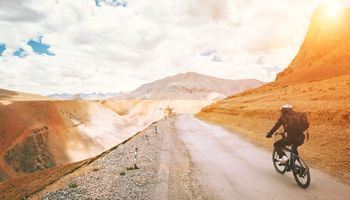
Accommodation ranges from heritage hotels and character-filled guesthouses near the fort to eco-friendly lodges perched close to the national park entrance. Many properties arrange guided bird-watching tours, bicycle rentals, and day trips to surrounding attractions — making it easy to settle in and let someone else handle the logistics, even on a first visit.
The Rajasthan You Didn't Know You Needed
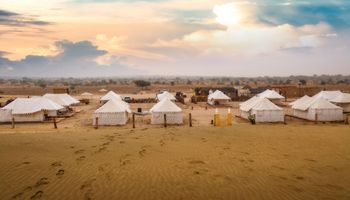
Bharatpur quietly defies every postcard cliché about Rajasthan. There are no endless sand dunes here, no camel silhouettes against a burnt-orange sky. Instead, centuries of royal defiance share space with one of the world's great natural sanctuaries — a place where history buffs and birders find equal reason to linger.
If your Rajasthan itinerary craves something unexpected, something that trades spectacle for soul, Bharatpur delivers — not with fanfare, but with the confident hush of a place that knows exactly what it is.