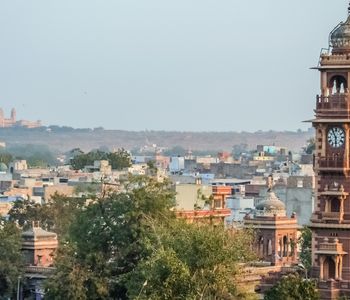
A 400-foot cliff drops straight into a sea of indigo. Thousands of blue houses tumble over one another below, cascading across the desert floor as though someone tipped a bucket of sky and let it pool between ancient walls. That's your first glimpse of Jodhpur — and no photograph, no matter how perfectly composed, comes close to the jolt of seeing it with your own eyes.
Known the world over as the Blue City, Jodhpur rises from the parched edge of the Thar Desert in Rajasthan with fierce, improbable beauty. Golden sandstone collides with vivid indigo at every turn. Dry desert heat shimmers above rooftops while bright fabrics snap in the wind from iron balconies. Under the intense Indian sun, the whole place hums with a kind of electric unreality — and yet every grain of it is thrillingly, unmistakably alive.
Warriors, Caravans, and Sandstone Dreams
In 1459, a Rajput chieftain named Rao Jodha chose this rocky outcrop at the crossroads between Delhi and Gujarat to build his city. Caravans heavy with spices, silk, and opium rolled through its gates for centuries, and the wealth they left behind is carved into every sandstone facade you'll pass.
That legacy isn't locked behind museum glass — it breathes. You hear it in the clang of coppersmiths hammering inside narrow workshops. You catch it in the ornate havelis whose latticed windows still filter desert light exactly as they did five hundred years ago. Jodhpur doesn't simply remember its past; it wears it like armor.
Mehrangarh Fort: A Colossus That Earns Every Superlative
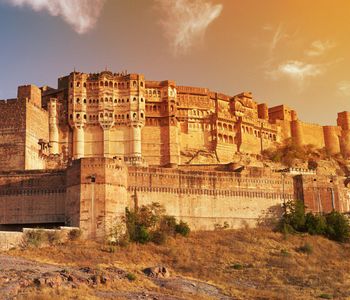
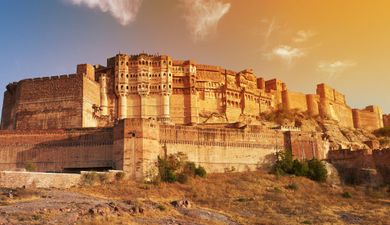
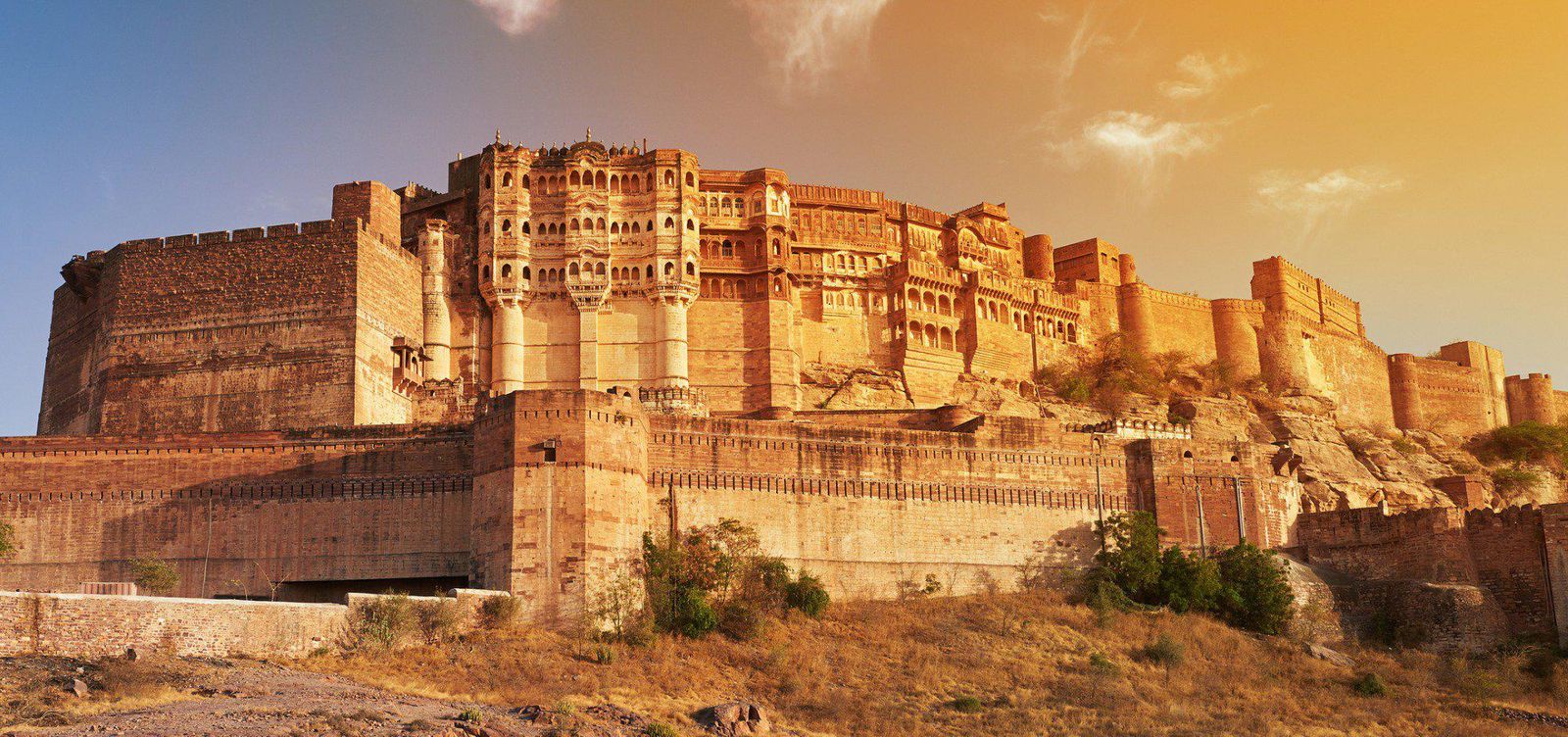
Here's the truth — you could fly to Jodhpur for Mehrangarh Fort alone and feel every mile was worth it. One of the largest and most spectacular fortifications in all of India, this colossal structure crowns a sheer rock cliff roughly 400 feet above the city, its bastions so massive they seem to have grown straight from the stone itself.
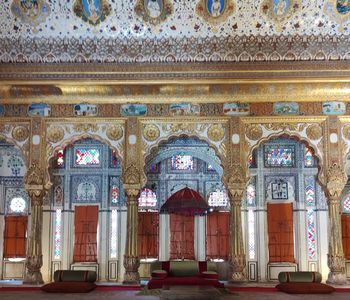
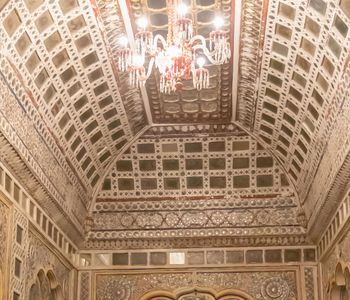
Pass through iron-studded gates and look closely: pressed into the walls are the handprints of royal women, a haunting trace of an era of sacrifice that stops you mid-step. Beyond them, ornate palaces unfold one after another — painted chambers in crimson and gold, intricate jharokha windows casting lace-like shadows across marble floors, courtyards so hushed you can hear pigeons murmuring in the eaves.
The museum inside houses royal palanquins, finely forged weaponry, and textiles that shimmer as if threaded with light. But save time for the ramparts. Lean against the ancient walls and watch the blue city ripple outward in every direction beneath you. It's one of the most photographed panoramas in Rajasthan — and one of the few that actually wrings a gasp from your chest.
Lose Yourself in the Blue Maze
Put away the map. Seriously. The old city's tangled lanes reward instinct over itinerary — turn wherever curiosity tugs you. One moment you're squeezing past a motorcycle piled high with marigolds; the next, you're ducking under bolts of brilliantly dyed fabric draped from doorways like jewel-toned curtains.
Near Sardar Market and the Clock Tower bazaar, the air thickens with cumin, dried chilies, and sandalwood. Vendors call out prices for leather-tooled journals, silver anklets, lac bangles, and traditional Rajasthani handicrafts stacked floor to ceiling. Bargaining isn't just expected — it's practically a spectator sport, and most shopkeepers play it with a conspiratorial grin.
Slow down. Accept the chai someone inevitably offers — milky, cardamom-sweet, served in a tiny clay cup that crumbles in your hand when it's empty — and sit for a moment on a painted step. These small, unhurried exchanges are where Jodhpur reveals its warmest, most generous side.
Flavors That Hit Like Desert Lightning
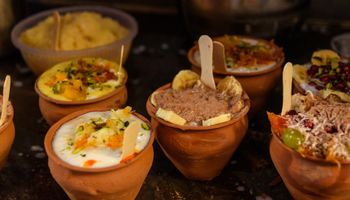
Fair warning: Jodhpur's food does not tiptoe. This is Rajasthani cuisine at its most unapologetic — bold, fiery, and deeply satisfying. Seek out these iconic dishes where the locals eat, not where the guidebook points:
- Mirchi Bada — fat green chilies stuffed with spiced potato, dipped in chickpea batter, and fried until shatteringly crisp. Street vendors serve them sizzling hot, and the heat sneaks up on you with a slow, glorious burn that lingers long after the last bite.
- Dal Baati Churma — the holy trinity of Rajasthani comfort food. Smoky baked wheat balls are crumbled and drenched in ghee, served alongside rich lentils and a crumbly, cardamom-laced sweet called churma. It tastes the way the desert feels — earthy, warm, and generous.
- Mawa Kachori — a sweet, deep-fried pastry bursting with dried fruits and condensed milk. One bite and sugar dusts your fingers; two bites and you're buying a box to carry home.
Skip the hotel restaurant at least once. Roadside stalls and family-run eateries — where chapatis are slapped fresh onto a clay tandoor right before your eyes — deliver the most authentic taste of this region's culinary soul.
Marble Whispers and Golden-Hour Magic
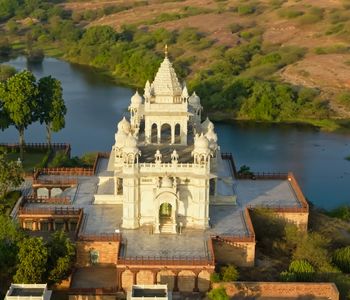
After the sensory overload of the fort and bazaars, Jaswant Thada feels like a deep exhale. This ethereal white marble memorial rests on a peaceful hillside, its delicately carved lattice screens so thin that sunlight passes through them like fabric. Time your visit near sunset: the stone turns honey-gold, then rose, and the only sounds are birdsong and the whisper of wind skimming across still water.
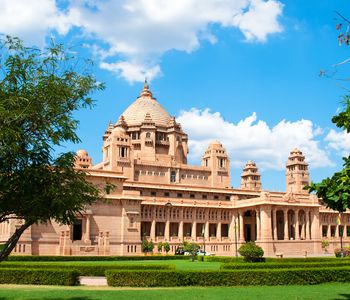
Umaid Bhawan Palace is an entirely different kind of spectacle — and exactly as extravagant as the name suggests. One of the world's largest private residences, this Art Deco marvel still serves as home to the Jodhpur royal family. Part of it operates as a museum open to the public, where you can wander through rooms of vintage cars, clocks, and regal memorabilia. The other wing? A luxury Taj hotel, for anyone who's ever dreamed of sleeping like a maharaja.
Into the Silence of the Thar
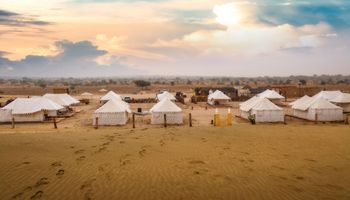
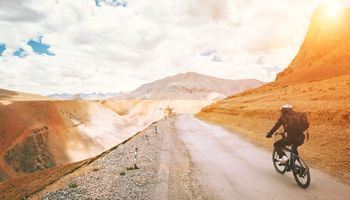
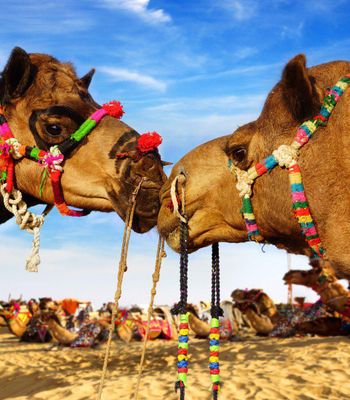
Jodhpur sits right at the threshold of the Thar Desert, and venturing beyond the city limits feels like stepping through a portal. Arrange a camel safari or a jeep excursion into the dunes, and within an hour the noise and color of the streets give way to something vast, still, and humbling.
Sand dunes stretch toward a horizon that seems impossibly far. The silence is so deep it rings in your ears. Stay until dusk and the sky puts on a performance — bruised purples, molten oranges — that no filter could improve. October through March is the sweet spot for these desert outings, when temperatures are comfortable and the light turns soft and golden. Avoid summer if you can; the mercury regularly climbs well above 40°C, turning exploration into endurance.
When the Fort Becomes a Stage
Time your visit right and Jodhpur transforms into something even more extraordinary. The Rajasthan International Folk Festival, held annually within the moonlit courtyards of Mehrangarh Fort, draws musicians, artists, and storytellers from across the globe. Sufi singers perform under a canopy of stars, their voices echoing off 500-year-old walls — the kind of spine-tingling moment you carry with you for decades.
The Marwar Festival, meanwhile, is a joyful homage to Rajasthani folk heroes, alive with swirling dance, spirited song, and traditional performances that pulse with communal pride. Neither of these is a spectacle staged for cameras — they're living traditions, and being welcomed into them feels like a genuine privilege.
Getting There and Finding Your Way
Reaching Jodhpur is refreshingly simple. Reliable rail connections and direct flights link the city to Delhi, Mumbai, Jaipur, and other major hubs. Once you arrive, auto-rickshaws buzz through the streets like determined bumblebees, taxis are plentiful, and the old city is best conquered on foot — the tighter the lane, the better the discovery.
Accommodation spans the full spectrum: atmospheric heritage havelis with rooftop views of the fort, intimate boutique guesthouses tucked into the blue lanes, and internationally recognized hotels for those who want polish with their panorama. Whatever your budget, you'll find a bed with a story behind it.
The Blue That Stays With You
Jodhpur is one of those rare places that doesn't just impress you — it imprints on you. The shock of blue against gold. The taste of chili and ghee lingering on your lips. The echo of a folk song drifting over ancient stone. Long after you leave, you'll find yourself back on those ramparts in your mind's eye, the wind warm on your face, the Blue City shimmering below like a mirage that turned out to be gloriously, defiantly real.