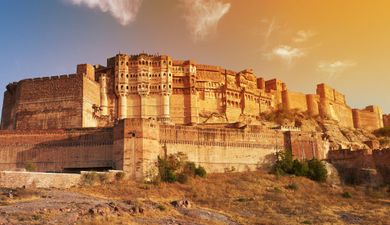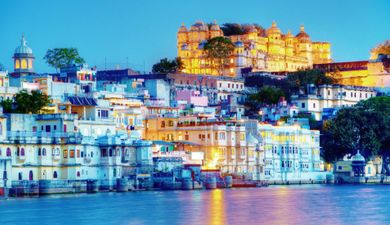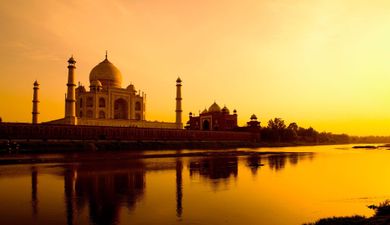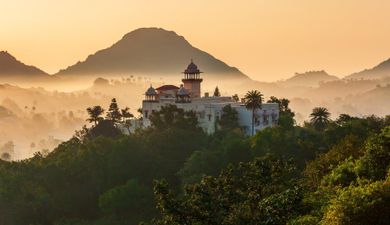
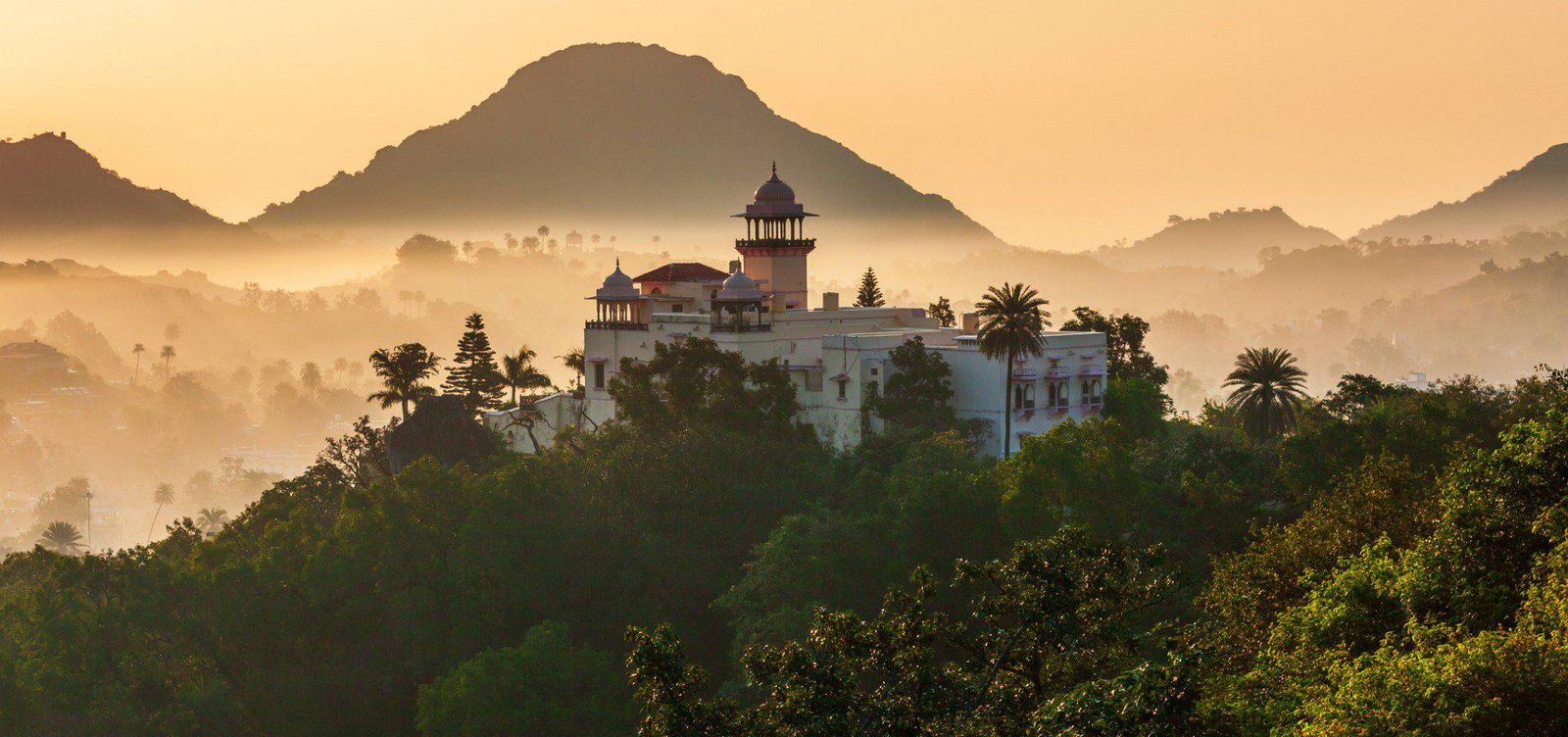
You've been traveling through Rajasthan for days — golden sand, relentless sun, fortresses that radiate heat like ovens — and then the road begins to climb. The air shifts. The temperature drops. Pine trees replace cacti, and suddenly you're breathing cool, misty air that smells of damp earth and wildflowers. This is Mount Abu, Rajasthan's only hill station and its best-kept secret, perched at 4,000 feet along the ancient Aravalli Range. It doesn't just feel like a different destination — it feels like a different planet.
The Lake the Gods Carved with Their Nails
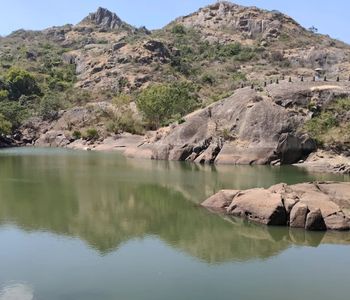
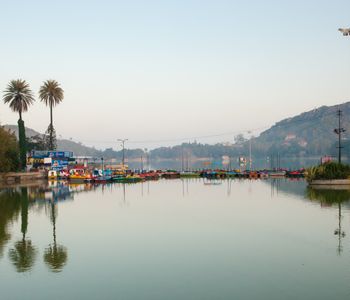
Everything in Mount Abu orbits around Nakki Lake, a shimmering stretch of water cradled by forested hills. Legend says the gods scooped it out using nothing but their fingernails — nakh in Hindi — and honestly, standing at its edge on a quiet morning, you can almost believe it. The surface mirrors the surrounding peaks so perfectly it looks like a painting someone forgot to frame.
Rent a paddleboat and drift across the lake as kingfishers dart along the shoreline. Or just claim a spot on the stone banks and watch families share bags of roasted peanuts, couples pose for photos, and the occasional holy man sit in silent meditation. Chai vendors clink glasses nearby, children laugh, oars splash softly — and that gentle hum of lakeside life makes you want to linger far longer than you planned.
Marble That Looks Like Lace: The Dilwara Temples
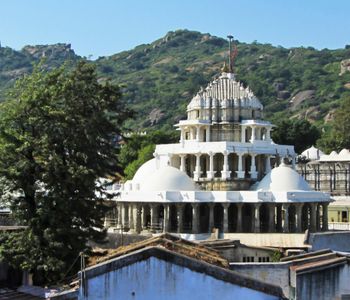
If you see only one thing in Mount Abu, make it the Dilwara Temples. Built between the 11th and 13th centuries by Jain devotees, these temples will stop you in your tracks — literally. You'll walk in, look up, and forget to move.
Every inch of white marble has been carved into impossibly intricate patterns: flowers, dancers, geometric lattices so delicate they seem to ripple in the light. Run your eyes along a single ceiling panel and try to comprehend how human hands, working centuries ago with simple tools, achieved something that looks like frozen lace. Even travelers who couldn't care less about religious architecture leave here wide-eyed and humbled.
There's a reason the Dilwara Temples rank among the most celebrated landmarks in all of Rajasthan — they're the kind of place that makes you reconsider what "craftsmanship" actually means.
Wild Trails and the Roof of the Aravallis
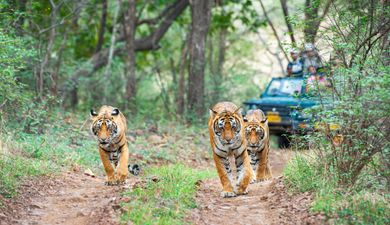
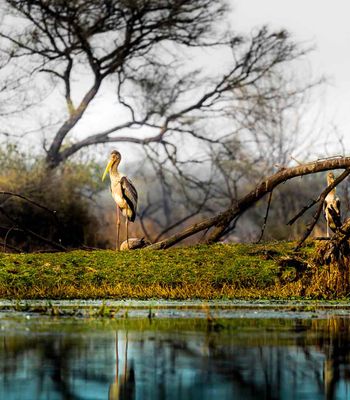
Beyond its serene lakes and sacred marble, Mount Abu is a playground for anyone who loves being outdoors. The Mount Abu Wildlife Sanctuary sprawls across a generous stretch of the Aravalli hills, sheltering sloth bears, wild boars, grey langurs, and a chorus of bird species that'll have you reaching for your binoculars every few minutes.
Lace up your hiking boots and follow trails that wind through dense forest before opening suddenly onto breathtaking vistas of the plains far below. For the ultimate reward, trek to Guru Shikhar — the highest point in the entire Aravalli Range at over 5,600 feet. Wind whips through your hair at the summit as Rajasthan unfolds beneath you in every direction: an endless patchwork of brown, gold, and hazy blue stretching all the way to the horizon. It's the kind of view that makes your chest expand.
When the Sky Catches Fire
A quiet migration happens in Mount Abu every evening. Travelers stream toward Sunset Point, jostling gently for the best spot along the railing, cameras ready. Then — the show begins. The sun sinks behind the Aravallis, and the sky ignites: first amber, then tangerine, then deep crimson, pouring color across the valley as shadows swallow the land below.
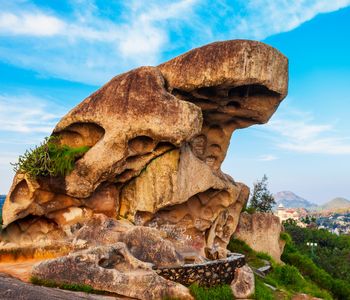
Nobody talks much during those final minutes. Strangers stand shoulder to shoulder, sharing one of those rare communal moments that travel gives you for free. Want something a little quieter? Slip away to Honeymoon Point instead, where two rock formations lean toward each other like old friends against a backdrop of rolling green hills — impossibly romantic, even if you're traveling solo.
Unhurried Streets and Rajasthani Flavor
After the sensory overload of Jaipur's bazaars or Udaipur's bustling lanes, Mount Abu's pace feels like a deep exhale. Wander the local markets at your own speed, running your fingers over embroidered Rajasthani textiles, picking up hand-hammered silverwork, and bargaining cheerfully for wooden handicrafts that'll remind you of this place long after you leave.
When hunger strikes, follow your nose to the street food stalls — crispy kachoris, tangy dal bati churma, and cups of masala chai so sweet and spiced they practically warm you from the inside out. Hindi and English are widely spoken, so navigating shops, restaurants, and temple visits is refreshingly easy.
When to Go and How to Get There
Aim for October through March — the air is crisp and cool, the skies are clear, and the hiking conditions are perfect. Summer (April to June) brings warmth, but nothing compared to the furnace-like plains below, so it still works if that's your window. July through September drenches Mount Abu in monsoon rain, painting everything an electrifying green — stunning to see, but be prepared for slippery trails and occasional road closures.
Getting here is straightforward. Mount Abu connects by road to all of Rajasthan's major cities. The nearest railway station at Abu Road sits about 28 kilometers downhill, and from there taxis and local buses make the winding climb up the mountain regularly. Accommodation runs the full spectrum — from no-frills guesthouses where you'll pay next to nothing, to heritage-style hotels with carved wooden balconies and mountain views worth waking up early for.
The Climb Is Always Worth It
Whether you're chasing spiritual stillness inside centuries-old temples, scrambling up rocky trails to Rajasthan's highest peak, or simply craving a lungful of cool mountain air after days in the desert heat — Mount Abu delivers. Unexpected, unhurried, and quietly extraordinary, it rewards every traveler who makes the journey. Pack a light jacket, bring your sense of wonder, and make the climb. You won't regret it.