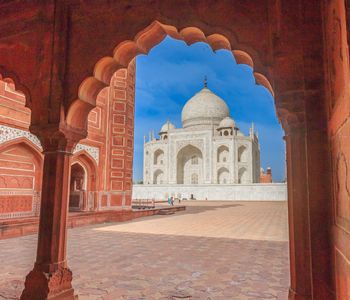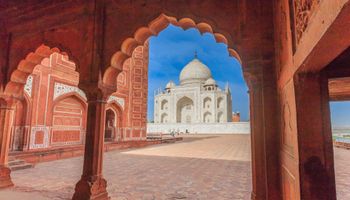
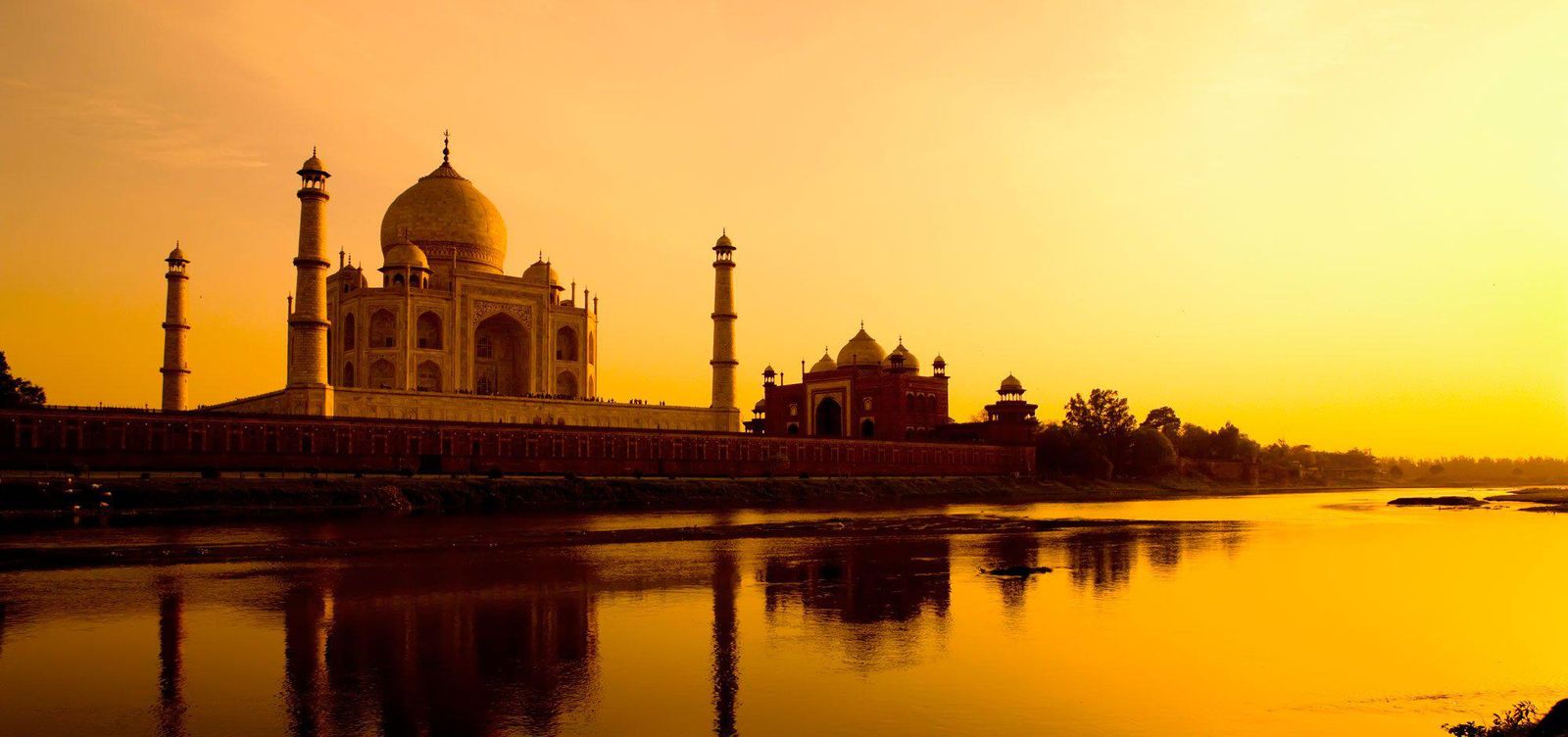
Imagine this: it's barely dawn, the sky is blushing pink and amber, and through a thin veil of morning mist, the white marble dome of the Taj Mahal materializes like a dream you're not quite sure is real. Your shoes are still damp from the dew on the garden pathways, the air carries the faint sweetness of jasmine, and for a moment — just a moment — the whole world goes quiet. That's Agra. A city that doesn't just show you history; it makes you feel it in your bones.
More Than the Taj — A City That Surprises You
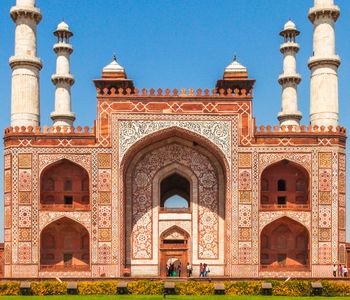
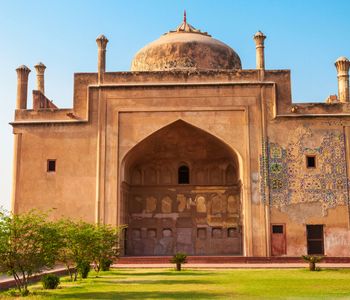
Yes, everyone comes for the Taj Mahal. And yes, it will absolutely take your breath away. But here's what most people don't expect: Agra has a way of pulling you deeper. Mughal fortresses rise like rust-red mountains from the flat northern plains. Artisans tap semi-precious stones into marble with the same techniques their ancestors used four centuries ago. Street vendors press warm, syrupy petha — that impossibly translucent candy made from white pumpkin — into your hands before you've even asked.
Perched along the banks of the wide, slow-moving Yamuna River, Agra sprawls across the level plains of Uttar Pradesh. There are no hills competing for your attention here. The flatness is the point — it lets the city's architectural masterpieces pierce the sky with a drama that feels almost cinematic. Catch them at golden hour, when warm light spills across white marble and red sandstone, and you'll understand why painters and photographers have been obsessed with this place for centuries.
The Taj Mahal: Arrive Early, Stay Longer Than You Planned
Let's get to it — the monument that needs no introduction but somehow still manages to shock you with its beauty in person. Commissioned by Mughal Emperor Shah Jahan in the seventeenth century as a mausoleum for his beloved wife Mumtaz Mahal, the Taj Mahal is a UNESCO World Heritage Site and widely regarded as the pinnacle of Mughal architecture.
Here's your insider move: get there right as the gates open. Before the tour buses arrive, before the selfie sticks multiply, when it's just you and the soft morning light bouncing off that impossibly white dome. Walk slowly. Study the pietra dura inlay work up close — tiny flowers made of carnelian, lapis lazuli, and jasper set into marble with surgical precision. Stand at the reflecting pool and watch the Taj double itself in the still water. This isn't just a building. It's a love letter carved in stone, and it will rearrange something inside you.
Agra Fort: Where Emperors Paced and Plotted
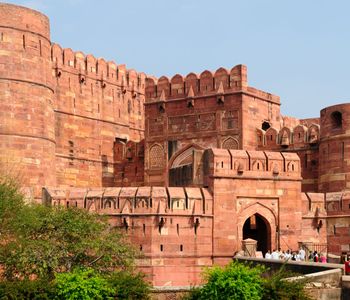
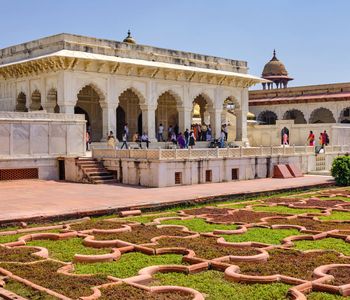
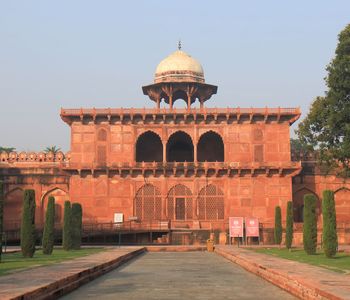
A ten-minute drive from the Taj, Agra Fort rises like a fortress from another world — because, in many ways, it is. This massive red sandstone citadel, also a UNESCO World Heritage Site, served as the main residence of Mughal emperors before the capital shifted to Delhi. Step through its imposing gates and you enter a labyrinth of grand courtyards, ornately carved palaces, and echoing audience halls where the fates of empires were decided.
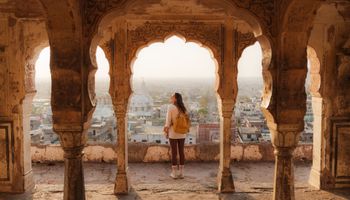
Wander freely. Drag your fingers along the cool sandstone walls. Find the spot — and you'll know it when you see it — where a balcony frames the Taj Mahal in the distance, shimmering white against the hazy sky. Legend says the aging Shah Jahan spent his final years imprisoned in this very fort, gazing out at the tomb he built for his wife. Stand there for a minute. Let that sink in.
Fatehpur Sikri: The Ghost City That Glows
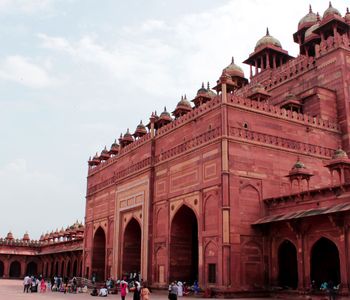
If you only visit the Taj and the Fort, you're leaving the best-kept secret on the table. About 40 kilometers from Agra, Fatehpur Sikri is the kind of place that makes you wonder how it isn't more famous. Emperor Akbar built this entire walled city in the sixteenth century as his new capital — then abandoned it, likely due to water shortages. Just like that.
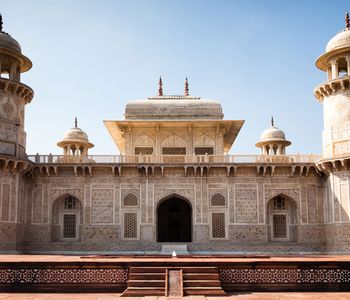
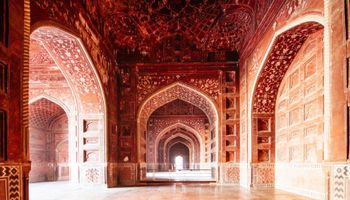
Today, its palaces, mosques, and courtyards stand remarkably preserved, frozen in amber-colored sandstone. Visit in the late afternoon, when the crowds thin and the low sun sets the stone ablaze with golden light. Your footsteps echo through empty halls. The silence is extraordinary. It feels less like sightseeing and more like time travel.
Bazaars, Artisans, and the Sweetest Souvenir You'll Ever Find
Agra's cultural pulse beats strongest in its markets. Duck into the lanes near the Taj Mahal and follow the rhythmic tap-tap-tap of artisans practicing pietra dura — that exquisite stone inlay technique brought to India by Mughal craftsmen. Watch as they fit slivers of malachite and mother-of-pearl into marble with a patience that borders on meditative. You can pick up everything from a small coaster to an elaborate tabletop, each piece handmade.
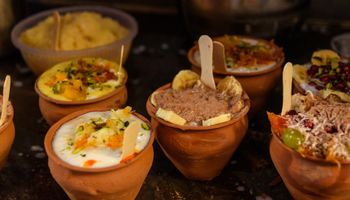
The bazaars overflow with leather goods, richly woven carpets, and brass trinkets. But the real Agra souvenir? Petha. Bite into one of these translucent, melt-on-your-tongue sweets and you'll taste rosewater and sugar and something almost floral that you can't quite name. Buy a box. Buy two. You'll wish you'd bought three once you're home.
When to Go (and How to Beat the Heat)
Agra's semi-arid climate means timing matters. The sweet spot? October through March, when temperatures are mild, the air is crisp, and wandering between monuments feels like a pleasure rather than an endurance test. Winter mornings sometimes bring a soft mist that wraps around the Taj Mahal like gauze — an almost ethereal sight that photographers live for.
Summer (April through June) can be fierce — we're talking 45°C-plus days where the heat radiates off the pavement in visible waves. If you do visit then, hit the monuments at sunrise, retreat to air-conditioned comfort by mid-morning, and venture out again after the sun dips. The monsoon months (July–September) bring relief and dramatic skies, though occasional heavy rains can disrupt plans.
The Heart Behind the Monuments
Hindi is the language you'll hear all around you, though English flows easily in hotels, restaurants, and tourist areas. What you'll notice quickly is how genuinely welcoming Agra's residents are — this is a city that has been greeting travelers from across the globe for generations, and that hospitality runs deep.
Time your visit around a festival and you'll see a completely different Agra. During Eid, the aroma of biryani and slow-cooked nihari spills from doorways while families gather in their finest. During Diwali, the streets erupt in a constellation of oil lamps and fireworks, and even the Taj Mahal seems to glow a little brighter. Agra's Muslim heritage and Hindu traditions weave together in these moments, creating celebrations that are joyful, loud, and utterly contagious.
A Place That Stays With You
Here's the thing about Agra: it doesn't just live in your camera roll. Weeks later, you'll be sitting at your desk and suddenly remember the cool touch of marble beneath your palm at the Taj. The sound of pigeons bursting from the ramparts of Agra Fort. The taste of warm petha dissolving on your tongue in a crowded lane. The way the light fell across Fatehpur Sikri's empty courtyards like it was performing just for you.
Agra is not a checkbox on an itinerary. It's a place where love, ambition, and extraordinary craftsmanship collided to create something timeless — and where, if you slow down enough to really look, you'll feel the echo of all of it. If you're traveling through northern India, put Agra near the top of your list. Then clear your schedule, because you're going to want to stay longer than you planned.