The temple bells haven't stopped ringing since dawn. Somewhere between the chanting that drifts up from the ghats and the sweet, buttery aroma of freshly made pedas wafting from nearby shops, you realize Mathura isn't just a city — it's a living, breathing prayer. As the celebrated birthplace of Lord Krishna, this ancient settlement along the Yamuna River draws millions of pilgrims and curious wanderers each year. But reduce it to a single spiritual landmark and you'll miss the point entirely. Layers of history stretching back millennia, streets that hum with restless energy, and a cultural rhythm that shifts with every season — Mathura rewards those who show up with open hearts and unhurried feet.
A River, a Plain, and a Golden Haze
Sprawled across a broad, fertile plain roughly 150 kilometers south of Delhi, Mathura trades the dramatic peaks of Himalayan hill stations for something quieter and just as powerful. The Yamuna River curves through the city like a silver thread, and its ghats anchor the rhythm of everyday life.
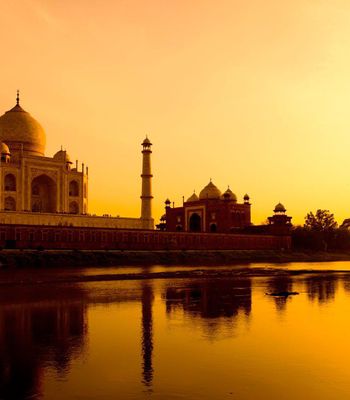
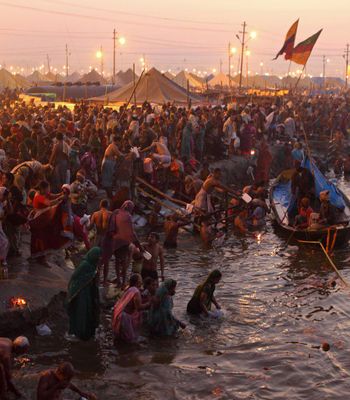
Arrive at Vishram Ghat before the sun fully rises and you'll understand why. A golden haze settles over the water as devotees wade in for morning rituals, brass bells clang from weathered temple spires, and wooden boats glide downstream in no particular hurry. The light here — soft, honeyed, almost liquid — makes even the simplest moment feel sacred. These quiet riverside mornings will stay with you long after you've left.
Where Every Street is a Feast for the Senses
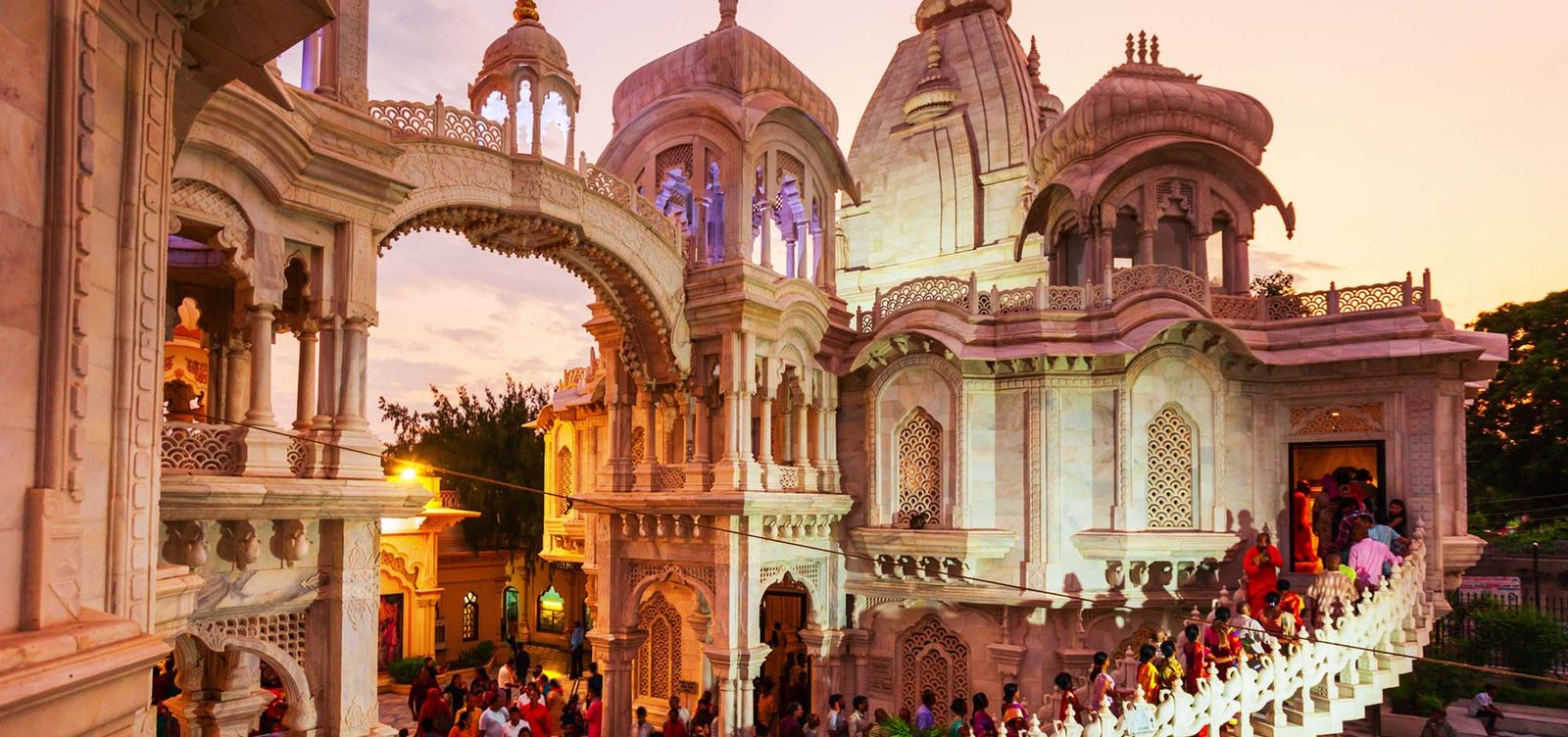
Nothing quite prepares you for the lanes surrounding the Shri Krishna Janmasthan Temple Complex. They buzz at nearly every hour — a kaleidoscope of marigold garlands strung from wooden carts, brass figurines catching the afternoon sun, and vendors calling out over one another in cheerful competition.
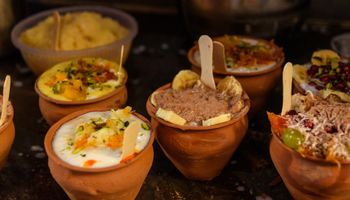
Then there's the food. Mathura is legendary across India for its pedas — dense, crumbly milk sweets enriched with ghee and cardamom, perfected here over generations. Ducking into a traditional sweet shop, watching the confectioner shape each piece by hand, and tasting one still warm from the press isn't just a snack break. It's practically a rite of passage.
Temples, Sculptures, and Centuries of Stories
Beyond the birthplace temple, Mathura's spiritual and historical landscape fans out in surprising directions. Don't limit yourself to a single site — each one tells a different chapter of the city's extraordinary story:
- Dwarkadhish Temple — Ornate carvings cover every surface, and during festivals the courtyard erupts in color and song
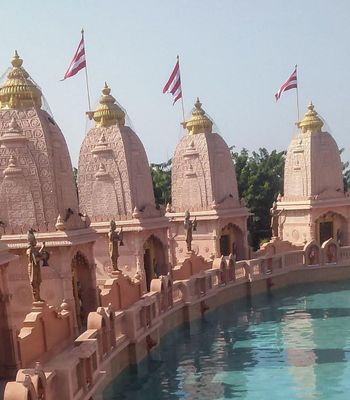
- Kusum Sarovar — A serene sacred pond ringed by sandstone pavilions, so still it feels like stepping into a painting
- Govardhan Hill — Just outside the city, this pilgrimage site draws barefoot devotees who circle its entire length in reverence
- The Government Museum of Mathura — Home to one of India's finest collections of ancient sculpture, including masterpieces from the Gandhara and Mathura schools
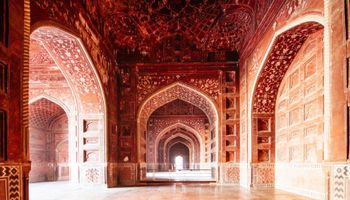
Hindu, Buddhist, and Mughal influences have all left fingerprints on this city, and you can trace them across centuries in a single afternoon. Art lovers, take note: the museum's sculptures rank among the most important in all of South Asian art history. Standing before a second-century Bodhisattva carved in red sandstone, you feel the weight of time collapse around you.
When the City Becomes the Celebration
Few places on earth do festivals like Mathura. During Janmashtami — the grand celebration of Lord Krishna's birth every August or September — the entire city transforms into a stage. Devotional songs pour from every doorway, dancers whirl through torch-lit processions, and at midnight, thousands gather for worship so fervent it raises the hair on your arms.
Holi hits differently here, too. In the Mathura-Vrindavan region, the festival stretches over several days, with processions, live music, and the legendary throwing of colored powders that leaves every surface — and every person — drenched in vivid pink, orange, and green. Time your visit around either festival and you'll witness Indian culture at its most ancient and electrifyingly alive.
Getting There, Getting Around, and When to Go
Mathura's well-connected railway station sees frequent trains from Delhi, Agra, and Jaipur, making it easy to fold into a broader North India itinerary. Once you're inside the city, hop into an auto-rickshaw or flag down a cycle-rickshaw — they're the smartest way to navigate the narrow, temple-flanked lanes where cars simply can't squeeze through.
Craving more? The twin city of Vrindavan sits just 15 kilometers away, equally steeped in Krishna-related heritage, with hundreds of temples lining its winding streets. It makes for a perfect half-day or full-day excursion.
October through March offers the most comfortable window for exploring on foot. Summer heat here is punishing, but winter mornings bring a light mist that hangs over the Yamuna, lending the riverside an almost ethereal quality — the kind of scene that makes you stop mid-step and simply breathe.
A City That Doesn't Perform — It Simply Lives
Whether you arrive as a pilgrim, a history enthusiast, or simply a traveler hungry for something real, Mathura meets you where you are. This city doesn't stage its culture for an audience. It lives it — day after day, ritual after ritual — exactly as it has for thousands of years.
That unshakable sincerity is what gets under your skin. And it's precisely what will pull you back.