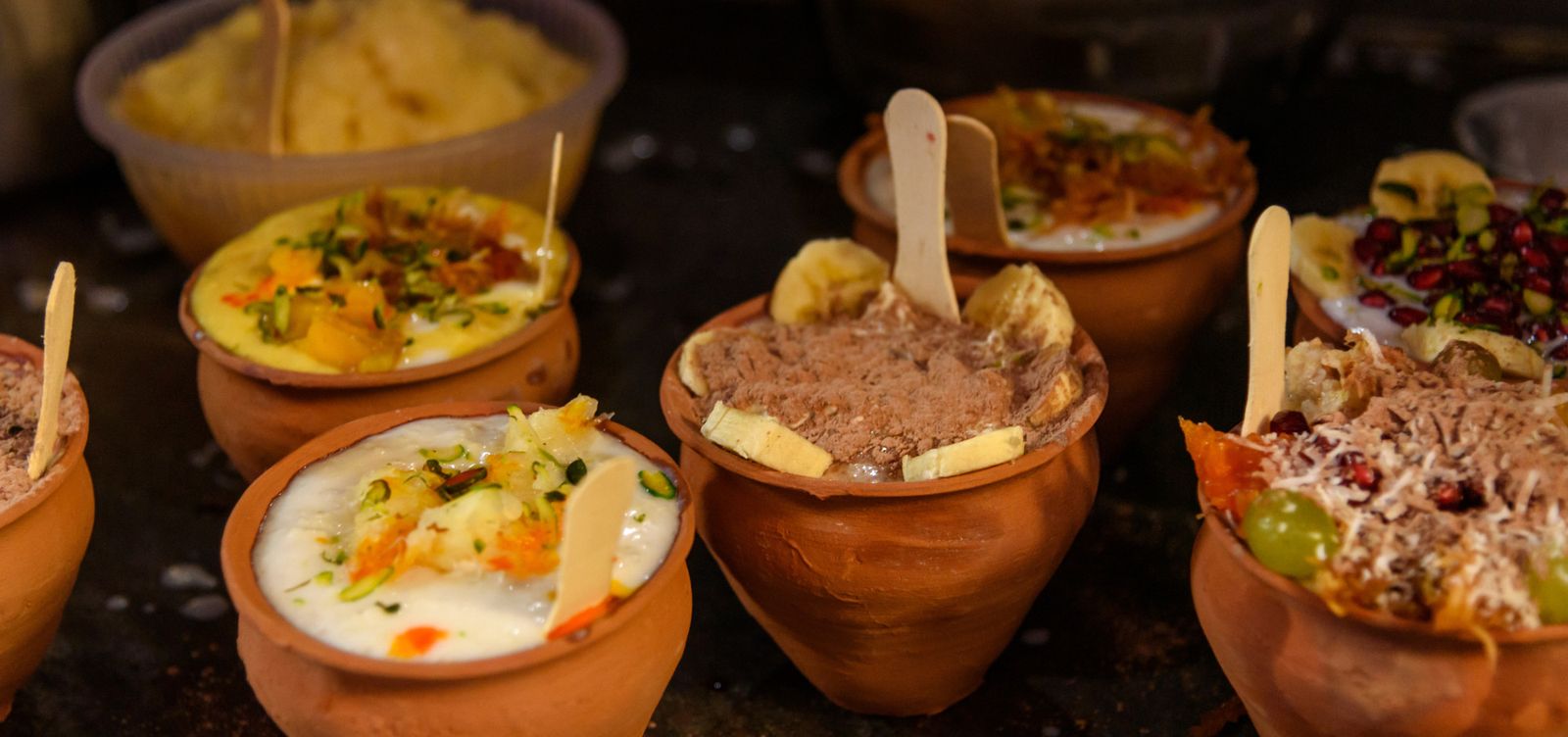


The first thing that hits you isn't the color or the noise — it's the smell. Cumin seeds crackling in hot oil. Tamarind chutney drizzled over crisp pani puri shells. Smoke curling off a tandoor at five in the morning. India's food markets don't introduce themselves politely. They grab you by the collar.
I've eaten in Michelin-starred restaurants across four continents, and none of them taught me as much about food as squatting on a plastic stool in a Delhi bazaar, watching a man make parathas with the speed and precision of a concert pianist. The best cooking in India doesn't happen behind closed doors. It happens on the street, in full view, accountable to a crowd that has been eating the same dish from the same stall for three generations. That's a Yelp review no algorithm can replicate.
This is a guide to the markets and bazaars that define Indian food — region by region, plate by plate. From the kebab-lined lanes of Lucknow to the fish auctions of Kochi, from Kolkata's colonial-era markets to Mumbai's midnight snack alleys. You'll learn when to go, what to order, what to politely decline, and how to haggle without embarrassing yourself. India's food markets aren't attractions. They're living arguments for why cooking is the oldest performing art.
Where the Griddle Never Cools: Why India's Markets Stand Alone
Most countries have food markets. India has food civilizations compressed into city blocks. The difference isn't scale — though some bazaars stretch for miles — it's depth. A single stall in Chandni Chowk might have a lineage older than your country's constitution. The vendor isn't experimenting. He's perfecting something his great-grandfather started, and he'll judge you quietly if you add extra chutney.
What separates Indian food markets from their counterparts in Bangkok or Barcelona or Marrakech is the sheer regional specificity. Travel four hundred kilometers in any direction, and the spice palette changes entirely. The coconut oil gives way to mustard oil. The flatbreads turn into rice cakes. The chili variety shifts, and with it, the entire personality of the heat. You don't eat "Indian food" in India. You eat Lucknowi food, or Mangalorean food, or Assamese food, and each one would be insulted to be confused with the others.
There's also the matter of time. Indian bazaars operate on a rhythm that most Western markets have lost. The predawn wholesale markets feed the morning chai stalls, which feed the lunch-rush thali vendors, which give way to the evening chaat carts, which surrender finally to the late-night kebab grills. The market doesn't close so much as it changes shifts. Eating in one of these places at 6 a.m. and again at 11 p.m. is eating in two different worlds occupying the same geography.
And then there's the democracy of it. A software engineer and a rickshaw driver eat elbow to elbow at the same counter, ordering the same plate of chole bhature. The food market is India's great equalizer — the one place where your wallet matters less than your appetite.
Smoke, Saffron, and Six-Hour Queues: The Markets of North India
Old Delhi's Chandni Chowk is the market against which all other Indian food markets are measured, and most fall short. The lanes are narrow enough that two people carrying plates have to negotiate passage like diplomats. Start at Paranthe Wali Gali, where parathas are deep-fried — not griddled, deep-fried — and stuffed with everything from spiced potatoes to rabri. The texture is closer to pastry than bread, and the caloric content is something you should never calculate.
Lucknow's food markets operate at a different frequency. The Chowk area specializes in Awadhi cuisine — slow-cooked, restrained, aromatic. The galouti kebabs at the old stalls near Akbari Gate are so tender they dissolve on contact with your tongue, a trick achieved with raw papaya and a spice blend that vendors guard like state secrets. Lucknow doesn't shout about its food. It whispers, and you lean in.
In Amritsar, the market around the Golden Temple's langar (community kitchen) serves free meals to over 100,000 people daily, but the surrounding Katra Jaimal Singh market is where you pay — happily — for kulchas stuffed with paneer and served with a chickpea curry so deeply spiced it turns almost black. The lassi here comes in steel glasses so heavy they double as weapons.
Jaipur's Johari Bazaar pulls double duty as a jewelry and food market. The pyaaz kachori — a fried pastry filled with spiced onion — has a crust so flaky it detonates on first bite, sending crumbs down your shirt like shrapnel. You'll eat it standing in the street, and you won't care. Nobody does.
Salt Air, Spice Bombs, and Midnight Bhaji: West India's Edible Chaos
Mumbai doesn't have a single defining food market — it has dozens, each one calibrated to a different hour and hunger. Mohammad Ali Road during Ramadan is the city at its most electrifying: seekh kebabs sizzle over charcoal, malpua drips with syrup, and the crowd moves with a patience born from collective anticipation. You eat standing, walking, sometimes barely stopped. The nalli nihari — slow-braised bone marrow stew — is worth every bead of sweat.
Crawford Market, built during the British era with Kipling's father contributing the stone reliefs above the entrance, is where Mumbai's restaurant chefs shop before dawn. The fruit section alone is staggering — Alphonso mangoes stacked in tissue-lined crates during season, pomegranates split open to display their jeweled interiors as proof of quality. This isn't a market for tourists. It's a market for people who take ingredients personally.
Ahmedabad's Manek Chowk transforms after dark from a jewelry market into a street food amphitheater. The Gujarati palate skews sweet even in savory dishes, which throws newcomers off balance. Try the dabeli — a spiced potato filling inside a small bun, layered with pomegranate seeds, sev, and three chutneys. It costs almost nothing and tastes like someone solved a flavor equation you didn't know existed.
Goa's Mapusa Friday Market offers a different vocabulary entirely — pork sausages spiced with toddy vinegar, local cashews still warm from roasting, and fish so fresh it still smells like the ocean rather than like fish. The Portuguese-influenced baking stalls sell bibinca, a layered coconut cake that requires absurd patience to make, each layer cooked individually under a flame.
Coconut, Curry Leaf, and the Art of the Banana Leaf Plate: South India
Kochi's food markets operate on fish time. The catches come in early, and by mid-morning the stalls near the Chinese fishing nets along Fort Kochi display prawns, kingfish, and squid arranged with the care of a gallery installation. Point at what you want, and it's grilled or fried on the spot, seasoned with nothing more than salt, turmeric, and a squeeze of lime. Simplicity this effective takes generations to develop.
Chennai's Sowcarpet neighborhood is the city's most honest food district — a predominantly Gujarati and Rajasthani enclave that somehow coexists with deep-South Tamil cooking. The filter coffee alone justifies a detour: brewed strong through a metal filter, mixed with boiled milk, then poured back and forth between two steel tumblers until it froths. The motion is theatrical. The result is sacred.
Mysore's Devaraja Market is the most photogenic market in South India, which is also its problem — the Instagram crowd has discovered it. Go early, before the phone cameras arrive, and you'll find vendors stacking jasmine garlands, grinding fresh turmeric into violent orange powder, and selling cone-shaped mounds of kumkum. The food stalls on the periphery serve Mysore pak so fresh it's still warm, the ghee pooling on the surface like liquid gold, the gram flour crumbling into sweet, grainy oblivion.
Madurai's streets around the Meenakshi Temple serve jigarthanda — a cold drink made from milk, almond gum, sarsaparilla, and ice cream — that tastes like nothing else on the planet. It shouldn't work. The ingredients read like a dare. But it does, magnificently, and the old jigarthanda stalls know it.
River Fish, Mustard Heat, and Sweets That Could Start Wars: East India
Kolkata's New Market, originally named Sir Stuart Hogg Market when it opened in 1874, is a labyrinth where the British Raj's architectural ambitions collide with Bengali appetite. The meat section is not for the squeamish — whole goat carcasses hang at eye level, and the fish stalls display rohu and hilsa on beds of crushed ice with a pride that borders on paternal. Hilsa, during monsoon season, inspires the kind of devotion in Bengalis that wine vintage years inspire in the French. People argue about the best preparation — shorshe ilish, cooked in mustard paste — with genuine emotional investment.
The sweet shops ringing New Market and scattered across North Kolkata are their own civilization. Rosogolla, mishti doi, sandesh — each has partisans who will inform you, unsolicited, which shop makes the definitive version. K.C. Das claims to have invented the rosogolla, a claim that Odisha disputes with the intensity of a border conflict. The spongy, syrup-soaked balls are best eaten within hours of being made, when they're still slightly warm and the sugar syrup hasn't fully cooled.
In Guwahati, the Fancy Bazaar offers Assamese flavors that most of India doesn't know exist — bamboo shoot pickles, fermented fish called shidal, rice beer, and black sesame preparations that taste smoky and ancient. This is a market for the genuinely curious, not the casually adventurous. The food here doesn't try to please you. It reveals itself slowly, on its own terms, and rewards patience.
Bhubaneswar's Unit-1 market in Odisha serves dahi vada and bara that locals insist are superior to any version found elsewhere. They're right. The lentil fritters are lighter, the yogurt tangier, the tamarind chutney more complex. Small differences, but they compound.
Timing Is Everything: When the Markets Are at Their Best
India's food markets aren't static. They breathe with the calendar. The best window for most of the country falls between October and March, when the heat relents enough that standing near an open flame doesn't feel like punishment. Winter in North India — December through February — brings seasonal specialties: makki di roti and sarson ka saag in Punjab, gajar ka halwa simmering in enormous iron kadais in Delhi, fresh peanuts roasted in sand in Rajasthan.
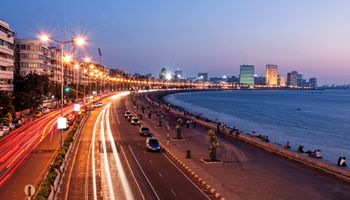
Monsoon season, from June to September, changes the equation in interesting ways. Mumbai's street food scene doesn't slow down during the rains — it accelerates. Bhutta (grilled corn) carts appear on Marine Drive, and the vada pav stalls do their briskest business when sheets of rain drive people toward hot, fried comfort. In Bengal, the monsoon brings the hilsa run, and Kolkata's markets become temples to a single fish. But roads flood, hygiene risks increase, and some outdoor bazaars operate at reduced capacity.
Ramadan shifts the clock in Muslim-majority market areas across India. Mohammad Ali Road in Mumbai, Chowk in Lucknow, and Meena Bazaar in Delhi come alive after sunset with iftar spreads that represent the year's most ambitious cooking. The dates change annually with the lunar calendar, so check before you plan.
One counterintuitive tip: avoid major festival days at specific markets. Diwali week in Chandni Chowk means packed lanes and closed stalls as vendors celebrate with family. The day after a festival, however, is often ideal — the crowds thin, the vendors return refreshed, and some stalls offer freshly made festival sweets at reduced prices.
The Honest Plate: What to Eat, What to Approach with Caution
The single most useful rule for eating in Indian markets isn't about what to eat — it's about where to eat it. Follow the crowd. A stall with a queue of locals at lunchtime is safer and better than an empty one with a persistent hawker waving you over. Volume means turnover, and turnover means the food hasn't been sitting.
Eat cooked food that's served hot. Freshly fried puri, just-griddled dosas, kebabs pulled straight from the grill — heat is your friend. The paranthe in Chandni Chowk come out of the oil so hot they hiss on the plate. That's exactly what you want. Be cautious with pre-cut fruit, raw salads, and anything involving unboiled water. Pani puri — those crisp shells filled with spiced water — is magnificent, but the water component carries risk for unaccustomed stomachs. Wait until your gut has had a few days to acclimate before diving in.
Dairy is a gray zone. Lassi and dahi from high-turnover stalls in Amritsar or Varanasi is generally fine — the cultures in yogurt actually help digestion. But lukewarm milk-based sweets from a stall without refrigeration in 38-degree heat are a gamble. Let common sense, not bravery, guide you.
Carry your own water bottle. Accept chai from the clay cups — kulhads — which are single-use and actually improve the flavor with an earthy, mineral note. Skip ice unless you're at an establishment that clearly makes it from filtered water. And start slowly. Your first market day should involve three or four dishes, not twelve. Your stomach needs time to recalibrate to spice levels, oil types, and unfamiliar bacteria. Respect the adjustment period, and the markets will reward you for the rest of the trip.
The Gentle Art of Not Getting Fleeced: Bargaining in Indian Bazaars
Here's what most guides won't tell you: bargaining for food in Indian markets is largely unnecessary. Cooked food at street stalls almost always has a fixed price, and it's usually astonishingly low by any international standard. A plate of chole bhature in Chandni Chowk or a vada pav in Mumbai costs what it costs, and attempting to negotiate will earn you bewildered stares. The vendor isn't a carpet dealer. He's feeding a neighborhood.
Where bargaining does apply is in the purchase of raw ingredients, spices, dried goods, and packaged items — the things you might bring home. The rule of thumb: if there's no printed price tag, the first number you hear is aspirational. Start at roughly sixty percent of the quoted price and work from there. Keep your tone friendly, even amused. Bargaining in India is a social exchange, not a confrontation. The vendor expects it. Paying the first price asked is actually slightly disrespectful — it suggests you think so little of the interaction that you won't even engage.
Walk away if the price doesn't feel right. Genuinely walk away — not the performative five-step retreat — and see what happens. In most bazaars, there are three other vendors selling identical spice blends within twenty meters. Competition is your silent partner.
One thing that works better than any haggling technique: repeat visits. Buy from the same spice stall or fruit vendor twice, exchange a few words, ask about their family or their product with genuine interest. By the third visit, you'll get the local price without asking for it. In Indian bazaars, relationship trumps transaction. Every time.
India's food markets don't wait for you. They were here before you arrived, and they'll outlast your visit by centuries. But for the days you spend inside them — sweating through your shirt, burning your tongue, learning to eat with your right hand, watching a seventy-year-old woman shape dough with a speed that defies physics — you'll understand something about food that no restaurant can teach. It's not about presentation or concept or innovation. It's about repetition, obsession, and a kind of fierce local pride that turns a simple meal into an act of identity. Go. Eat everything. Carry antacids. You won't regret a single bite.