Imagine standing at the edge of a continent, the Arabian Sea stretching endlessly before you, while behind you, a city whispers stories in Portuguese, Dutch, Hebrew, Malayalam, and a dozen other tongues. That's Kochi — and it will rearrange everything you thought you knew about India.
Spread across a patchwork of islands and peninsulas along Kerala's Malabar Coast, Kochi isn't just cosmopolitan — it's a living palimpsest. Portuguese churches cast their shadows over Hindu temples. A 16th-century synagogue stands a stone's throw from a mosque. And along the waterfront, enormous Chinese fishing nets dip and rise in the same unhurried rhythm they've kept for hundreds of years. Few cities anywhere in the world wear their history so gracefully — or make it so easy to explore on foot.
Where the Sea Writes the Story
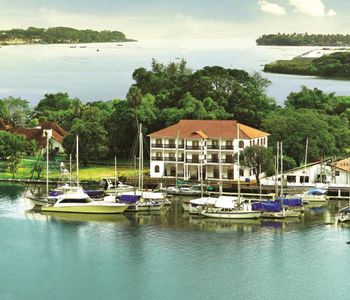
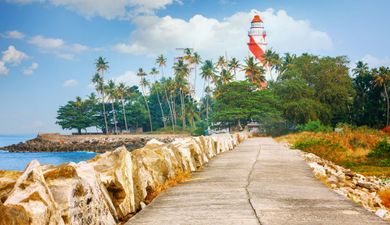
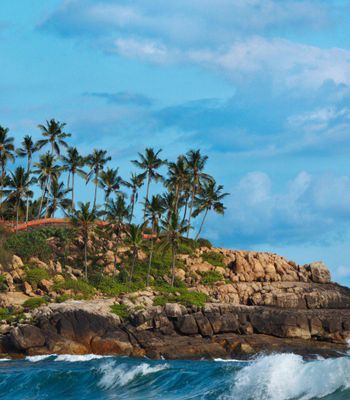
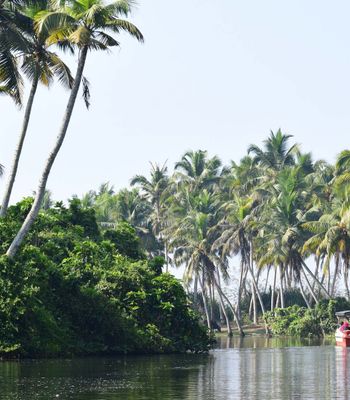
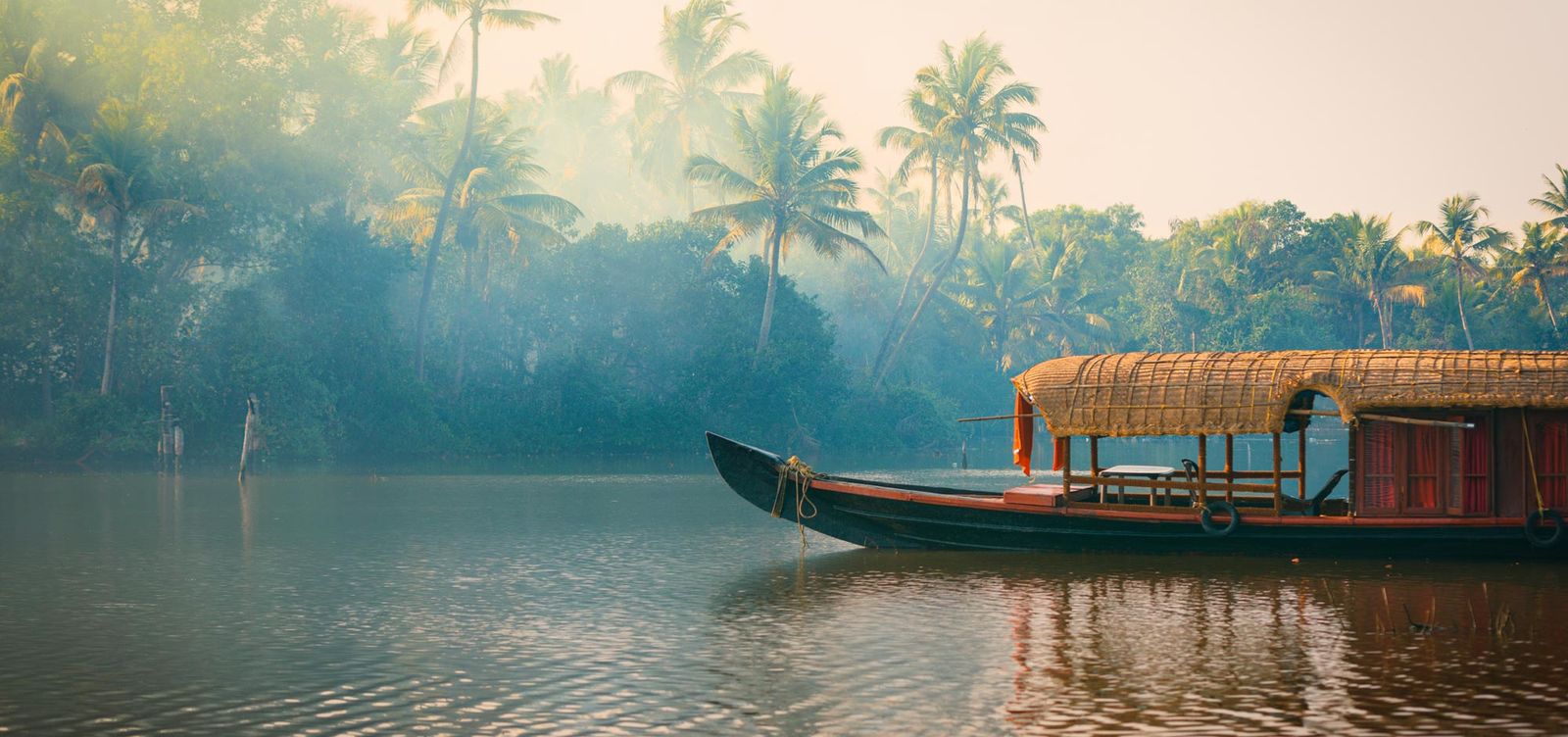
The Arabian Sea doesn't just border Kochi — it runs through it. Backwaters, lagoons, and canals thread between neighborhoods, giving the whole city a languid, water-logged pulse that slows your heartbeat whether you want it to or not.
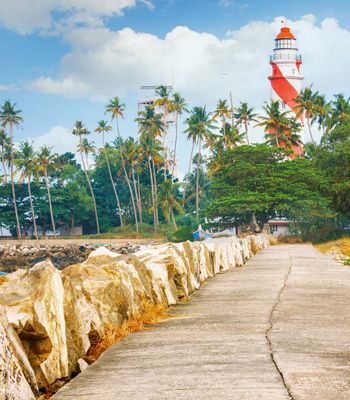
Lush coconut palms lean into the skyline from every direction, and the air — oh, the air — carries a heady cocktail of salt breeze and freshly ground spices that hits you the moment you step outside. There's a reason merchants from Arabia, China, Portugal, the Netherlands, and Britain once sailed halfway across the world to reach this shore: Kochi was the beating heart of the global spice trade. That legacy? You can still taste it, smell it, and buy it by the kilo in the bustling warehouses of Mattancherry.
Fort Kochi: Where Every Corner Holds a Century
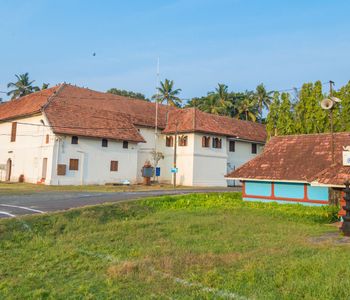
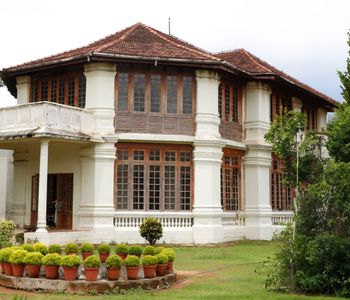
Start in Fort Kochi — you must. The narrow, tree-shaded streets here feel like flipping through the pages of a history book, except the buildings are real and the light filtering through old doorways is golden and warm.
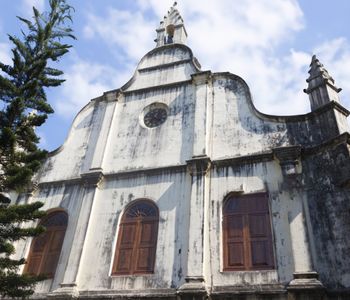
Duck into the Santa Cruz Cathedral Basilica, originally built by the Portuguese in the early 16th century, and let your eyes adjust to the painted ceilings and stained glass. Then walk over to St. Francis Church, one of the oldest European churches in India, where the air inside feels cool and impossibly still.
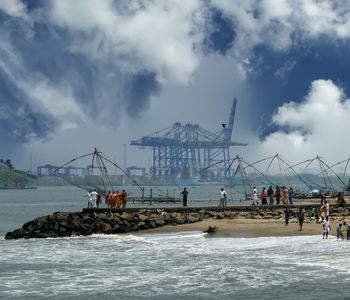
But the moment that will stick with you? The Chinese fishing nets at sunset. These massive cantilevered structures — all timber, rope, and counterweight — are still hauled up and lowered by hand. Watch the fishermen silhouetted against a sky turning tangerine and violet, and you'll understand why this is one of the most photographed scenes in all of Kerala. It's not just beautiful — it feels ancient and alive at the same time.
Mattancherry: Spice, Spirit & Synagogue
A short stroll from Fort Kochi drops you into Mattancherry, and your nose will know it before your eyes do. The warm, peppery sweetness of cardamom mingles with the woody bite of cinnamon, wafting out of spice warehouses where sacks sit stacked floor to ceiling. The fragrance alone is worth the walk.
Step inside the Mattancherry Palace — locals call it the Dutch Palace — and crane your neck at the extraordinary Kerala murals covering the walls, vivid depictions of scenes from Hindu mythology rendered in rich earth tones. Just around the corner waits the Paradesi Synagogue, built in 1568 and still an active place of worship, its floor paved with hand-painted Chinese willow-pattern tiles that no two are quite alike.
Between the antique shops, the street vendors hawking fresh cinnamon sticks, and the faded grandeur of merchant-era warehouses, Mattancherry feels like a place where time folds in on itself.
A City That Creates, Not Just Preserves
Here's what might surprise you: Kochi isn't just about history. It's one of Asia's most important contemporary art destinations, thanks to the Kochi-Muziris Biennale, held every two years and sprawling across warehouses, galleries, and open-air spaces throughout Fort Kochi.
Even between Biennale seasons, the creative energy lingers. Street art splashes across old walls. Indie cafés double as gallery spaces. You'll turn a corner expecting a colonial ruin and find a bold, building-sized mural staring back at you instead. It's the kind of place where centuries-old architecture and cutting-edge art coexist without a trace of awkwardness.
Water, Sand & the Backwater Gateway
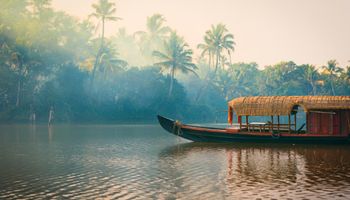
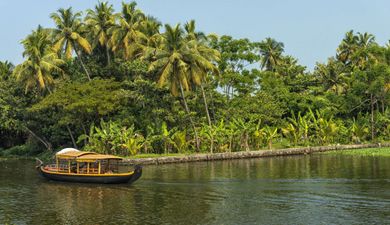
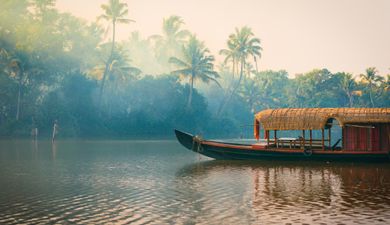
Kochi also happens to be your front door to Kerala's legendary backwaters. Day cruises and overnight houseboat rides through the palm-fringed waterways of Alleppey and Kumarakom are easy to arrange from the city — and absolutely worth it.
But you don't have to leave Kochi to find beauty on the water. Keep these close-by escapes on your radar:
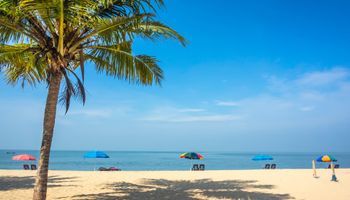
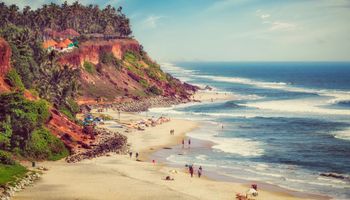
- Cherai Beach on Vypeen Island — long, uncrowded sands where the backwaters nearly meet the sea
- Bolgatty Island — lush palace gardens perfect for a quiet afternoon
- Willingdon Island — a man-made island sitting right at the center of the harbor
- Marine Drive — a scenic promenade along the backwaters, especially magical at dusk when the lights shimmer on the water
Eat Like You Mean It
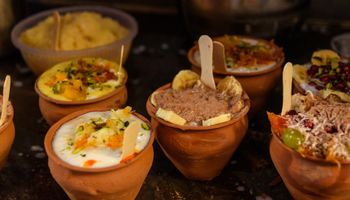
Kerala's cuisine is legendary for good reason, and Kochi is where you eat your way through the best of it. Picture this: a banana leaf unfurled before you, heaped with steaming rice, tangy sambar, a riot of vegetable dishes, crispy papadum, and a slick of coconut chutney — every bite a different texture, a different heat.
But the real magic? The seafood. Head to one of the tiny eateries clustered near the Chinese fishing nets, where the catch of the day goes straight from the water to a sizzling pan rubbed with turmeric, curry leaves, and coconut oil. Order the fish fry. Trust me — you'll want a second plate.
When to Go & How to Get There
Aim for October through March. The monsoon rains have packed up and gone, the humidity drops to something bearable, and the days are pleasantly warm without wringing the energy out of you. It's ideal walking weather, which matters in a city best explored on foot.
Getting here is easy: fly into Cochin International Airport, arrive by train at Ernakulam Junction, or drive from other major South Indian cities. Once you're in Kochi, ferries, auto-rickshaws, and your own two feet will take you everywhere you need to go.
The Kind of Place That Stays With You
Kochi doesn't need a packed itinerary. It doesn't reward rushing. What it asks — gently, without pressure — is that you slow down. Wander without a map. Sit on a Fort Kochi balcony with a cup of chai and watch the street theater of daily life unfold below. Let the textures of a dozen cultures wash over you in a single afternoon.
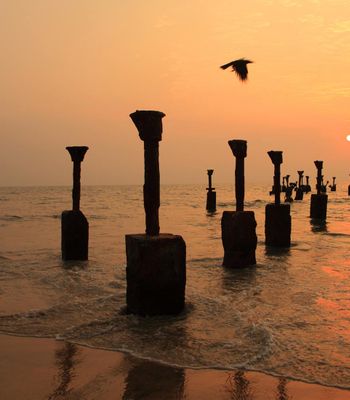
And when evening comes, find a spot along the waterfront and watch the sun melt into the Arabian Sea, painting everything copper and rose. That's the moment Kochi seals itself into your memory — not as a destination you visited, but as a place that quietly, unmistakably, changed the way you travel.