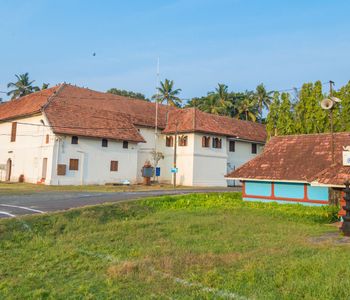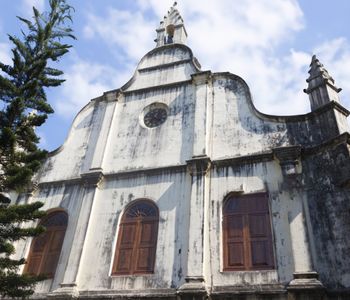
Forty-nine buildings. Fifty-four acres. One dynasty's entire legacy, preserved under sloping laterite roofs and sprawling tropical canopy. The Hill Palace Museum in Tripunithura isn't just Kerala's largest archaeological museum — it's a place where royal history breathes, where ancient coins clink in your imagination, and where deer graze lazily beneath trees that have witnessed centuries of power and ceremony.
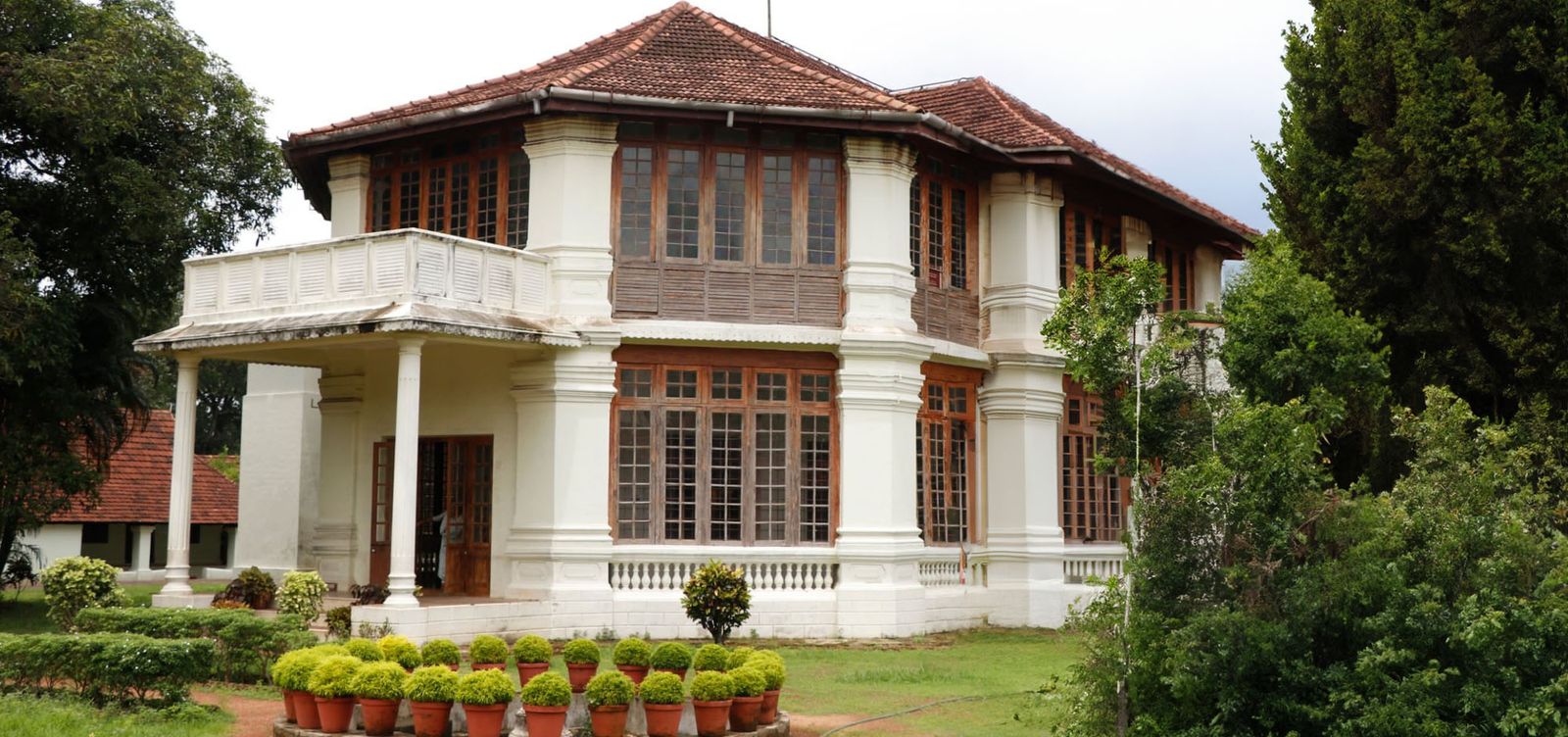
Built in 1865 as the official residence of the Kochi royal family, this grand estate now operates as a heritage museum under the Kerala State Department of Archaeology. Step through its gates, and you're walking the same grounds where maharajas governed, entertained dignitaries, and shaped the political destiny of the Kingdom of Cochin.
A Crown, a Kingdom, and the Walls That Held It All
The Cochin Maharaja commissioned the Hill Palace at a time when the kingdom still hummed with administrative authority. These rooms weren't just living quarters — they were nerve centers of governance. State affairs unfolded in these corridors. Important documents that reshaped the region's political landscape during British colonial rule were signed within these very walls.
Independence in 1947 changed everything. As princely states dissolved into the new republic, the palace quietly lost its purpose. The Kerala state government eventually acquired the property, and in 1986, its doors swung open to the public as a museum. Today, thousands of visitors stream through each year, tracing the outlines of a royal world that once thrived here.
Treasures Behind Every Glass Case
Walk into the main palace building and feel time collapse around you. Centuries of ambition, artistry, and devotion fill room after room — oil paintings with eyes that seem to follow you, palm-leaf manuscripts so delicate they look like they might crumble if you breathe too hard, and gold-plated regalia that still catches the light with regal authority.
Crowns, Coins, and Coronation Splendor
The royal crown and scepter sit behind glass, their ceremonial weight almost palpable. Gold-plated ornaments used during official coronations gleam under museum lighting, each piece a testament to artisan traditions that demanded nothing short of perfection.
Then there are the coins — and this is where history buffs will lose track of time entirely. Roman, Dutch, Portuguese currencies that once changed hands in the bustling Cochin trade ports are laid out in meticulous displays. Run your eyes over them and you're essentially reading a timeline of every empire that ever wanted a piece of Kerala's spice coast.
Murals, Portraits, and Palm-Leaf Secrets
Kerala's mural painting tradition runs deep, and the palace walls honor that legacy beautifully. Royal portraits stare out from ornate frames alongside mythological scenes rendered in the distinctive style of 18th and 19th-century South Indian artists — rich earth tones, fluid lines, faces full of quiet drama.
In a separate wing, palm-leaf manuscripts lie in display cases like whispered secrets from another age. Religious texts, medical knowledge, administrative records — all inscribed in intricate script on fragile leaves you can study up close but never touch. There's something humbling about standing inches from handwriting that's hundreds of years old.
Stone Stories Carved Across Millennia
Corridors and courtyards throughout the museum are lined with stone sculptures and inscriptions spanning multiple eras. Hindu deities share space with Buddhist and Jain figures, each carved piece reflecting the religious diversity that has always defined this region. Several sculptures date back over a thousand years — run your fingers along the air near them and you're hovering over a direct, tangible link to ancient civilizations that built this land.
Where Architecture Becomes the Exhibit
Forget the Mughal grandeur of Northern India. The Hill Palace speaks an entirely different architectural language — one rooted in Kerala's tropical soul. Sloped roofs of laterite stone and wood. Wide verandas designed to catch every passing breeze. High ceilings that let warm air rise and escape. Open corridors connecting wings around central courtyards where sunlight pools like liquid gold.
Every design choice here was deliberate, born from generations of understanding Kerala's humid climate. Wooden carvings frame doorways and windows with almost obsessive detail, showcasing the region's legendary woodworking mastery. You could spend an hour just studying the grain patterns and floral motifs on a single door frame — and you wouldn't be the first visitor to do so.
Fifty-Four Acres of Green, Wild, Beautiful Grounds
Beyond the palace walls, the estate unfolds into something unexpectedly alive. Towering trees throw dappled shadows across manicured gardens. Flowering shrubs burst with color against the deep green of tropical plants native to Kerala's soil. The air smells different here — earthy, floral, thick with oxygen.
A deer park tucked within the grounds draws families like a magnet. Spotted deer wander their fenced enclosure with unhurried grace, pausing to look at you with those enormous, liquid eyes. Nearby, a heritage garden cultivates medicinal plants and rare herbs, each species labeled with informational signboards that turn a casual stroll into a botanical education.
Early risers, take note: the expansive green spaces attract kingfishers, woodpeckers, and migratory birds that flit through the canopy in the soft morning light. Bring binoculars if you have them — you'll be glad you did.
More Than a Museum — A Living Cultural Heartbeat
What elevates the Hill Palace beyond its glass cases and stone corridors is its refusal to stand still. Throughout the year, the museum hosts exhibitions, cultural programs, and educational events that keep Kerala's artistic traditions vibrant and relevant. Classical dance performances occasionally unfold on the palace grounds, the rhythmic ankle bells of Kathakali or Mohiniyattam echoing against centuries-old walls.
For scholars and researchers, the museum's archives hold invaluable primary sources — a quiet goldmine for anyone doing serious academic work on the Cochin dynasty or Kerala's broader historical narrative. By gathering these artifacts under one roof, the institution ensures that this heritage doesn't just survive — it thrives for generations to come.
Everything You Need to Know Before You Go
The museum welcomes visitors Tuesday through Sunday, 9 a.m. to 5 p.m. Mondays and national holidays mean locked gates, so plan accordingly. Entry fees are refreshingly modest — around 25 rupees for Indian citizens, 200 rupees for international visitors. Bring extra cash if you want to photograph the interiors, as camera fees are charged separately.
Block out at least two to three hours. You'll need them. The property is vast, and rushing through feels like a crime against all those centuries of history waiting patiently in every room. Wear comfortable walking shoes, carry water (especially between the sweltering months of March and May), and if possible, visit during the cooler October-to-February window when the gardens and deer park are pure pleasure to explore.
Finding Your Way There
Tripunithura sits roughly 12 kilometers from Ernakulam city center. An auto-rickshaw or taxi ride takes about 30 minutes, depending on Kochi's famously unpredictable traffic. Budget travelers can hop on one of the regular public buses running between Ernakulam and Tripunithura. Arriving by train? Tripunithura railway station is just two kilometers from the museum entrance — a quick and affordable rickshaw ride away.
Flying into Cochin International Airport puts you about 25 kilometers out. A hired cab offers the most comfortable route, but the savvy move is combining your Hill Palace visit with Fort Kochi and Mattancherry Palace for a full-day cultural immersion that covers centuries of history in a single sweep.
From gold-plated coronation regalia to spotted deer grazing under ancient trees, the Hill Palace Museum weaves together the grand and the gentle in ways few heritage sites manage. It's the kind of place that rewards slow wandering, quiet observation, and the willingness to let Kerala's royal past pull you in. Add it to your Kochi itinerary — and give it the time it deserves.