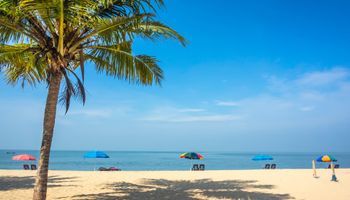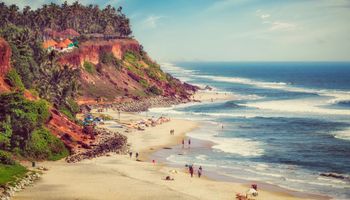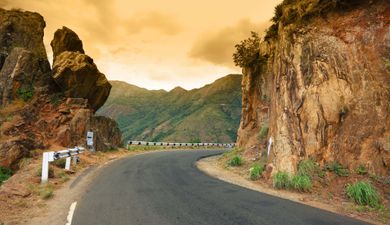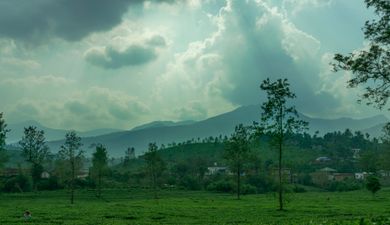
The first thing that hits you isn't the sight of the water — it's the sound. A deep, rhythmic exhale of the Arabian Sea rolling against red-brown rock, punctuated by the distant call of a fisherman hauling rope at dawn. Kovalam, perched on Kerala's sun-drenched southern tip just 16 kilometers from the state capital Thiruvananthapuram, has been casting this spell on travelers for decades. With its crescent bays cradled between dramatic rocky headlands, coconut palms bending lazily toward the surf, and an unhurried pace that seeps into your bones, this is one of southern India's most magnetic stretches of coast.
Three Beaches, Three Moods
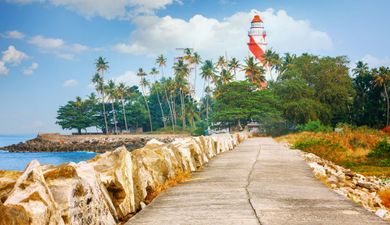
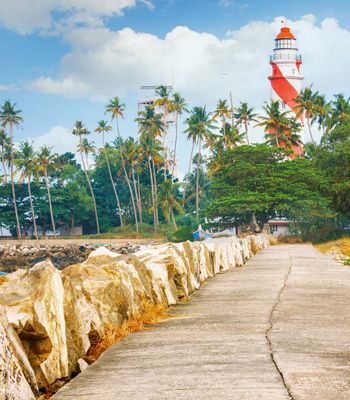
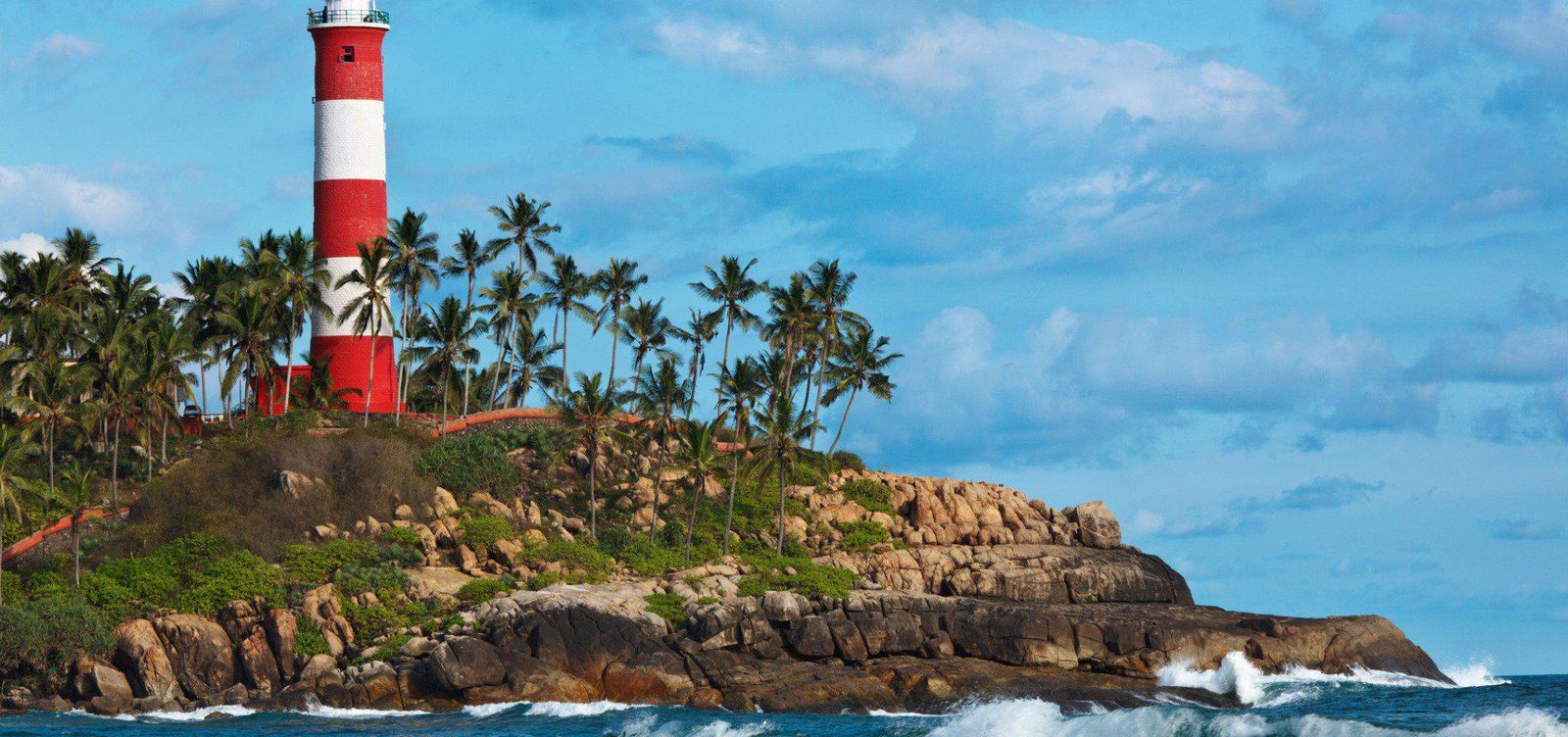
Rocky promontories divide Kovalam's shoreline into three distinct beaches, each with its own personality. Lighthouse Beach — named for the Vizhinjam Lighthouse standing sentinel on the headland above — is the liveliest of the trio. Climb the lighthouse's narrow spiral staircase and you're rewarded with a panorama that makes your chest expand: turquoise shallows dissolving into deep sapphire, fishing boats bobbing like scattered petals, and the coastline curving away in both directions.
North of there, Hawah Beach (sometimes called Eve's Beach) draws a quieter, more contemplative crowd. The sand here feels softer underfoot, the conversations more hushed. Then there's Samudra Beach, the most secluded of the three, where the only soundtrack is the crash and retreat of waves — the kind of place where you lose track of what day it is, and you're perfectly fine with that.
Where the Shore Comes Alive
Stroll the promenade stitching these beaches together and you'll walk straight into the pulse of Kovalam's daily life. Before the sun clears the palms, local fishermen are already knee-deep in the shallows, heaving wooden boats into the surf while early risers stretch through sun salutations on the cooling sand.
By mid-morning, the aroma takes over. Beachside shacks fire up their grills, and suddenly the salt air mingles with the char of fresh-caught fish, the rich warmth of prawns simmered in coconut curry, and the fragrant steam of Kerala rice. You eat with your feet still sandy, the sea breeze cooling your neck, waves hissing just meters away. It's not just a meal — it's the reason you traveled here.
Ancient Healing, Right on the Coast
Kerala practically invented the wellness retreat, and Kovalam is one of its epicenters. Across town, Ayurvedic centers — some tucked inside century-old buildings, others within modern seaside resorts — offer therapies drawn from a tradition stretching back thousands of years. Warm herbal oils poured in slow, deliberate streams. Hands that seem to know exactly where your body holds its tension. Extended rejuvenation programs attract travelers who stay for weeks, but even a single two-hour session can unknot the accumulated fatigue of long flights and crowded trains.
Don't underestimate what an afternoon on a massage table, followed by a quiet cup of tulsi tea overlooking the ocean, can do for a weary traveler.
Beyond the Sand: Day Trips Worth the Detour
Tear yourself away from the beach (it takes willpower, but trust the process) and the surrounding region reveals layers of history and natural beauty:
- Vizhinjam Rock Cut Cave Temple — an ancient shrine carved directly into laterite rock, its dim interior cool and meditative against the coastal heat
- Padmanabhapuram Palace — roughly 60 kilometers away, this extraordinary wooden palace is one of the finest examples of traditional Kerala architecture you'll ever set eyes on
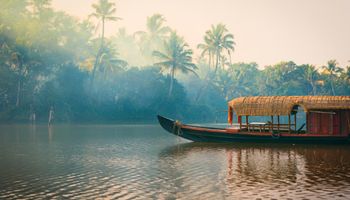
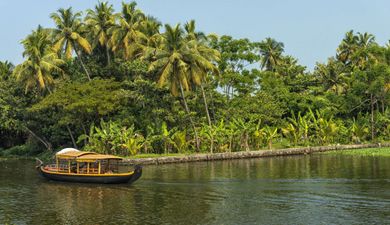
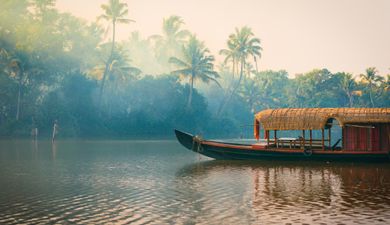
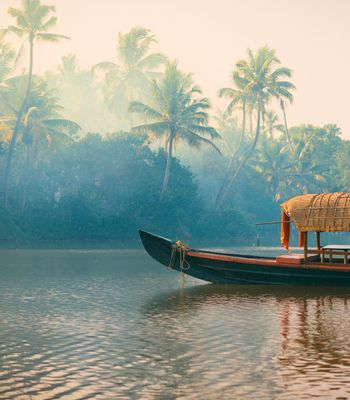
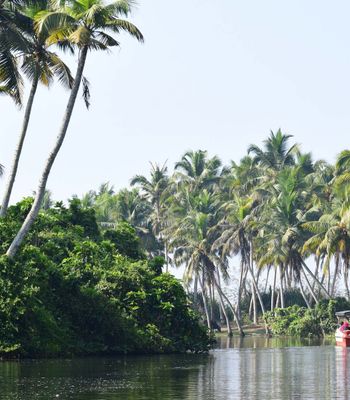
- Poovar Island — a tranquil estuary where jade-green backwaters slip into the open sea, best explored by boat at golden hour
- Sri Padmanabhaswamy Temple — back in Thiruvananthapuram, one of India's most storied landmarks, its towering gopuram bristling with carved deities
A Town with Cosmopolitan Roots
International travelers discovered Kovalam in the 1970s, and traces of that era linger in unexpected places — a dog-eared secondhand bookshop tucked between spice stalls, a café serving strong filter coffee alongside banana pancakes, street vendors spreading out hand-block-printed fabrics in jewel tones. Malayalam is the language you'll hear most, but English flows easily in shops, hotels, and restaurants. The warmth here isn't performative; it's simply how Kerala operates.
When to Go (and What to Expect)
October through February is the sweet spot — cooler, drier days, calm seas perfect for swimming, and sunsets so vivid they look retouched. March through May brings sticky humidity, though early mornings and twilight hours along the water remain lovely.
Monsoon season, from June through September, is a different beast entirely. Dramatic grey skies, waves that slam the rocks with theatrical force, sheets of rain sweeping across the headland. Gorgeous to witness from a sheltered balcony — but not the time for a casual dip.
The Kind of Place That Pulls You Back
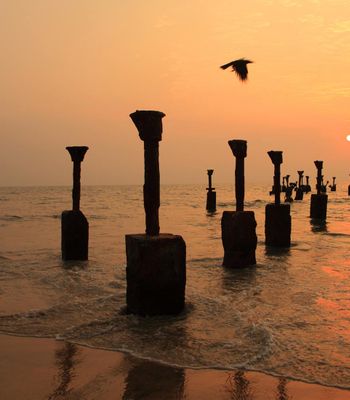
Kovalam has modernized, yes. New guesthouses have risen, menus have expanded, and Wi-Fi signals now reach the beach. But it hasn't lost the thing that matters most — a simplicity that larger resorts pave over in their rush to impress. On your last evening, find a spot on Lighthouse Beach as the sun begins its descent. Feel the warm sand shift beneath you. Breathe in salt air tinged with coconut smoke from a nearby kitchen. Watch the sky turn from gold to copper to deep violet over the Arabian Sea.
That moment — unhurried, unfiltered, entirely real — is why travelers keep coming back to this corner of Kerala, year after year.