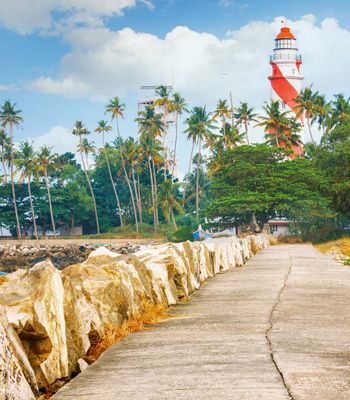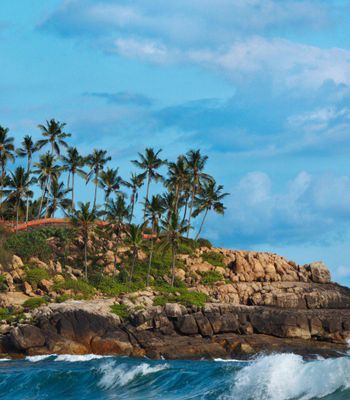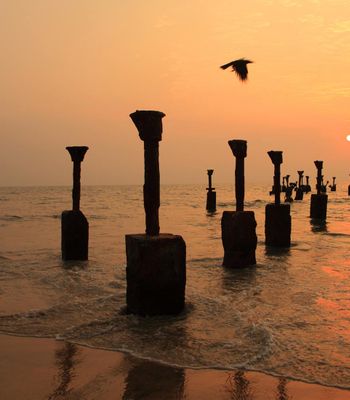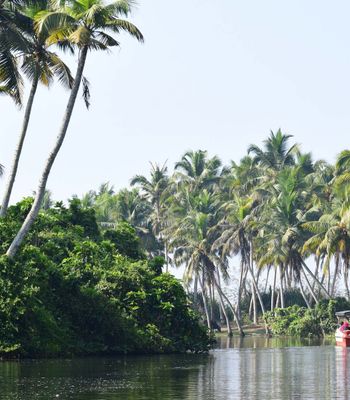
The first thing that strikes you about Kottayam isn't what you see — it's what you hear. The rhythmic splash of a boatman's oar cutting through glassy backwaters, the distant chime of church bells drifting over rubber plantations, the rustle of banana leaves in a breeze carrying the warm, earthy scent of rain-soaked laterite. This is central Kerala distilled to its essence — a district where water, faith, and the written word have shaped a culture unlike anywhere else in India.
Stretching from the shimmering expanse of Vembanad Lake in the west to the mist-wrapped ridges of the Western Ghats in the east, Kottayam packs a staggering range of landscapes into a remarkably compact space. One hour you're drifting through silent canals fringed with coconut palms; the next, you're winding uphill through fragrant spice gardens. Few places in southern India deliver such dramatic contrasts with so little distance between them.
Where Books Outnumber Billboards
Here's a fact that says everything about this town's soul: Kottayam was the first place in all of India to achieve 100% literacy. Stroll through the bustling center and you'll feel it — bookshops spilling paperbacks onto sidewalk tables, newspaper offices humming with activity, reading rooms where locals argue passionately over editorials.
Malayalam literature runs deep in these streets. Many of Kerala's most celebrated writers were born here or drew their inspiration from its landscapes, and that intellectual energy still crackles in the air. If you're the kind of traveler who craves understanding a place beyond its postcard views, Kottayam's nickname — the land of letters, latex, and lakes — is an invitation you won't want to decline.
Backwaters That Slow Time to a Standstill
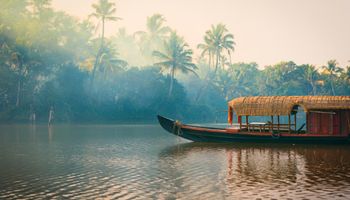
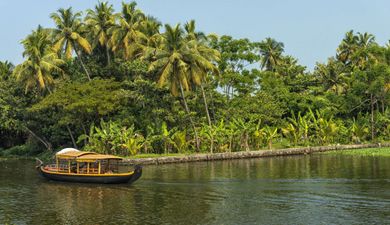
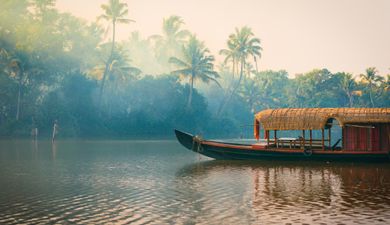
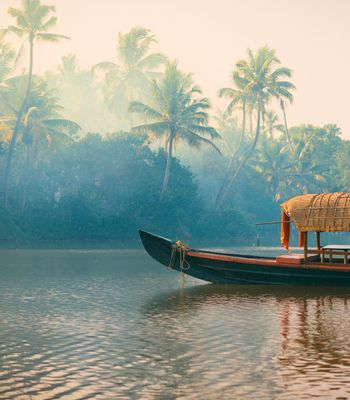
West of town, the Kerala backwaters unravel into a labyrinth of canals, lagoons, and emerald rice paddies that seem to glow under the equatorial sun. Vembanad Lake — one of the longest freshwater lakes in India — forms Kottayam's western border, and a houseboat cruise here is less a tourist activity and more a meditation.
Drift past villages where women wash clothes at the water's edge and children wave from wooden jetties. Watch a flash of electric blue as a kingfisher plunges beneath the surface, barely disturbing the glass-still water. Local fishermen cast circular nets with a practiced grace that hasn't changed in generations.
Everything moves at a pace your body will thank you for — slow, unhurried, and impossibly peaceful.
Where the Hills Smell Like Cardamom
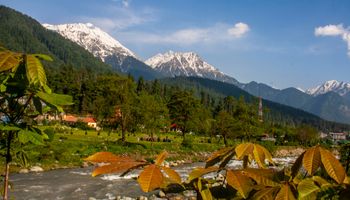
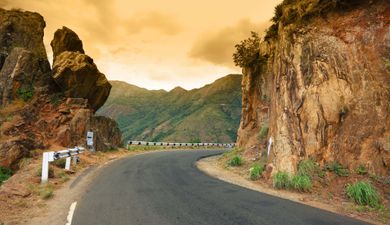
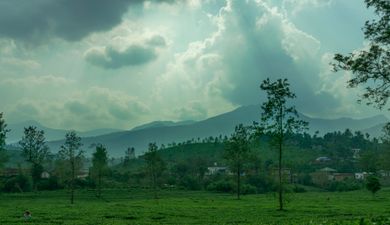
Turn eastward and the world tilts upward. Rolling hills cloaked in rubber, tea, and spice plantations climb steadily toward the Western Ghats, and the air thickens with the peppery sweetness of cardamom and black pepper growing wild along the roadside.
The hill stations of Vagamon and Peermade — both easily accessible from Kottayam — reward you with misty peaks, open meadows soft enough to nap on, and temperatures cool enough to make you reach for a sweater. Hike through these elevated landscapes and you'll understand why this region produces some of India's finest spices.
On the drive up, keep your eyes on the roadside. Kottayam is one of India's largest producers of natural rubber, and the symmetrical rows of tapped rubber trees — their trunks scarred with diagonal cuts, small cups collecting milky white latex — create a hypnotic visual rhythm that stretches for miles.
Centuries of Faith, Side by Side
A 16th-century church stands minutes from one of India's oldest mosques. A Hindu temple with sweeping Kerala-style rooflines rises just down the road from a sanctuary inscribed with ancient Persian crosses. Nowhere is Kottayam's layered history more visible than in its places of worship:
- St. Mary's Church at Cheriya Pally — Step inside to find Persian crosses and ancient inscriptions that trace Christianity in Kerala back centuries
- Valia Pally (Big Church) — Built in the 16th century, its intricate altar paintings glow with faded gold and deep reds
- Thirunakkara Mahadeva Temple — A significant Hindu shrine showcasing traditional Kerala architecture at its most elegant
- Thazhathangady Juma Masjid — One of the oldest mosques in India, radiating quiet grandeur
Walking between these sacred spaces, you sense something rare — a community where multiple faiths don't just coexist but genuinely interweave. Visitors often describe the experience as unexpectedly moving.
When the Monsoon Turns Everything Electric
June through September transforms Kottayam into a place almost hallucinatory in its greenness. Rain hammers the red-earth roads, the backwaters swell with renewed force, and every leaf, vine, and moss-covered wall seems to vibrate with color.
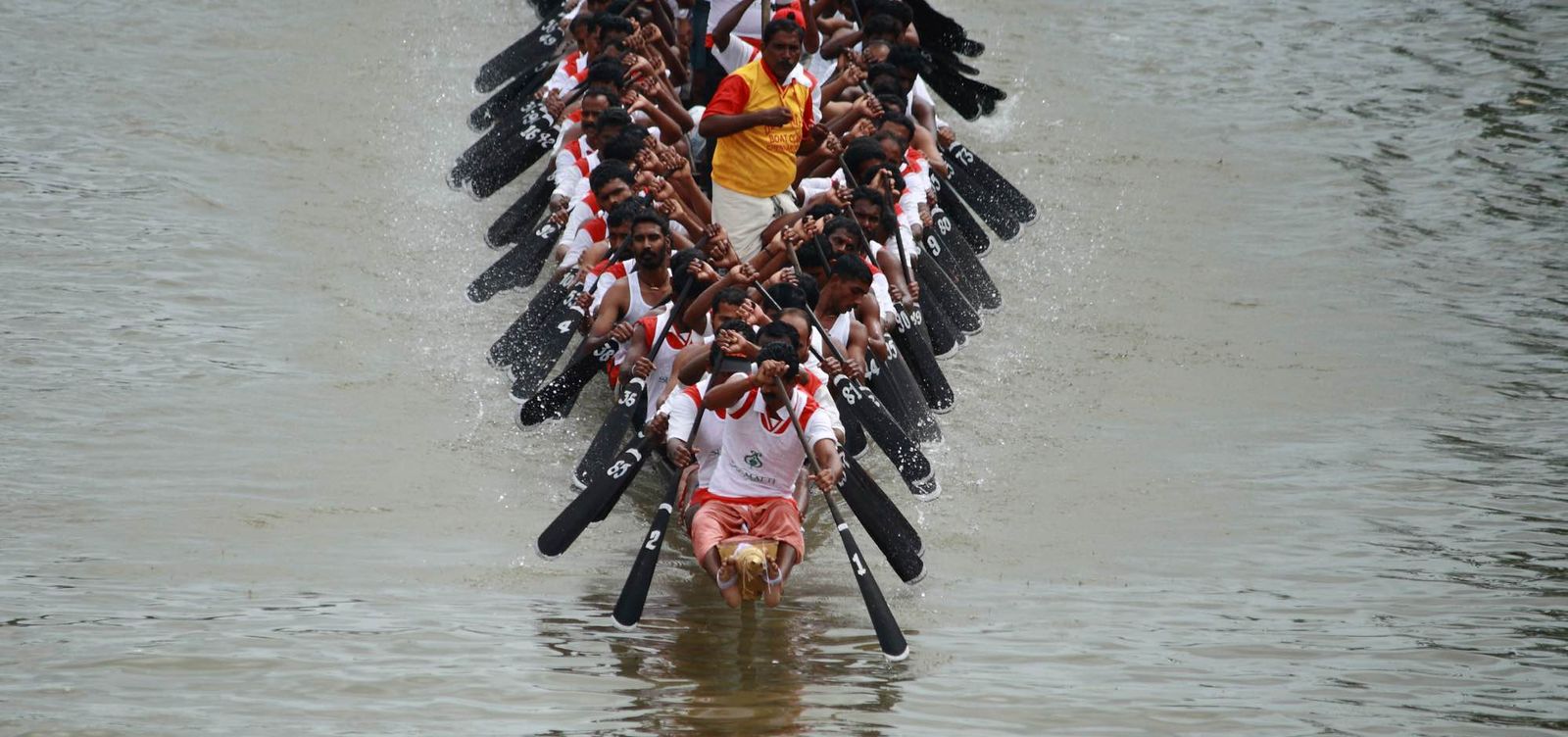
August and September bring the legendary Nehru Trophy Boat Race on nearby Punnamada Lake — a spectacle that has to be witnessed to be believed. Massive snake boats, each manned by over a hundred rowers chanting in thunderous unison, slice through the churning water as thousands of spectators roar from the banks. Even if your trip doesn't align with race day, locals will tell you about it with such pride and animation that you'll feel the spray on your face.
Banana Leaf Feasts and Toddy Shop Treasures
Forget dainty portions. Kottayam eats boldly. The cuisine here leans on fresh fish pulled from those very backwaters, starchy tapioca, coconut in every conceivable form, and rice that's been cultivated in the surrounding paddies for generations.
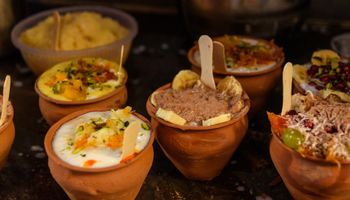
Sit down to a traditional Kerala sadya — an elaborate vegetarian feast spread across a glossy banana leaf — and count the dishes as they appear: tangy sambar, creamy avial, fiery pickles, cool buttermilk, sweet payasam. Your fingers will do the work; a spoon would feel almost disrespectful.
For something rawer and more local, seek out the toddy shops on the outskirts of town. These no-frills roadside spots serve karimeen fry — pearl spot fish crisped in a red masala — alongside rich duck roast simmered in coconut and roasted spices. Pair it with a glass of fresh toddy, the mildly sweet, slightly fizzy sap tapped from coconut palms, and you've got a meal that captures Kottayam's bold, spice-forward soul.
Getting There Without the Hassle
Kottayam sits on Kerala's main southern railway line, making train travel from cities across the south seamless and scenic. By road, Kochi is roughly 80 kilometers to the northwest — about a two-hour drive through palm-lined highways. International travelers will fly into Cochin International Airport, the nearest major gateway, with easy onward connections by taxi or bus.
No matter which direction you arrive from, Kottayam greets you the same way — with green horizons, the faint perfume of spice-laden air, and the unmistakable feeling that you've stumbled into a Kerala most travelers never find. Every road here leads somewhere worth lingering, and every turn reveals a different face of this extraordinary state.