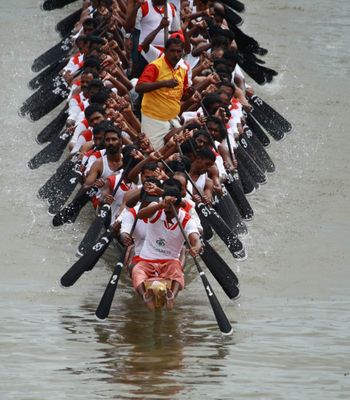
The first thing you notice in Kollam isn't a sight — it's the sound. A low, rhythmic splash of oars cutting through still water, somewhere beyond the coconut palms, where Ashtamudi Lake stretches its eight arms into the green heart of Kerala. Formerly known as Quilon, this coastal city in southern Kerala has been drawing the world to its shores for centuries. Chinese merchants, Arabian traders, Portuguese colonizers — they all came here, and echoes of their presence still ripple through the streets, temples, and waterways. Yet Kollam has never learned to perform for tourists. It simply lives, breathes, and invites you in.
A World That Floats: Kollam's Legendary Backwaters
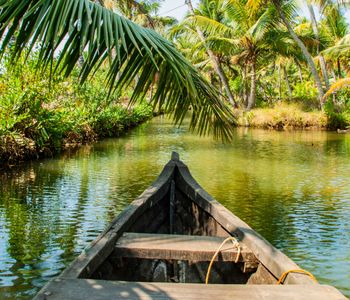
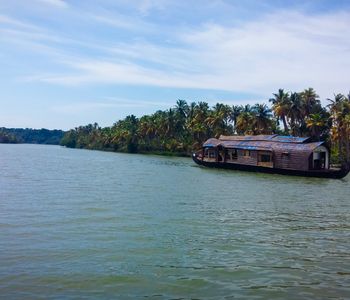
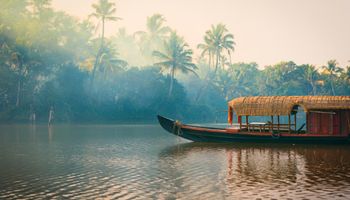
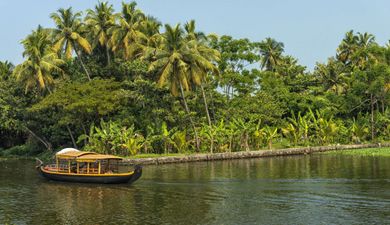
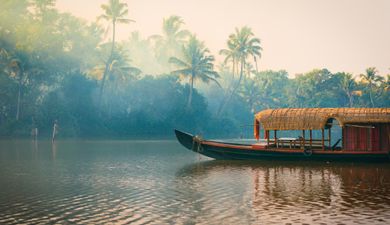
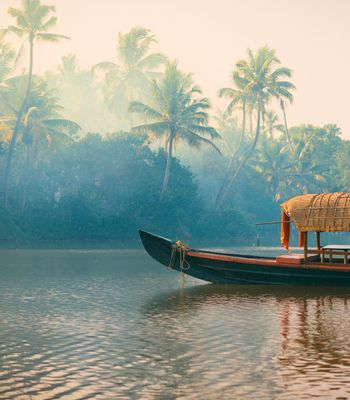
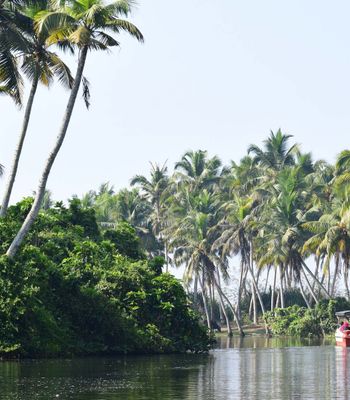
Ashtamudi Lake is no ordinary body of water. One of the largest and most breathtaking lakes in Kerala, its eight sprawling arms carve deep into the surrounding land, creating a labyrinth of palm-fringed channels where time moves at the pace of a drifting houseboat.
Glide past tiny villages where coir workers twist coconut fiber into rope with sun-darkened hands. Watch Chinese fishing nets dip and rise like giant mechanical birds feeding at the water's edge. The famed Kollam-to-Alleppey backwater cruise — a leisurely eight-hour journey through narrow canals and wide-open lagoons — remains one of Kerala's most unforgettable experiences.
Along the way, fishermen cast their nets into copper-colored dawn light, women beat clothes against stone steps at the water's edge, and children race barefoot across wooden bridges, waving and shouting at every passing boat. This isn't a curated tour. It's daily life unfolding from a front-row seat on the water.
Shorelines Without the Crowds
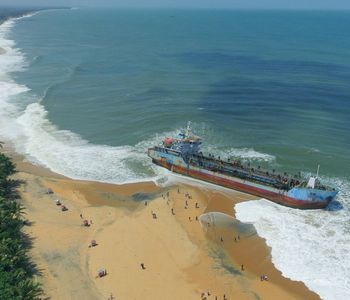
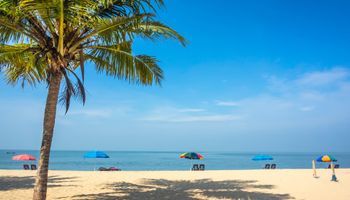
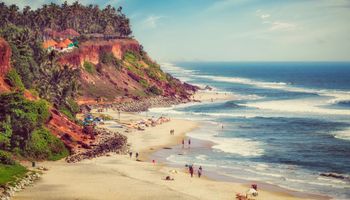
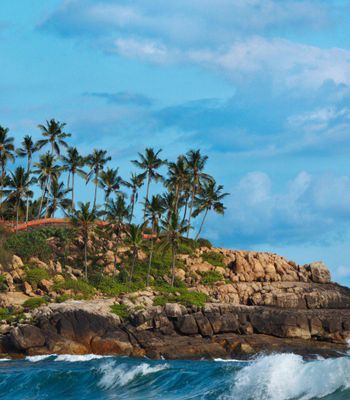
Just a short drive from the city center, Thirumullavaram Beach greets you with something rare along India's coastline: quiet. Gentle green hills frame a calm stretch of sand where the only soundtrack is the rhythmic hush of waves and the occasional call of a sea eagle overhead.
Spread a towel, crack open a coconut, and let the afternoon dissolve. Unlike Kerala's busier beaches, Thirumullavaram gives you room to simply exist.
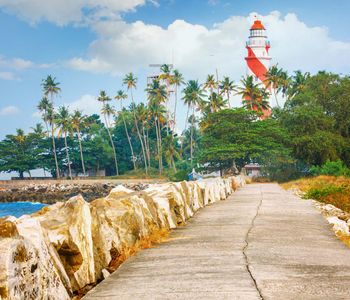
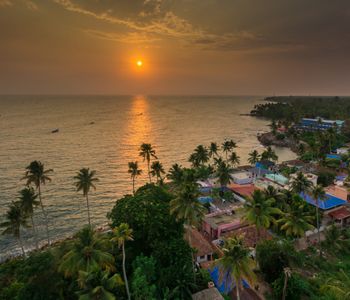
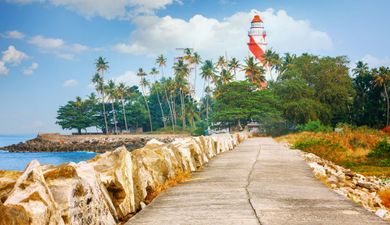
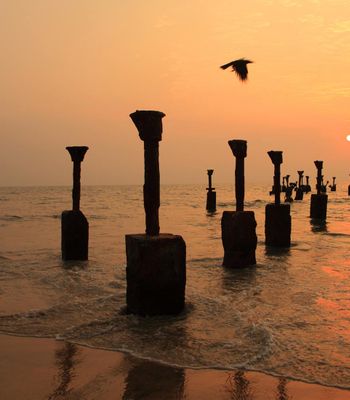
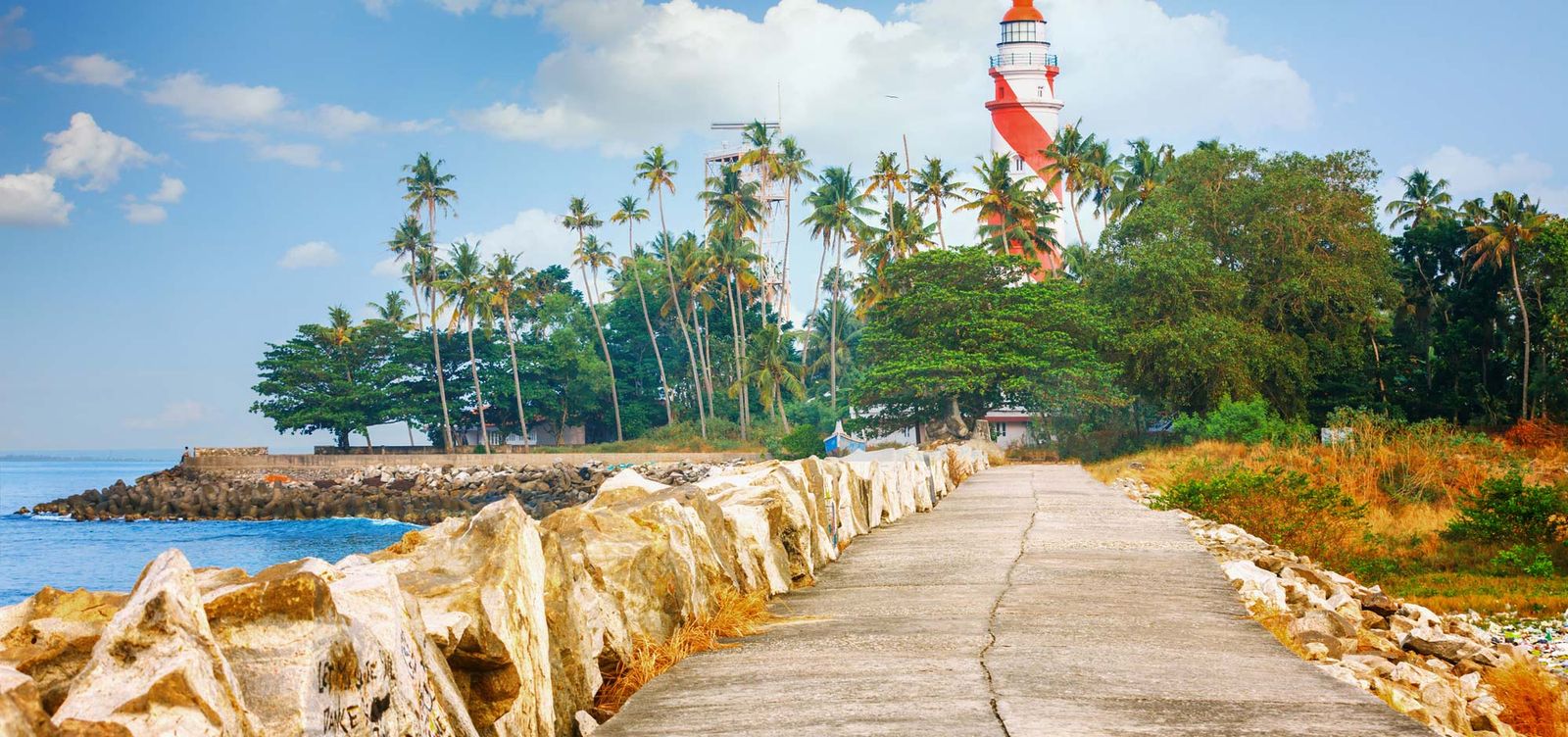
For something livelier, head to Kollam Beach as the sun dips low. An old lighthouse stands sentinel over a bustling promenade where families share plates of fried banana chips, couples stroll arm-in-arm, and the salty breeze carries laughter across the sand.
Streets That Smell Like History (and Roasted Cashews)
Wander into the heart of Kollam and you'll walk through centuries without realizing it. Colonial-era facades with peeling shutters lean against traditional Kerala homes crowned with sloped terracotta roofs. The transition feels seamless, as if the city never bothered drawing lines between its eras.
Then the bazaars pull you in. These aren't polished market halls — they're gloriously unpretentious tangles of stalls selling glistening fresh seafood, pyramids of cardamom and turmeric, handloom textiles in deep indigos and whites, and everywhere, everywhere, cashews. Kollam is one of the world's largest cashew trading and processing centers, and the warm, buttery aroma of freshly roasted nuts follows you down every lane like a friendly ghost.
Don't leave without buying a bag — or three. Sampling locally processed cashews here isn't a suggestion; it's practically a civic duty.
Temples, Churches, and Festivals That Shake the Ground
Few cities this size contain such spiritual range. The ancient Anandavalleswaram Temple hums with oil-lamp devotion, while the Kollam Sree Krishna Swamy Temple draws steady streams of the faithful year-round. Around the corner, Portuguese-era churches stand in quiet dignity, and centuries-old mosques murmur with prayer — a living mosaic of belief woven into a single city.
Should your visit coincide with the annual Kollam Pooram festival, brace yourself. Caparisoned elephants draped in gold and silk sway through the streets, massive percussion ensembles build to a thundering crescendo that vibrates in your chest, and firework displays crack the night sky open like a broken kaleidoscope. Sleep is not on the agenda.
Beyond the City: Day Trips That Steal the Show
Kollam's surroundings deserve their own itinerary. Lace up your shoes and venture out to:
- Palaruvi Waterfalls — A breathtaking 300-foot cascade thundering through dense forest, its mist cool against your skin even from a distance
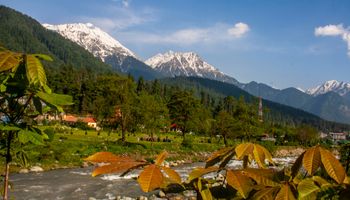
- Thenmala — India's first planned ecotourism destination, where suspension bridges, butterfly gardens, and mountain trails await
- Jatayu Earth's Centre — Home to the world's largest bird sculpture, a colossal hawk perched dramatically atop a rocky hilltop
- Munroe Island — A hushed, dreamy cluster of tiny islands formed by Ashtamudi Lake and the Kallada River, reachable only by boat and blissfully untouched
Each excursion reveals a different face of the region — rolling hills thick with wildlife, mist-wrapped forests, and island villages where the loudest sound is a kingfisher diving for its lunch.
When to Go (and What to Expect)
Kerala's tropical climate keeps Kollam warm year-round, but the sweet spot falls between October and March. Humidity loosens its grip, rain becomes a rarity, and the backwaters settle into perfect navigability.
Brave the monsoon months of June through September and you'll be rewarded with a different kind of beauty — an almost impossibly green landscape drenched in rain, every leaf electric with color. Just pack a good waterproof jacket, because the downpours are no joke and outdoor plans may need to flex.
Eat Like a Local, Remember It Forever
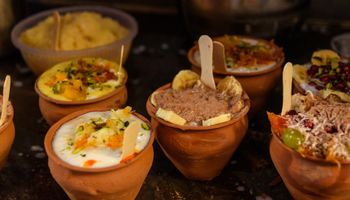
A plate of pearl-spot fish simmered in creamy coconut gravy. Tiger prawns tossed in tangy tamarind sauce. Crab roasted with a fragrant blend of black pepper, fennel, and curry leaves that makes your eyes close involuntarily with the first bite. Kollam's seafood arrives straight from the morning catch, and the simplest waterfront eateries often serve the most extraordinary meals.
Skip the urge to seek out something fancy. Pull up a plastic chair at a tiny joint along the lake, order whatever the owner recommends, and prepare to have your expectations quietly demolished.
A Place That Stays With You
Kollam doesn't shout for your attention. It doesn't need to. This is a city where history, nature, and unhurried daily life converge along the water's edge, offering something increasingly rare in modern travel — authenticity without performance.
Come for the legendary backwater cruise and find yourself lingering for the culture. Arrive for the beaches and leave with a suitcase heavy with roasted cashews and the memory of a sunset over Ashtamudi Lake that no photograph could ever do justice. Kollam doesn't just welcome visitors — it quietly, permanently, claims a corner of your heart.