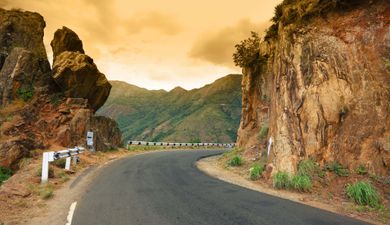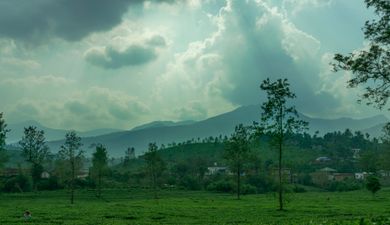
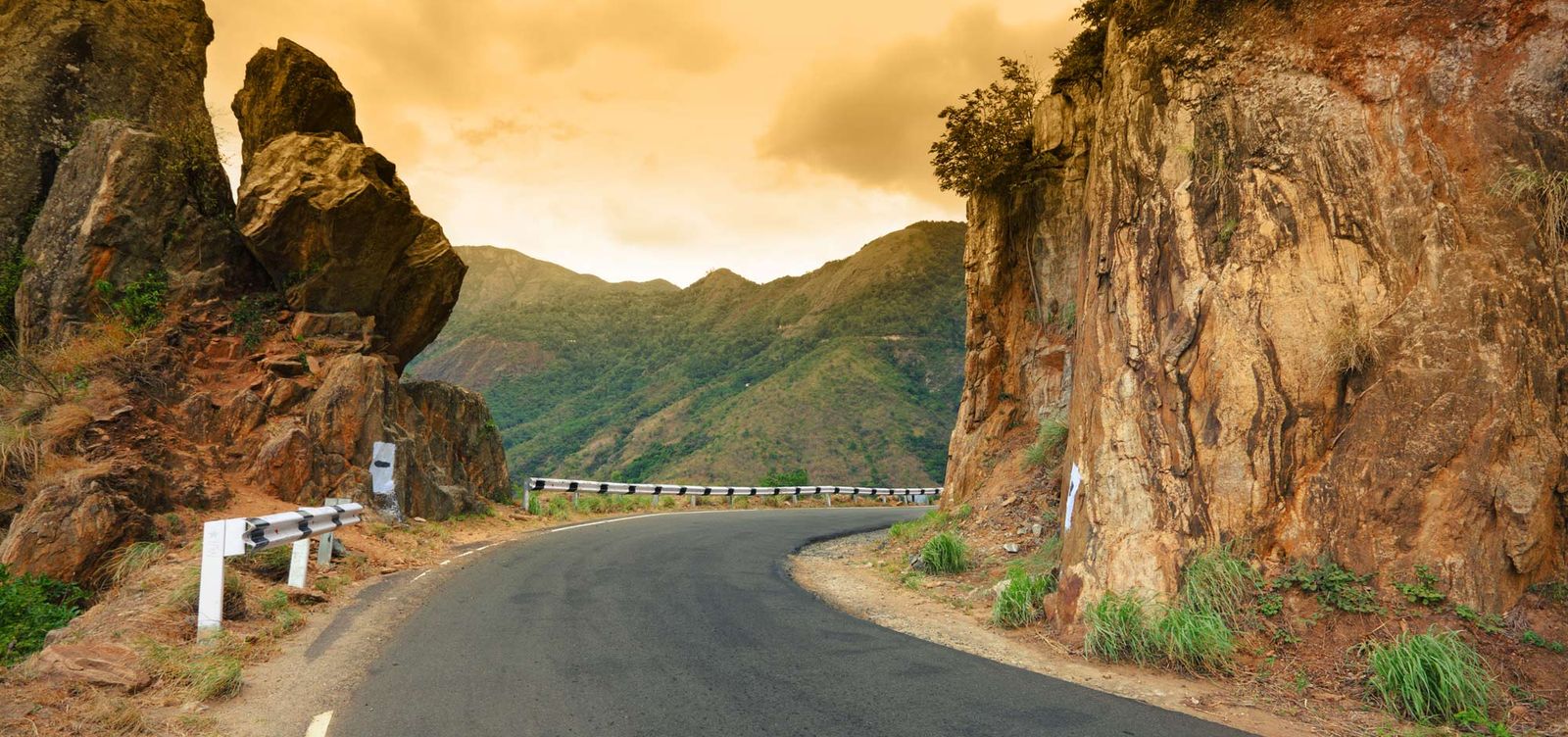
Rounding a hairpin bend, your ears pop gently from the altitude — and suddenly, the world falls away into an ocean of emerald. Row after meticulous row of tea bushes cascade down impossibly steep hillsides, dissolving into wisps of cloud that drift through the valleys like slow-moving rivers. This is Munnar, and the first time you see it, you'll forget you're still in tropical India.
Perched between 5,000 and 6,000 feet in Kerala's Western Ghats, this former British hill station trades the state's sultry, palm-fringed coastline for cool mountain breezes and mornings wrapped in mist. That temperature difference hits you the moment you step out of the car — a delicious shock after the lowland heat, the kind that makes you reach for a light jacket and a hot cup of tea.
A Legacy Steeped in Tea
Munnar owes its soul to the tea leaf. British planters arrived in the late 1800s, took one look at the elevation, the generous rainfall, and the clouds clinging to these slopes like cotton, and knew they'd struck green gold. They carved plantations into every available hillside, and those same estates still define the landscape today.
Follow the narrow dirt paths that wind between the bushes and you'll pass women in bright saris moving through the rows with astonishing speed, their fingers plucking only the youngest, tenderest leaves. The air smells clean, faintly vegetal, tinged with damp earth. When the mist rolls in and erases the horizon, the green feels infinite — like you could wander into it and never find your way back.
Where the Wild Things Roam
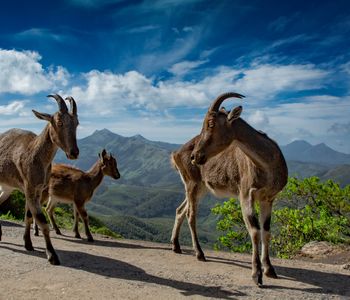
Tear yourself away from the tea gardens and Munnar reveals a wilder side. Eravikulam National Park sprawls across the high grasslands just outside town, sheltering one of India's rarest creatures: the Nilgiri tahr, a stocky, sure-footed mountain goat found nowhere else on Earth but these Western Ghat peaks. They're surprisingly unafraid of humans, so keep your camera ready.
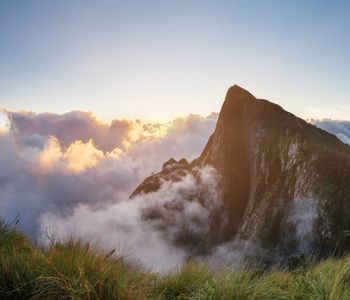
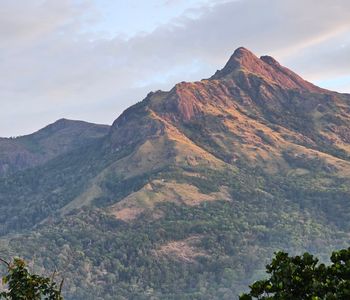
Then there's the magic that happens once every twelve years. The park's rolling grasslands erupt in a violet-blue blaze of Neelakurinji flowers — an event so rare and so breathtaking that people plan trips years in advance just to witness it. Looming behind it all is Anamudi Peak, South India's highest point, its broad shoulders visible from miles away, daring trekkers to come closer.
Thundering Falls and Still Waters
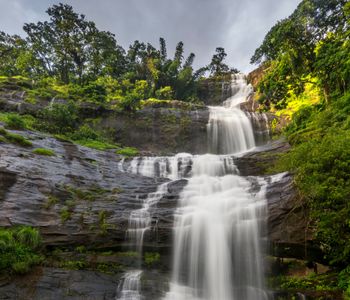
After the monsoon, Munnar's hills roar with waterfalls. Attukal and Lakkam are the most popular — thundering curtains of white water crashing over mossy rock, the spray cool on your face even from a distance. Visit between June and September and you'll see them at their most dramatic, swollen with weeks of relentless rain.
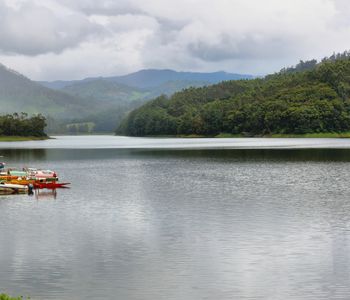
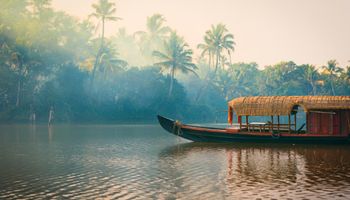
Craving something quieter? Head to Mattupetty Dam. Hire a small boat and glide across the reservoir while forested hills rise steeply on either side, their reflections shimmering on the glassy surface. Cattle graze on the emerald banks — it's the kind of postcard-perfect stillness that makes you want to put your phone away and just breathe.
Spice-Scented Detours
Life slows down outside Munnar's compact (and admittedly congested) town center. Drive just a few minutes in any direction and the world opens into rolling hillsides, small villages, and spice gardens that will rewire your senses. Cardamom pods hang heavy on their stalks. Peppercorns cluster along climbing vines. Cinnamon bark peels away in fragrant curls.
Book a guided plantation walk and crush a fresh cardamom pod between your fingers — the scent that bursts out is so intensely aromatic, so alive, that every cardamom you've ever bought in a plastic packet will feel like a pale imitation. The locals who tend these gardens are warm and unhurried, happy to share a story or point out something you'd never have noticed on your own.
For the Restless and the Curious
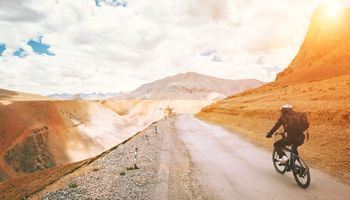
Munnar keeps active travelers just as happy as those who came to slow down. Lace up your boots and trek through high-altitude grasslands and ancient shola forests, where sunlight filters through the canopy in golden shafts. Grab a mountain bike and fly down plantation trails with the wind in your face and tea bushes blurring green on either side.
- Trek through grasslands and shola forests — trails range from gentle morning walks to full-day adventures with serious elevation gain.
- Mountain bike along plantation trails — the rolling terrain and cooler air make this some of the best cycling in all of Kerala.
- Explore the Tea Museum — see century-old processing machinery, learn the journey from leaf to cup, and sample different grades of Munnar tea.
- Visit Echo Point and Top Station — shout into the valley and hear your voice bounce back, then soak in panoramic views that stretch into Tamil Nadu on a clear day.
When to Go (and Why the Monsoon Deserves a Second Look)
September through May is the classic window, with October to February offering the coolest temperatures and the clearest skies — perfect for trekking and those jaw-dropping sunrise views. But don't write off the monsoon months of June through August entirely.
Yes, the rain is heavy. Yes, some roads get tricky. But this is when Munnar turns almost supernaturally green, when clouds tumble through your hotel window and waterfalls thunder at full force. Photographers, writers, and anyone who finds beauty in moody landscapes will discover the monsoon transforms this place into something close to a dream.
Rest Your Head, Fill Your Plate
Accommodation fits every budget — from cheerful little guesthouses with creaky wooden floors to boutique resorts cantilevered into the hillside, where you wake up to valleys unfurling beneath your balcony like a living painting. Wherever you stay, make sure you have a view. In Munnar, the view is half the experience.
Kerala's legendary cuisine follows you up the mountain. Tear into soft, lacy appam with a coconut milk stew. Dig into steaming cylinders of puttu paired with spicy kadala curry. Fresh fish preparations, North Indian comfort food, and even a few international options round out the menus. But the meal you'll remember most? A simple cup of locally grown tea — brewed strong, sweetened just so — sipped on a misty morning while the hills dissolve and reappear in front of you like a slow magic trick.
A Hill Station That Stays With You
Whether you come for the trekking, the tea, the rare wildlife, or simply the thrill of breathing cool mountain air in the heart of tropical India, Munnar has a way of etching itself into your memory. It's the green that does it — that impossible, endless, luminous green — and the silence between the birdsong, and the mist that makes everything feel a little more mysterious than it has any right to be.
If Kerala is on your itinerary, don't treat Munnar as a quick detour. Give it time. Let the hills work their quiet spell. You'll carry this place home with you long after the tea in your suitcase runs out.