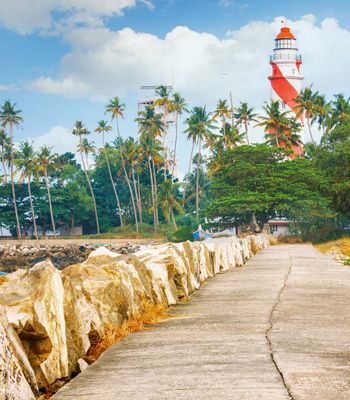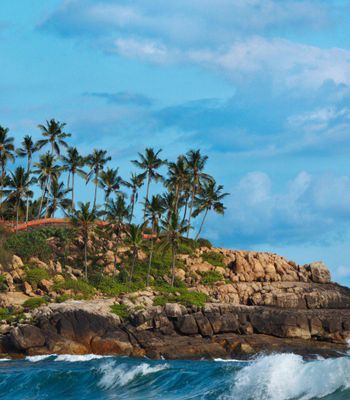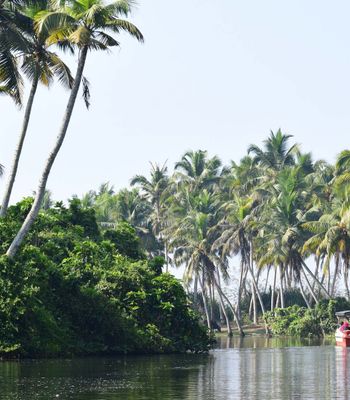
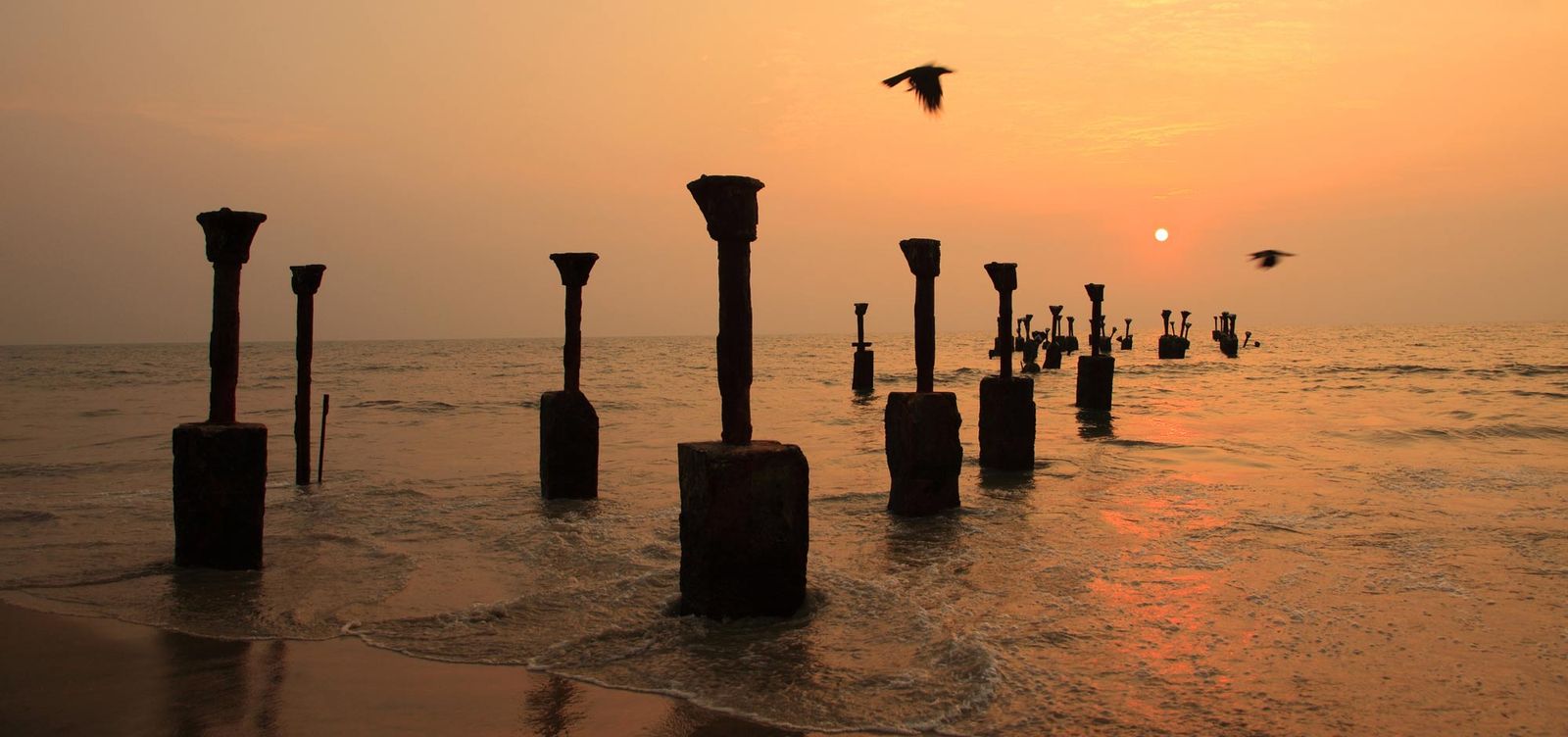
The scent hits you before the city fully reveals itself — a warm, layered perfume of coconut oil sizzling in deep pans, crushed cardamom, and salt air rolling in off the Arabian Sea. Kozhikode doesn't announce itself with grand monuments or glossy tourist brochures. It pulls you in slowly, through flavor, through conversation, through the golden light that spills across its beaches at dusk. This is a city that has been welcoming strangers for over a thousand years, and it hasn't lost its touch.
Where History Landed Ashore
In 1498, Portuguese explorer Vasco da Gama stepped off his ship and onto Indian soil right here — making Kozhikode the hinge point between two worlds. That single arrival cracked open a sea route between Europe and India, and the reverberations shaped centuries of global trade. You can still feel it in the bones of the city.
Wander through the older quarters, known locally as Calicut's merchant heart, and the past presses close. Weathered spice warehouses lean against narrow lanes. Ornate mosque facades catch the afternoon sun. Merchant homes with carved wooden balconies hint at fortunes made in pepper and cinnamon. Every corner whispers of commerce, ambition, and the restless mingling of Arab, Chinese, and European cultures that gave this port city its singular character.
Two Shorelines, Two Moods
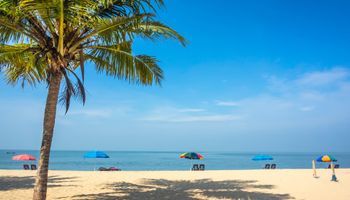
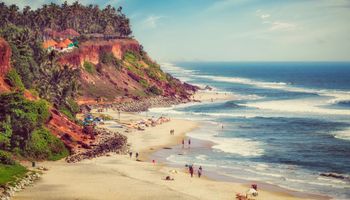
Kozhikode Beach comes alive as the sun dips low. Families spread out on the sand, joggers trace the waterline, and street vendors wheel their carts into position — the sharp tang of chaat masala mixing with the briny ocean breeze. It's not a postcard-perfect beach; it's better than that. It's a living, breathing gathering place where the city exhales after a long day.
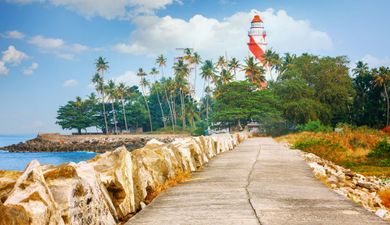
Craving solitude? Drive sixteen kilometers north to Kappad Beach, the very stretch of sand where Vasco da Gama reportedly made his historic landing. A modest stone monument marks the spot, almost easy to miss. The beach itself is quieter, wider, and washed in a sense of deep time — waves folding over the same shore that changed the course of history. Kick off your shoes and let that sink in.
Into the Green Wild
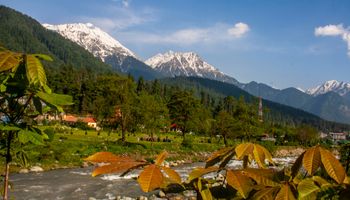
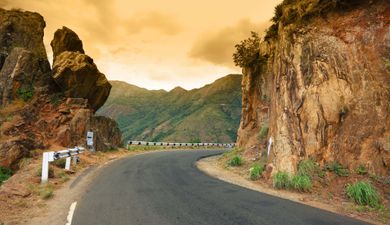
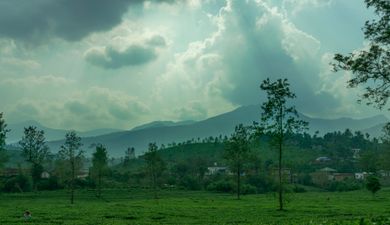
Head east and the landscape transforms with startling speed. Flat coastal roads give way to climbing hills, and suddenly you're surrounded by the Western Ghats — a wall of dense tropical forest draped in mist and birdsong. Kozhikode sits at the perfect crossroads between sea and mountain, and a day trip can take you deep into either world.
At Thusharagiri Waterfalls, a series of cascades crashes through thick canopy, sending cool spray across well-worn trekking paths. The trails suit most fitness levels, and the reward — standing at the base of a roaring falls with nothing but green in every direction — is worth every bead of sweat. Birders and wildlife lovers should carve out time for the Malabar Wildlife Sanctuary, where rare species flit through lush vegetation unique to this stretch of the Ghats.
Kerala's Undisputed Food Capital
Ask any Keralite where to eat best in their state, and Kozhikode's name will surface before you finish the question. This city doesn't just cook — it obsesses. Food here is identity, conversation starter, and love language rolled into one.
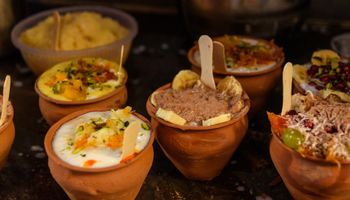
Start with the Malabar biryani. Forget the heavy, oil-laden versions you may have tried elsewhere — Kozhikode's rendition uses kaima, a fragrant short-grain rice that absorbs spice without turning to mush, layered with meat so tender it barely holds together. Pair it with a sharp, tangy raita and you'll understand why locals debate their favorite biryani spot with the intensity of a political argument.
Then there are the banana chips — impossibly thin, fried to a shatter in pure coconut oil, dusted with just enough salt. Flaky Malabar parotta torn by hand and dragged through a fiery seafood curry. Prawns roasted in coconut paste. Each meal here feels like a dare: try to leave the table anything less than completely, blissfully full.
SM Street: Where the City Shops, Snacks, and Haggles
Locals call it Mittai Theruvu — Sweet Meat Street — and the name barely scratches the surface. This narrow, shoulder-to-shoulder commercial road is one of Kozhikode's oldest marketplaces, and stepping into it feels like diving into a current. Bodies move, voices rise, and the air carries a dozen competing aromas at once.
Browse the stalls and you'll find treasures stacked floor to ceiling:
- Heaping baskets of cardamom, black pepper, and cinnamon bark still rough from the tree
- Handloom textiles in deep Kerala whites and golds
- Slabs of dense, glistening halwa sliced to order — its rosewater sweetness impossible to resist
- Polished brass and copperware that catches the light like small suns
Come hungry, leave heavy-handed with bags, and don't bother resisting the halwa vendor who offers you a free taste. That first bite is how they get you — and they're right to.
A Quietly Fierce Cultural Soul
Kozhikode reveals its artistic side not in a single museum visit, but in layers. The city has produced some of Kerala's most celebrated writers, poets, and filmmakers — a literary tradition that runs as deep as its culinary one.
Mananchira Square, a beautifully kept public space in the city's center, serves as a communal living room. On any given evening, you might stumble upon a Kathakali performance, a poetry reading, or simply clusters of friends debating over tea. Nearby, the ancient Thali Temple and the striking Mishkal Mosque stand within walking distance of each other — quiet, powerful testaments to centuries of religious coexistence in a city that has always made room at the table.
When to Go (And Why the Rain Has Its Own Magic)
October through March delivers the most comfortable weather — the monsoon has retreated, the air carries a gentle coolness, and the skies stay cooperative for beach evenings and day hikes. These are the months most travelers choose, and for good reason.
But here's a secret the guidebooks underplay: monsoon-season Kozhikode is extraordinary. The entire landscape erupts in impossible shades of green. The Arabian Sea turns moody and theatrical, crashing against the shore with an energy that makes you want to stand and stare. Rain drums on terra-cotta rooftops, chai stalls fill with lingering customers, and the city turns inward in a way that feels almost meditative. If you don't mind getting wet, the monsoon rewards you with a Kozhikode few outsiders ever see.
The Kind of Place That Stays With You
No luxury resorts compete for your wallet here. No theme parks or velvet-rope attractions line up for your attention. Kozhikode earns your affection the old-fashioned way — through the crack of a papadum breaking between your fingers, the muezzin's call drifting over rooftops at twilight, the easy smile of a shopkeeper who insists you try one more piece of halwa before you go.
For travelers hungry for a Kerala beyond the well-worn backwater circuits, this city is a revelation. It doesn't perform for visitors. It simply lives — richly, deliciously, authentically — and invites you to live alongside it, even if just for a few days. That invitation, once accepted, lingers far longer than you'd expect.