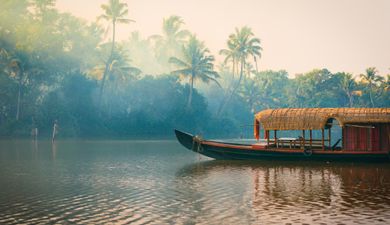
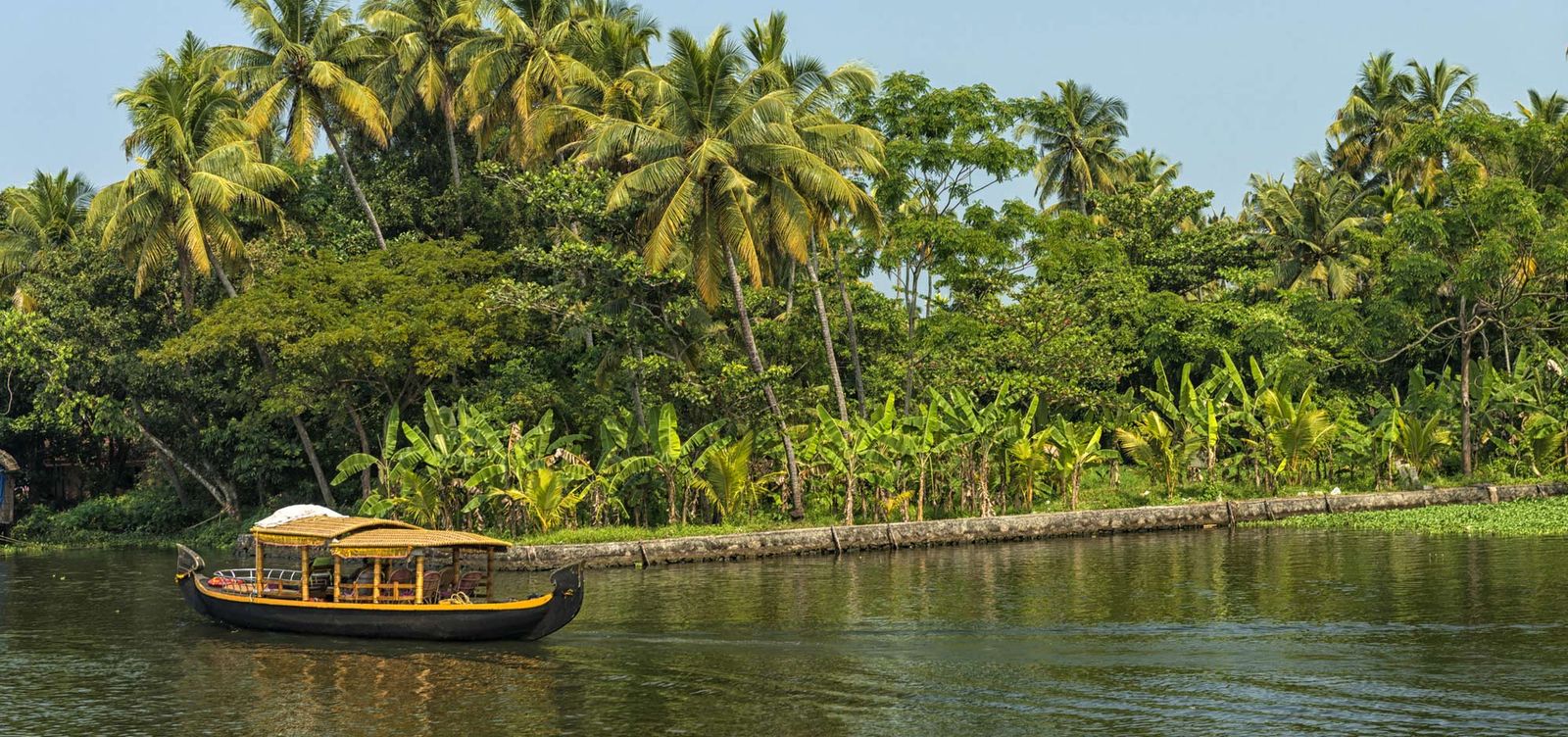
The gentle lap of water against weathered wood. A wisp of coconut oil and cardamom curling from a kitchen just out of sight. Palm fronds filtering the first gold light of morning into shimmering coins on the canal below. This is Alappuzha — a town that doesn't just sit beside the water but breathes with it, every tide and ripple woven into the rhythm of daily life. If Kerala is "God's Own Country," then Alappuzha is the place where that claim feels most undeniably, achingly true.
A Town Built on Water
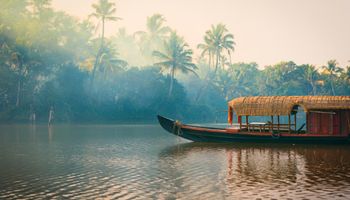
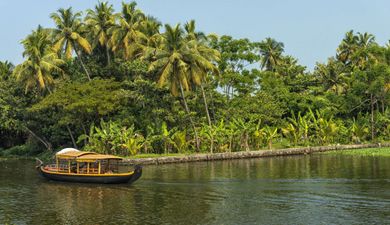
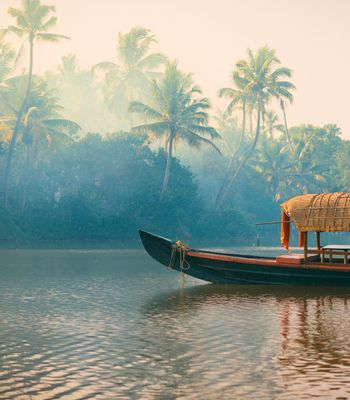
Formerly known as Alleppey, this small coastal gem on Kerala's southwestern shore has been a trading hub for centuries. Its labyrinth of canals once ferried spices, coir, and rice from the lush interior to waiting ships on the Arabian Sea. Today, those same waterways carry a different kind of cargo — wide-eyed travelers drifting through on traditional kettuvallams, the beautifully converted rice barges that have become one of India's most iconic travel experiences.
And "drifting" is exactly the right word. As your houseboat slips through narrow canals, coconut palms lean in overhead like curious onlookers. You'll pass villages where women beat laundry against smooth stones at the water's edge, fishermen flick their nets in practiced arcs, and barefoot children sprint along the banks, waving and grinning. The pace here is deliberately, deliciously slow — and that slowness is the whole point.
Pull Yourself Ashore — the Town Rewards the Curious
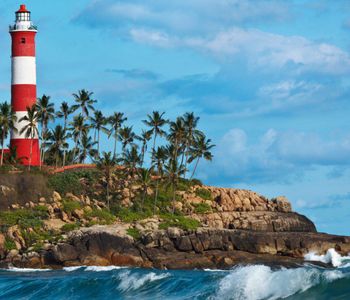
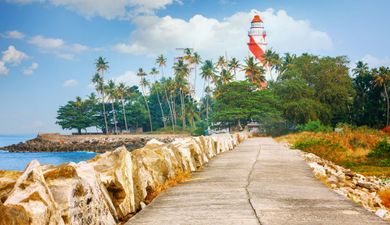
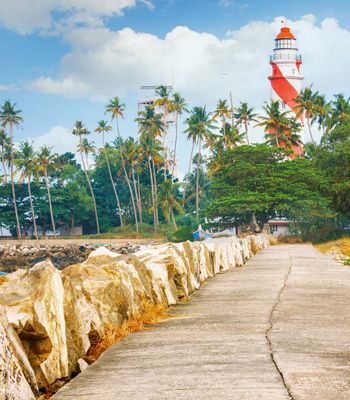
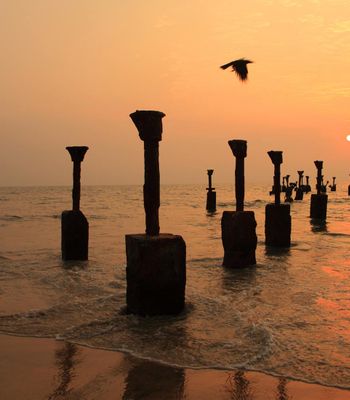
Leave the water behind (just for a bit) and explore Alappuzha on foot. Crumbling colonial-era warehouses hint at its bustling trading past, a historic lighthouse stands watch over the coastline, and a long public pier stretches out into the sea like an invitation to just… stand there and breathe salt air until the tension leaves your shoulders.
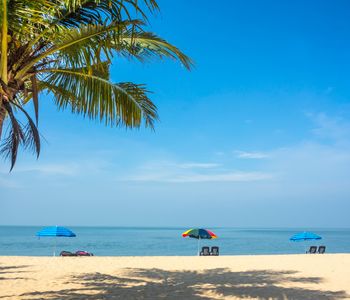
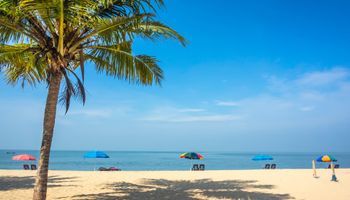
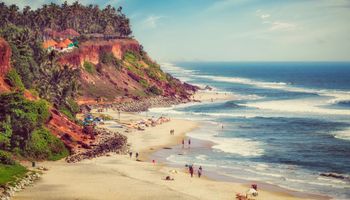
Alappuzha Beach won't compete with Goa's party strips, and that's precisely its charm. Come at dusk, when the sky turns molten orange over the Arabian Sea and the sand cools beneath your bare feet. Street vendors nearby sizzle fresh prawns on hot griddles and stack crispy banana chips into golden towers — grab a paper cone of each and call it dinner.
Where Green Goes to Show Off
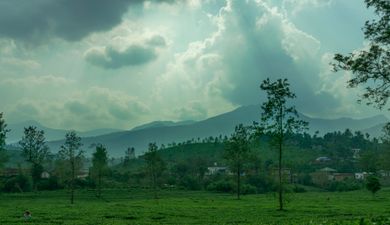
Beyond the town limits, the landscape unfurls into an almost absurd expanse of green — paddy fields rippling in the breeze, banana groves heavy with fruit, tropical vegetation so thick it seems to hum with life. Kerala's famous emerald palette is on full, unapologetic display in every direction you turn.
Brave the monsoon months (June through September) and the rains dial that green up to an intensity that borders on surreal. Fair warning: you'll need flexibility — sudden downpours can rearrange your plans in minutes. But if you don't mind getting soaked to the skin, the monsoon backwaters carry a brooding, dramatic beauty that dry-season visitors never see.
Sacred Spaces and a Pudding Worth the Pilgrimage
Alappuzha's spiritual side reflects Kerala's beautifully layered religious tapestry — temples, churches, and mosques coexist here with an ease that feels genuinely lived-in rather than curated for outsiders.
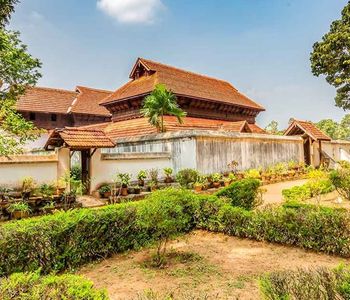
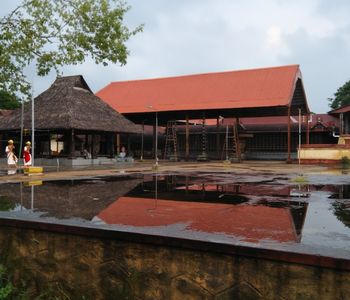
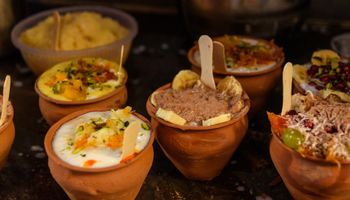
The Ambalapuzha Sri Krishna Temple will stop you in your tracks with its architecture alone. But the real draw? The legendary Palpayasam — a silky-sweet milk pudding offered to devotees daily. One spoonful, warm and fragrant, and you'll understand why people have been making pilgrimages here for centuries. Equally stirring is the Champakulam Church, one of Kerala's oldest, its weathered walls a quiet testament to the region's deep Christian roots.
When the Water Turns Electric: The Nehru Trophy Boat Race
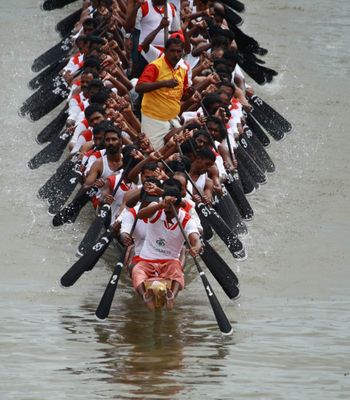
A hundred oars plunge into Punnamada Lake in explosive unison. The crowd roars. Spray catches the sunlight in a thousand tiny prisms. If you can time your visit for August, the annual Nehru Trophy Boat Race is nothing short of breathtaking — enormous snake boats, some carrying over a hundred rowers, slice through the water while thousands of spectators thunder from the banks.
The rhythmic chanting of the oarsmen, the sheer kinetic energy crackling across the lake — this isn't a spectator sport, it's a full-body experience. Tradition and adrenaline fused together in a way that is utterly, unmistakably Keralite.
Adventures for the Restless
- Kayak through village canals — paddle close enough to peek into courtyards and kitchen gardens, where life unfolds at arm's reach
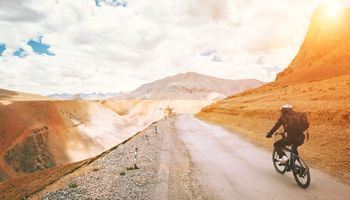
- Cycle the raised pathways between paddy fields and waterways, with nothing but birdsong and the click of your gears for company
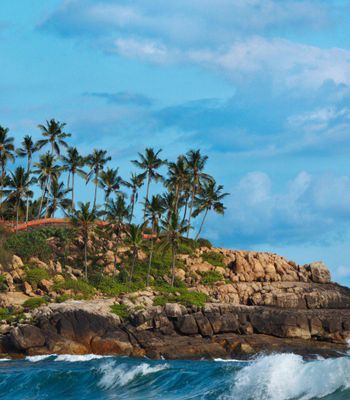
- Escape to Marari Beach — a quieter, palm-fringed stretch of coast where the loudest sound is the surf
- Boat to Pathiramanal island — accessible only by water, this tiny sliver of land is a haven for migratory birds and blissful solitude
When to Go and Where to Sleep
Aim for October through March, when the humidity relents, skies sharpen to blue, and the backwaters gleam in their most photogenic light. This is Kerala at its most welcoming.
Accommodation runs the full spectrum — from luxuriously appointed houseboats where you'll fall asleep to the sound of water lapping just inches below your pillow, to lakeside resorts with infinity pools that seem to spill into the canals, to humble homestays where a local family heaps your plate with fish curry, pillowy appam, and enough freshly grated coconut to feature in every single dish. (You won't complain.)
The Kind of Place That Stays With You
What makes Alappuzha linger in your memory isn't any single moment — it's the contrast. One minute you're watching a heron stand impossibly still in a flooded rice field, the silence so complete you can hear your own heartbeat. The next, you're biting into fiery pepper chicken at a roadside eatery, eyes watering, laughing with the cook who warned you it was spicy.
Quiet waterways and vibrant chaos. Stillness and spectacle. That's Alappuzha's personality — generous, layered, and impossible to forget. Whether you come for a single golden evening on a houseboat or a week-long wander through the backwaters, this town rewards every ounce of curiosity you bring to it.