A single crystal figurine catches the light, and suddenly the room fractures into a thousand tiny rainbows. That's the kind of moment that stops you mid-step at the Revi Karunakaran Memorial Museum — a treasure trove tucked into the heart of Alappuzha, Kerala's beloved "Venice of the East." Behind its heritage walls lie thousands of artifacts gathered over a lifetime by Revi Karunakaran, an industrialist whose obsession with beauty knew no borders. Swarovski crystals glitter beside intricate ivory carvings. Gold-leafed Tanjore paintings hang steps away from delicate Chinese porcelain. The sheer range is staggering, even if you've wandered through world-class museums before. And yet, what makes this place unforgettable isn't just what's on display — it's the feeling of stepping into one man's deeply personal love affair with art and craftsmanship, all wrapped in the warm, wooden elegance of a traditional Kerala home.
The Collector Who Couldn't Stop
Revi Karunakaran built his fortune in coir manufacturing, becoming one of Kerala's most prominent industrialists during the 20th century. But wealth was never the point — it was simply the fuel for his real passion.
He traveled relentlessly, scouring markets, galleries, and auction houses across continents. European crystal, Indian temple art, bronze sculptures from distant trade routes — if something stirred him, he brought it home. Over decades, his private collection grew into something extraordinary.
After his passing, his family made a generous decision: rather than keep these treasures hidden behind closed doors, they opened them to the world. The renovated heritage property became a memorial museum, transforming a personal obsession into a cultural gift. Walk through its rooms today, and you'll feel the spirit of a man who believed beauty belongs to everyone.
Rooms That Dazzle, Surprise, and Whisper History
From the moment you step inside, forget everything you expect from a small-town museum. This is something else entirely. The collections sprawl across themed rooms, each one pulling you deeper into a different corner of the world. Set aside a couple of hours — you'll need them.
A Symphony in Crystal
The Swarovski crystal collection alone is worth the trip. Hundreds of figurines, ornamental pieces, and impossibly detailed crystal objects line illuminated display cases. Under carefully angled lighting, they throw prismatic sparks across the walls — shards of violet, gold, and ice-blue dancing in the air around you.
Lean close and you'll notice the craftsmanship in miniature: a swan's feathered neck, the petals of a flower frozen mid-bloom. It feels less like a museum gallery and more like standing inside a jewel box.
Carved Stories in Ivory and Wood
Move into the next section and the mood shifts. Here, ivory and wood carvings from various periods and regions line the shelves — religious figures with serene expressions, decorative household pieces worn smooth by time. Many of the ivory works predate modern wildlife protection laws, making them rare historical records of a craft now largely prohibited.
The wooden carvings, meanwhile, speak Kerala's own language. Intricate temple woodwork depicts mythological scenes with a level of detail that rewards patient looking — every curl of a deity's hair, every coil of a serpent, carved by hands that clearly knew their stories by heart.
Gold Leaf and Bold Brushstrokes
If you love painting, slow down here. The gallery houses Tanjore paintings that practically glow — their rich gold-leaf accents catching the light against deep reds and greens. Hindu deities gaze out from scenes of ancient epics, their expressions vivid enough to feel like eye contact.
Nearby, traditional Kerala murals sit alongside European-style oil paintings, a juxtaposition that says everything about Karunakaran's restless, boundary-crossing taste. South Indian devotion meets Continental elegance, and somehow, in this space, both feel at home.
Porcelain, Coins, and Curiosities from Everywhere
Beyond the headline pieces, smaller display cases hold their own surprises — Chinese porcelain so thin it's nearly translucent, rare coins that once passed through hands on ancient trade routes, bronze sculptures with patinas that whisper of centuries. Each case tells a quiet story: of a particular era, a distant marketplace, an artistic movement that rippled across oceans.
Together, they paint the portrait of a collector who valued diversity as much as rarity — someone who saw the world as one vast, interconnected gallery.
Where the Building Itself Is an Exhibit
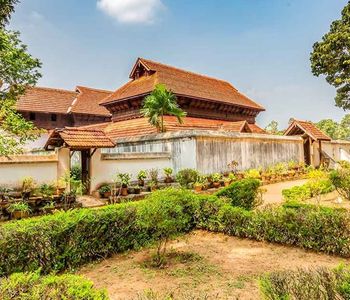
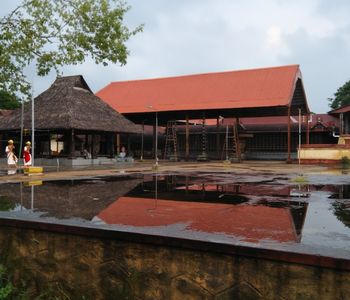
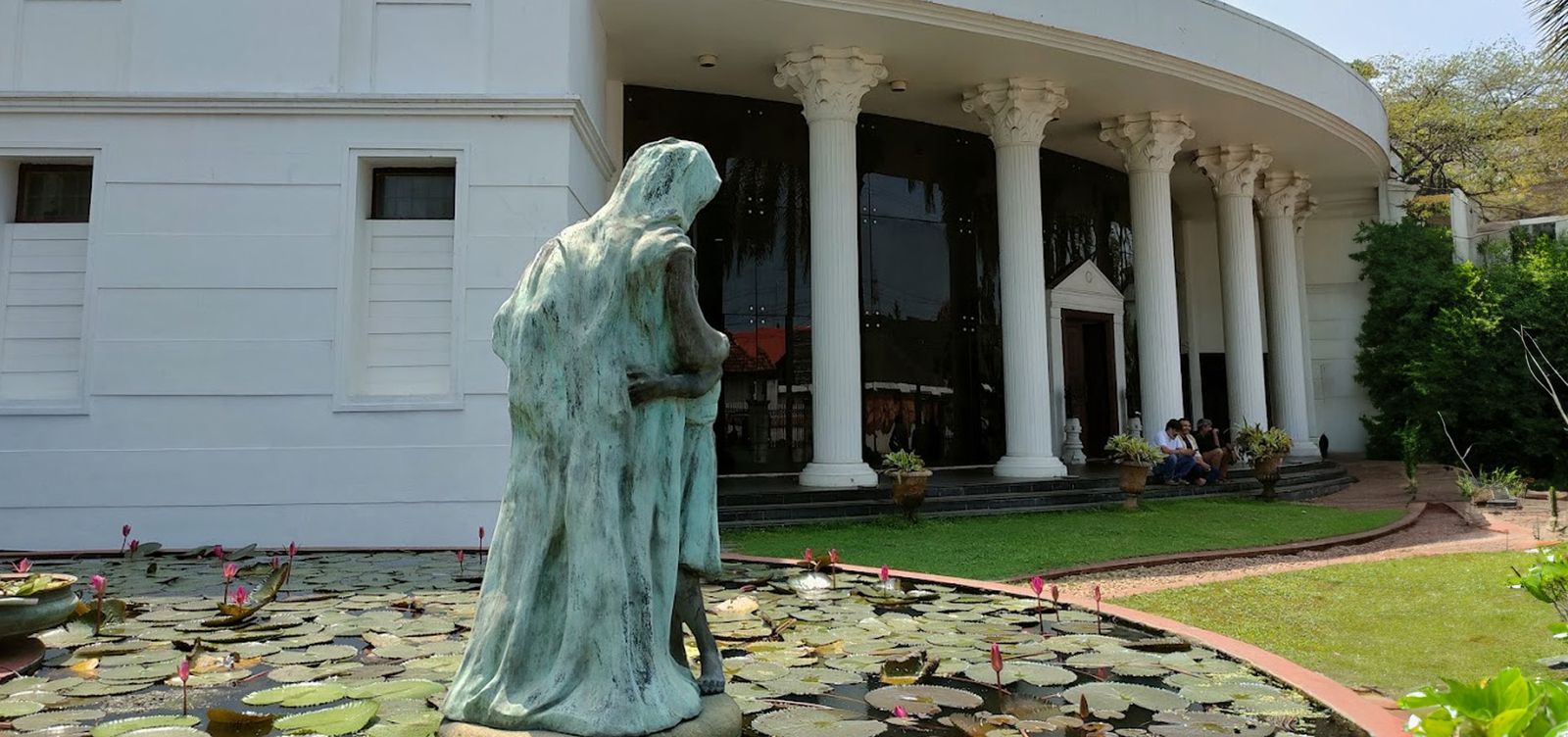
Don't rush past the architecture. The museum occupies a heritage property originally belonging to the Karunakaran family, renovated to house the collection while preserving its soul. Sloping tiled roofs shade open courtyards. Wooden pillars, darkened with age, frame doorways that lead from one world to the next.
There's a warmth to it — a residential intimacy that no purpose-built gallery could replicate. You're not walking through sterile white halls; you're wandering through someone's home, one that happens to contain priceless treasures. Climate-controlled environments protect the most sensitive artifacts, and the lighting has been thoughtfully designed to illuminate without overwhelming. The result feels both grand and deeply personal.
More Than Backwaters: Why This Museum Matters
Most travelers come to Alappuzha for houseboats and palm-fringed canals — and rightfully so. But this museum reveals a completely different dimension of the region. It bridges local Kerala heritage with international art traditions, showing how global trade and cultural exchange shaped collectors in Southern India long before the age of Instagram.
Schools and cultural organizations regularly bring students here, using the collections to spark conversations about art history, conservation, and the ethics of craftsmanship. For international visitors, it offers a richer, more layered understanding of Alappuzha — one that goes beyond scenic waterways to reveal the affluent merchant history and cultural sophistication that flourished in this corner of Kerala.
Everything You Need to Know Before You Go
You'll find the museum on NH-66 in Alappuzha, just a short auto rickshaw, taxi, or car ride from the town center. Since the boat jetty, beach, and other main attractions sit relatively nearby, folding the museum into a full day of exploring is easy.
Hours, Tickets, and Tips
Doors typically open at 9 a.m. and close at 5 p.m. on most days, though it's smart to verify current hours before you go — seasonal adjustments and maintenance closures do happen. Entry fees are charged per person, with separate rates usually available for Indian nationals and international visitors. Children may get in at a discount or free, depending on age. Photography policies vary by section, so ask at the front desk when you arrive.
When the Weather Is on Your Side
Alappuzha's tropical climate keeps things warm year-round, but the sweet spot for a comfortable visit falls between October and March, when humidity eases and temperatures feel gentler on the skin. Timing your trip around the famous Nehru Trophy Boat Race in August? Add the museum to your itinerary — the combination of roaring snake boat races and quiet gallery rooms makes for an unforgettable cultural contrast.
What to Explore Nearby
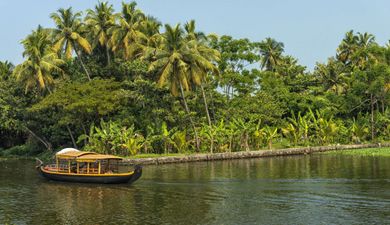
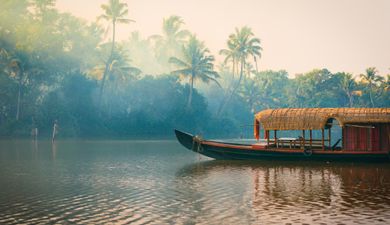
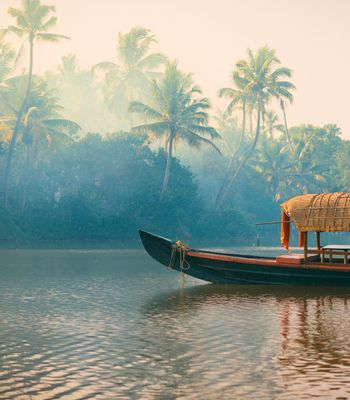
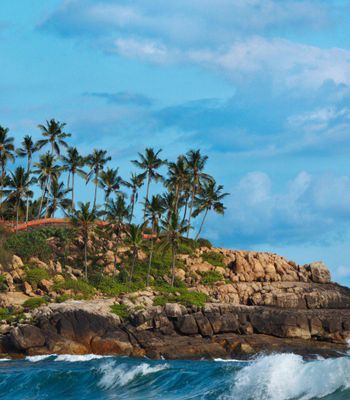
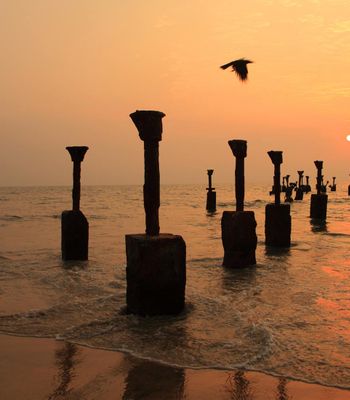
Once you've soaked in the collections, Alappuzha has more to offer. Stroll down to Alappuzha Beach for a breezy, sun-warmed wind-down. Or glide through the town's intricate canal system on a backwater cruise — the quintessential Kerala experience, where coconut palms lean over still green water and the only sound is the dip of a paddle. History lovers should pair the museum with a visit to Krishnapuram Palace, another heritage gem in the district that rounds out a full day of cultural immersion.
Linger, Look Closely, and Let It Stay With You
Here's the best advice anyone can give you: don't rush. Allocate at least one to two hours, and let yourself get lost in the details — the curve of a crystal swan's neck, the faded gold on a centuries-old painting, the cool smoothness of a bronze figure's surface. If a guided tour is available, take it. The stories behind individual pieces add layers of meaning you'd otherwise miss.
Jot down notes on your phone or in a notebook. You'll want to look things up later — a particular dynasty, a trade route, a technique you'd never heard of before.
The Revi Karunakaran Memorial Museum is the kind of place that rewards curiosity with wonder. Kerala's cultural identity meets global artistic traditions in a single, thoughtfully curated space — and the experience stays with you long after you've left Alappuzha's green, shimmering shores behind.