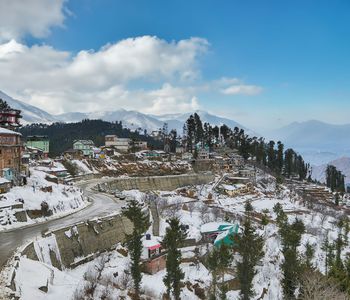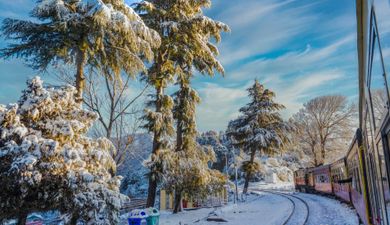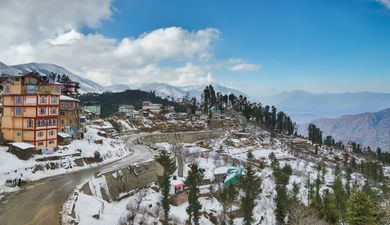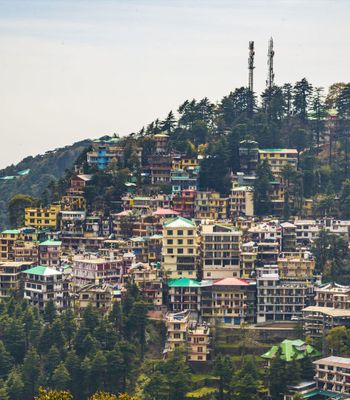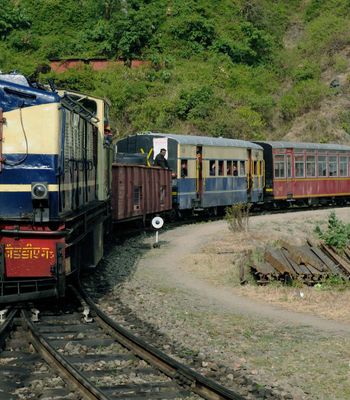
The toy train from Kalka pulls into Shimla station after a five-hour crawl through 102 tunnels and across 864 bridges, and by the time you step onto the platform, you understand something fundamental about this town: it was built by people who did not want to be found. The British chose these ridges in the 1820s because the climate reminded them of home. The fact that reaching it required a punishing ascent through the foothills was, if anything, part of the appeal. That reluctance to be easily reached still defines Shimla. The town clings to a series of forested ridges at around 7,200 feet, its buildings stacked on slopes so steep that what looks like a neighbor's rooftop is often their front garden. Streets switch back on themselves. Staircases substitute for alleys. You walk everywhere, and you walk uphill, and your lungs remind you constantly that you are no longer at sea level.
The Ridge and the Ghosts of Empire
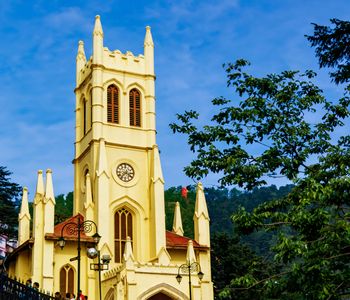
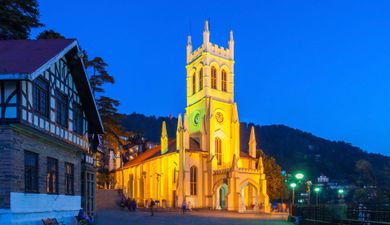
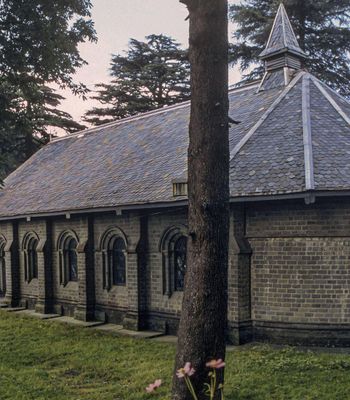
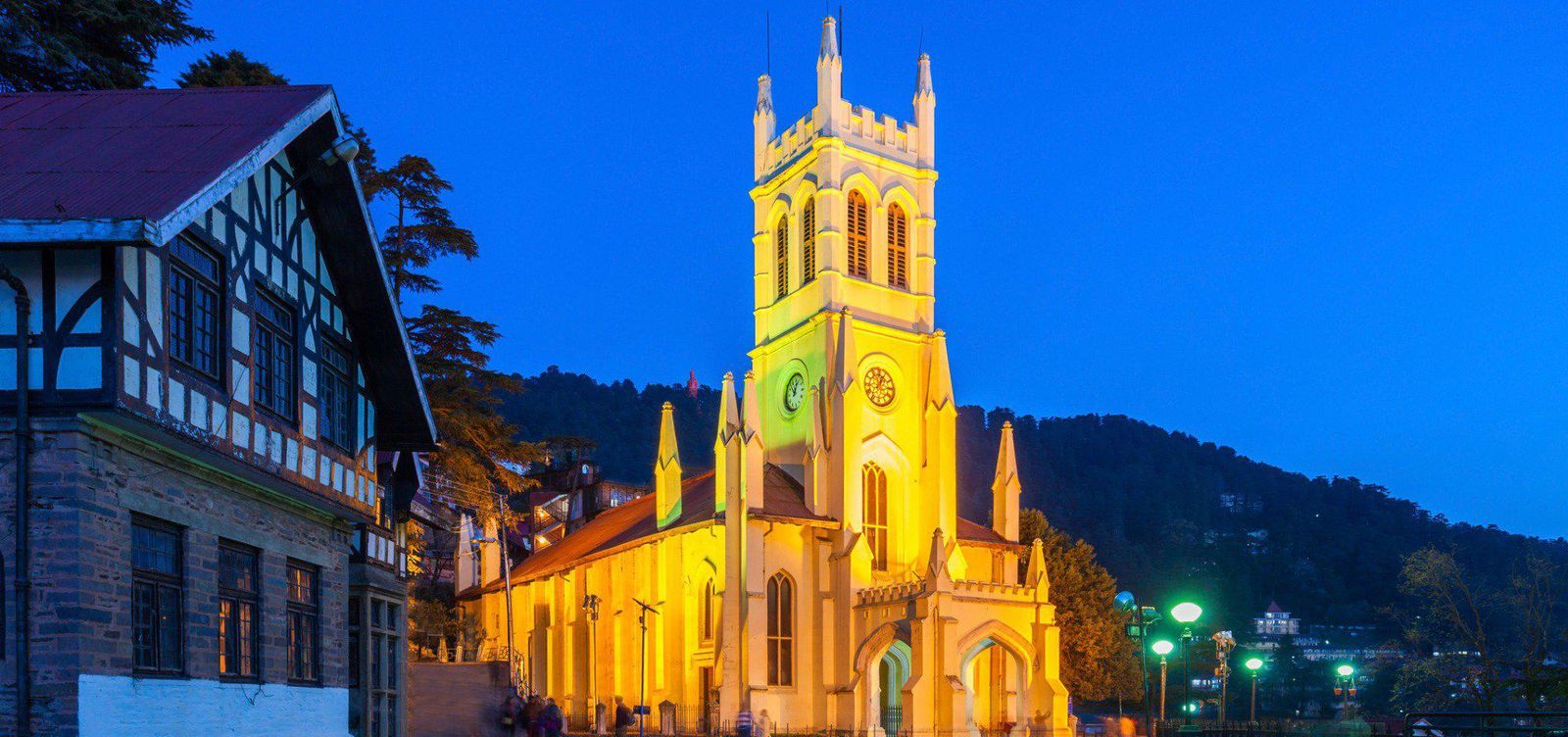
The heart of Shimla is The Ridge, a broad pedestrian promenade running along the town's spine. Cars are forbidden here, which lends the place an almost European feel — something the British intended, and something that persists decades after they left. Christ Church stands at one end, its yellow facade the most photographed building in Himachal Pradesh. It was completed in 1857, making it the second-oldest church in northern India, and the stained glass inside was designed by Rudyard Kipling's father.
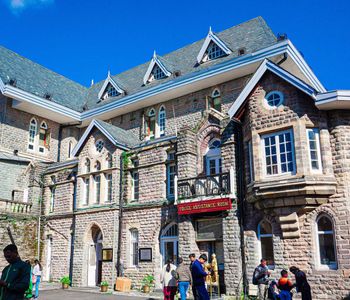
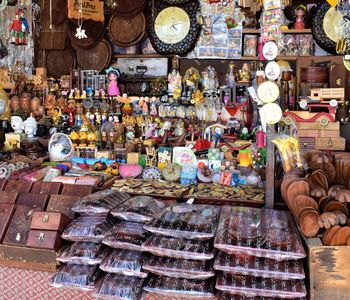
Walk west from the Ridge and you enter Mall Road, the town's commercial artery. This is where Shimla becomes unmistakably Indian again — shops selling woolen caps from Kullu, cafes serving momos alongside instant coffee, honeymooners in rented fur coats posing for photographs against colonial facades. The Gaiety Theatre, a Victorian Gothic confection restored to near-perfection, still stages plays. You can wander inside between shows and stand in a room where viceroys once laughed at amateur productions.
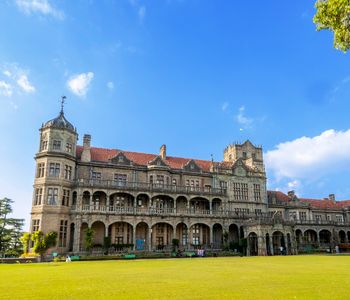
Then there's the Viceregal Lodge, now The Indian Institute of Advanced Study, sitting atop Observatory Hill about three kilometers from the center. It is a gray stone monster of a building, vaguely Elizabethan, entirely out of place — and that is precisely the point. The British governed a subcontinent from this building during the summer months. The Partition of India was partly negotiated in its rooms. You can tour the ground floor and see the table where the documents were discussed. A strange, quiet place, heavy with consequence.
Where the Town Breaks into Forest
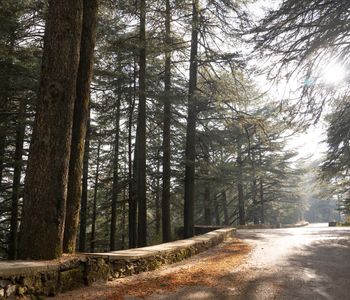
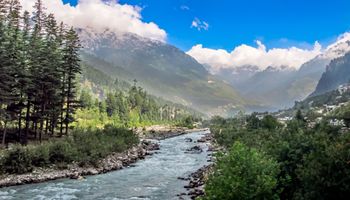
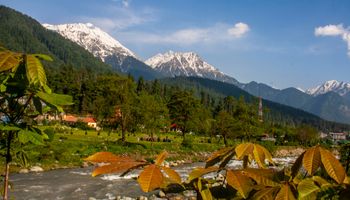
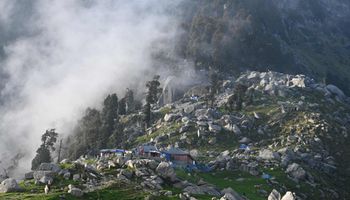
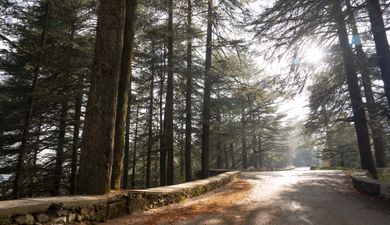
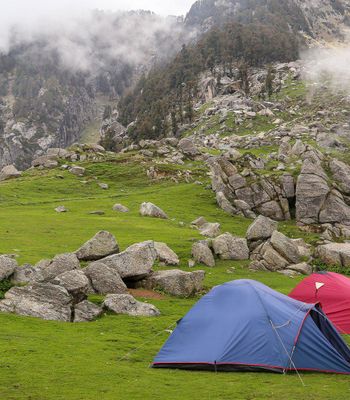
Shimla's topography is its most honest feature. The town is built on seven hills, and between them lie valleys still thick with deodar, pine, and oak. You don't have to hike far to leave civilization behind.
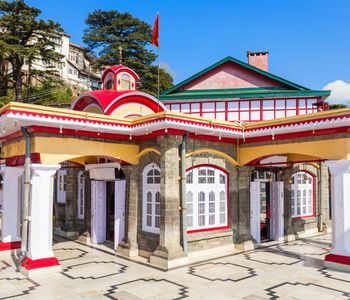
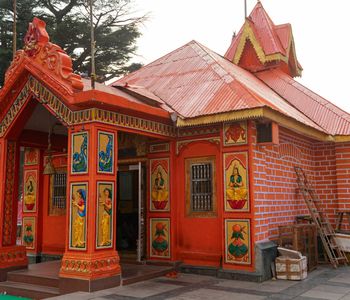
Jakhoo Hill, the highest point in town, rises above the Ridge and is topped by a temple dedicated to Hanuman. The walk up takes about forty minutes and is mobbed by monkeys who will take your glasses, your snacks, and occasionally your dignity. A 108-foot statue of Hanuman stands at the summit, visible from most of the town. Whether you find it majestic or kitsch depends on your tolerance for giant orange statues.
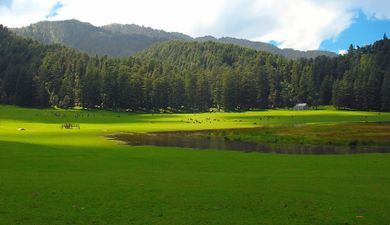
For something quieter, walk toward Glen Forest or the trails that drop down toward Annandale, a flat meadow ringed by trees that the British used as a racecourse and cricket ground. The forest here is dense enough that the temperature drops noticeably beneath the canopy. You'll hear woodpeckers. Occasionally a langur will crash through the branches overhead and startle you into wakefulness.
The real payoff for walkers, though, is Chadwick Falls — a 100-meter cascade about seven kilometers from the Ridge, reached through forest so quiet you can hear your own footsteps. In monsoon it thunders. In winter it freezes. In spring it's a thin ribbon of silver through dark rock, and you'll likely have it to yourself.
The Weather Is a Character
Shimla has four distinct seasons, and each one creates a different town. Summer, from April to June, is when Indian families flood in to escape the furnace of the plains. Temperatures hover around 20°C, the gardens bloom, and the Mall becomes impossible to walk through by six in the evening. This is Shimla at its most crowded and, frankly, least interesting.
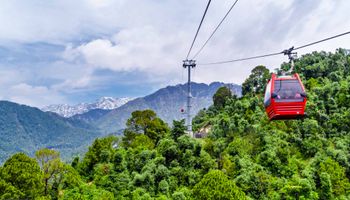
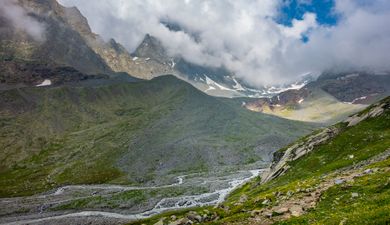
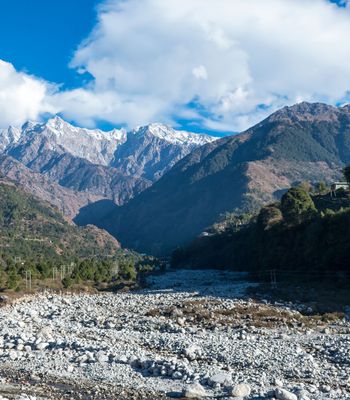
Autumn is better. September through November brings clear skies, thinning crowds, and the first hints of cold. The deodars take on a darker green. Monsoon clouds recede and the Himalayan peaks to the north — Kinner Kailash, the Pir Panjal — emerge from their summer haze.
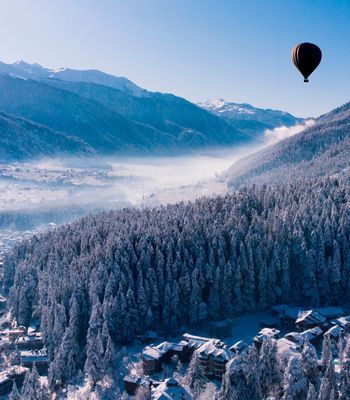
Winter is when Shimla becomes itself again. December and January bring snow, sometimes in serious quantities, and the town transforms into something out of a Victorian Christmas card. The Ridge becomes a skating rink, quite literally — India's only natural ice skating rink has operated here since 1920. Hotels drop their rates. The crowds thin to almost nothing. You wear every layer you packed and you drink chai that costs twenty rupees and tastes like the best thing you've ever had.
Eating in the Hills
Shimla's food is not Himachal's food, exactly. The local Pahari cuisine — siddu, chha gosht, madra — is best found in villages outside town. Within Shimla you'll eat a mix of Punjabi, Tibetan, and what can only be described as hill-station colonial: mutton curries, buttered toast, cake in the afternoon.
The Indian Coffee House on the Mall has been serving filter coffee and cutlets since the 1950s, and the waiters still wear starched white turbans with peacock fans. The prices are from another era. The atmosphere is priceless.
For momos, walk down toward Lower Bazaar, where the terraces stack on top of each other and the shops sell pressure cookers and prayer flags in equal measure. This is where most actual Shimla residents live and eat, and it's considerably less polished than the Mall above it. That's the point.
Why You Go
Shimla rewards a certain kind of traveler — one who doesn't need constant entertainment, who likes walking, who finds something moving about a place that was invented for reasons that no longer apply. The British built Shimla to feel like Surrey. It doesn't. It feels like Shimla: a peculiar, layered, half-forgotten town on a ridge in the Himalayas, watching the mountains to the north and remembering things. You come for the air, the walks, the toy train, the fog rolling up the valley in the late afternoon. You leave slightly out of breath, and glad of it.