The morning mist hadn't quite lifted from the Beas River when the temple bells began — a cascade of metallic ringing that echoed off stone walls and bounced between the forested hills. In Mandi, this is how every day starts. Not with traffic horns or tourist buses, but with a sound that has marked the hours here for centuries.
Known as the "Varanasi of the Hills," this unassuming town at the confluence of the Beas and Uhl Rivers is one of Himachal Pradesh's best-kept secrets. While travelers rush past on their way to Manali or Shimla, Mandi quietly holds its ground — a place of ancient stone temples, unhurried riverside mornings, and mountain air that carries the faint sweetness of pine resin and woodsmoke.
A River Valley Wrapped in Mountains
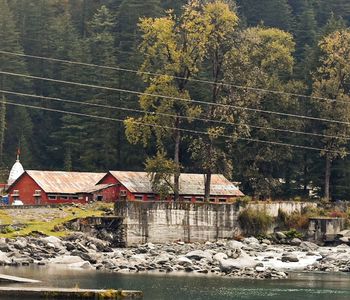
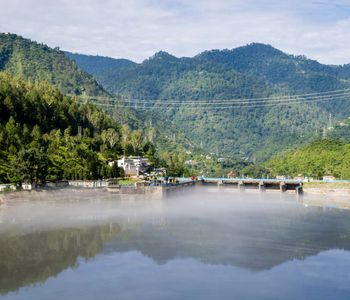
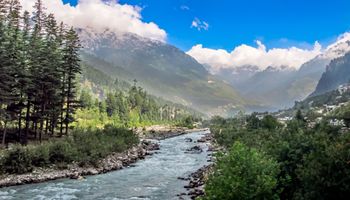
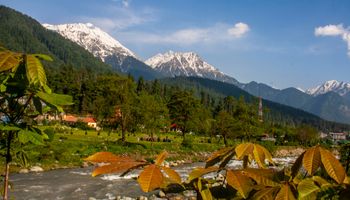
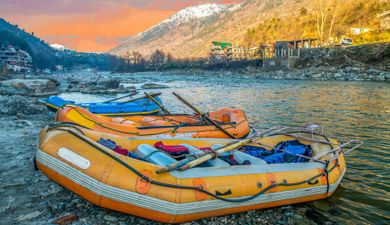
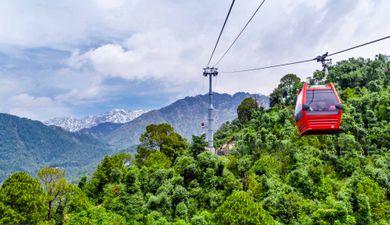
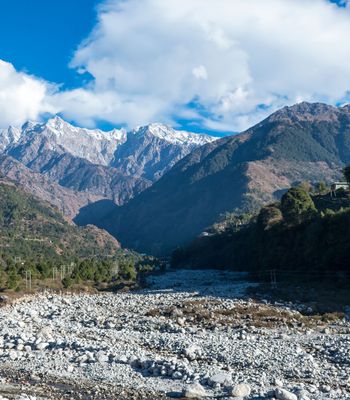
Step out of your hotel and the geography hits you immediately. The broad Beas carves a shimmering path through the valley floor while hills thick with deodar and oak rise steeply on every side. There's a sheltered, almost cradled feeling to the town — protective rather than claustrophobic.
Evenings bring a noticeable chill, even in summer, the kind that makes you reach for a shawl and cup your hands around a hot chai. Spring scatters wildflowers — violet, yellow, white — across the hillsides in reckless abundance, and autumn sets the terraced farmland ablaze in amber and rust. Either season rewards you with walking weather that feels like a gift after the suffocating heat of the plains.
Eighty Temples and the Stories They Guard
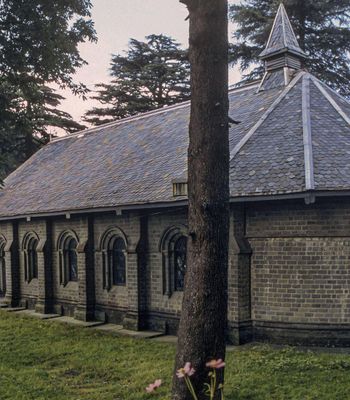
Over 80 temples crowd into this compact town. Let that number sink in. Many are built in the soaring Shikhara style, their stone facades carved with a precision that stops you mid-step. Run your fingers along the reliefs at Triloknath Temple and you'll feel grooves cut by artisans who worked without power tools or architectural software — just skill passed down through generations.
Panchvaktra Temple sits where the two rivers meet, its five-faced Shiva idol gazing outward in every direction as water rushes below. Shyamakali Temple, dark and atmospheric, draws devotees who leave garlands of marigold at its threshold, filling the entrance with that heady, peppery floral scent.
Here's a tip: resist the urge to temple-hop at speed. Slow down. Sit on the worn stone steps, watch the light shift across a carved doorway, and let the craftsmanship tell its own story. You'll leave with far more than photographs.
Where the Bazaar Hums with Real Life
Forget the curated "local experiences" sold in bigger hill stations. Mandi's main bazaar is the real thing — a narrow, lively corridor where vendors pile bright tomatoes next to stacks of hand-knitted woolen caps. The smell of fresh pakoras sizzling in deep kadais mingles with the earthy scent of raw turmeric and ginger laid out on newspaper.
Locals chat in Mandyali, the region's melodic dialect, pausing to greet familiar faces along the riverside promenade. You won't feel like a spectator here — a smile and a "namaste" opens doors quickly. English works well enough in hotels and shops, but learning even a couple of Mandyali phrases will earn you wide grins and, occasionally, an invitation for chai.
Prashar Lake: The Trek That Justifies the Trip
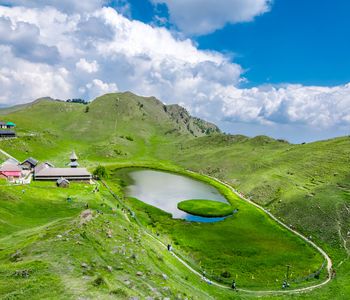
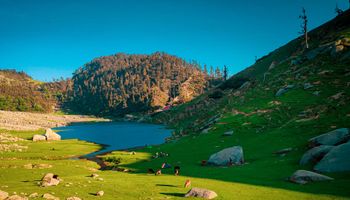
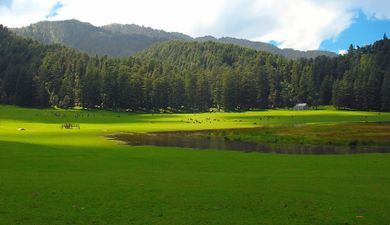
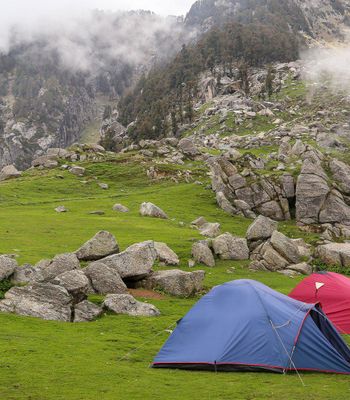
A dusty switchback road, a moderate uphill hike, and then — silence. Prashar Lake appears like something out of a half-remembered dream: impossibly blue water cradled by rolling alpine meadows, with the jagged snow-capped peaks of the Dhauladhar and Pir Panjal ranges stretched across the horizon.
At the shore stands a medieval pagoda-style temple dedicated to the sage Prashar, its dark wooden tiers weathered by centuries of mountain wind. The air up here is thinner, colder, and startlingly clean. Pack a lunch, find a flat rock by the water, and give yourself permission to simply sit. No agenda. No itinerary. Just the sound of wind through grass and the occasional call of a Himalayan griffon circling overhead.
This is easily one of the most rewarding day trips from Mandi, though many trekkers choose to camp overnight and catch the sunrise turning the peaks from grey to gold to blinding white.
Rewalsar: Three Faiths, One Sacred Shore
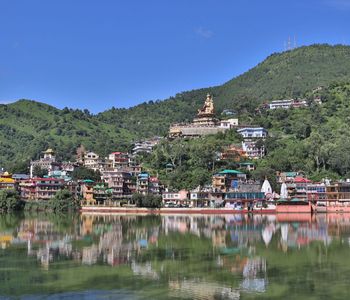
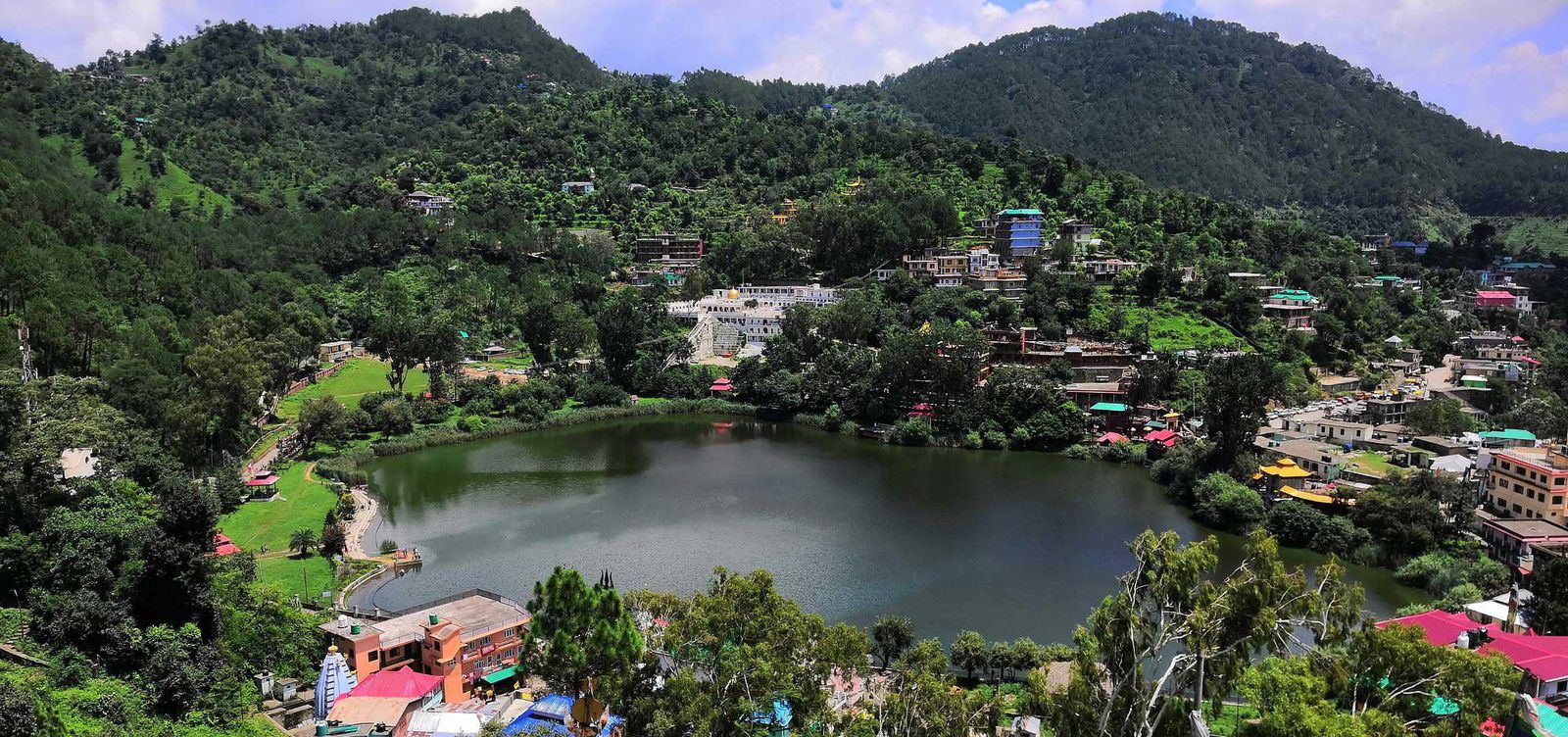
A short drive from town brings you to Rewalsar Lake, where something remarkable happens in a very small space. Hindu temples, Buddhist monasteries, and a Sikh gurudwara all share the same hillside, their prayer flags, brass bells, and kirtan hymns overlapping in an accidental harmony that feels entirely intentional.
Walk to the water's edge and watch for the floating reed islands — actual islands of matted vegetation that drift slowly across the lake's surface, pushed by wind and mystery in equal measure. Climb to the monasteries above for sweeping views and the low, resonant hum of monks chanting behind painted doors. Few places in India concentrate so many spiritual traditions into such an intimate landscape.
When the Gods Come to Town: Shivratri Fair
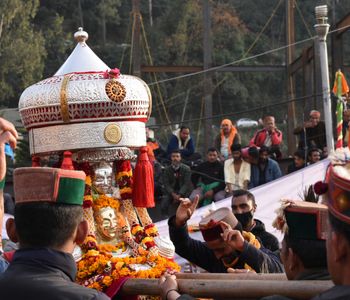
If you can time your visit for February or March, do it. Mandi's week-long Shivratri Fair transforms the town into something electrifying. Hundreds of local deities — their ornate palanquins carried by villagers in traditional dress — converge on the town in a grand procession that floods the streets with drumbeats, incense smoke, and a crush of color so vivid it almost hurts to look at.
Pilgrims arrive from across Himachal Pradesh and beyond. Makeshift food stalls multiply overnight, filling the air with the char-sweet smell of roasted corn and jalebis dripping with sugar syrup. The energy during Shivratri is nothing like Mandi's usual meditative calm — it's joyful, chaotic, and utterly unforgettable.
Practical Notes for Planning Your Visit
Accommodations range from no-frills guesthouses tucked behind the bazaar to comfortable mid-range hotels along the riverfront, where you can fall asleep to the sound of the Beas rushing past your window. Budget travelers will find Mandi refreshingly affordable compared to Shimla or Manali.
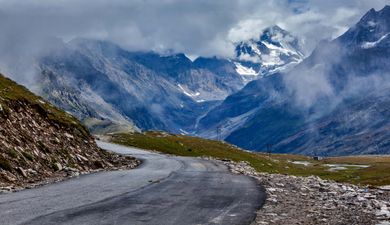
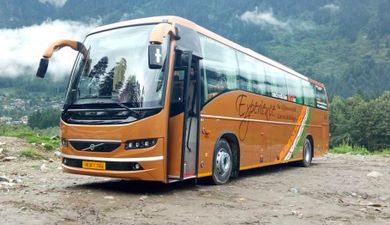
Getting here is straightforward — regular buses connect Mandi to Shimla (around 6 hours), Manali (3 hours), and Chandigarh (6–7 hours). The roads wind through gorgeous valleys, so grab a window seat and keep your camera within reach.
Mandi isn't the destination for travelers chasing nightlife or five-star polish. It's for those who want to feel a place rather than just see it — to trace carved stone with their fingertips, to watch a river catch the last light of day, to hear temple bells ring out across a valley that has listened to them for hundreds of years. Come with patience and curiosity, and this quiet, deeply layered town will give you something no glossy hill station ever could.