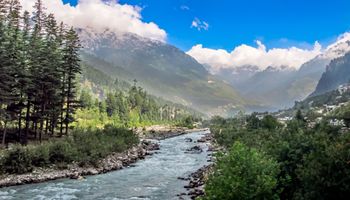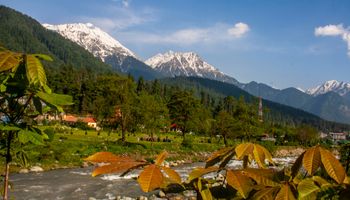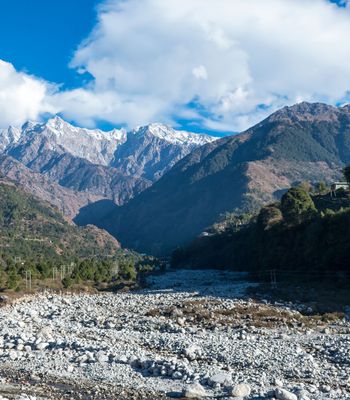
The Beas River does something strange in Manali. It doesn't flow so much as argue with the valley, rushing past pine trunks and boulder fields with a sound that never quite leaves your ears, even at night, even in your hotel room with the windows shut. You learn to sleep through it. Then you go home and miss it. This is the town's real signature. Not the apple orchards, not the honeymoon billboards, not the snow on Rohtang that sells a thousand postcards. The river. It runs the length of Manali like a nervous system, and every part of the place, from the old stone temples to the paragliding drop zones, seems to organize itself around the water.
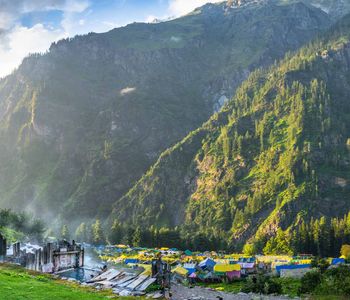
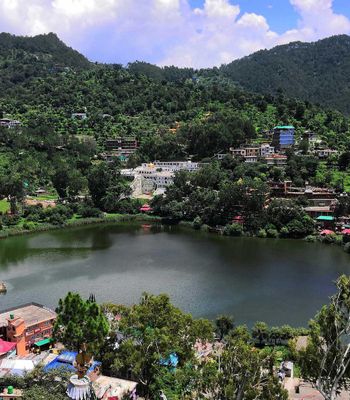
Manali sits at roughly 2,000 meters in the Kullu Valley, close enough to the high Himalayas that the air has that thin, clean bite by late afternoon, and close enough to the Punjabi plains that the town fills up every summer with families escaping 45-degree heat in Delhi and Chandigarh. This dual personality explains a lot. One half of Manali is a genuine mountain town with cedar forests and wool shops and farmers still hauling baskets of apples in October. The other half is a holiday machine, complete with neon-lit food courts on Mall Road and men in astrakhan coats renting out snow boots by the hour. You decide which Manali you want. Most travelers eventually find both.
The Two Towns Across the River
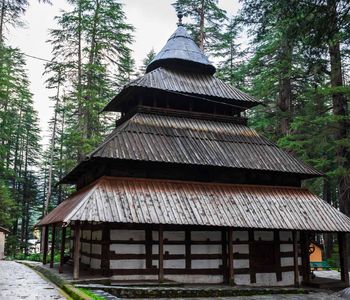
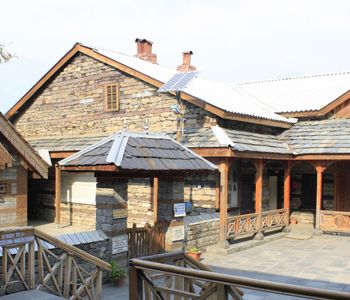
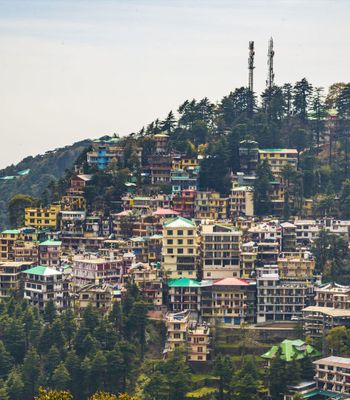
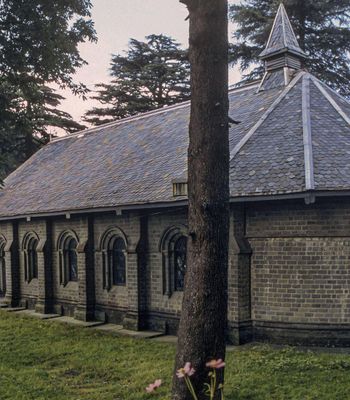
There's new Manali, which is the main bazaar, the hotels, the buses, the noise. And there's Old Manali, a fifteen-minute walk uphill across a bridge, where the lanes narrow and the cafés start playing Pink Floyd at eleven in the morning. Old Manali has been a waypoint on the backpacker circuit for decades, and it shows, for better and worse. You'll find wood-smoke pizza, banana pancakes, and Israeli menus written in Hebrew. You'll also find stone houses older than the cafés, with slate roofs and carved balconies, set behind the guesthouses if you bother to look up.
The trick in Old Manali is timing. Arrive in May or June, and the lanes are shoulder-to-shoulder. Come in late September, once the summer crowds have gone and the apples are heavy on the branches, and the place turns quiet and golden and cheap. This is when Old Manali is at its best. The cafés thin out. The owners remember your name. A glass of hot lemon-ginger-honey costs less than a bottle of water in Delhi.
What the Valley Asks of You
Manali is an outdoor town. You can pretend otherwise, spend your days in a hotel spa, but the mountains will notice. Most people come here to move.
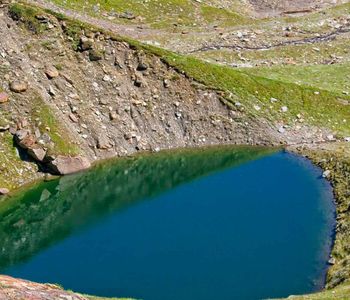
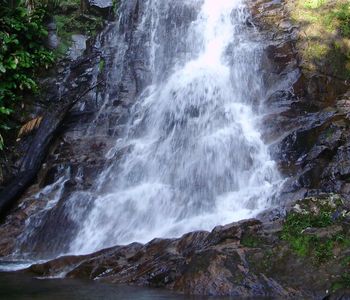
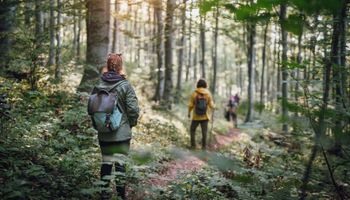
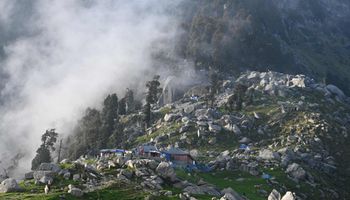
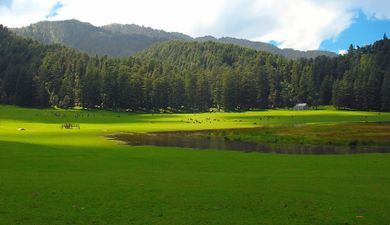
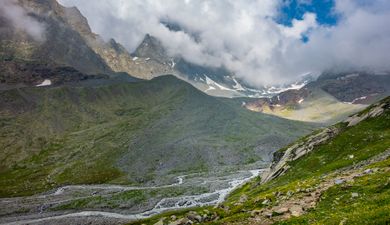
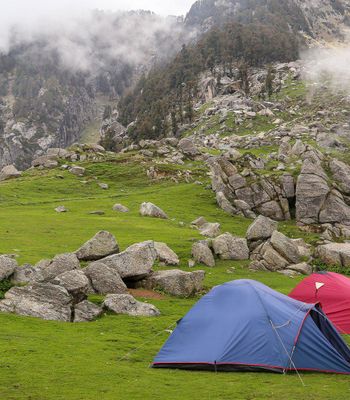
In summer, the valley opens up. You can trek to Bhrigu Lake, a glacial pool at 4,300 meters where the water sits perfectly still beneath a ring of scree. It's a two-day walk, three if you're sensible, and the meadows on the way up are the kind of green that makes you suspicious of photographs. Closer to town, Jogini Falls is a short climb from Vashisht village, doable in an afternoon, with a decent chance of finding yourself alone at the top if you start early.
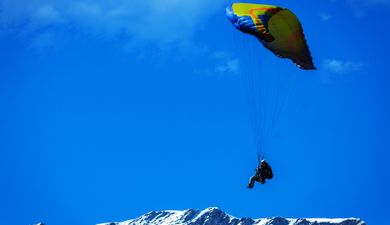
Paragliding launches from Solang Valley, about fifteen kilometers north. The takeoff is quick and the landing quicker, but there's a stretch in the middle where you're riding thermals above the conifers with nothing beneath your feet, and the sound of the river vanishes, and you understand why people keep coming back to this valley long after their honeymoons are over.
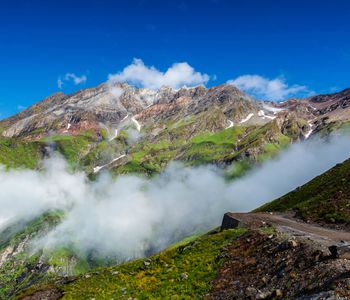
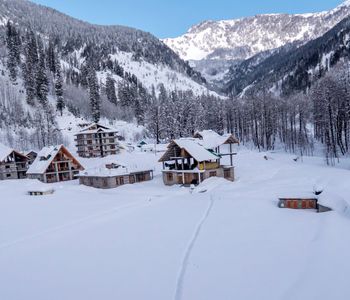
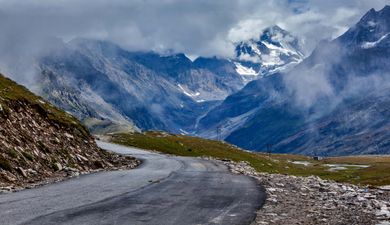
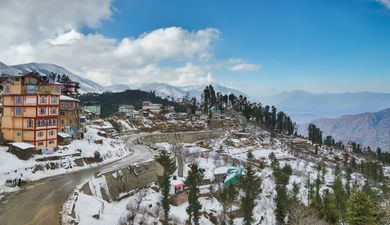
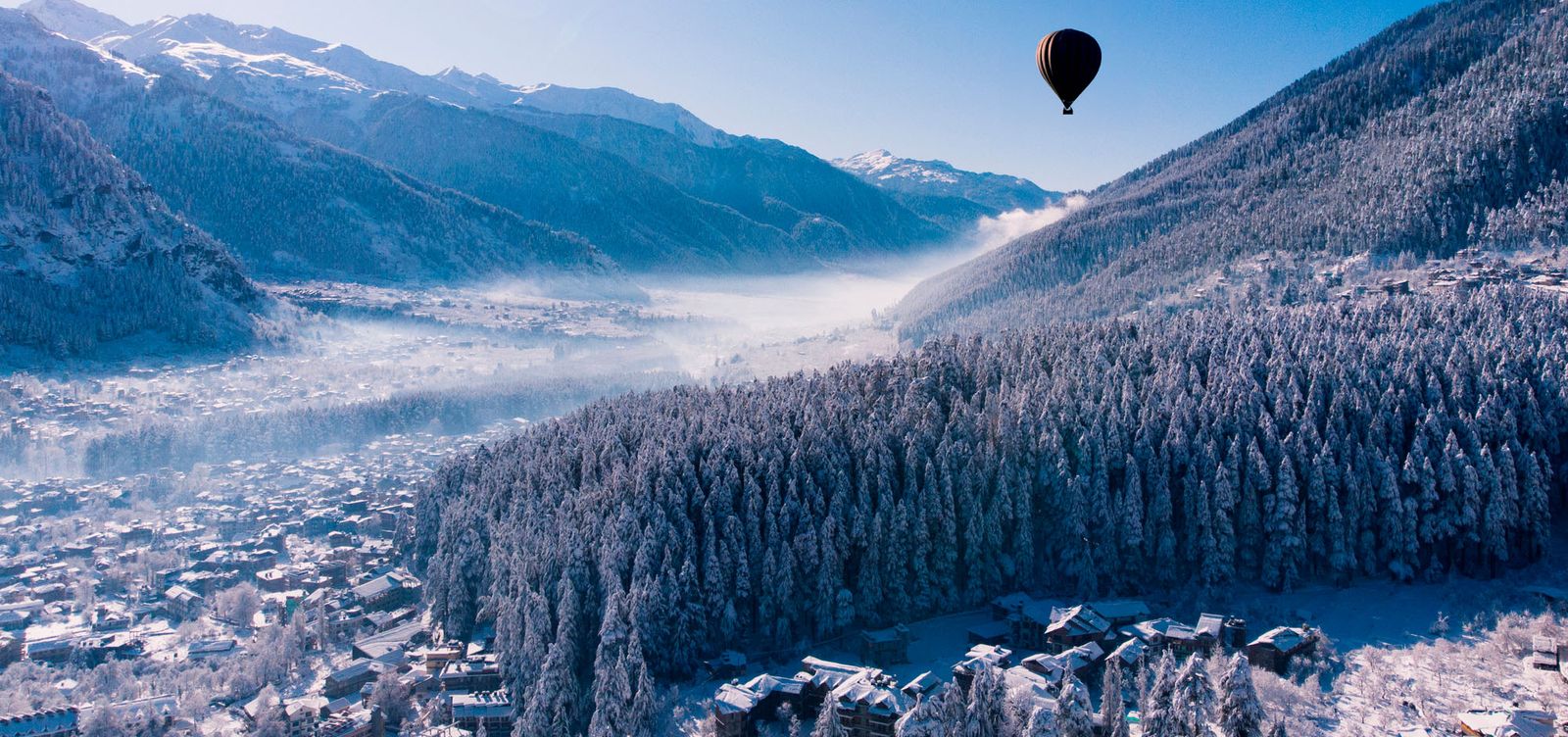
In winter, the focus shifts to Solang and the slopes toward Rohtang Pass. The skiing is modest by international standards, the equipment rental is a negotiation, and the ski school is more improvisational than pedagogical. None of this matters. The mountains in January are ridiculous. White on white on white, with the sky a cold hard blue overhead.
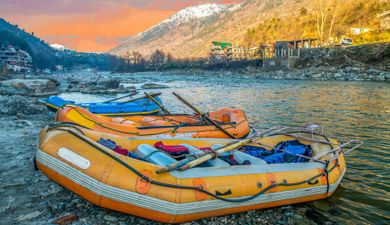
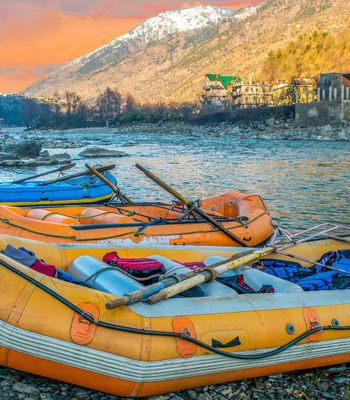
Rafting on the Beas runs from around Pirdi to Jhiri, a stretch of mostly grade II and III rapids that feels more serious than it is. The water is glacial and shocking. You'll be wet for hours afterward. You won't care.
Vashisht, Naggar, and the Slower Manali
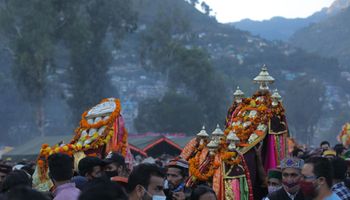
Across the river from new Manali, up a steep switchback road, is Vashisht, a village built around hot sulphur springs that feed into public bathing tanks open to anyone. The tanks are not glamorous. The water smells of eggs. But there's something about soaking in hot mineral water in a stone pool in the mountains, with pilgrims chanting in the temple next door, that adjusts your sense of what a vacation is supposed to be.
Further south, about an hour's drive, is Naggar, which most tourists skip and shouldn't. Naggar Castle is a 15th-century wood-and-stone fortress turned heritage hotel, and you can walk its verandahs and peer into its old courtyards for a small fee. Nicholas Roerich, the Russian mystic-painter, lived his last years here, and his estate is now a small museum filled with mountain canvases and the kind of quiet that feels earned.
Eating in the Valley
Local food in Manali is Himachali, which means thick lentils, buckwheat rotis, and a dish called siddu, a steamed stuffed bun traditionally filled with walnut paste or poppy seeds. It's peasant food, filling and slightly sweet, and nothing in the town's menu tourism quite matches it for honesty. You'll find siddu at small stalls in the side lanes near Manu Temple, or in Old Manali if you ask.
Trout, farmed locally, appears on nearly every proper menu. The cafés in Old Manali and Vashisht do respectable versions of everything from falafel to chocolate cake, but the real find is a plate of rajma-chawal at a roadside dhaba on the way to Solang, eaten outdoors with a view of a glacier.
When to Go, and Why It Matters
April through June is peak season, when the valley is in bloom and the rivers are high from snowmelt. Book everything in advance or pay triple. July and August bring the monsoon, which the Kullu Valley handles better than most Himalayan regions, but landslides happen and Rohtang Pass closes without warning.
September and October are, quietly, the best months. The skies are clear. The crowds are gone. The apples come in.
Winter is for people who like cold mountains and don't mind that half the town shuts down. It has its own kind of beauty. The river keeps running. The cedars hold the snow. And somewhere up the valley, the road to Leh sleeps under two meters of ice, waiting for May.