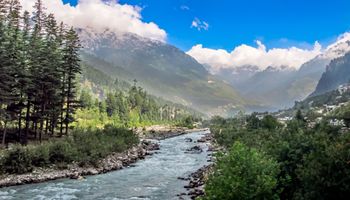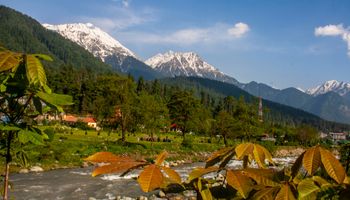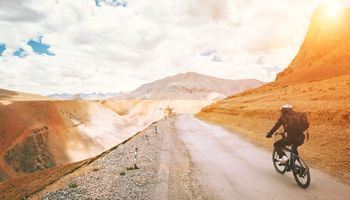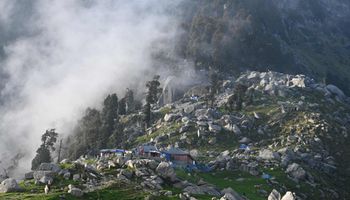
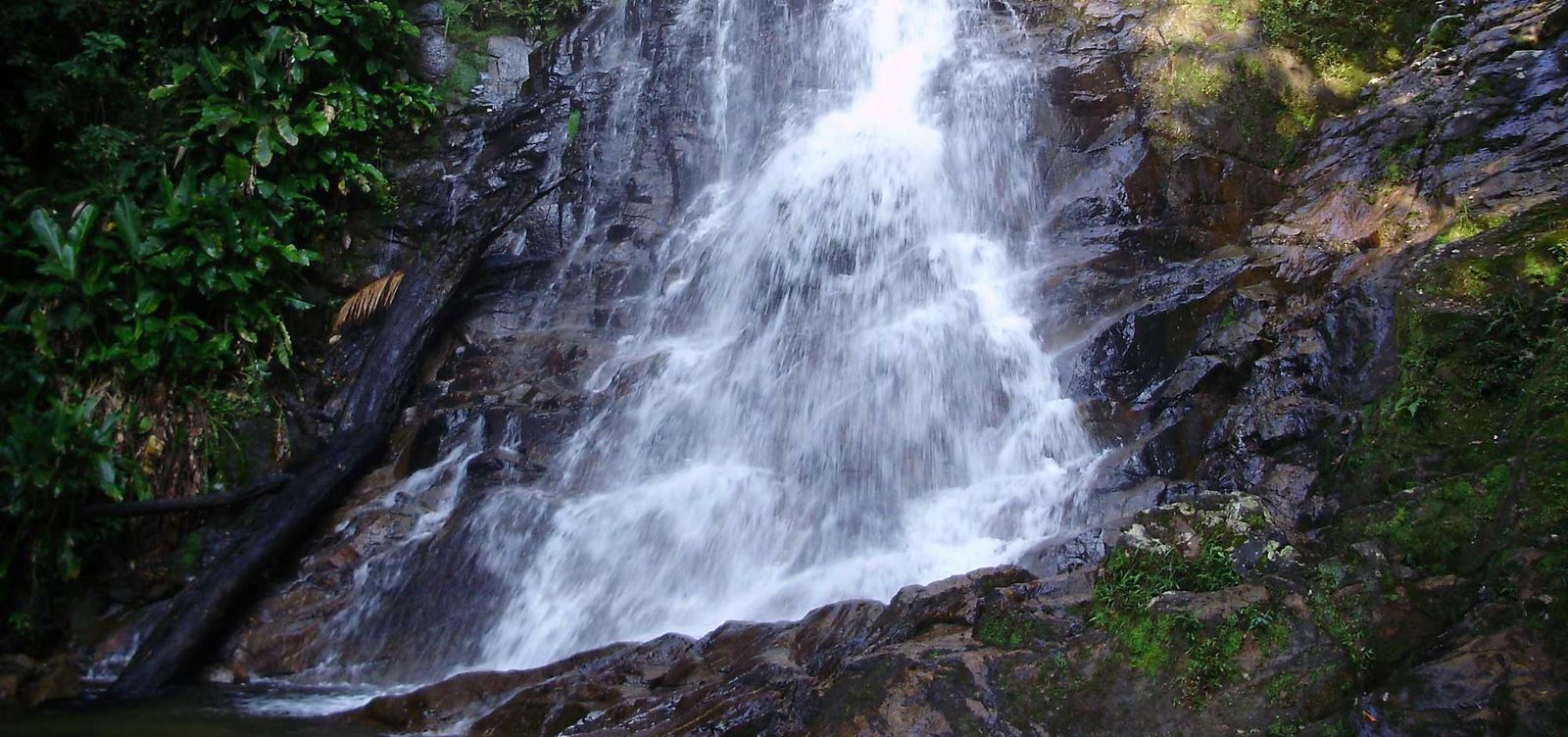
The roar hits you before the waterfall even comes into view. A deep, thundering rush echoes off the valley walls as your car climbs higher along the Manali-Rohtang highway, and then — there it is. Rahala Falls, crashing down a jagged rock face at 8,500 feet, sending plumes of icy mist swirling into the thin mountain air. Fed by glaciers and snowfields high in the Pir Panjal range, this isn't some gentle, postcard-pretty cascade. It's raw, wild, and absolutely electrifying. Just 16 kilometers from Manali in Himachal Pradesh, the falls make for a breathtaking stop on the way to Rohtang Pass — the kind of place where you stand at the base, feel the cold spray on your face, and remember exactly why you came to the mountains.
Where Glaciers Meet Gravity
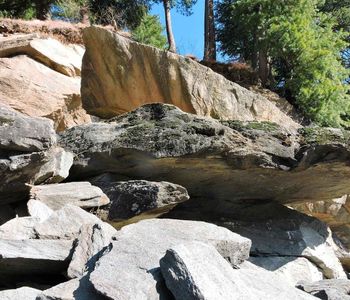
Every drop of water plunging over Rahala's edge started as ancient ice. Glacial meltwater rushes down the steep slopes of the Pir Panjal range, gathering speed before it launches off the cliff and slams into dark, moss-slicked boulders below. During the warmer months, rising temperatures turn the cascade into something almost violent in its beauty — a thick white curtain of water that shakes the ground beneath your boots.
Stand near the base and the sound swallows everything. Conversation becomes impossible. There's only the water, the cold mist settling on your skin, and the faint metallic taste of glacial runoff on your lips.
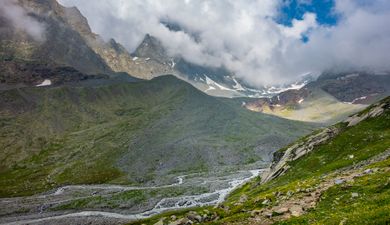
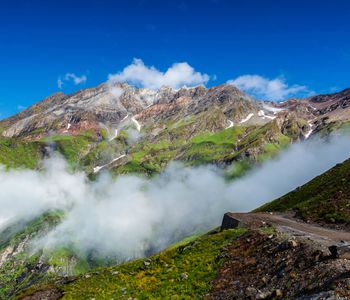
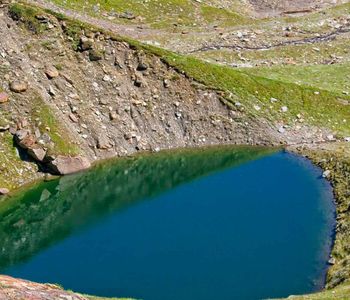
Look closer at the cliff face and you'll spot something remarkable — exposed layers of sedimentary and metamorphic rock, sculpted over millions of years, telling a geological story that predates humanity itself. In spring and early summer, stubborn patches of snow still cling near the waterfall's origin point, creating a stark, stunning contrast: brilliant white ice against charcoal-dark stone. Dip your hand into the pool at the base — it's bracingly, almost painfully cold, a reminder that this water was locked in a glacier just moments ago.
Wildflowers, Monals, and Marmots on the Mountainside
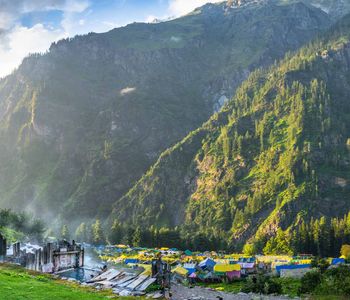
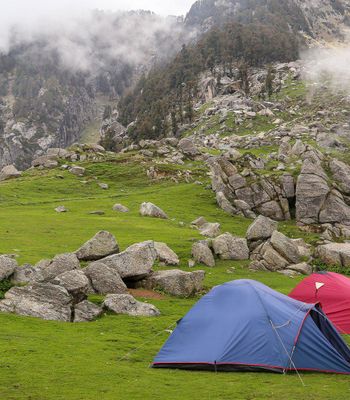
At 8,500 feet, you wouldn't expect much life. But Rahala surprises you. Late spring transforms the surrounding hillsides into a painter's palette — clusters of purple, yellow, and white wildflowers pushing up between rocky outcrops, defiant against the altitude. Hardy alpine shrubs and birch trees dot the slopes, while the road leading up to the falls tunnels through thick stands of deodar cedar and pine, their resinous scent filling the car even with the windows cracked.
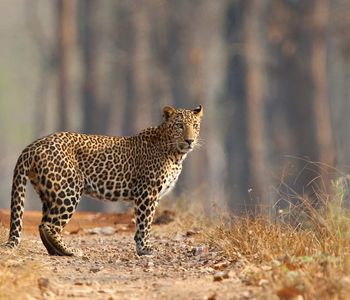
Scan the ridgelines and you might catch a flash of iridescent color — the Himalayan monal, Himachal Pradesh's state bird, with its jewel-toned plumage catching the sunlight. Down among the boulders, plump little marmots bask shamelessly, seemingly unbothered by passing travelers. This corridor between Manali and Rohtang links lower forest zones with high alpine meadows, making it a surprisingly rich ecological bridge. Do the landscape a favor and carry out everything you carry in — this fragile ecosystem deserves your respect.
Where Every Minute Feels Worth Lingering
The waterfall commands your attention, but don't rush away. Photographers will find themselves almost giddy here — the cascading water, dramatic mountain backdrop, and seasonal wildflowers conspire to make nearly every angle frame-worthy. Arrive in the early morning and golden light spills across the rock face, turning the mist into something luminous and almost otherworldly.
Informal trails trace the stream and climb toward higher vantage points for those who want to stretch their legs. Fair warning: these paths aren't maintained, so leave the flip-flops behind and lace up proper hiking shoes. Or simply find a flat rock near the falls, sit down, and breathe. At this altitude, the air is crisp, cool, and noticeably thinner — even a few quiet minutes here feel like pressing a reset button on your entire nervous system.
One Waterfall, One Epic Road Trip
Rahala Falls sits squarely along the Manali-Rohtang highway, making it a natural addition to a day trip toward the pass. Other worthy stops punctuate the route — the bustling little hub of Marhi, the turnoff to Solang Valley — so mapping out your day in advance keeps things relaxed rather than rushed. Budget 30 to 45 minutes at Rahala: enough time to explore, snap your photos, feel the mist, and soak in the scenery before the road calls you higher.
When the Falls Hit Their Thundering Peak
Between May and July, Rahala is at its most spectacular. Warming temperatures unleash torrents of glacial snowmelt, and the cascade runs at full, furious volume. Surrounding slopes glow green, carpeted in wildflowers. The trade-off? Everyone else knows this too. Weekends bring crowds to the roadside parking area and viewing spots, so a weekday visit or early morning arrival gives you more breathing room.
August and September bring the monsoon, and with it, unpredictability. The waterfall remains impressive, but road conditions can deteriorate quickly — landslides and roadblocks aren't unusual during heavy downpours. Always check local road reports before you set out.
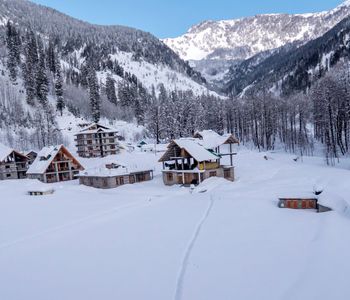
By October, the first dustings of snow settle on the higher elevations and the waterfall begins its slow retreat as source water starts to freeze. From November through April, heavy snowfall typically closes the Rohtang road entirely, sealing Rahala Falls away until the next thaw. Your sweet spot? Late May through June — powerful water flow, wildflowers in bloom, pleasant temperatures, and open roads.
Getting There Without the Guesswork
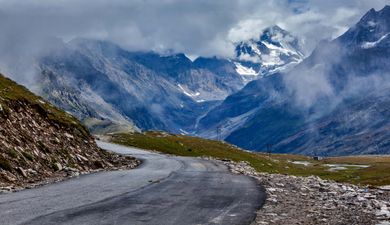
From Manali town, the drive takes just 30 to 40 minutes along the Manali-Leh National Highway. The road corkscrews upward through fragrant pine forests and tiny settlements, the views widening with every switchback. Hiring a taxi from Mall Road is the easiest option — local drivers know every curve of these mountain roads and often double as enthusiastic, story-swapping guides.
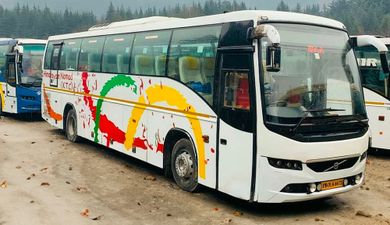
Several Manali-based tour operators run day trips to Rohtang Pass that include a Rahala Falls stop, sometimes with a guide who unpacks the history and ecology at each viewpoint. Traveling on a tighter budget? Shared jeeps and vans leave Manali each morning during tourist season, following the Rohtang route with brief stops at popular pulloffs, including the falls.
One crucial detail: if you're heading toward Rohtang Pass, you'll need a permit from the District Administration of Kullu. Even if Rahala Falls is your only destination, road checkpoints may ask for documentation. Secure your permit online a day or two before your trip — it takes minutes and saves you from frustrating delays at the barriers.
What to Know Before You Go
Temperatures at Rahala can drop sharply compared to Manali town, even on a sunny summer day. Toss a warm jacket or a few easy-to-layer pieces into your daypack — you'll be grateful when that glacial mist hits. The rocks and makeshift walkways near the falls get slick from constant spray, so shoes with solid grip aren't optional; they're essential.
No entrance fee stands between you and the waterfall. A handful of roadside vendors sell steaming cups of chai, instant noodles, and packaged snacks — welcome on a cold morning, but don't count on much variety. Bring your own water and a few light snacks. Formal restroom facilities? Nonexistent here, so plan your last stop before leaving Manali.
At this altitude, oxygen levels dip noticeably. Some visitors feel mild breathlessness or a dull headache — move slowly, sip water often, and give your body a few minutes to adjust. Anyone with respiratory conditions should consult a doctor before tackling high-altitude excursions.
Born from ancient glaciers, shaped by millions of years of geological force, Rahala Falls offers something that no curated resort experience ever could — an unfiltered, thundering reminder of the Himalayas' untamed power. Weave it into your Manali itinerary and a routine mountain drive becomes the highlight of your trip. Pack your camera, zip up your warmest layer, and let the roar of the falls pull you in. Himachal Pradesh has few sights more captivating than this.