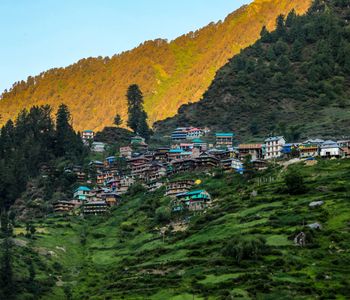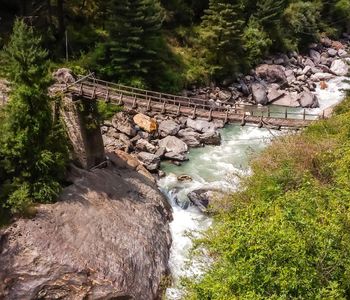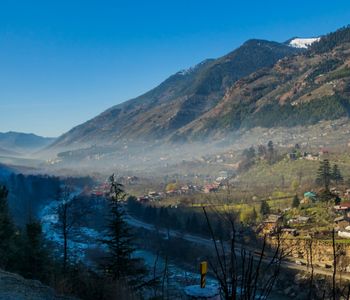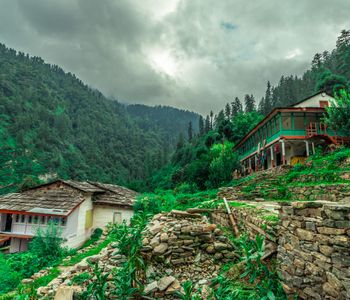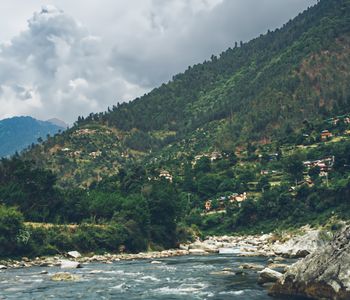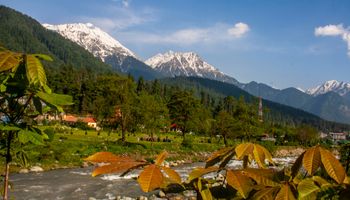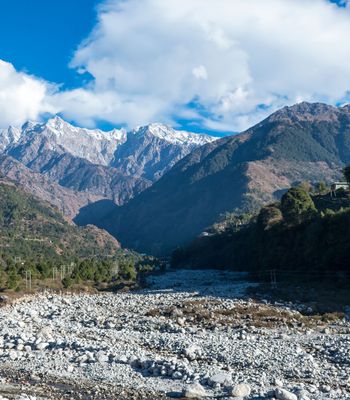
The Beas River doesn't just flow through Kullu — it roars, whispers, and gleams its way through one of Himachal Pradesh's most underrated valleys. Often eclipsed by flashier Manali up the road, Kullu is the kind of place that rewards those who actually stop. Dense deodar forests climb steep hillsides. Ancient temples cling to ridgelines. And a cultural identity so deeply rooted it practically hums beneath your feet makes this town far more than a pit stop on the way north.
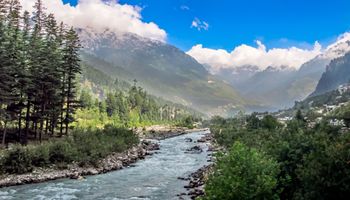
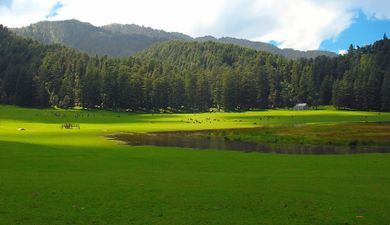
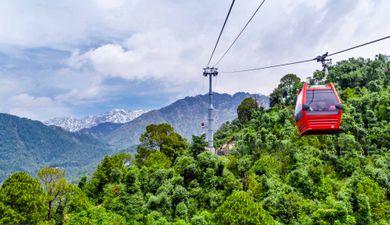
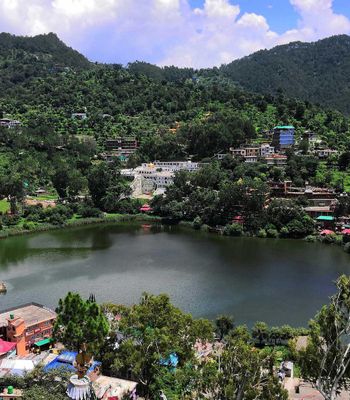
Stretching roughly 40 kilometers from north to south, the valley uses the Beas as its shimmering lifeline. Thick stands of pine, deodar, and cedar layer the surrounding slopes in a thousand shades of green — a palette that shifts dramatically with the seasons. Spring scatters wildflowers across the riverbank meadows like confetti. Come autumn, the entire valley glows amber and gold under skies so clear they look retouched.
This isn't just pretty scenery. It's the backdrop for everything you'll do here.
The Road In Is Half the Fun
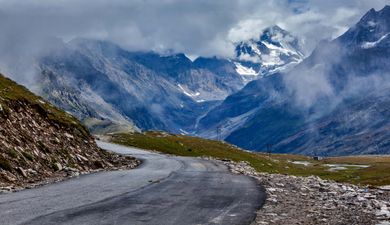
Winding mountain highways deliver you to Kullu through a cinematic reel of terraced fields, gorge-hugging switchbacks, and sudden glimpses of snow-capped ridges that make you grab for your camera. If you're flying in, Bhuntar Airport sits just south of town with connections to select Indian cities. A quick taxi or local bus ride — barely minutes — drops you into the valley's green heart.
A Town That Still Feels Like Itself
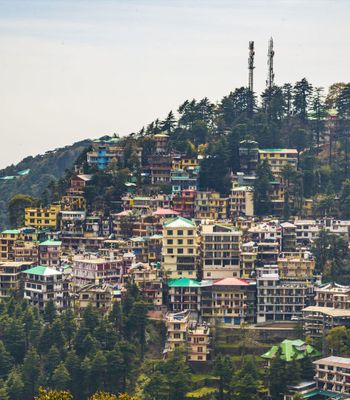
Step into Kullu's town center and you'll feel the difference immediately. No neon tourist traps. No aggressive touts. Just the steady hum of small shops, the sizzle of street vendors frying snacks, and locals exchanging greetings as they go about their day. There's an earthiness here that hasn't been polished away for visitors.
Duck into any market stall and you'll find Kullu's signature woolen shawls — handwoven with intricate traditional patterns passed down through generations. Run your fingers over the tight, warm weave. These aren't factory souvenirs; they're living craftsmanship you can carry home.
Temples That Make You Earn the View
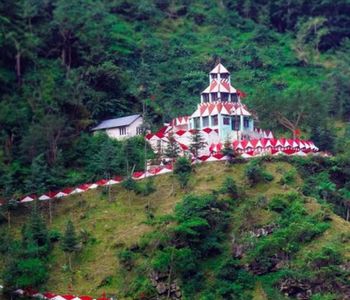
Spirituality is woven into Kullu's landscape as naturally as the river itself. Centuries-old temples dot the valley, each dedicated to local deities who hold fierce significance in the region's folk traditions. Three deserve a place at the top of your list:
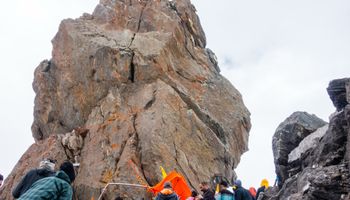
- Bijli Mahadev Temple — perched on a hilltop that demands a proper trek but repays every bead of sweat with one of the valley's most staggering panoramas
- Raghunath Temple — the spiritual anchor of the town itself, alive with the scent of incense and the murmur of daily prayers
- Jagannath Devi Temple — a serene wooden gem tucked into a setting so quiet you can hear the breeze through the trees
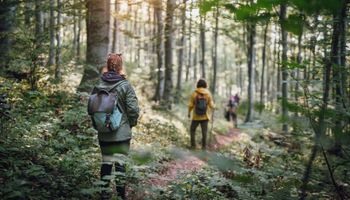
Getting to many of these temples means following forested footpaths where sunlight filters through the canopy in golden shafts. The walk to Bijli Mahadev alone — your calves burning, lungs filling with cool pine-scented air — is one of those moments that stitches itself permanently into memory.
Where Adrenaline Meets Altitude
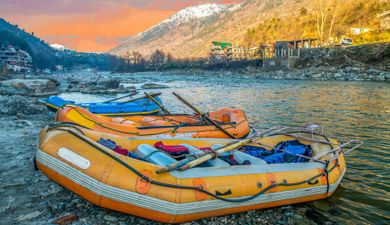
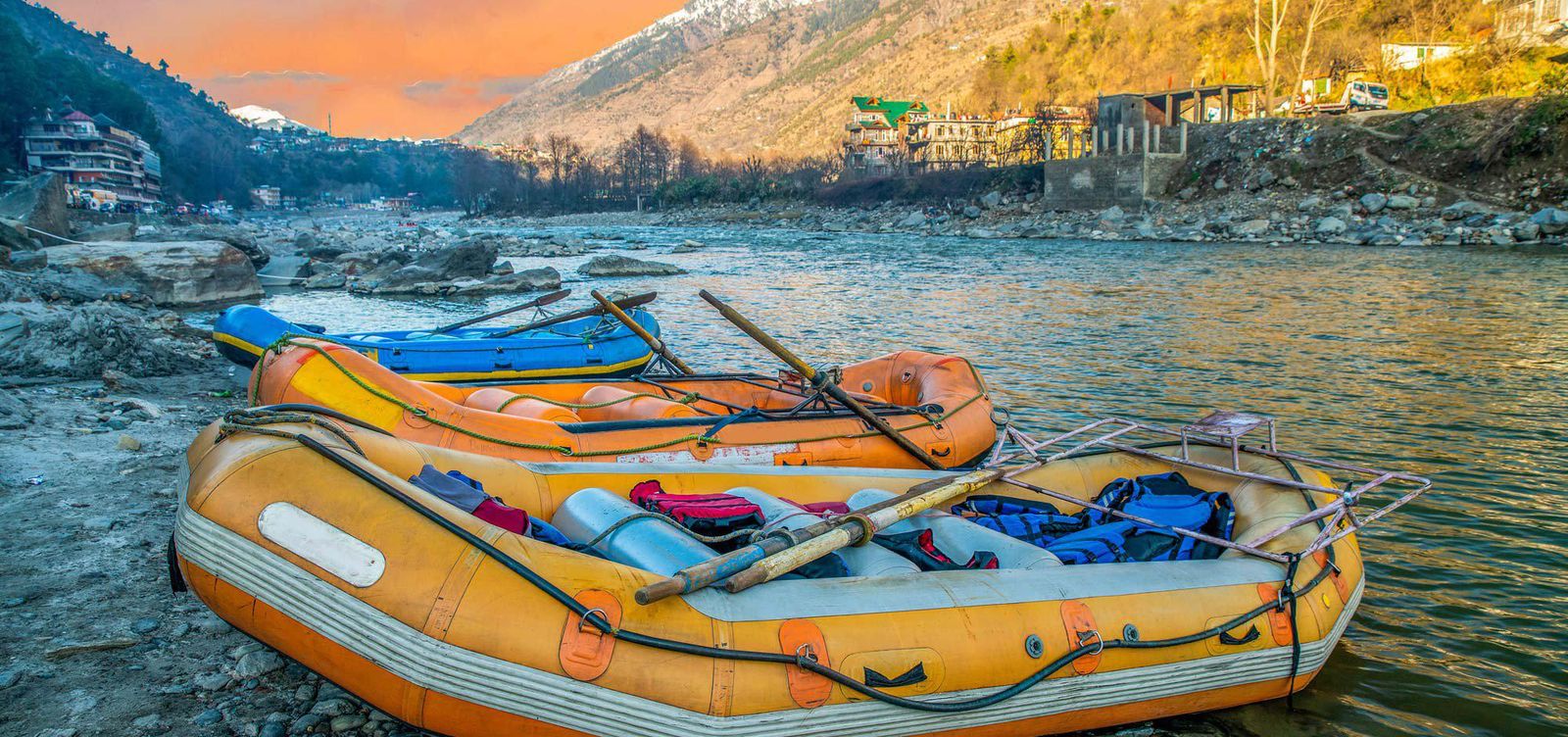
That same river you've been admiring? It transforms into a churning playground for white-water rafting during the warmer months. Rapids range from beginner-friendly splashes to heart-pounding Class III stretches that leave experienced rafters grinning and soaked.
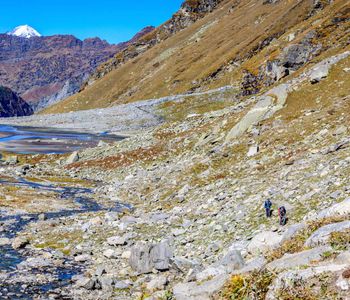
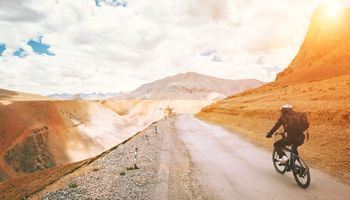
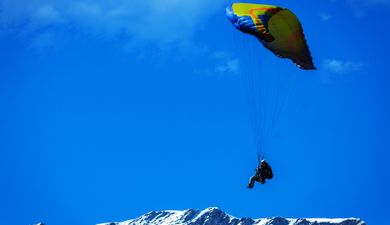
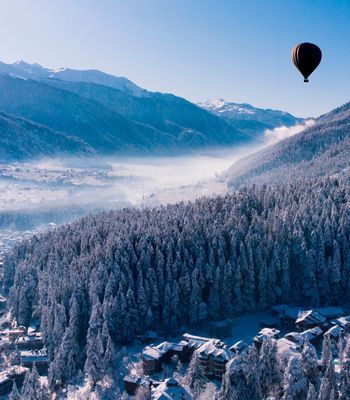
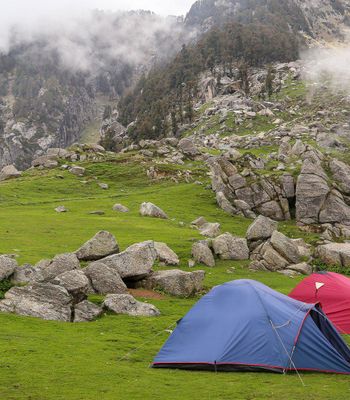
Prefer your thrills airborne? Paragliding launches from elevated ridges around the valley send you soaring over the patchwork of green fields, silver river bends, and tiny villages below. Trekking routes fan outward toward the Great Himalayan National Park — a UNESCO World Heritage Site brimming with rare wildlife and alpine meadows that feel like they belong to another world entirely.
Kullu Dussehra: A Festival Like No Other
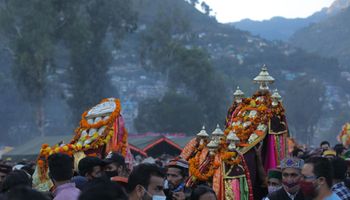
Most of India celebrates Dussehra in a single day. Kullu turns it into a week-long spectacle that typically kicks off in October and swallows the entire valley in music, color, and devotion. Local deities — ornately decorated and carried on wooden palanquins — are paraded from surrounding villages to the main festival ground at Dhalpur Maidan in grand processions that feel both ancient and electric.
Drums echo off the hillsides. Dancers in vivid traditional dress spin through the crowds. The air smells of marigolds, woodsmoke, and festival sweets. Thousands of visitors and pilgrims pour in, yet the celebration never loses its intimate, deeply local character. If you can time your visit for this, do it — nothing else offers such an unfiltered window into Kullu's living soul.
When to Go
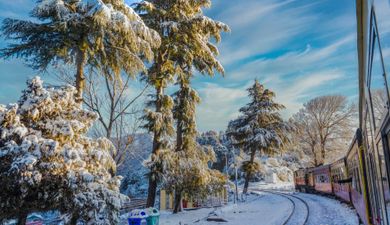
Spring (March through May) delivers blooming meadows and comfortable temperatures ideal for trekking and exploring. Autumn (September through November) pairs crystalline skies with festival energy — arguably the valley's finest season. Summer can swing between warm days and sudden monsoon downpours, while winter snowfall occasionally blocks access to higher elevations.
Let the Valley Set the Pace
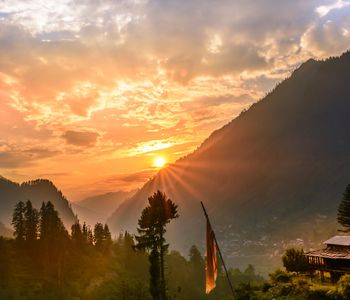
Kullu doesn't want your checklist. It wants your attention. Linger over chai at a roadside stall while fog lifts off the river. Follow a temple trail just to see where it leads. Watch the Beas catch the late-afternoon light and turn molten gold. Whether you spend your days battling rapids, climbing to sacred hilltops, or simply breathing in air that tastes like pine and possibility, this corner of Himachal Pradesh fills something you didn't know was empty.