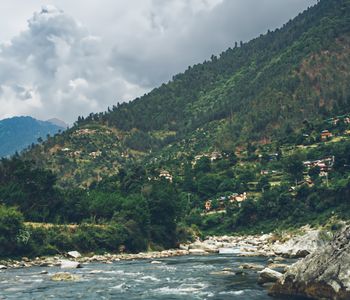
At nearly 7,900 feet, the air hits differently. Thinner, crisper, laced with the scent of pine resin and wood smoke curling from slate rooftops. Tosh Village clings to a hillside in the Parvati Valley of Kullu district, and everything about it feels earned — the sweeping panoramas, the silence between birdsong, the unhurried rhythm of days measured not by clocks but by the angle of sunlight on snow-dusted peaks. This isn't a hill station with a mall road and honking taxis. Tosh is the Himachal Pradesh your guidebook almost forgot to mention — wooden homes older than your grandparents, ancient temples humming with incense, and apple orchards that perfume entire hillsides come spring. Below, the Tosh River rushes through the valley like a restless pulse. Above, the Himalayas stand impossibly close.
A Valley That Changes Its Wardrobe Every Season
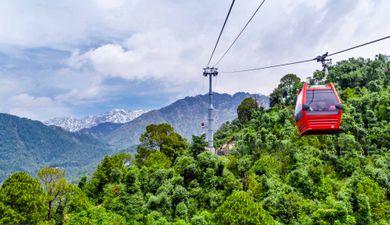
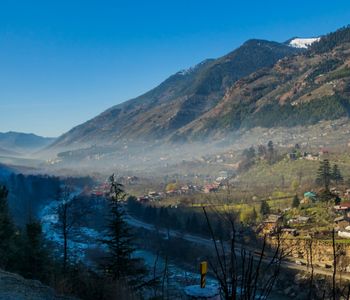
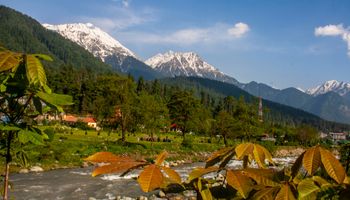
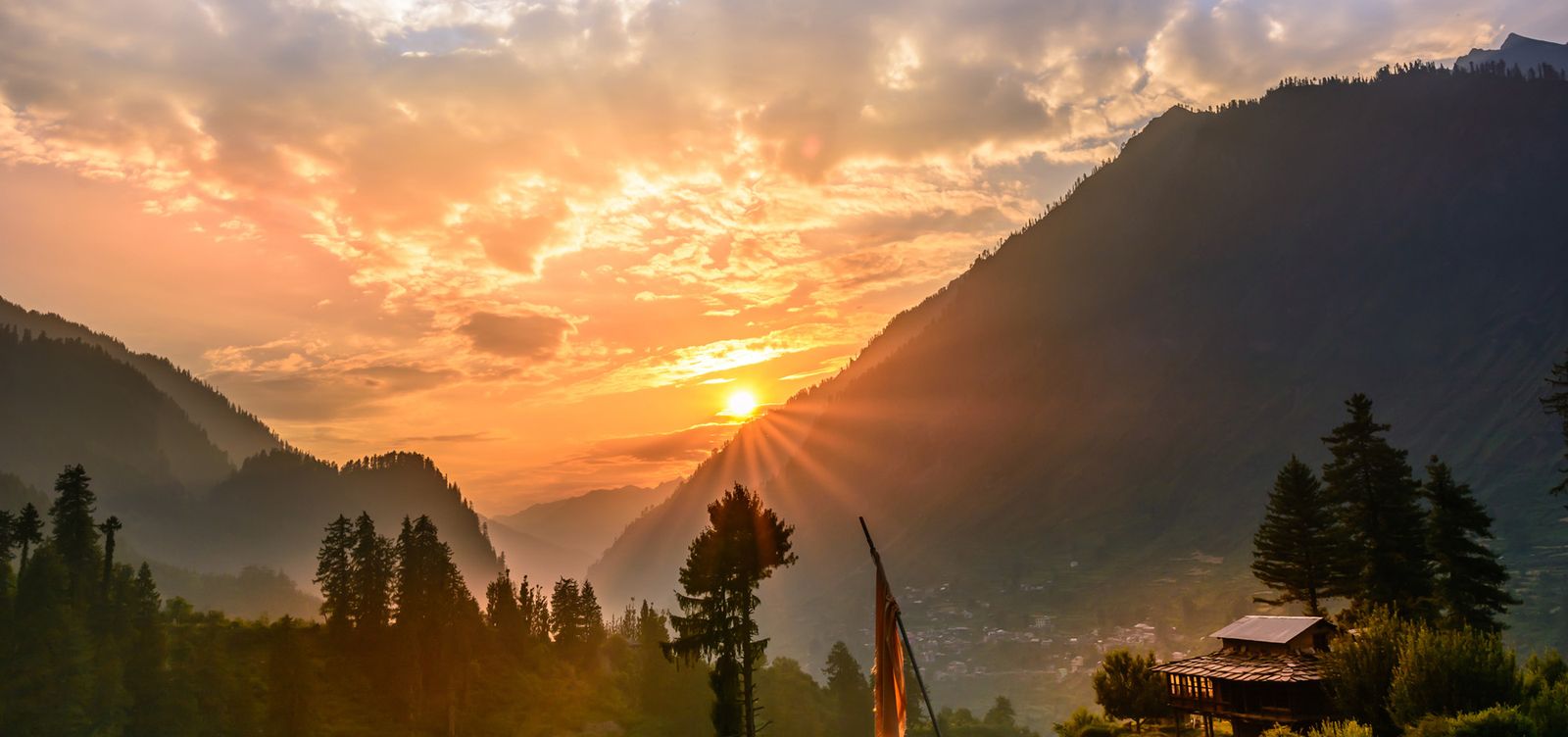
Perched on its hillside throne about 20 kilometers from Kasol, Tosh gazes across the Parvati Valley toward the famous Kheerganga trek route on the opposite slope. The altitude alone guarantees drama — terraced fields cascade downward in quilted greens, snow-capped ridgelines bite into blue sky, and the valley floor stretches out like a living map beneath your feet.
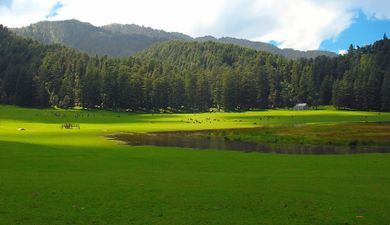
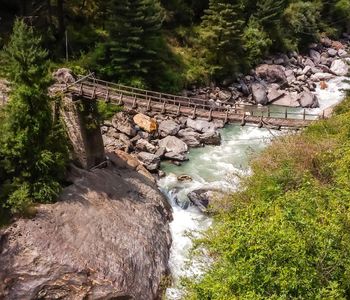
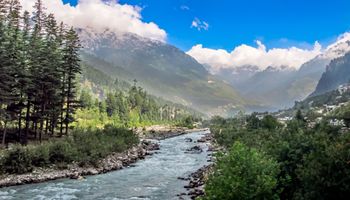
The Tosh River, a tributary of the Parvati, carves through the landscape with seasonal moods. Spring and summer send glacial melt roaring through the channel, the water white and thunderous. Winter hushes everything — the current slows, ice edges the banks, and silence settles like fresh snowfall. Between April and June, wildflowers erupt across the meadows in electric purples, yellows, and whites. Return in October, and the same hillsides glow amber and gold as leaves turn, the air carrying that unmistakable autumn bite that makes you pull your jacket tighter and breathe deeper.
Walls That Flex With the Earth: Tosh's Living Architecture
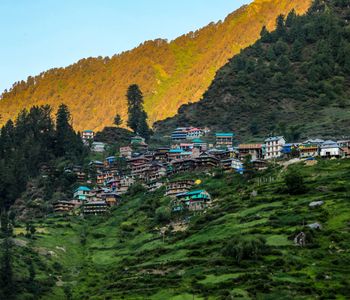
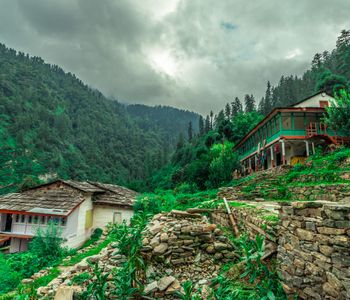
Before you've even set down your backpack, the buildings themselves will stop you in your tracks. Tosh's homes follow kath-kuni, a traditional Himachali construction method where alternating layers of timber and dry stone are stacked without a single drop of mortar. The result? Walls that flex and absorb seismic shocks in a region where earthquakes are a fact of life. Ingenious doesn't quite cover it.
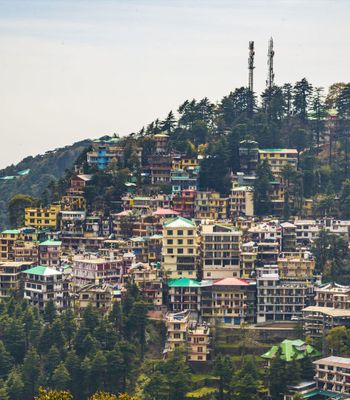
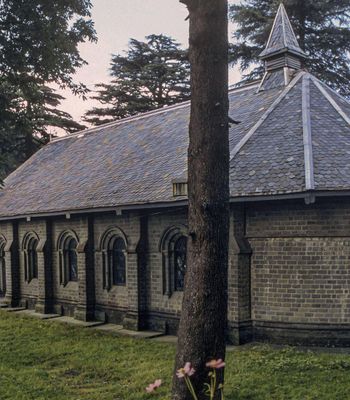
Wander the narrow village lanes and look up — intricately carved wooden balconies jut out overhead, their details darkened by decades of mountain weather. Sloped slate roofs angle sharply to shrug off heavy winter snow. Every home feels like it grew out of the hillside rather than being placed upon it. What's encouraging is that newer guesthouses are borrowing these same materials and designs, so even as travelers trickle in, the village hasn't lost its visual soul. The harmony between stone, wood, and mountain is unbroken.
Where Deities Still Shape Daily Life
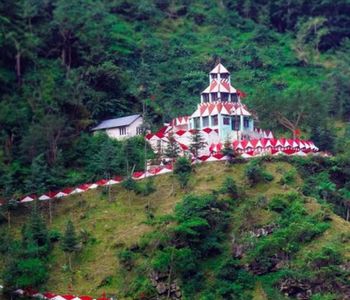
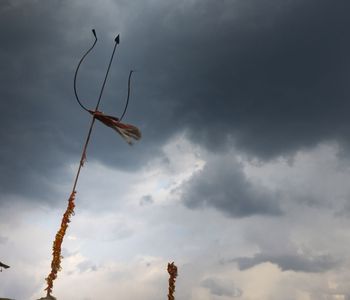
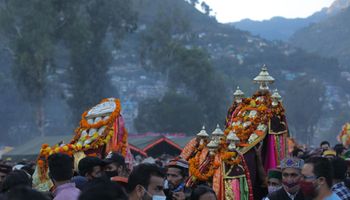
An ancient temple dedicated to the sage Jamadagni anchors the spiritual heart of Tosh. Incense threads through the air around its entrance, and bells sound at hours that follow the Himachali calendar rather than any tourist schedule. During festivals, the entire village gathers — drums beat, feet move in traditional dance, offerings are presented with a solemnity that makes you realize you're witnessing something deeply personal.
What's fascinating is how local deities still hold genuine influence over community decisions here. This isn't symbolic or performative. Across several villages in the Kullu Valley, divine guidance shapes governance and social life in ways that predate modern institutions by centuries. If you approach with genuine curiosity and respect — ask a local, listen more than you speak — the layers of tradition that reveal themselves will stay with you far longer than any mountain view.
Where Every Trail Leads Somewhere Unforgettable
Lace Up for Kheerganga and Beyond
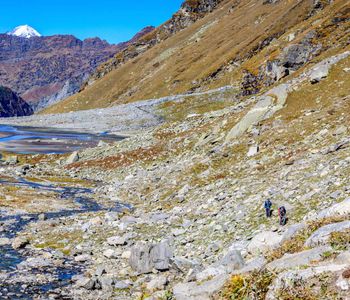
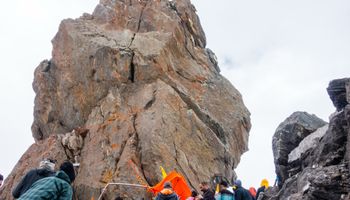
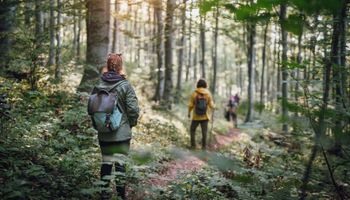
Tosh doubles as a launchpad for some of the Parvati Valley's most rewarding treks. The trail to Kheerganga — famous for its natural hot springs steaming at the top of the world — drops down to the valley floor and winds through dense forest, across river crossings slick with spray, and into open meadows where the only sound is your own breathing. Budget five to six hours one way. Not ready for a full-day commitment? Just walk uphill from the village center for an hour. The viewpoints you'll discover — silent, windswept, yours alone — rival anything on longer routes.
Sleep Under a Sky You Won't Believe
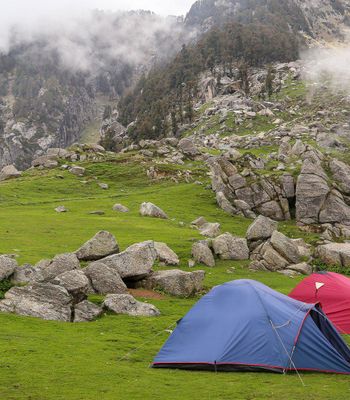
Minimal light pollution at this altitude means the night sky in Tosh is almost absurdly beautiful. The Milky Way doesn't just appear — it blazes, a river of light so vivid it feels close enough to touch. Several campsites on the village outskirts provide tents with basic amenities, and falling asleep to absolute silence after hours of stargazing is the kind of experience that recalibrates your sense of wonder. Photography tip: bring a tripod and a wide-angle lens, especially between October and March when the skies are darkest and clearest.
Morning Walks Through a Living Aviary
Early risers get rewarded here. The forests surrounding Tosh shelter Himalayan bird species including the elusive Western Tragopan and several striking pheasants. Slip out before the village stirs, follow a quiet forest trail, and let the chorus guide you — flashes of color between the pines, calls echoing through the damp morning air. In spring, the approach to the village becomes an orchard corridor, rows of apple trees bursting with pink and white blossoms so fragrant you'll find yourself walking slower just to breathe it all in.
Where to Eat, Sleep, and Warm Your Hands Around Chai
Over the past decade, a modest constellation of guesthouses and cafés has taken root in Tosh, tailored to backpackers and budget travelers who don't need luxury but appreciate a warm bed and a mountain view. Most guesthouses offer simple rooms facing the peaks, hot water that feels like a small miracle after a cold trek, and basic Wi-Fi. Book ahead if you're visiting during peak season — May through June and September through October — when rooms fill fast.
For food, the village serves up a delicious collision of cultures. Himachali kitchens turn out siddu, a traditional steamed bread stuffed with poppy seeds or walnuts — soft, warm, subtly nutty, and unlike anything you've had before. Israeli cuisine appears on several menus, a reflection of the valley's popularity among international backpackers. And then there's the universal comfort duo: a steaming cup of chai paired with a bowl of Maggi noodles at a wooden table while mist rolls through the valley below. Somehow, it tastes better at 7,900 feet. Prices across Tosh remain refreshingly gentle on the wallet.
Getting There: The Journey Is Part of the Story
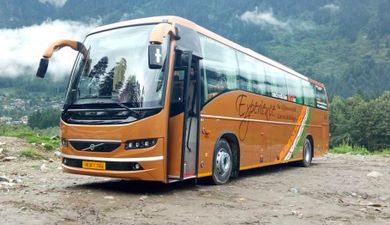
Reaching Tosh involves a commitment — and that's part of its charm. From Delhi, Himachal Road Transport Corporation buses run to Bhuntar, the nearest town with an airport and a major bus stand. The road journey stretches 12 to 14 hours, winding deeper into the mountains with every passing hour. From Bhuntar, hop a local bus or share a taxi to Barshaini, the last point a vehicle can reach. Then it's a 30-minute uphill walk to the village entrance — legs burning slightly, lungs adjusting, anticipation building with every switchback.
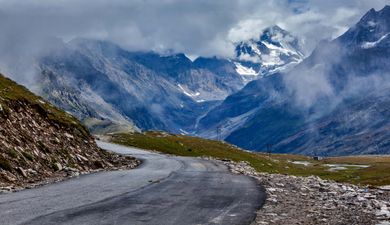
Coming from Manali? Bhuntar is about an hour's drive, with onward connections to Barshaini. Private taxis from Bhuntar or Kasol are easy to arrange if you'd rather skip the shared transport. Fair warning: the road between Kasol and Barshaini is narrow, carved into the mountainside, and punctuated by hairpin turns that will test your nerves — and reward you with jaw-dropping views through every window.
When to Go (and When to Stay Home)
March through June and September through November are Tosh's sweet spots. Spring and early summer bring mild days between 50 and 70°F, wildflower meadows, and crystal-clear mountain mornings. Monsoon season — July to mid-September — unleashes heavy rain that turns trails treacherous and triggers landslides along the access roads. Experienced Parvati Valley travelers steer well clear during these months.
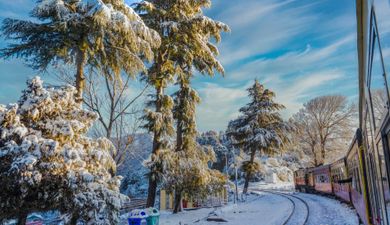
Snow lovers, take note: December through February wraps the village in white silence. Temperatures plunge below freezing after dark, so pack serious layers and waterproof everything. The reward? A landscape so still and luminous it feels like stepping inside a photograph. Regardless of when you arrive, set your alarm early — mornings deliver the clearest skies and the most breathtaking mountain views before clouds build along the ridgelines.
Tosh doesn't try to impress you. It doesn't need to. Centuries-old traditions pulse quietly through its lanes, the Himalayas frame every glance upward, and the community welcomes visitors who arrive with open hearts and respectful curiosity. Plan thoughtfully, tread lightly, and let this small village surprise you — because a few days in Tosh has a way of becoming the chapter of your Northern India journey you'll retell the most.