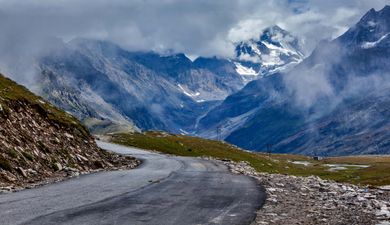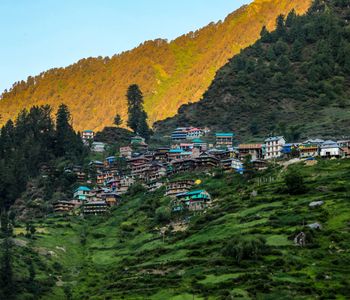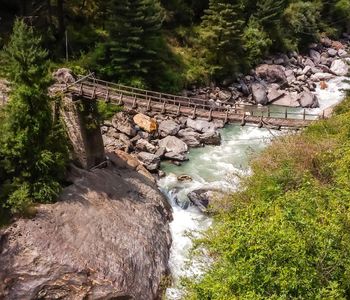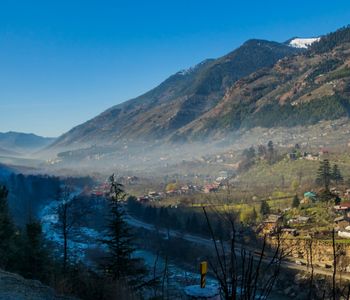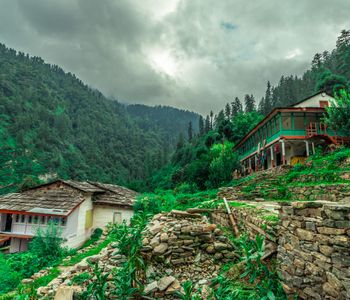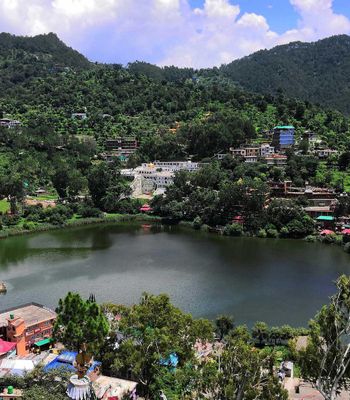
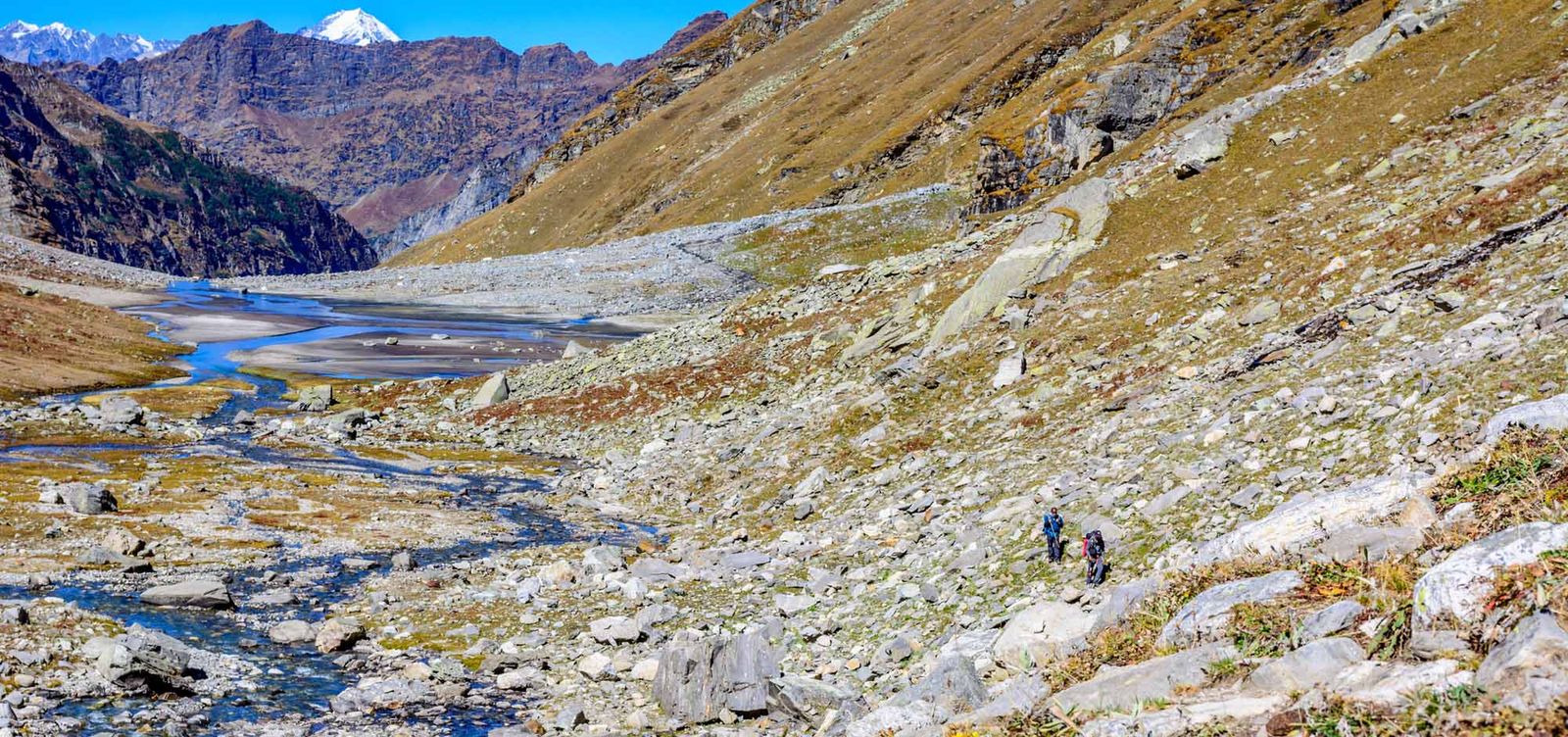
At 14,100 feet, the wind cuts sharp against your face — and then the world splits in two. Behind you, a valley dripping with green, alive with wildflowers and the rush of glacial streams. Ahead, a vast, bone-dry moonscape stretches to the horizon, silent and ancient. This is Hampta Pass, one of the most dramatic mountain crossings in the Indian Himalayas, where the lush Kullu Valley surrenders to the stark, arid expanse of Lahaul and Spiti in a single breathtaking stride. What takes most mountain ranges hundreds of kilometers to accomplish — a complete transformation of landscape — Hampta Pass pulls off in a matter of hours. Whether you're lacing up your trekking boots for the first time at altitude or you've already worn through a few pairs on Himalayan trails, this is a trek that stays with you.
The Trail Unfolds: From Forest Floor to Frozen Pass
Four to five days. Twenty-six kilometers. That's all it takes to walk between two entirely different worlds. Most journeys begin in the small village of Jobra, a bumpy ride from Manali, where the trail wastes no time plunging you into alpine meadows ribboned with icy river crossings.
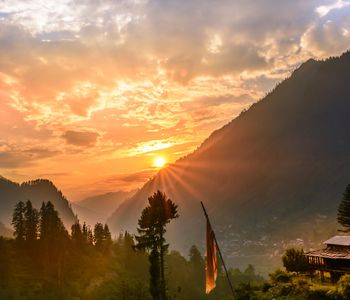
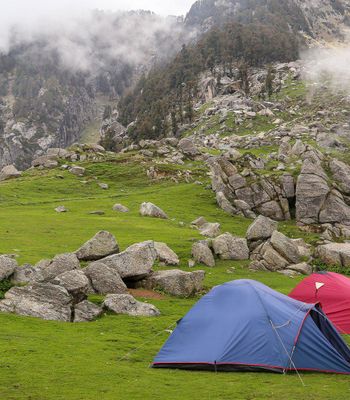
Your first night lands at Chika, a forested campsite where the scent of pine resin hangs heavy in the evening air. Next comes Balu Ka Ghera — a sandy clearing cradled by towering peaks that glow amber in the last light of day. From here, you make the big push: up and over the pass itself, then down to Shea Goru on the Lahaul side, where the silence is so complete you can hear your own heartbeat.
No two days on this trek look or feel remotely alike. Each morning you unzip your tent to a landscape that seems to have rewritten itself overnight.
Two Worlds Collide in a Single Trek
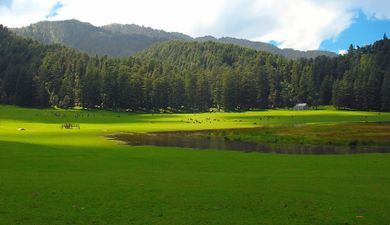
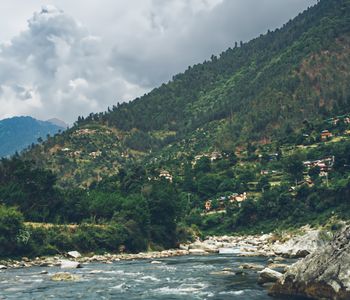
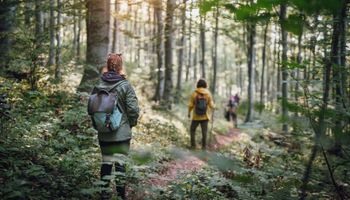
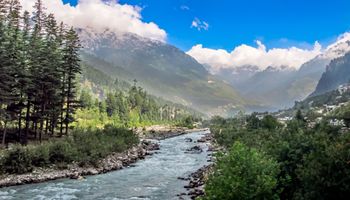
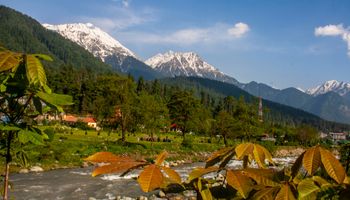
The Kullu Valley side wraps around you like a living thing. Thick birch and deodar forests crowd the lower trail, their branches filtering sunlight into dappled patterns on the mossy ground. Higher up, meadows erupt with wildflowers — rhododendrons blazing red, tiny primulas nodding in the breeze — while glacial streams chatter over smooth stones beside you.
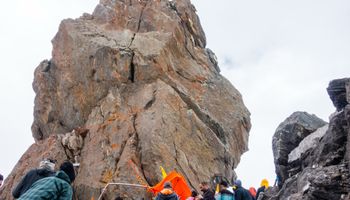
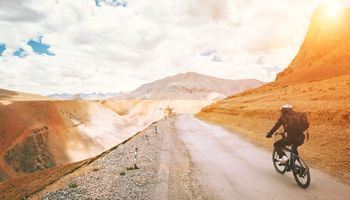
Then you crest the pass, and everything changes. Almost violently. The green vanishes. The air dries out. Lahaul stretches before you in shades of brown, grey, and rust — sparse vegetation clinging stubbornly to rocky earth, mountains stripped bare under an enormous sky. Trekkers often describe the sensation as stepping from monsoon into winter, from jungle into desert, within the span of a single afternoon.
Photographers, bring extra memory cards. You'll burn through them fast.
Wild Things: The Creatures and Colors of the Trail
Below the treeline, blue pine and silver birch forests give way to scrubby juniper and high-altitude grasses as you climb. Between June and September, the meadows near Jobra and Chika transform into carpets of color — primulas, anemones, and buttercups stitched together in patterns no garden could replicate.
Keep your eyes on the steep slopes above, where Himalayan tahrs — wild mountain goats with impossibly sure footing — pick their way across near-vertical rock faces. At higher elevations, plump marmots dart between boulders, whistling sharp alarm calls as you pass. Overhead, the enormous wingspan of lammergeiers and Himalayan griffon vultures traces lazy circles on the thermals. Snow leopard sightings? Extraordinarily rare — but knowing you're walking through their territory adds an electric thrill to every ridgeline glance.
When to Go: Timing Is Everything Up Here
The trekking window runs from June through October, but each month wears a different face. Early season means snow still draped across the pass — stunningly beautiful, genuinely challenging. July and August bring monsoon rains that swell the river crossings and paint the Kullu meadows in their most vivid greens.
September and early October? That's the sweet spot. Skies clear to a crystalline blue, the monsoon retreats, and autumn brushes the valley in gold and copper. Nights at the pass plunge below freezing even in summer, so pack warm layers no matter when you go. And forget about winter crossings entirely — heavy snowfall buries the route and temperatures drop to dangerous levels.
Getting Trail-Ready: Body, Gear, and Paperwork
Don't let the "moderate" classification fool you into complacency. Steep ascents, glacial stream crossings, and nights spent camping above 12,000 feet demand genuine preparation. Start a fitness routine at least a month out — running, cycling, stair climbing — anything that builds the cardiovascular stamina to keep your legs moving uphill for hours at a stretch.
What to Pack (and What You'll Be Grateful For)
Layer everything. Sunshine at midday can feel almost warm, but step into shade or wait for evening at Balu Ka Ghera, and the cold bites hard. Waterproof jackets, thermal base layers, and sturdy trekking boots with solid ankle support are non-negotiable. Your sleeping bag should be rated for sub-zero temperatures — trust this advice when you're curled up at 13,000 feet with frost forming on the tent walls. Trekking poles will save your knees on the punishing descent from the pass.
Permits, Guides, and Getting There Safely
Permits are required for the Hampta Pass route. Most organized trekking companies handle the paperwork, but independent trekkers can arrange them through the forest department in Manali. Hiring a local guide isn't just recommended — it's smart. Glacial stream crossings shift with the seasons, and an experienced guide reads the water, selects safe campsites, and manages acclimatization schedules that keep altitude sickness at bay.
Getting to the Trailhead (and Back Again)
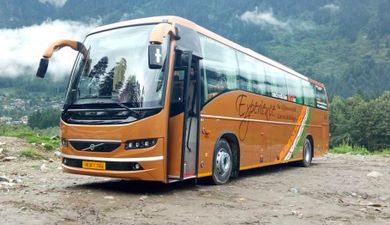
Manali is your launchpad. From Delhi, overnight buses rumble north for 12 to 14 hours through winding mountain roads — grab a window seat and try to sleep through the hairpin turns. Alternatively, fly into Bhuntar Airport near Kullu and cover the remaining two hours to Manali by taxi. Once in town, a 45-minute drive (arranged by your trekking operator or a local taxi) delivers you to Jobra, where the trail begins.
The trek ends at Chatru, a remote settlement on the Chandra River where silence and solitude are the only permanent residents. Pre-arrange your transport out — public options here are scarce and unreliable. Most groups either head back to Manali via the Rohtang Pass road or continue onward to Chandratal Lake for one more jaw-dropping day.
Chandratal Lake: The Grand Finale This Trek Deserves
A crescent of turquoise water cradled at 14,100 feet in the Spiti region — Chandratal Lake shifts color throughout the day like a living mood ring, cycling through shades of emerald, sapphire, and deep teal depending on the light and cloud cover. From Chatru, it's a 65-kilometer drive followed by a short hike to the lakeshore.
Camp here overnight if you can. Wake before dawn, step outside your tent into the biting cold, and watch the first rays of Himalayan sunrise paint the still water in gold and pink. Facilities are minimal and the remoteness is real, so carry enough food and warm clothing to be fully self-sufficient. Every ounce of extra weight is worth the reward.
What It Costs: Budgeting Your Himalayan Crossing
Organized treks through Hampta Pass typically run between ₹7,000 and ₹12,000 per person, covering meals, camping equipment, guide services, and permits. Transportation to and from the trailhead may or may not be included — always confirm before you book. Independent trekkers can trim the budget but need to source their own gear, food, and permits.
Crossing Hampta Pass isn't just a trek — it's a collision of two Himalayan worlds compressed into a handful of extraordinary days. The green valleys hum with life. The barren passes ring with silence. And somewhere between the two, standing on a windswept ridge with your lungs burning and your eyes wide open, you realize this is exactly why you came. Pack wisely, choose the right season, respect the mountains — and let every step write a story you'll carry home forever.