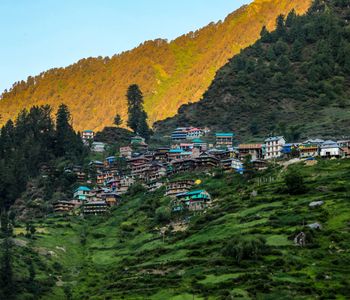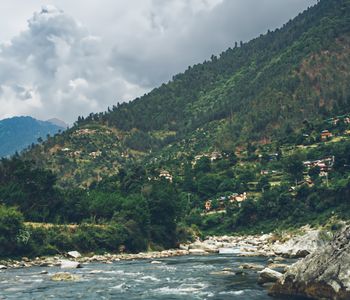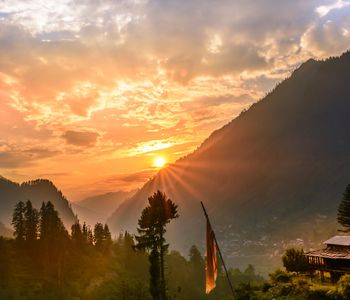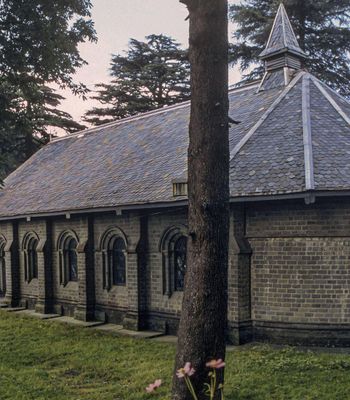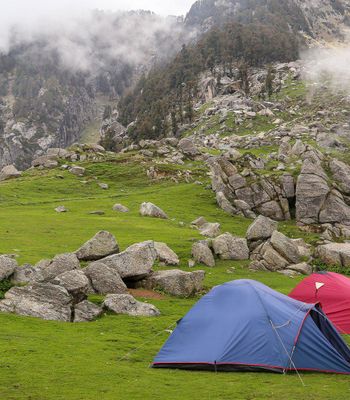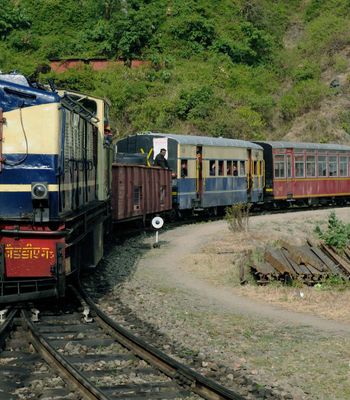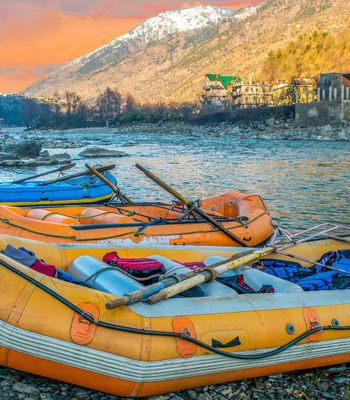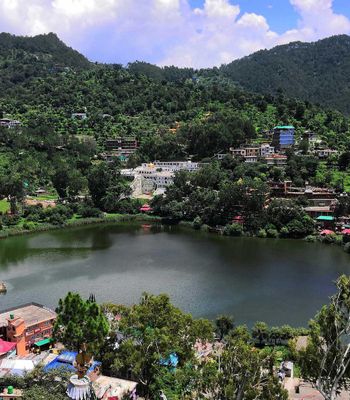
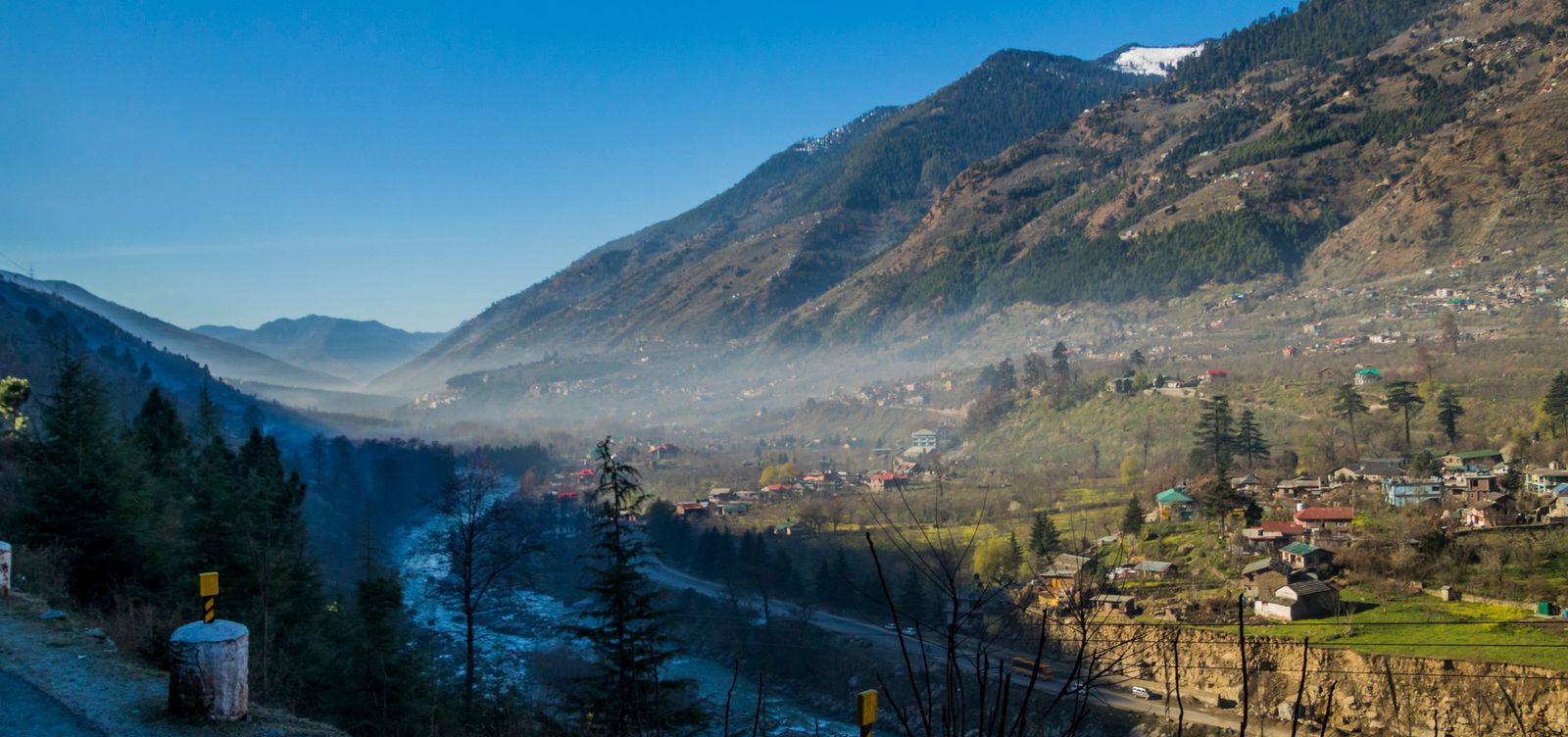
Most valleys in Himachal Pradesh announce themselves. Kullu has its rafting brochures and Manali its honeymoon crowds. Banjar Valley, by contrast, simply exists — a long, unhurried corridor of deodar forests and slate-roofed villages along the Tirthan and Jiwa Nal rivers, south of Kullu town. The air here carries the sharp resin scent of cedar and, in autumn, the faint sweetness of apples drying on rooftops. What makes Banjar unusual isn't spectacle but restraint. The valley doesn't compete for your attention. It earns it slowly, over quiet mornings and conversations with farmers who seem genuinely puzzled that you've come all this way. That puzzlement, frankly, is part of its appeal.
A Valley That Still Answers to Its Gods
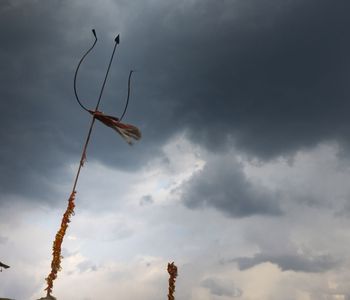
Banjar sits at roughly 1,500 metres in the Kullu district, serving as a gateway to the Great Himalayan National Park. But the valley had its own identity long before the national park earned UNESCO status in 2014. For centuries, communities here governed themselves through a system tied to temple deities — village decisions made in consultation with the presiding god's oracle. This isn't folklore preserved in a museum vitrine. It still happens.
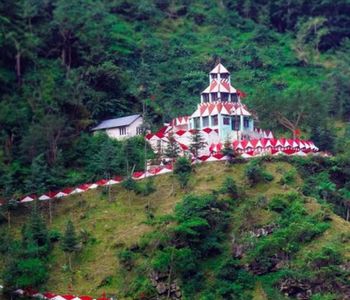
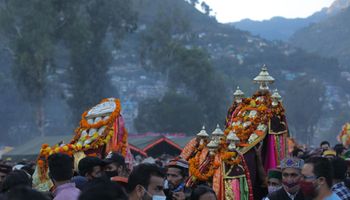
The Shringa Rishi Temple in Banjar town anchors much of this tradition. Dedicated to the sage Shringi, who appears in the Ramayana, its pagoda-style wooden architecture belongs to a building lineage shared with parts of Nepal and Japan but refined into something unmistakably its own in these hills. Carved panels depicting animals and celestial figures line the exterior, darkened by centuries of woodsmoke and mountain weather until the wood has the colour of strong tea. During local fairs, the deity's rath — a decorated palanquin — moves through the streets while drums set a rhythm you feel behind your sternum before you hear it properly.
Deodar and Silence
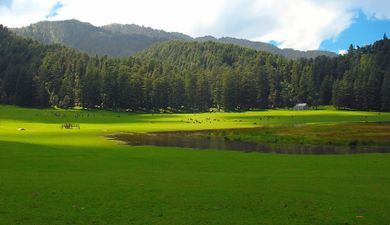
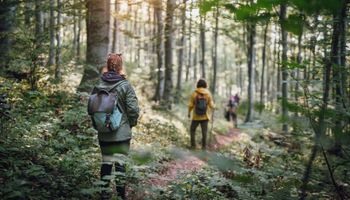
The forests surrounding Banjar Valley are dominated by Himalayan cedar, known locally as deodar — from the Sanskrit "devadaru," timber of the gods. Walking beneath these trees feels cathedral-like, and that comparison isn't lazy. The canopy filters light into columns, the ground is soft with decades of fallen needles, and sound dies fast. You hear your own breathing. Little else.
Birdlife, however, punctures that hush without apology. The western tragopan, one of the world's rarest pheasants, inhabits the upper reaches near the national park boundary. Spotting one demands patience and altitude, but even lower down you'll catch Himalayan griffon vultures riding thermals above the ridgeline and flocks of white-crested laughingthrushes whose call sounds exactly as absurd as their name suggests — a cascading, unhinged giggle that carries across the entire slope.
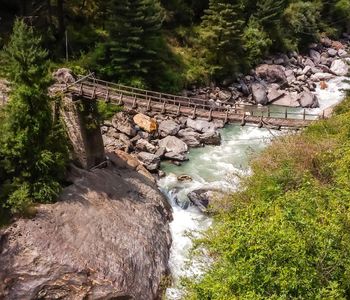
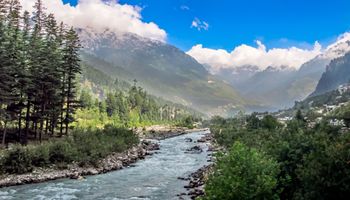
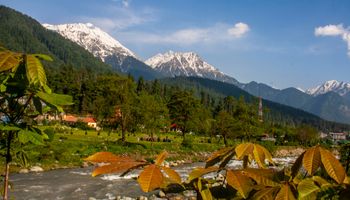
The Tirthan River threads through the lower valley, cold and remarkably clear. Trout fishing is permitted in designated stretches with a license from the Himachal Pradesh fisheries department. The brown trout here were originally introduced by the British, and they've thrived in these oxygen-rich currents for over a century now. The river earns its reputation not through drama but through an almost unreasonable transparency — you can count stones on the bottom from six feet above.
Stone Houses and Woodsmoke Mornings
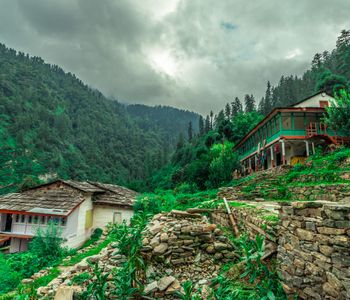
Traditional homes in Banjar Valley use a construction technique called kath-kuni — alternating layers of stone and timber stacked without mortar. The method is earthquake-resistant, which matters here, in a seismically active zone where the ground has its own opinions. These houses lean slightly with age, their wooden balconies blackened and worn, and they radiate a kind of stubbornness that concrete construction never achieves. You look at them and understand immediately that they were built to outlast their builders.
In the smaller hamlets — Gushaini, Shoja, Jibhi — mornings begin with woodsmoke curling from kitchen roofs and the clatter of metal pails as families tend to livestock. Jibhi has attracted a cluster of guesthouses in recent years, and its waterfall draws a steady trickle of visitors. Shoja, perched higher along the road toward Jalori Pass, offers views of snow peaks from its handful of homestays. Here's the counterintuitive truth about this valley: the less you plan, the more you find. Wander without a destination and a trail will present itself — along a creek bed, through an orchard, past a temple you hadn't read about in any guide.
Over the Pass and Into Another Register
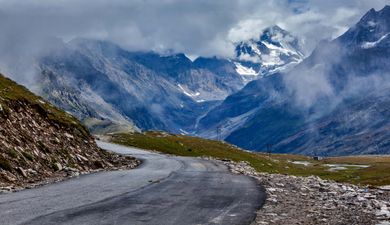
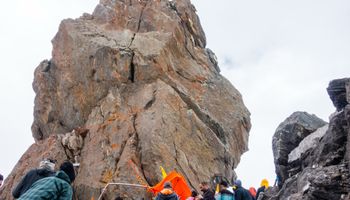
Jalori Pass, at approximately 3,120 metres, marks the upper boundary of the Banjar Valley experience for most travellers. The road from Banjar town climbs through tightening switchbacks, past apple orchards that give way to oak and then rhododendron. At the top, prayer flags snap in a wind that arrives from somewhere much colder and much higher. You step out of the car and your lungs notice the difference immediately.
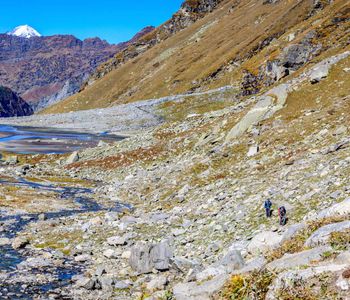
From the pass, a moderate trek of about five kilometres leads to Serolsar Lake — a small alpine body of water surrounded by thick forest and a single wooden temple. The lake is dark, almost black in overcast light, and strangely still, as though it's holding its breath. Locals consider it sacred, and the atmosphere does nothing to argue otherwise. The trek back down to Jalori is easier on the lungs but harder on the knees — bring trekking poles if you have them.
Getting There Without Losing Your Mind
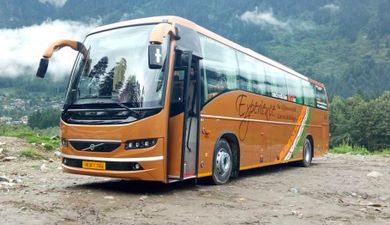
Banjar town lies about 60 kilometres south of Kullu along a two-lane road that follows the Tirthan River valley. From Delhi, the most practical approach is an overnight bus to Aut — a junction town on the Kullu-Manali highway — followed by a local bus or taxi into the valley. The drive from Aut to Banjar takes roughly ninety minutes and involves enough curves to test anyone's breakfast choices.
The nearest airport is Bhuntar, just 50 kilometres away, with irregular flights from Delhi and Chandigarh. Flights cancel frequently due to weather, so treat air travel here as a bonus rather than a plan. From Bhuntar, taxis to Banjar are readily available and reasonably priced if you negotiate before climbing in.
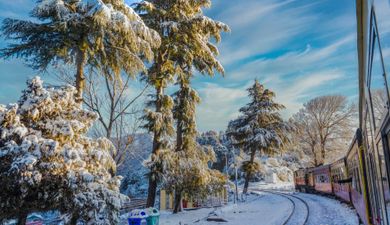
March through June and September through November are the best months. July and August bring monsoon rains that can trigger landslides and road closures — not in an abstract, theoretical sense, but in a your-bus-is-turning-around sense. Winter transforms the upper valley into a quiet, snow-dusted world, but Jalori Pass often closes from December through February, cutting off the higher reaches entirely.
Eating Simply, and Well
Banjar Valley doesn't have a restaurant scene, and that's perfectly fine. Homestays and guesthouses serve home-cooked Himachali meals — dal, rice, seasonal vegetables, and siddu, a steamed wheat bread stuffed with poppy seed paste or walnut. The siddu alone justifies the trip: dense, fragrant, with a faintly sweet interior that collapses against the tongue. In Banjar town, a few dhabas serve thali meals for under a hundred rupees. Don't expect menus. Expect food cooked by someone who's been making the same dishes for thirty years and has zero interest in your opinion about it.
Trout, when available at guesthouses along the Tirthan, is typically pan-fried with minimal seasoning. The fish doesn't need much help — the cold, clean water has already done the important work.
A Valley Worth Coming Back To
Banjar Valley doesn't photograph as dramatically as Spiti or narrate as conveniently as Shimla. Its appeal is cumulative — the sound of the river at night through an open window, the particular slant of afternoon light through deodar branches, the taste of fresh walnuts cracked on a stone. Come here not to check a box but to remember what it feels like when a place asks nothing of you. That alone, in the modern Himalayas, is rare enough to matter.