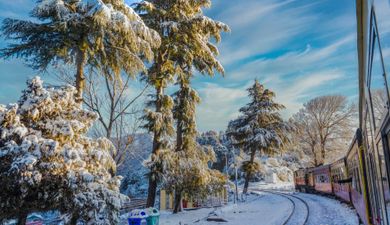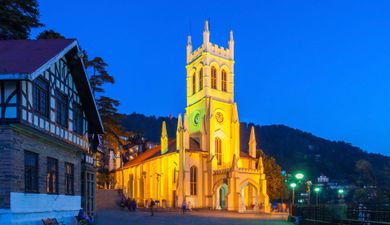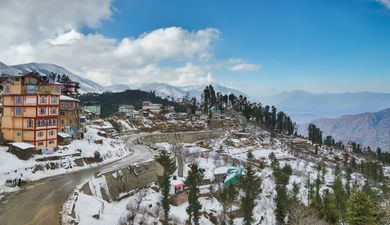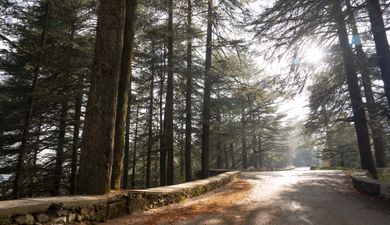
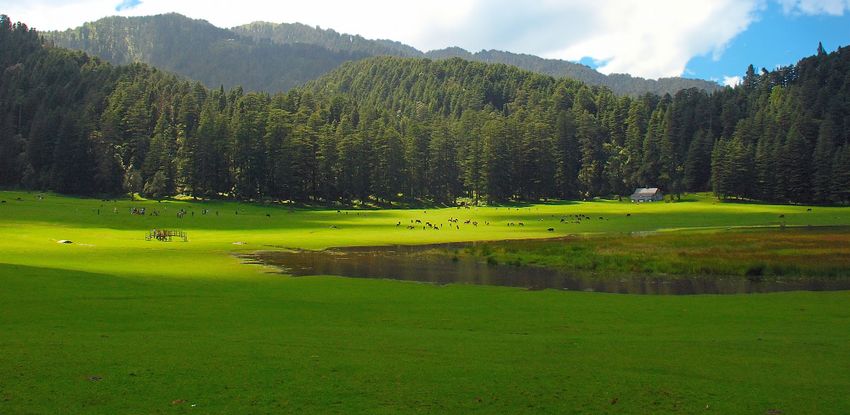
Himachal Pradesh is not one landscape but several, stacked vertically. The lower hills around Shimla carry the residue of the British Raj — half-timbered facades, narrow-gauge rail tunnels, and a ridge road where the loudest sound after sunset is the wind through deodars. Move north and the terrain shifts abruptly: the Beas Valley opens up between Kullu and Manali with apple orchards climbing the slopes, roadside dhabas selling rajma so thick the spoon stands upright, and air so clean it makes your chest ache after a week of city breathing. Farther still, Dharamshala sits on the Kangra Valley's edge, split between the busy lower town and the quieter Tibetan settlement above, where monks in maroon robes share the narrow lanes with backpackers and families who came for a day and stayed for three. These are not interchangeable hill stations. Each one earns its altitude differently.
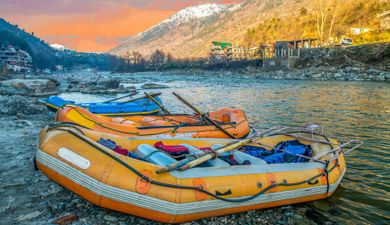
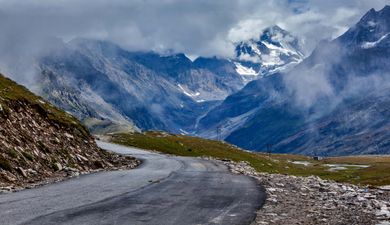
This eight-day route moves your family through three distinct registers of the Himalayan foothills. You'll start where India's colonial past still lingers in the architecture and the evening promenade, then drop into a river valley where the days stretch longer and the pace loosens — rafting, temples, hot springs, the controlled chaos of a Kullu market. Manali anchors the middle of the trip with time enough to push toward Solang or Rohtang without rushing, and to simply do nothing on one of those rare afternoons where the kids are happy and no one needs a plan. The final act belongs to Dharamshala, where the scale shrinks, the prayer flags replace the tourist signage, and you'll find a quieter frequency to end on. The itinerary is paced for families — enough structure to fill each day, enough slack to let the mountains do what mountains do when you stop moving.