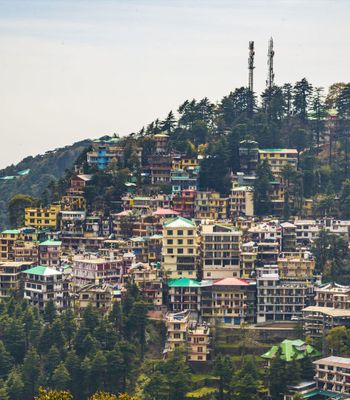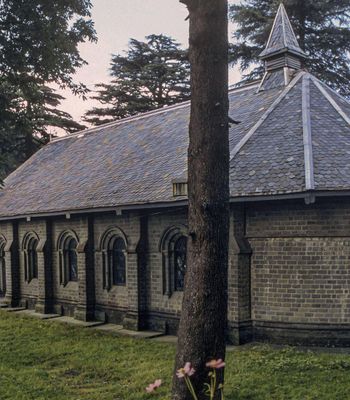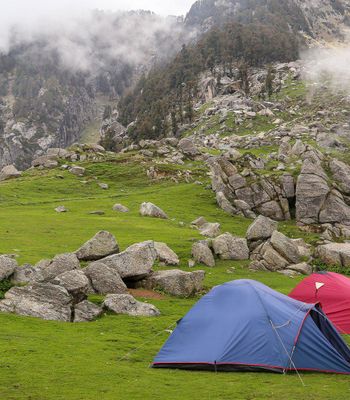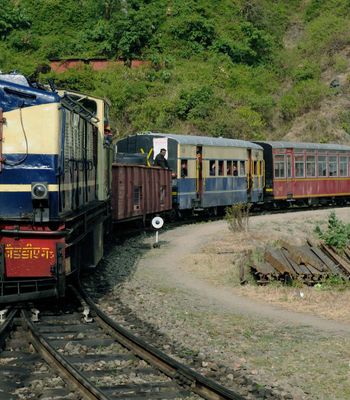
Most travelers blow right through Bhuntar — eyes on the prize, already daydreaming about Kullu or Manali. But pull over. Step out of the car. Take a breath of that crisp, pine-laced mountain air. This unassuming town at the confluence of the Beas and Parvati rivers has a way of catching you off guard with its quiet, unhurried beauty. Perched at roughly 3,600 feet in Himachal Pradesh's Kullu district, Bhuntar is the gateway to some of northern India's most legendary hill stations — but it deserves far more than a passing glance through a car window.
Where Two Rivers Collide
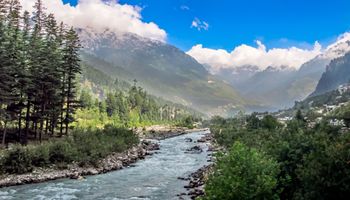
The wide, steady Beas rolls in from the north. The Parvati River charges from the east, carrying the glacial chill of high-altitude valleys in its current. Walk to the spot where they meet and just stand there for a moment — watch the two waters swirl together against a backdrop of impossibly green hillsides and neatly terraced fields.
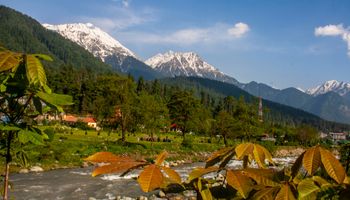
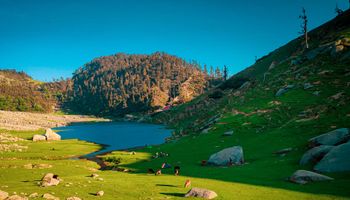
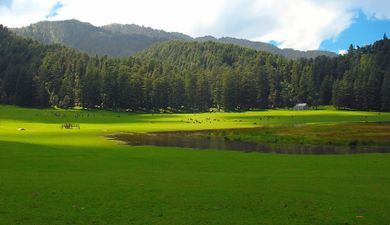
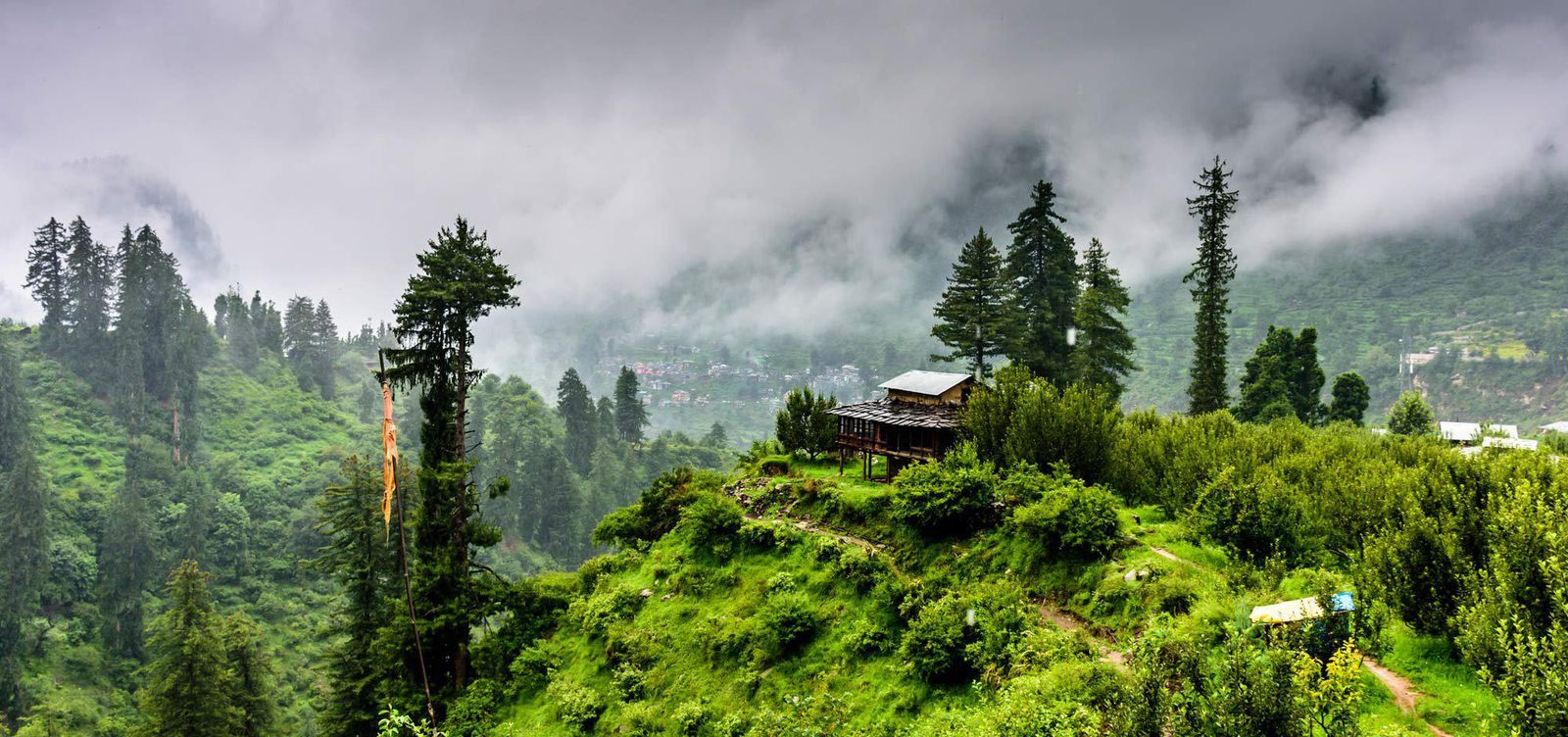
Around you, the landscape shifts like a living quilt: dense deodar forests give way to fruit orchards, then open into meadows dotted with wildflowers. Come in spring, and the valley floor erupts with apple blossoms and bursts of color underfoot. Return in autumn, and those same hillsides glow in warm copper and burnished gold, the kind of light photographers lose sleep over.
Your First Breath of the Mountains
Here's a fact that surprises most visitors: Bhuntar is home to the Kullu-Manali Airport, which makes it the aerial entry point for the entire upper valley and beyond. Flights connect to Delhi and Chandigarh, and the moment you step off the plane, you're already surrounded — mountains rising on all sides, the scent of pine sharp in the thin air, a panorama so immediate it almost feels unearned.
Taxis and local buses line up just outside, ready to whisk you deeper into the hills. But before you hop in, consider lingering. What you'll find here might just change your itinerary.
A Market That Moves at Its Own Pace
Forget the tourist-heavy bazaars of Manali. Bhuntar's central market is the real thing — vendors arranging pyramids of locally grown apples and plums, women selling hand-knit woolen shawls in deep jewel tones, the clatter of tin cups as chai wallah after chai wallah pours steaming rounds of milky tea.
Duck into a roadside eatery and order a plate of dham — the traditional Himachali feast of fragrant rice, slow-cooked dal, and seasonal vegetables simmered with regional spices that warm you from the inside out. Shopkeepers here speak Kullvi and Hindi, and if you linger at a stall long enough, you'll likely be offered a cup of chai and a conversation. The pace is slower. The welcome is genuine.
Adventure Hides in Plain Sight
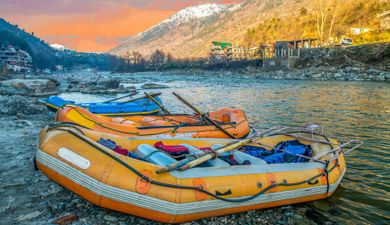
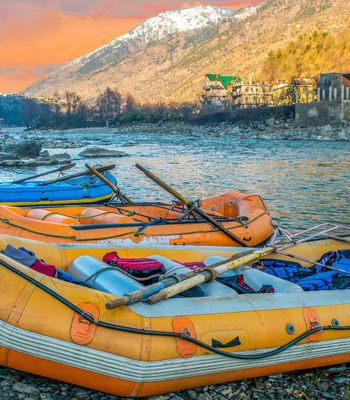
River rafting on the Beas? Right here. Operators run trips through stretches of rapids that range from gentle enough for first-timers to thrilling enough for intermediate rafters — all with the valley's forested slopes rushing past on either side. The spray is shockingly cold and absolutely exhilarating.
Anglers should take note: the riverbanks near town draw trout fishers during permitted seasons, and the quiet concentration of casting a line into these clear waters, backed by the sound of rushing current, is its own kind of meditation. Prefer solid ground? Short hikes along the river's edge or up into the surrounding hills deliver solitude and sweeping views — without the crowds that swarm more popular trails farther north.
The Gateway to Parvati Valley's Magic
Every journey into one of Himachal's most enchanting corridors begins right here. From Bhuntar, the road east unspools into the Parvati Valley, leading to:
- Kasol — a backpacker haven tucked along the Parvati River, where Israeli cafés sit beside Himachali dhabas and the forest hums with a laid-back energy all its own
- Manikaran — where natural hot springs send plumes of steam into mountain air, and Sikh and Hindu pilgrims worship side by side
- Tosh and Kheerganga — beloved by trekkers chasing alpine meadows, jaw-dropping ridgeline views, and the simple joy of earning a hot spring soak at the top
Temples Tucked Into the Landscape
Modest stone shrines appear along riverbanks and hillsides as naturally as the wildflowers do. The Kullu Valley's deep roots in Hindu mythology are woven into every corner of daily life here — temple bells ring softly through the trees, incense drifts from doorways, and prayer flags snap in the breeze above rushing water.
Visiting these temples isn't a "sightseeing stop" so much as a window into something living — a spiritual rhythm that hasn't been packaged for tourists and feels all the more powerful for it.
When to Go (and When to Think Twice)
Aim for March through June or September through November for the best conditions. The air is clear, the trails are open, and the valley is at its most photogenic. July and August bring monsoon rains — dramatic to witness, but heavy enough to trigger landslides and road closures that can strand even seasoned travelers.
Winter blankets the region in silence and snow, which is beautiful but limits outdoor activities and thins out transport schedules. If you don't mind bundling up and embracing a quieter pace, though, the off-season has its own stark magic.
The Kind of Place That Grows on You
No, Bhuntar doesn't have Manali's dramatic elevation or Dharamshala's spiritual gravity. It won't headline your Instagram grid. But stand at the confluence of those two rivers as the late-afternoon sun turns the water to gold, listen to the temple bells drifting across the valley, and feel the cool mountain breeze on your skin — and you'll understand why rushing past was never the right call.
Whether you spend a few unhurried hours between connections or carve out a full day to explore, this town offers something increasingly rare: an honest, unpolished introduction to what life actually feels like in the Kullu Valley. Sometimes the best discoveries are the ones you almost missed.