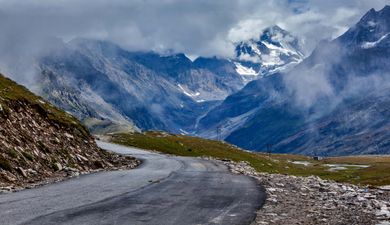
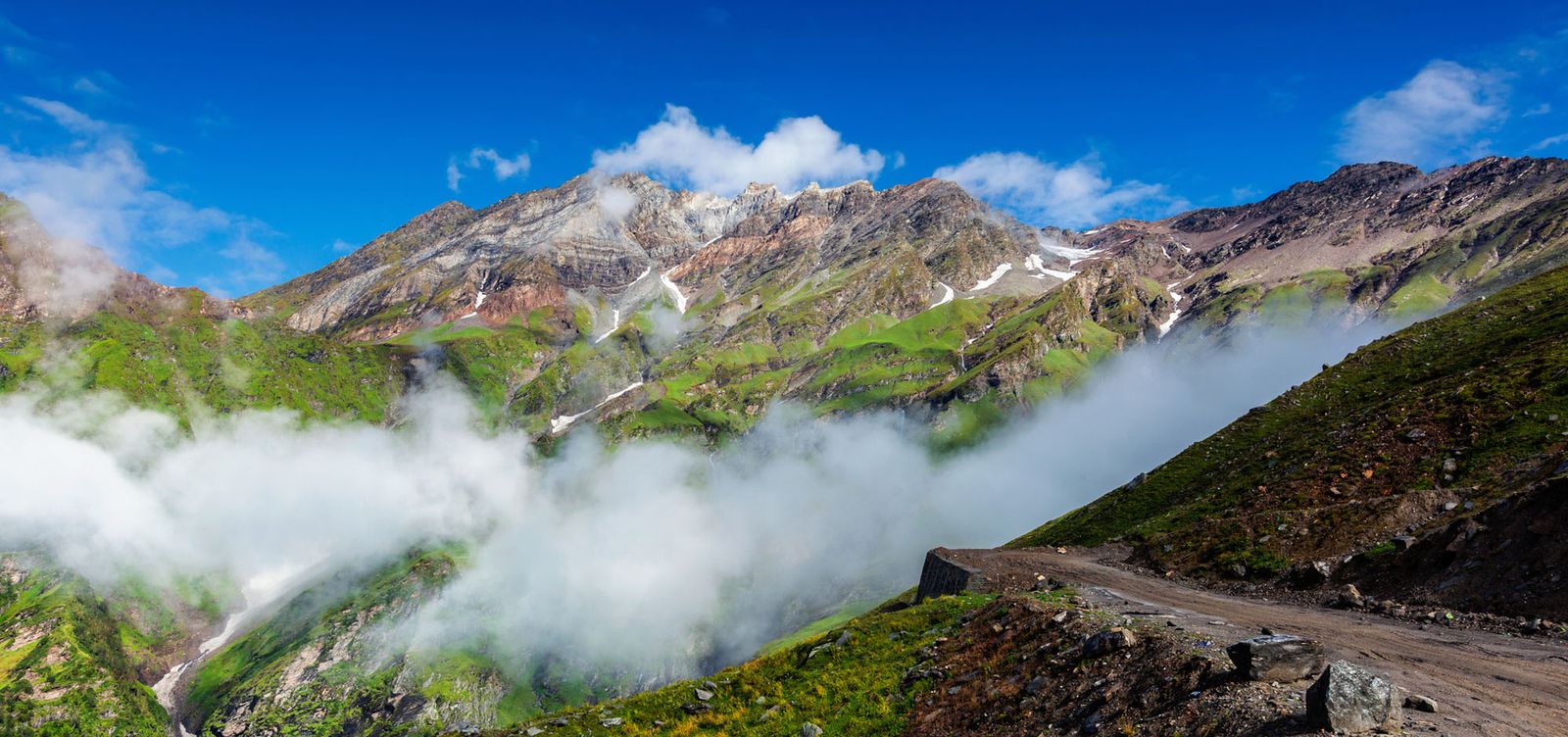
At 13,050 feet, the air thins and the world tilts. Rohtang Pass sits on the spine of the Pir Panjal range in Himachal Pradesh, an ancient trading corridor that once connected the Kullu Valley to the Lahaul and Spiti regions beyond. These days, it draws a different kind of traffic — travelers chasing altitude, snow in summer, and the particular silence that only exists above the treeline.
A Name That Doesn't Lie
"Rohtang" translates to "ground of corpses." No tourism board would choose it, but the name earned itself honestly over centuries. Traders, pilgrims, and soldiers died here in numbers — caught by sudden whiteouts, avalanches, or the sheer indifference of altitude. The pass remains open only between May and October. Winter shuts it down completely, and for good reason.
Here's something you might not expect: Rohtang doubles as a Bollywood backlot. Shooting snow sequences here costs a fraction of what a studio setup would, and Indian directors have made the most of it. You'll recognize the slopes from films like Jab We Met and Yeh Jawani Hai Deewani. During peak season, it's not unusual to share the mountainside with a film crew rigging lights beside a snowfield. The pass is wide enough to absorb both the cameras and the crowds, though the juxtaposition is surreal — a director shouting "action" while tourists barrel downhill on inflatable tubes fifty meters away.
When the Pass Decides to Open
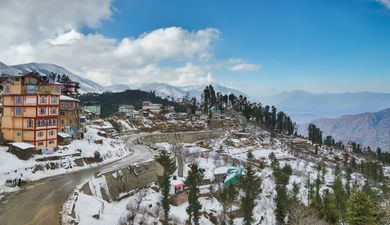
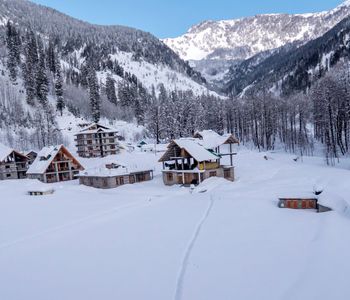
Don't book your dates too tightly. Rohtang's opening fluctuates year to year, sometimes as early as April, sometimes not. The Indian Army makes the call based on snowfall and road conditions, and there's no arguing with them. Summer and early fall — June through September — are your safest window. Snow persists well into the warmer months at this elevation, so you won't sacrifice any of the white-landscape drama by arriving in July.
Sliding, Skiing, and Pedaling at Altitude
Snow dominates the activity list here. Skiing draws the most adventurous, though the runs are informal — this isn't a groomed resort. Vendors along the pass rent out oversized rubber tubes for careening down slopes, and wooden toboggans offer a rougher, more rattling alternative. You can try all three in an afternoon for very little money, negotiating rates on the spot.
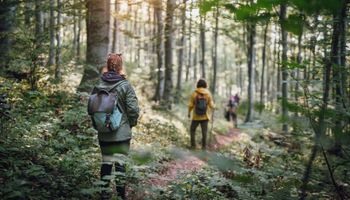
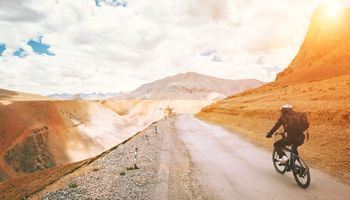
By mid-July, when patches of bare ground emerge, mountain biking takes over. The trails wind along ridgelines with the kind of exposure that makes your hands grip tighter on the handlebars — not from fear exactly, but from the awareness that the valley floor is a very long way down.
The Practical Reality of 13,000 Feet
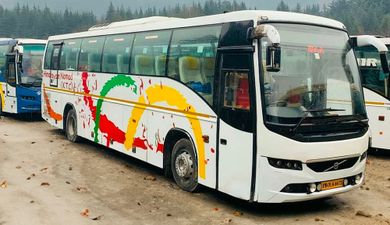
Altitude hits harder than most people anticipate. Take your first day slowly. Drink water. Don't sprint uphill to photograph a glacier. Authorities permit daytime visits only, and they cap the number of vehicles allowed on the road each day to manage congestion and emissions — a sensible measure on a road that narrows to a single lane in places. Leave early. By mid-morning, the queue of cars can stretch back farther than your patience will tolerate.
The Quieter Rewards
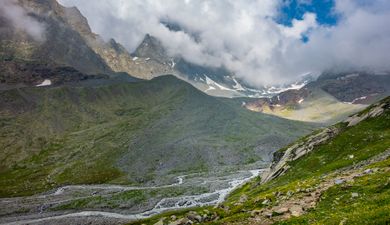
If you step away from the tube-rental crowds, Rohtang reveals a different register entirely. The Gaypan twin peaks rise as a stark backdrop — bare rock and ice, no softness to them. The Sonapani Glacier sits nearby, slow and ancient and profoundly indifferent to your schedule.
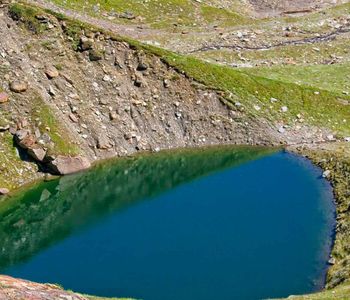
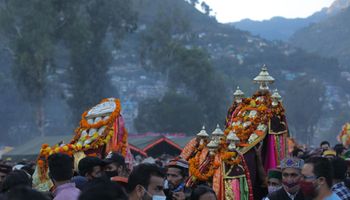
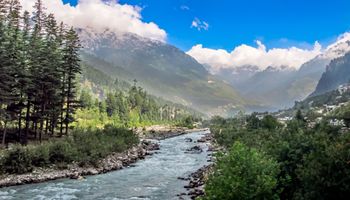
For something altogether different, seek out Beas Kund. It's a Hindu holy site and the source of the Beas River — a small, cold lake at elevation that carries a weight disproportionate to its size. Pilgrims come here with purpose. Even if you don't share their faith, the stillness of the place registers physically.
Where You'll Actually Sleep
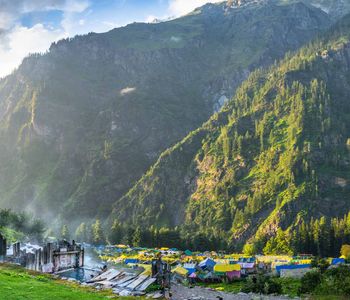
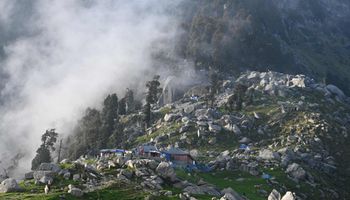
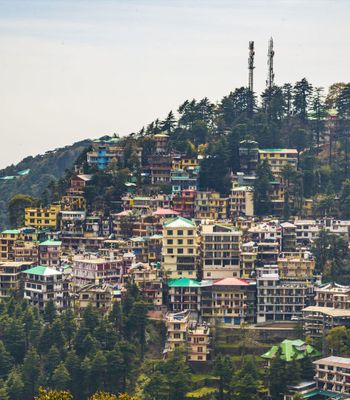
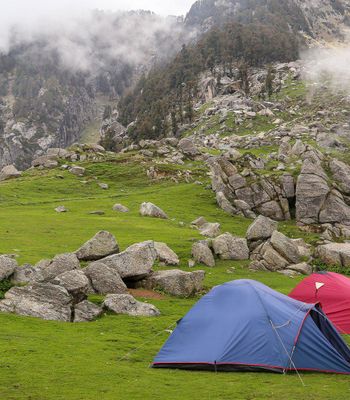
Nobody stays at the pass itself. Manali, roughly an hour's drive below depending on traffic and your driver's nerve, serves as base camp. Hotels there range from bare-bones guesthouses to comfortable mid-range options. Some travelers pitch tents along the roadside closer to the pass, though you should verify current regulations before committing — the weather turns fast, and some stretches sit too close to the road for safety.
One development has reshaped access in recent years: the Atal Tunnel, the world's longest highway tunnel above 10,000 feet, now bypasses the pass entirely, connecting Manali to Lahaul Valley without the switchbacks and weather delays that once defined the journey. It's a feat of engineering that saves hours. But the pass itself — exposed, unpredictable, named for the dead — remains the point. The tunnel gets you through the mountain. Rohtang makes you reckon with it.