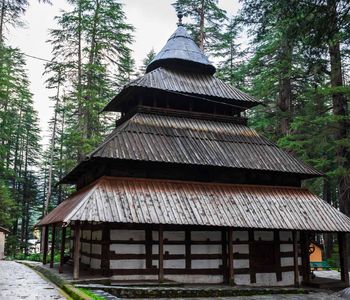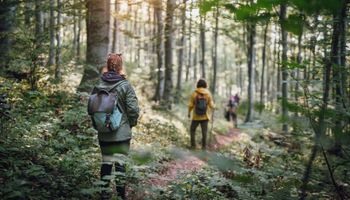
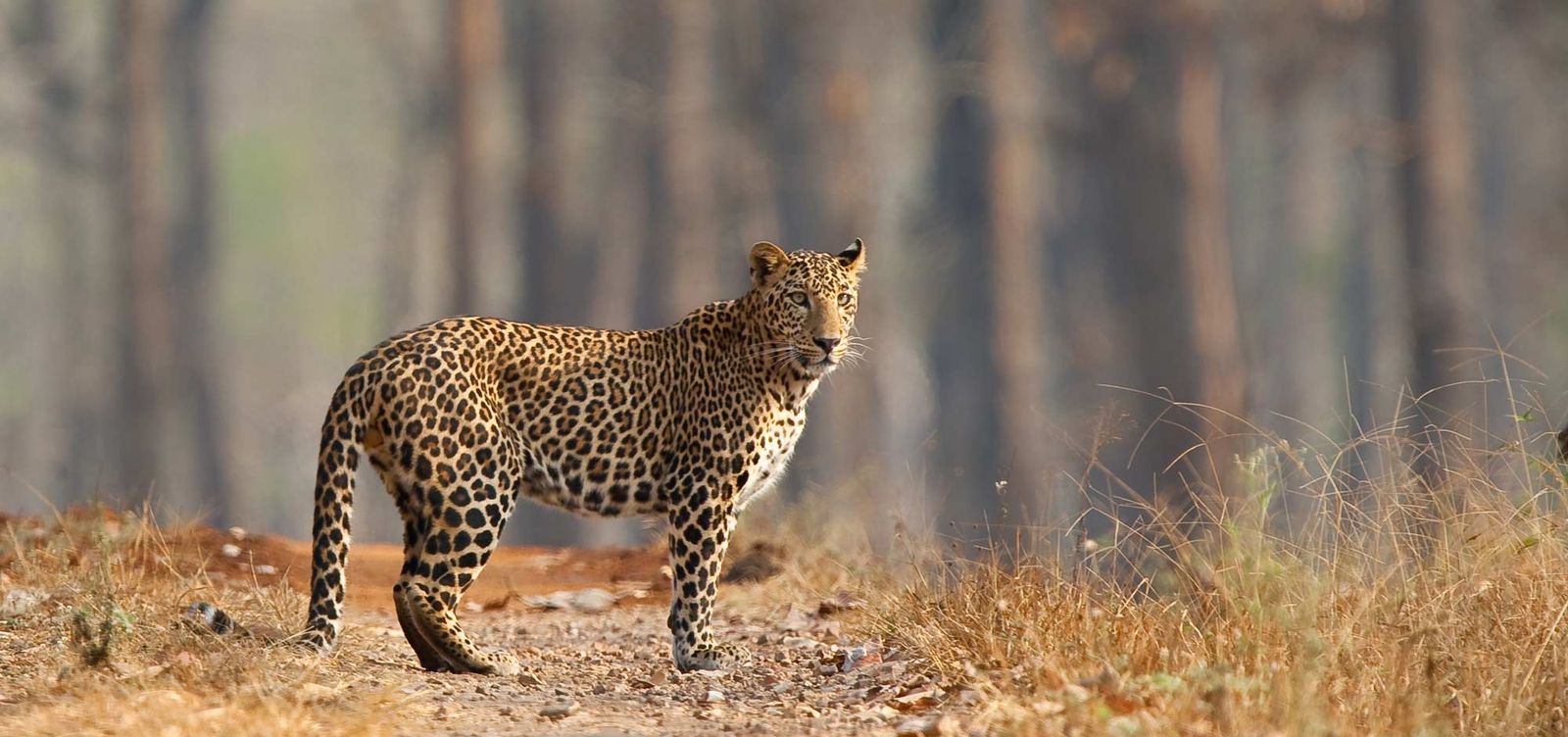
The trail hasn't even leveled out and already Manali has disappeared. One moment you're dodging motorbikes near Old Manali's cafes; the next, you're standing beneath a cathedral of ancient deodar cedars so tall and dense that sunlight barely reaches the forest floor. That's the magic of the Manali Wildlife Sanctuary — 31 square kilometers of raw Himalayan wilderness that starts, almost improbably, at the edge of town.
Established in 1954, this protected reserve climbs from Manali's northern fringe all the way up to the snow-streaked ridges near the Beas Kund glacier. Despite being one of the most accessible sanctuaries in Himachal Pradesh, it feels genuinely untamed — the kind of place where a snapped twig makes your pulse quicken. Whether you're clutching binoculars at dawn or simply craving a few hours wrapped in mountain silence, this sanctuary has a way of delivering moments you didn't know you were looking for.
From River Valley to Ridgeline: A Landscape That Keeps Shifting
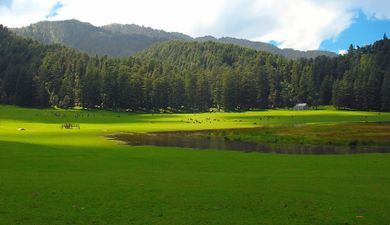
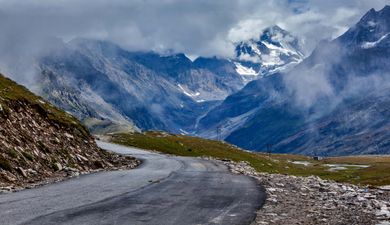
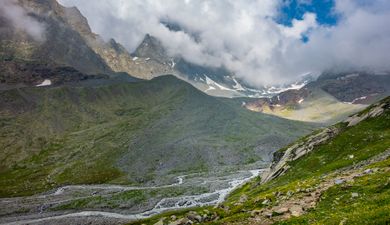
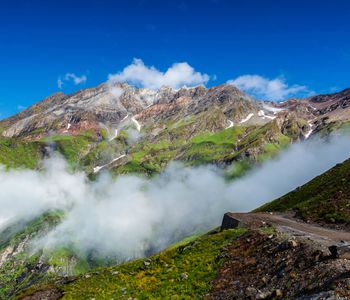
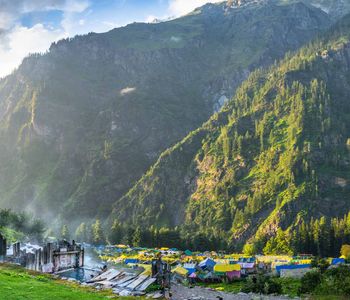
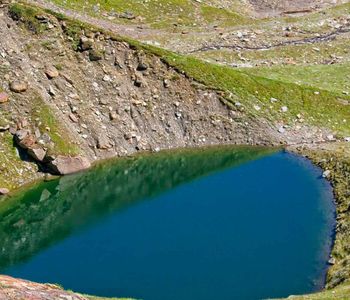
Step through the sanctuary gate at roughly 6,500 feet and you're walking under a dense broadleaf canopy, the air cool and earthy. Push deeper, and the forest transforms around you. Towering conifers replace the broadleaves. The trail steepens. By the time you crest 13,000 feet near the Beas Kund area, you've left the trees behind entirely — wide alpine meadows called thatch stretch out beneath a dome of sky, rimmed by peaks that look close enough to touch.
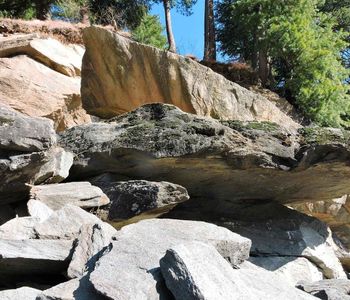
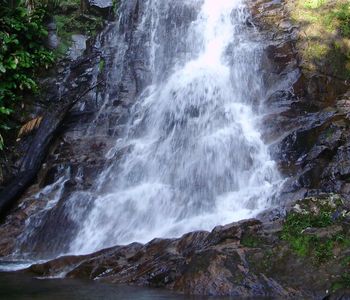
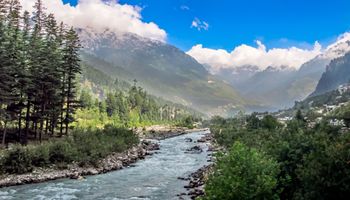
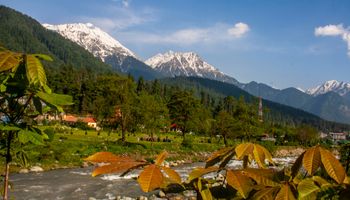
The Beas River and its tributaries thread through the sanctuary's heart, their cold rush audible long before you spot them through the trees. Higher up, glacial moraines, rocky outcrops, and steep ravines carve the terrain into something wilder, more dramatic. Yet the western boundary still brushes against Manali itself — meaning you can go from chai on Mall Road to genuine mountain isolation in under an hour.
A Forest Dressed in Layers
Walk the lower slopes and watch how sunlight behaves here: it doesn't flood the ground but filters through the deodar canopy in soft, scattered beams, illuminating patches of fern and moss like spotlights on a green stage. Climb higher and blue pine, West Himalayan spruce, and brown oak gradually take over, their bark rougher, their silhouettes more angular against the sky.
Then spring arrives, and the hillsides above catch fire. Birch and rhododendron forests explode in vivid reds and pinks — entire mountainsides blushing at once. Beneath all of it, an understory of medicinal plants and wild herbs has sustained local communities for generations, their names and uses passed down like quiet heirlooms.
Above the tree line, the show changes again. From late May through August, seasonal wildflowers carpet the alpine meadows in purples, yellows, and whites — an almost surreal quilt laid against grey rock and distant snow. If you care about plants at all, this sanctuary is a living encyclopedia of Western Himalayan botany, organized by altitude and written in chlorophyll.
The Creatures That Call These Slopes Home
Dense forest means patience. You won't spot everything on your first visit — and honestly, that's part of the thrill. The musk deer, recognizable by its elongated canine teeth and ghostly ability to vanish into underbrush, haunts the higher forested zones. Himalayan black bears roam the middle elevations, especially in autumn when berry-laden shrubs offer critical pre-winter fuel.
Elusive Residents Worth Looking For
Keep your eyes on the steep, rocky slopes and you might catch a glimpse of the Himalayan serow — a goat-like animal with coarse, shaggy fur that favors terrain so vertical that most predators simply give up. Barking deer slip through the undergrowth, more often heard than seen. Common langurs, however, aren't shy at all; they crash through branches along the lower trails with an acrobatic confidence that borders on showing off.
Indian red foxes, flying squirrels, and Himalayan palm civets round out the mammal roster. And at the sanctuary's highest, most remote elevations? Locals occasionally report snow leopard tracks in fresh snow — though confirmed sightings remain tantalizingly rare, just enough to keep your imagination sharp on every high-altitude turn.
Where Binoculars Become Essential
Over 150 bird species have been recorded here, and the sanctuary pulls ornithologists from across India for good reason. The Western Tragopan — a threatened pheasant draped in striking crimson plumage — tops nearly every birder's wish list. Himalayan monals, their feathers shimmering with iridescent greens and blues, are somewhat easier to spot, especially during the golden-pink light of early morning.
Koklass pheasants call from dense cover. Himalayan griffon vultures ride thermals overhead, their wingspans enormous and unhurried. Warblers populate different altitude bands like musicians assigned to separate floors of the same concert hall. Arrive at the trailheads before sunrise, binoculars around your neck, and the forest will reward your early alarm.
Hit the Trail: Routes for Every Kind of Explorer
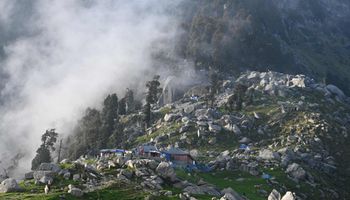
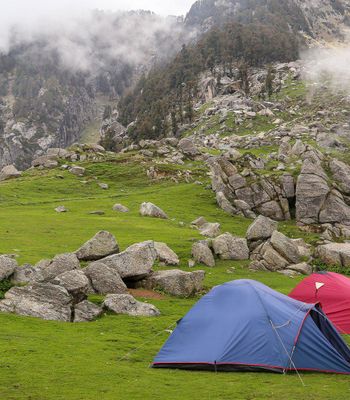
Trekking is the heartbeat of any visit here, and the trails cater to ambitions both modest and bold. The most popular route begins near the Dhungri Temple area in Old Manali, threading through dense forest before climbing to Lamadugh — a sweeping meadow perched at approximately 11,500 feet. Most trekkers spread this over two days with an overnight camp on the meadow, falling asleep to a silence so deep it almost hums. Seasoned hikers sometimes push through in a single long day, though you'd miss the magic of a mountain sunset melting into a sky full of stars.
Not every visit demands a summit push. Shorter nature walks through the lower forest zones — often led by local naturalists who know every bird call and medicinal herb — last between two and four hours. Streams cross the path at regular intervals, offering perfect excuses to sit on a mossy rock, listen to the water, and simply breathe.
Photographers, take note: morning mist curling through deodar groves, snow-capped ridges framed by alpine grass, the sudden flash of a monal's plumage — this place is generous with its compositions. Just remember that it's a protected zone. Camping is allowed only in designated areas, and open fires are restricted to keep the ecosystem intact.
When to Go, What to Know
Every season paints the sanctuary differently, so your timing shapes your entire experience. Between March and June, wildflowers erupt across the meadows, migratory birds return in waves, and temperatures sit comfortably in trekking range — this is prime time. July through September brings the monsoon: heavy rain, slippery trails, and leeches that appear with almost supernatural speed. Most travelers skip this window entirely.
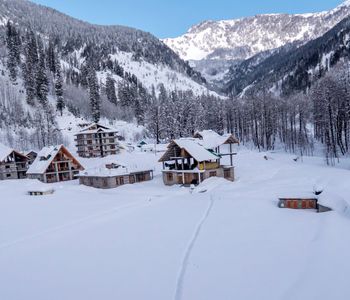
From October through February, the lower elevations reward you with crisp, crystalline air and visibility that stretches for miles. Higher zones, however, receive serious snowfall that closes certain trails — beautiful to look at, challenging to navigate.
Entry Fees and Permits
A nominal entry fee awaits you at the sanctuary gate — typically between 10 and 50 rupees for Indian nationals, with a slightly higher rate for international visitors. Every rupee feeds directly back into conservation and trail upkeep. Planning to trek beyond the initial forest zones? Grab a permit from the local forest department office in Manali before you set out. If you book through a registered trekking operator, they'll usually handle the paperwork for you.
Getting to the Trailhead
Here's the best part: the sanctuary starts at Manali's northern edge, so reaching it barely qualifies as a commute. From Mall Road, either walk 20 minutes toward Old Manali or hop in an auto rickshaw headed for the Dhungri Temple area — the most common entry point. Taxis are easy to flag down, too. Flying in from farther afield? Bhuntar Airport in Kullu sits roughly 50 kilometers south, connected to Manali by regular buses and taxis along the Kullu-Manali highway.
Leave Only Footprints on the Trail
Protected under the Wildlife Protection Act of 1972, this sanctuary thrives only when visitors treat it with care. Carry every scrap of waste out with you. Stick to marked trails. Keep your voice low and your movements steady — sudden noise sends wildlife deeper into cover, robbing both you and the next hiker of a possible encounter. Feeding animals is strictly off-limits; it disrupts natural foraging patterns and breeds dependency that harms long after you've gone home.
From the rushing banks of the Beas River to the glacial heights where snow leopard tracks appear and vanish like rumors, this sanctuary compresses an astonishing sweep of Himalayan life into a space you can explore in a morning — or lose yourself in for days. Add it to your Manali itinerary, lace up your boots, and let the forest set the pace. It knows what it's doing.