The tea gardens give it away before anything else. You descend from the Kangra highway, the road bending through deodar shadow, and suddenly the hillsides open into long, combed rows of emerald bushes that look almost too orderly for India. This is Palampur, and the first thing worth knowing is that it grows tea. Not as a tourist prop, not as a photo opportunity, but as a working agricultural economy that has been quietly producing Kangra tea since the British planted the first bushes here in the 1850s.
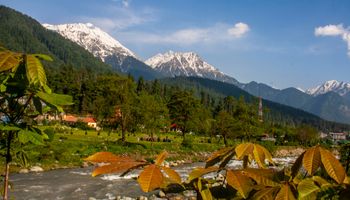
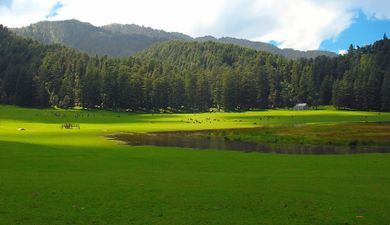
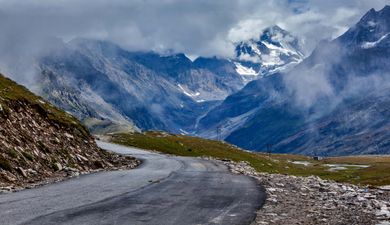
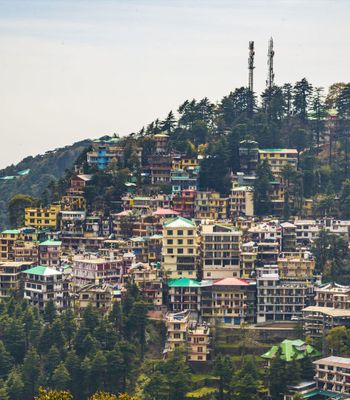
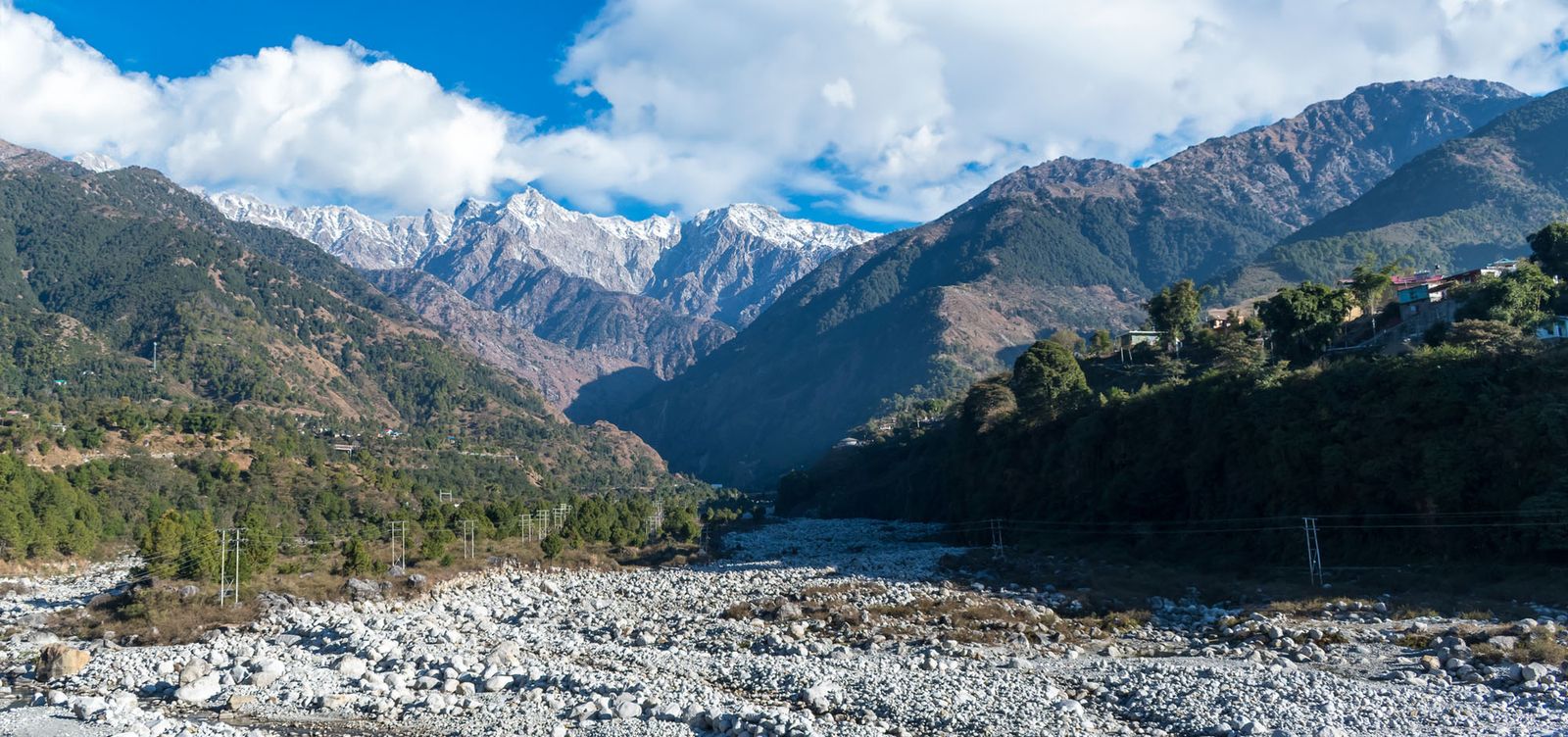
The town sits at around 4,000 feet in the lap of the Dhauladhar range. Those mountains are the defining fact of any day you spend here. They rise so sharply from the valley floor that on clear winter mornings they seem less like geography and more like a painted backdrop someone propped up behind the town overnight. The locals stop noticing. You won't. Palampur is smaller and slower than Dharamshala, which lies about an hour northwest. That's part of its appeal. There is no Mcleod Ganj equivalent here, no strip of banana-pancake cafes or tattoo studios catering to travelers on a spiritual gap year. What you get instead is a working Himachali town that happens to sit in one of the prettier corners of the western Himalayas.
What the Tea Gardens Actually Feel Like
Walk into any of the estates around town — Wah Tea Estate is the most accessible, with a small factory you can tour — and you'll find pickers moving through the rows with wicker baskets strapped to their backs. The plucking happens mostly between March and October. The leaves are processed within hours at the factory, and if you visit during the working season, the smell inside the drying sheds is something between grass, hay, and something faintly medicinal. Kangra tea has a lighter, more floral character than Assam or Darjeeling. Most of it gets exported. Locals will tell you, with a certain pride, that the Germans drink most of what's made here. You can walk straight through the gardens on footpaths that the pickers use. No ticket, no fence, no guide required. This is one of the small graces of Palampur — it hasn't yet figured out how to charge you for everything.
The Monastery Most People Miss
Ten minutes out of town sits the Tashi Jong Monastery, a Tibetan Buddhist settlement founded by refugees in 1958. It doesn't get the visitor traffic of Norbulingka or the Dalai Lama's complex in McLeod Ganj, and that works in its favor. The main prayer hall is painted in the saturated reds and golds you'd expect, but the real draw is the community around it — craftsmen making thangka paintings, monks debating in the courtyard, old women in maroon robes turning prayer wheels in the late afternoon. Nobody will hustle you here. Sit for an hour. Watch.
Where the Water Comes From
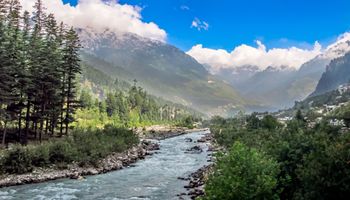
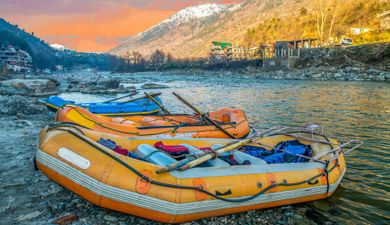
The rivers around Palampur are fed by snowmelt from the Dhauladhar, and they run cold and fast even in summer. The Neugal Khad, which cuts through town, is the most famous of these. There's a viewing platform called Neugal Cafe that hangs over the gorge — the food is unremarkable, the view is not. On monsoon afternoons, the water below turns the color of milky tea and you can hear it from half a mile away. For something quieter, the Bundla stream runs through forest above the town. You can follow it up toward the mountains on foot. The path eventually loses itself in rhododendron thickets.
Serious Walking Country
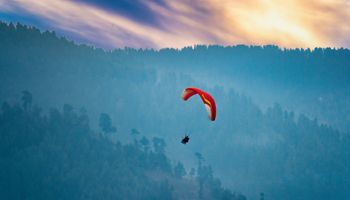
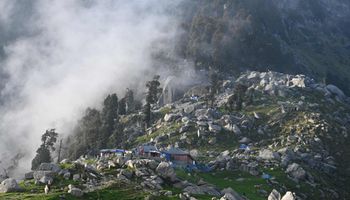
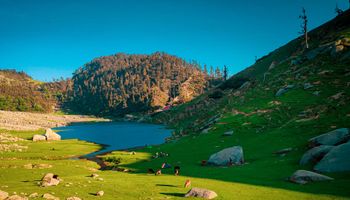
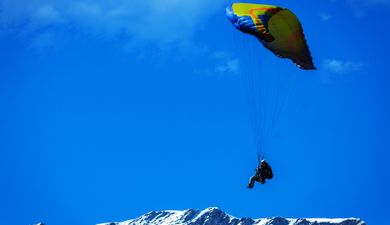
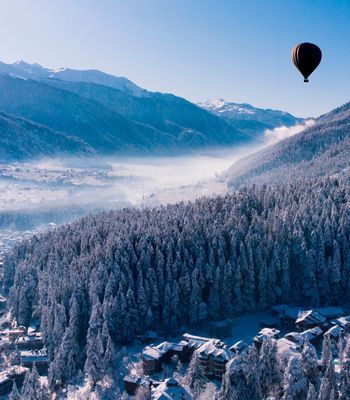
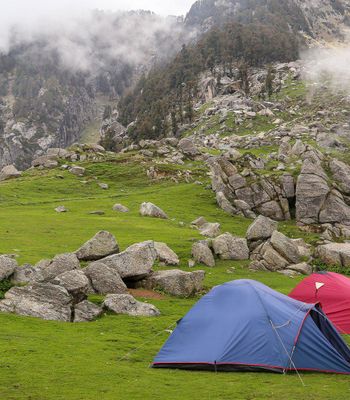
Palampur is a staging post for some of the harder treks in the western Himalayas. The Dhauladhar passes — Indrahar, Minkiani, Waru — begin from villages just above town, and serious trekkers use Palampur as a place to acclimatize and stock up. You don't need to tackle a pass to walk here, though. The short trek up to Thamsar, the hike to Birni Mata temple, or even a morning ramble through Bir village (the paragliding capital of India, about 45 minutes away) will give you a sense of what the landscape does. Bir deserves a detour. It's where tandem paragliding pilots launch from Billing, a grass slope at 8,000 feet, and glide down over the valley. If you've never paraglided, this is probably where you should try it. The flights last around 20 minutes. You land in a field behind the Tibetan colony, legs shaky, grinning.
Eating in Palampur
The food here is unfussy and honest. Himachali cuisine leans on rajma, chana madra (chickpeas in a yogurt-based gravy), siddu (a steamed wheat bun stuffed with poppy seeds or walnuts), and babru. Most restaurants in town serve a mixed menu — the usual North Indian and Chinese alongside a few local dishes. Look for the dhabas along the highway just outside town for the best versions. They'll be full of truck drivers and tea estate workers, which is always a good sign. If you find yourself near Tashi Jong around lunchtime, the small Tibetan kitchens there do thentuk and thukpa that will ruin you for the instant-noodle versions you've had elsewhere.
When to Come
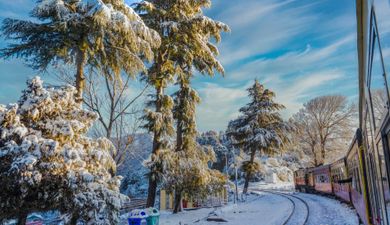
March through June is the most comfortable stretch — warm days, cool nights, the tea gardens in full production, the mountains still holding snow on their upper flanks. July and August bring the monsoon. The hills turn absurdly green, waterfalls appear where there were none, and leeches appear on the walking paths. Some travelers love it. Others leave early. September and October might be the sweet spot. The air washes clean after the rains, the Dhauladhar comes back into sharp view, and the evenings are cold enough to justify a bonfire at your homestay. Winter is a different proposition. December and January can drop below freezing, and while the town doesn't typically get heavy snow, the mountains above do. If you want to see the Dhauladhar at its most theatrical — all white teeth against a blue sky — this is the season.
Palampur doesn't announce itself. There is no signature monument, no festival that draws international crowds, no single landmark that ends up on a postcard. What it offers instead is a working Himalayan town with good tea, honest food, serious mountains on the doorstep, and the kind of quiet that makes you realize how loud the rest of your life has been. Stay three days. You'll want five.