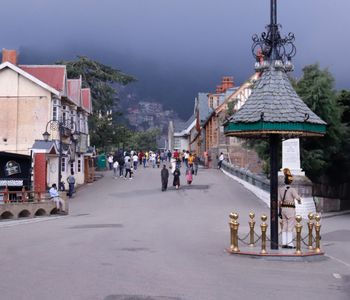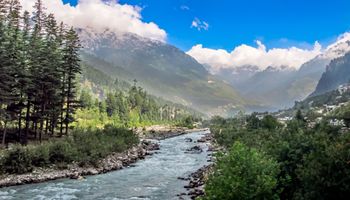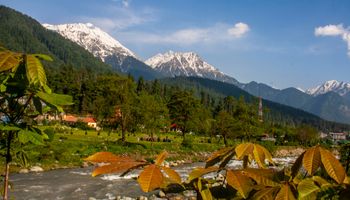
The rhythmic tap-tap-tap of chisels against wood reaches you before you even see the first stall. Follow that sound through Shimla's misty mountain air, and it pulls you straight into Lakkar Bazaar — the "Wood Market" — one of Northern India's most distinctive and soulful shopping streets. Nestled near the famous Ridge, this bustling corridor of tiny workshops and overflowing storefronts smells like a forest after rain, sweet with freshly shaved deodar cedar and rich, dark walnut.
Generations of Himachali artisans have shaped this place, their hands turning raw timber into objects of startling beauty. Intricately carved walking sticks lean against doorframes. Delicate jewelry boxes catch the light. And everywhere, the soft scrape of a blade against grain reminds you that this isn't a museum — it's a living, breathing workshop where craft and commerce dance together on every shelf.
A Legacy Carved in Wood
When the British declared Shimla their summer capital, the cool mountain retreat drew colonial officials, Indian elites, and — inevitably — the craftspeople who served them. Woodworkers from surrounding Himachali villages migrated to this stretch, selling carved creations to a growing audience hungry for locally made goods.
What began as a handful of stalls hardened into tradition. Fathers taught sons, sons taught grandsons. Some shops operating today trace their lineage back several decades, with great-grandsons still gripping the same style of chisel their ancestors used. Lakkar Bazaar isn't simply a commercial strip — it's a living archive, preserving methods and motifs that might otherwise dissolve under the weight of modernization.
Where Shimla's Story Turns a Page
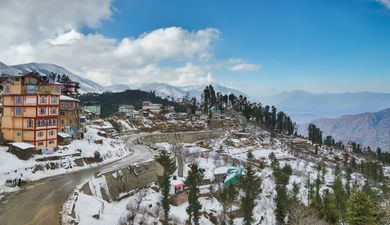
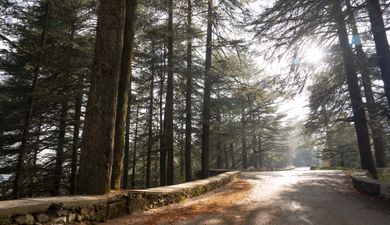
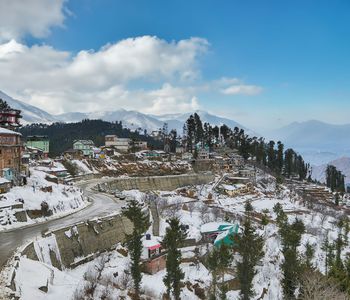
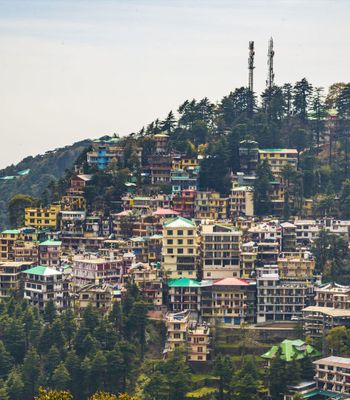
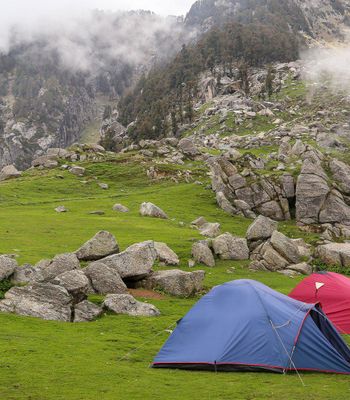
Reaching the market feels like a natural continuation of Shimla's narrative. From The Ridge — that grand, open plateau at the city's heart — a short downhill stroll deposits you right at the market's main stretch. Himalayan peaks hover on the horizon. Deodar-covered slopes frame every glance over your shoulder.
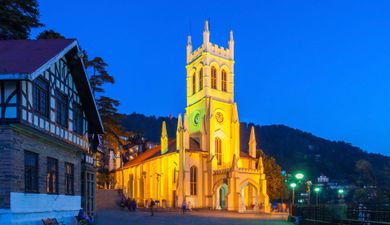
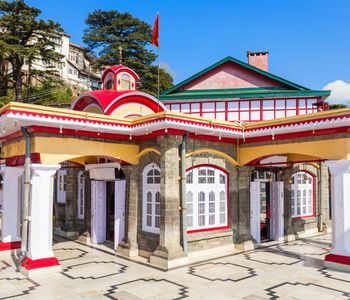
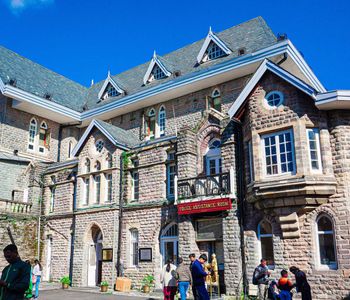
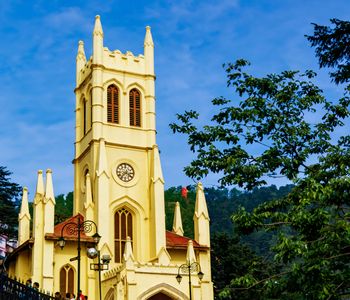
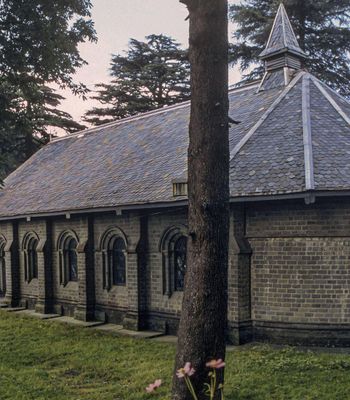
Minutes earlier, you might have been admiring the stained glass of Christ Church or the theatrical elegance of the Gaiety Heritage Cultural Complex. Then you round a corner, and Victorian stone gives way to colorful wooden storefronts stacked high with hand-carved treasures. The shift feels seamless — like turning a page in a book you can't put down.
The Grain Behind the Art
Three woods dominate the workshops here, each with its own personality. Walnut — deep brown, fine-grained, almost velvety under your fingertips — is the material of choice for detailed sculptures and ornamental pieces. Deodar cedar lends its natural fragrance and surprising durability to larger items. Pine, lighter and more forgiving, finds its way into everyday objects and playful toys.
Treasures Worth Carrying Home
Wander slowly. Every few steps reveal something new:
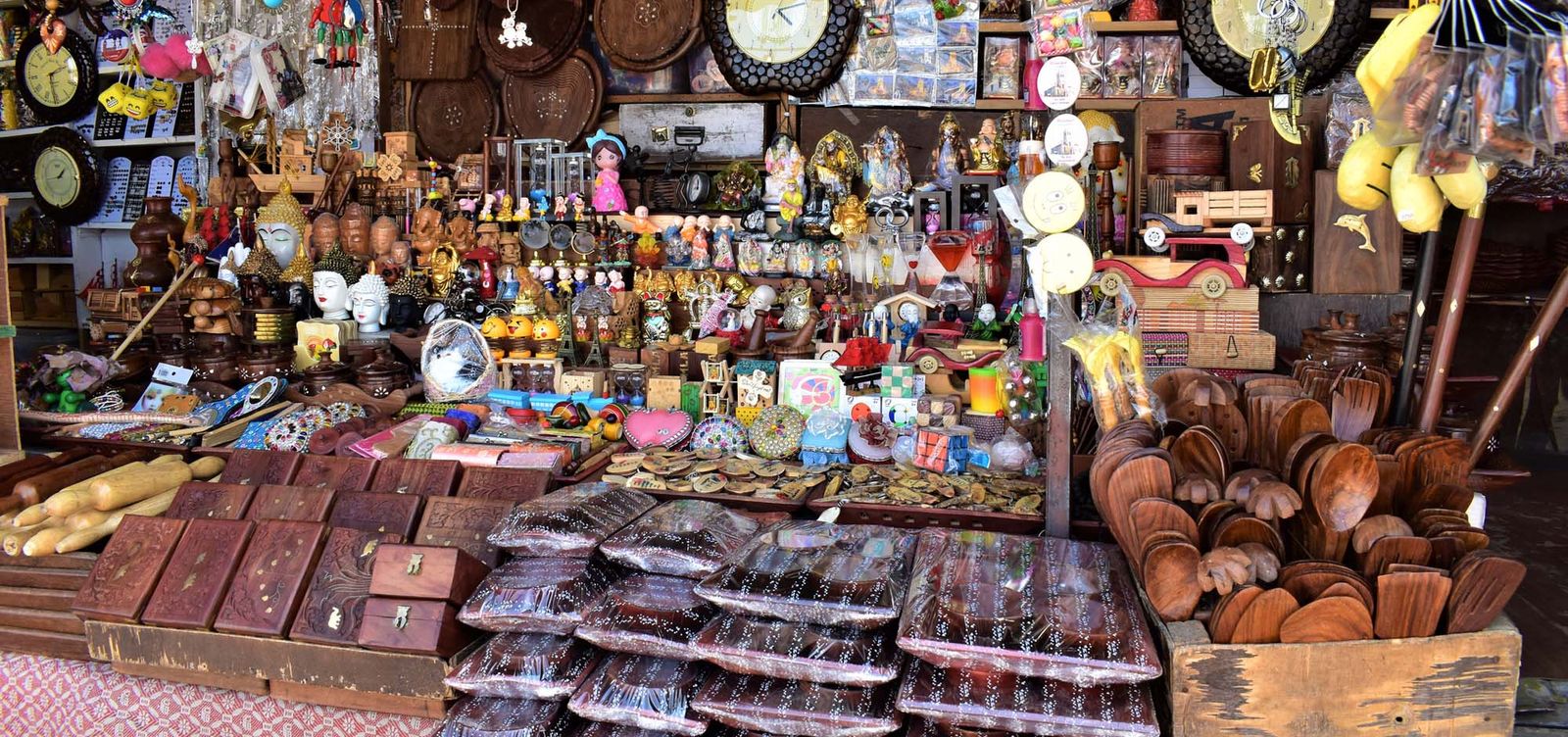
- Hand-carved walking sticks topped with ornamental animal and bird handles
- Jewelry boxes etched with floral and geometric Himachali patterns
- Miniature temple replicas and deity figurines, some no bigger than your palm
- Wooden toys — spinning tops, elephants, horses — that feel warm and alive in your hands
- Kitchen utensils like spoons, bowls, and serving trays with a rustic, handmade charm
These aren't assembly-line souvenirs. Motifs drawn from local wildflowers, Hindu mythology, and Himachali temple architecture give each piece a story. Watch an artisan coax a block of walnut into a grinning deity figurine right before your eyes, curls of wood falling at his feet, and suddenly that purchase means something far deeper than a price tag.
Chai, Conversation, and Friendly Haggling
Beyond the woodcraft, a warm, bustling energy hums through every lane. Tea vendors perch at corners with battered kettles, pouring steaming chai into small glass cups — the kind that warms your fingers on a December morning and tastes faintly of ginger and cardamom. Nearby stalls overflow with woolen shawls in jewel tones, embroidered Himachali caps, and locally made goods that jostle for space alongside the carved wooden wares.
Bargaining here is more conversation than combat. Shopkeepers lean forward with a grin, happy to explain which wood you're holding, how many hours went into a particular piece, or what a specific carved motif represents. Ask questions — you'll be rewarded with stories that no guidebook carries. The back-and-forth of negotiation is part of the market's rhythm, as natural as the tap of a chisel.
When to Go and What to Know
Most shops open their shutters around 9 a.m. and keep the lights on until roughly 8 p.m., though hours shift slightly with the seasons. May and June bring peak-season energy — every stall fully stocked, the lanes buzzing with fellow travelers. A winter visit between December and February rewards you with quieter browsing and atmospheric mist, though a few vendors may close early as daylight fades and the mountain chill sets in.
No ticket, no entry fee — just show up. Carry cash in smaller denominations, because many stalls and family-run shops still operate outside the reach of digital payments. And pull on your most comfortable walking shoes; gentle slopes and uneven stretches are simply part of Shimla's hilly character.
Finding Your Way There
Shimla's central areas restrict vehicular traffic, which means your legs do the final work — and honestly, that's half the joy. From Mall Road, head toward the Ridge and continue eastward. At a leisurely pace, you'll arrive in ten to fifteen minutes, with mountain views keeping you company the entire way.
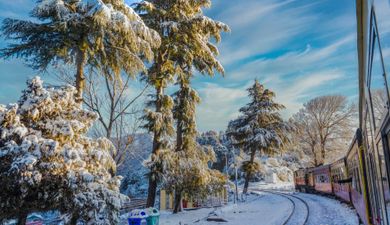
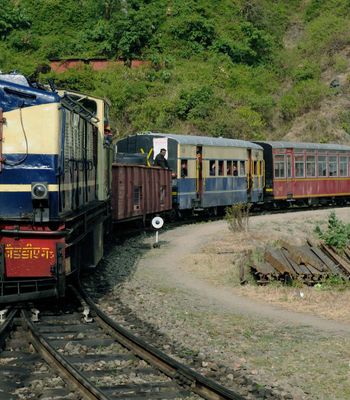
Coming from outside the city center? Hire a taxi to the Ridge or hop on a Shimla town bus to the nearest stop, then follow the pedestrian path into the market. If you're arriving by train, the Shimla Railway Station — terminus of the legendary Kalka-Shimla narrow-gauge heritage line — sits roughly a twenty-minute walk away. That railway journey alone, threading through tunnels and over bridges with sweeping valley panoramas, is worth the trip to Shimla.
Stretch the Day, Savor the Craft
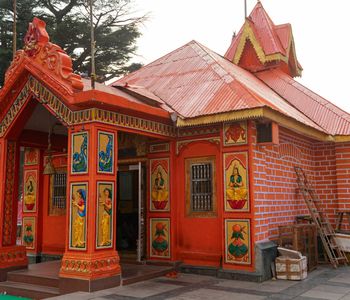
Because Lakkar Bazaar sits at Shimla's geographic and cultural center, it pairs effortlessly with a full day of exploration. After browsing, stretch your legs toward Annandale — the flat expanse once used for British-era polo and cricket. Or climb uphill to Jakhoo Temple, where a towering Hanuman statue presides over a 360-degree panorama of snow-dusted peaks.
One tip before you buy: resist the urge to grab the first beautiful piece you see. Stroll past several shops, compare prices and craftsmanship, then circle back. You'll find both better quality and fairer value. And every rupee you spend goes directly into the hands of artisans keeping a centuries-old craft alive — a craft that defines Shimla's cultural identity as much as its colonial architecture or its mountain sunsets.
Lakkar Bazaar is more than a market. It's the artistic heartbeat of Shimla, kept pulsing by calloused hands, fragrant wood shavings, and a stubborn refusal to let tradition disappear. Step inside, let the scent of cedar wrap around you, and carry home something no factory could ever replicate — a piece of the Himachali soul, shaped one careful stroke at a time.