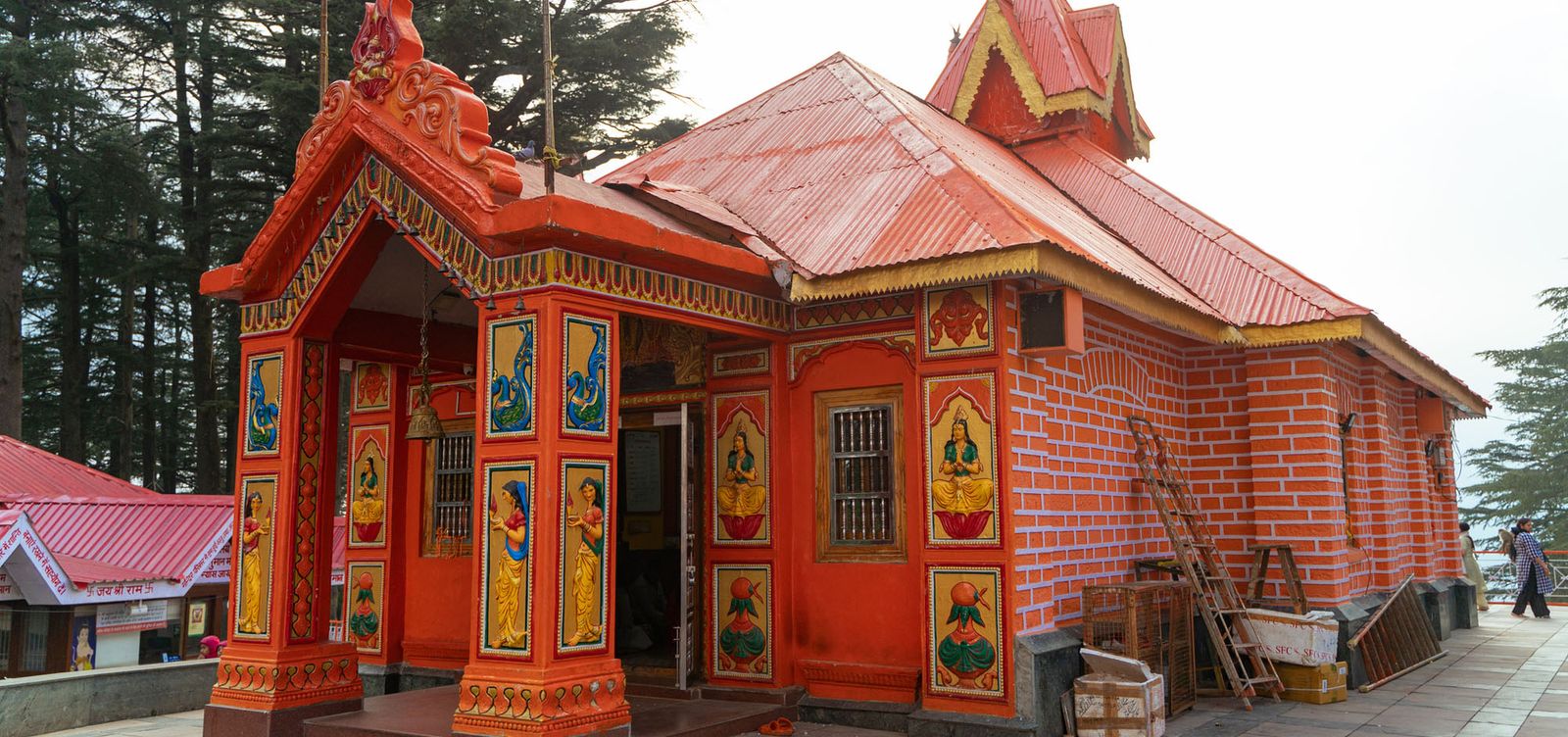
At 8,048 feet above sea level, where the air thins just enough to make your lungs work a little harder, a 108-foot orange colossus rises above the treetops. You can spot it from practically anywhere in Shimla — glowing against the dark deodar forests and pale mountain sky like a saffron flame. That's Jakhu Temple, perched on the highest point in the city, and it's calling you upward.
Dedicated to Lord Hanuman, this ancient hilltop shrine weaves together Hindu mythology, jaw-dropping Himalayan panoramas, and a forest trek that feels like stepping into another world. For anyone exploring the hill stations of Himachal Pradesh, few experiences rival the climb to Jakhu's summit — where thin mountain air carries temple bells, monkey chatter, and centuries of legend.
A Legend Carved Into the Mountain
The story goes like this: during the events of the Ramayana, Lord Hanuman was racing through the sky, carrying an entire mountain of medicinal herbs to save Lakshmana, Lord Rama's gravely wounded brother. The Sanjeevani herb was the only cure — and time was running out.
Somewhere over the Himalayas, Hanuman paused to rest on this very hilltop. His foot left an imprint in the rocky summit, and centuries later, a temple rose to honor that brief, sacred stop. Locals say the name "Jakhu" traces back to the sage Yaku, who once meditated here in deep solitude.
Whether you come as a devotee or a lover of ancient storytelling, the weight of that mythology is palpable. This isn't just a temple — it's a living chapter of one of Hinduism's most beloved epics, preserved in stone and prayer at the roof of Shimla.
The Giant Who Watches Over Shimla
Nothing quite prepares you for the scale of it. Rising 108 feet from the hilltop, the colossal statue of Lord Hanuman — completed in 2010 — ranks among the tallest Hanuman figures on the planet. Its bright orange surface blazes against blue mountain skies and the deep green of surrounding cedars.
Look closely, and you'll notice the details: the warrior stance, the mace gripped in one powerful hand, the posture radiating both strength and devotion. The statue faces south toward Lanka, honoring Hanuman's legendary journey across the ocean.
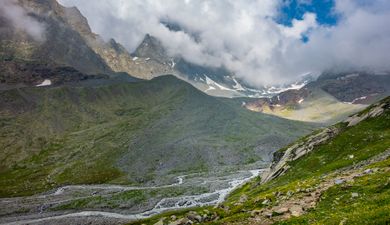
But turn around at the base, and the real magic unfolds. The Himalayan foothills stretch endlessly before you, ridge after misty ridge. On a clear morning, snow-capped peaks glitter so close you'd swear you could reach out and brush them with your fingertips. Photographers, bring your widest lens — you'll need it.
Inside the Shrine: Wood, Vermillion, and Ringing Bells
Beyond the towering statue, the temple itself is an intimate affair — modest in size, enormous in atmosphere. The main sanctum houses an idol of Lord Hanuman draped in vermillion paste and fresh floral garlands, their sweet fragrance mixing with the sharp scent of incense curling through the doorway.
Intricate woodwork lines the interior, reflecting North Indian craftsmanship that has been lovingly maintained and restored across generations. Brass bells hang at the entrance, and each time a devotee rings one, the sound carries across the hilltop — a bright, clear note swallowed by the vastness of the valley below.
Smaller prayer areas surround the central shrine, offering quiet corners to sit, breathe, and simply absorb the stillness. Don't forget: shoes come off before you step onto the temple premises, so slip-on footwear makes life easier.
The Mischief Makers of Jakhu Hill
Here's fair warning — you won't be alone up here. Hundreds of Rhesus macaques own these forested slopes, and they have absolutely zero respect for personal property. Sunglasses, phones, water bottles, snacks? Consider them fair game if you're not paying attention.
These monkeys are considered sacred, given Lord Hanuman's association with the primate form, so they roam the grounds with the confidence of landlords. Rent a walking stick at the base of the trail — locals offer them for exactly this reason — and keep it visible. Leave food and plastic bags behind entirely.
That said, their antics are genuinely entertaining. Watch a mother macaque groom her baby on a stone wall while a juvenile swings overhead from a deodar branch, screeching with wild joy. They're part of the temple's personality — unpredictable, a little unruly, and completely unforgettable.
The Trek That Earns Your View
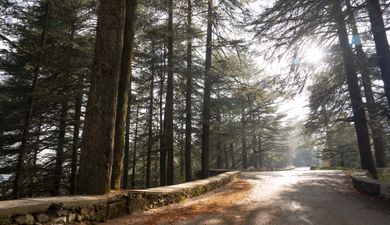
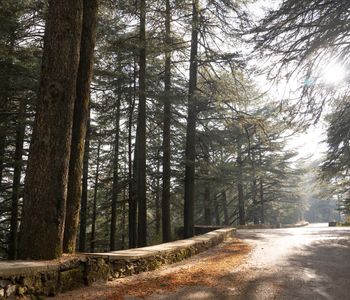
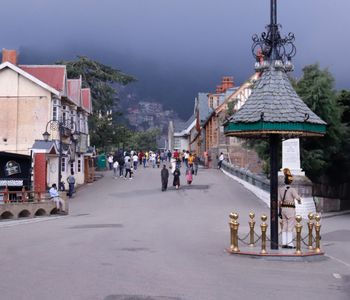
Every great summit deserves a worthy approach, and Jakhu delivers. The two-kilometer trail begins near the famous Ridge in central Shimla and climbs steadily through dense forests of deodar and oak, their canopy filtering the sunlight into golden shafts that shift with every breeze.
Thirty to forty-five minutes of comfortable walking — that's all it takes for a moderately fit traveler. The path narrows in places, wrapping you in green silence that feels impossibly far from the bustling Mall Road below. Birdsong echoes through the canopy. Occasional clearings offer stolen glimpses of the valley, each one more dramatic than the last.
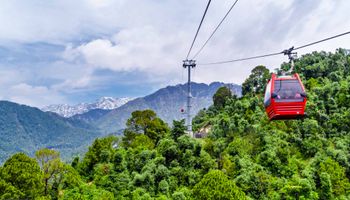
Not keen on the uphill effort? A ropeway connects The Ridge to the temple hilltop, gliding you over Shimla's layered rooftops and emerald slopes — a spectacular ride in its own right. Pony rides offer yet another option, clip-clopping along the old trail in a way that feels charmingly timeless.
When to Go and How to Get There
Temple Hours and Entry
Jakhu Temple opens daily from 5 a.m. to noon, then again from 4 p.m. to 9 p.m. Early risers win here — the trail is blissfully uncrowded before midday, and the first light of morning paints the Himalayan peaks in shades of rose and gold that no afternoon sun can replicate. There's no formal entry fee, though donations help maintain this remarkable site.
Seasons That Shape the Experience
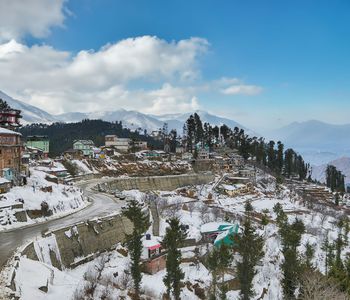
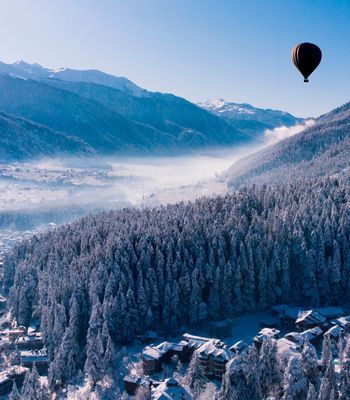
Between March and June, clear skies and pleasant temperatures make for perfect trekking weather. Winter — December through February — transforms the entire hilltop into a snow-dusted wonderland, though you'll want sturdy boots with solid grip, as the trail turns slippery underfoot. Monsoon months from July to September bring heavy downpours that can churn the path into mud, so plan with that in mind.
Finding Your Way
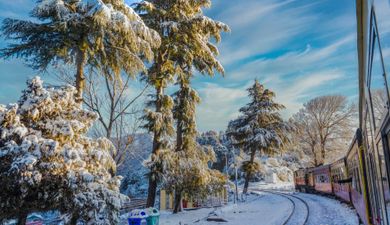
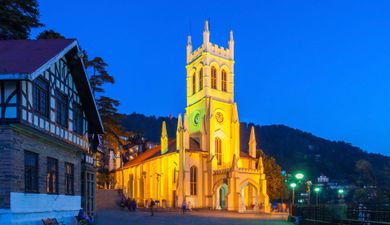
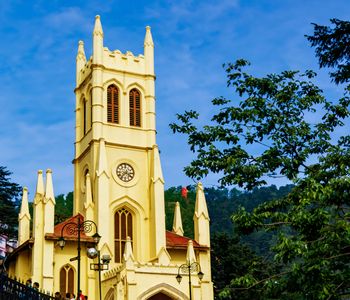
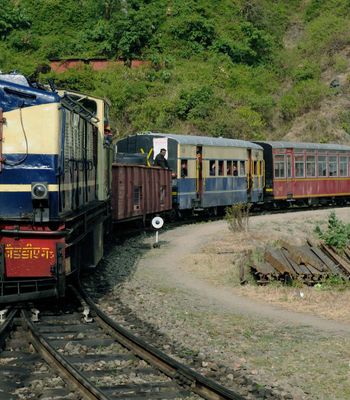
The trailhead sits near Christ Church on the Ridge, right in Shimla's heart. Taxis from anywhere in the city will drop you there in minutes. Arriving from farther afield? Shimla Railway Station — the final stop on the beloved Kalka-Shimla heritage line — is your closest rail connection. Jubbarhatti Airport lies roughly 23 kilometers away. From either, local taxis and buses reach the Ridge with ease.
A Hilltop That Stays With You
Some places in the Himalayas stun you with scenery alone. Jakhu Temple does something rarer — it layers mythology beneath your feet, fills your ears with temple bells and monkey chatter, and rewards every steep step with a view that makes you forget you were ever out of breath.
Set aside a morning or a late afternoon. Lace up your shoes, grab a walking stick, and climb. By the time you stand at the summit with the wind pulling at your hair and the entire Shivalik range spread before you, you'll understand why this hilltop has drawn pilgrims and wanderers for centuries — and why it deserves a place on your Shimla itinerary before anything else.