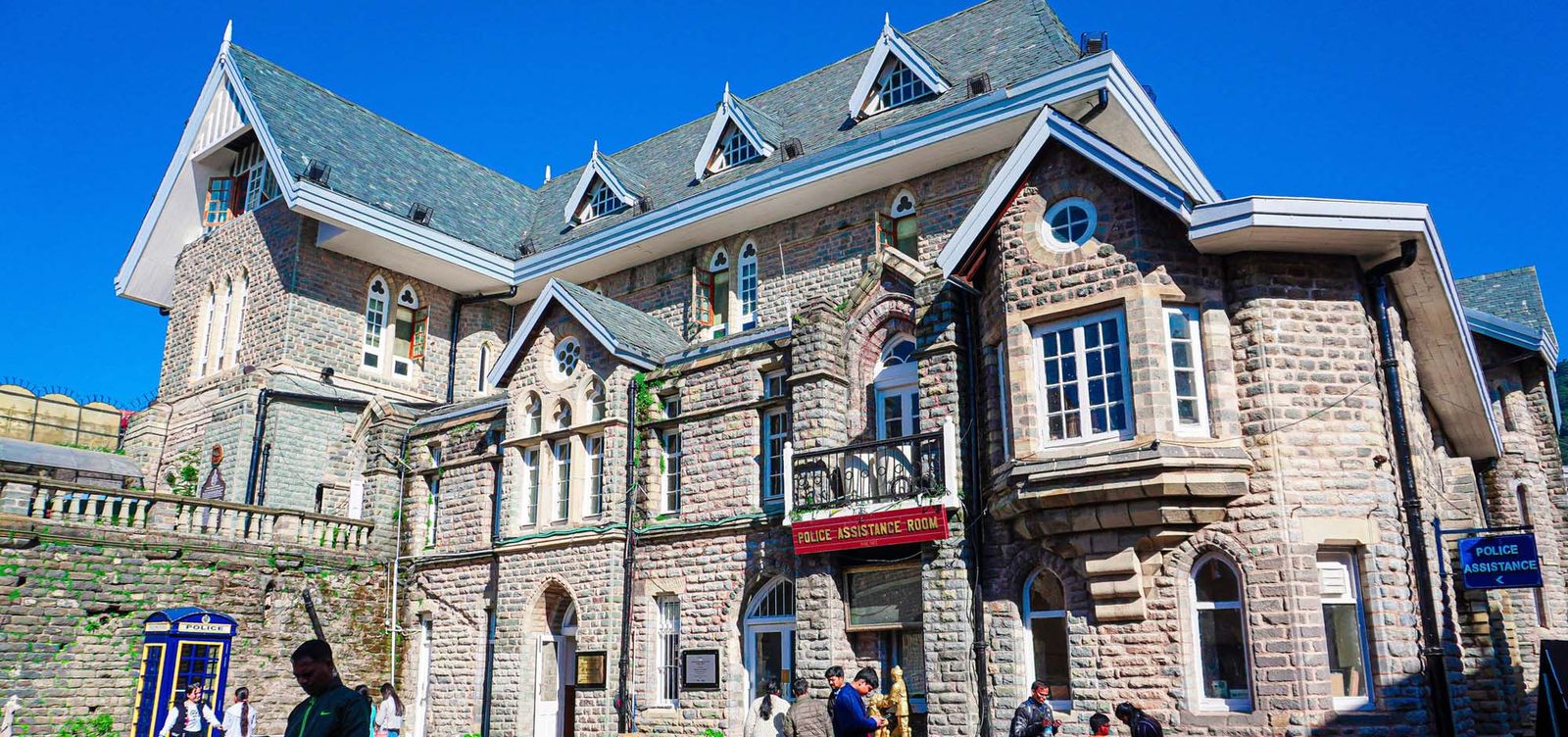
The velvet hush of a 130-year-old auditorium settles around you as the curtain rises on a stage that once entertained British officers, Indian royalty, and — legend has it — Rudyard Kipling himself. This is the Gaiety Heritage Cultural Complex, perched on Shimla's iconic Mall Road, where Victorian Gothic grandeur meets the crisp mountain air of the Himalayas. Built in 1887, when Shimla served as British India's summer capital, this theatre wasn't just a building — it was the beating heart of the city's social world. And remarkably, after a painstaking restoration, it still is. Plays, exhibitions, and music fill these halls year-round, making the Gaiety far more than a relic behind glass. It's a living, breathing stage where Shimla's past and present share the spotlight.
From Colonial Curtain Call to Modern Revival
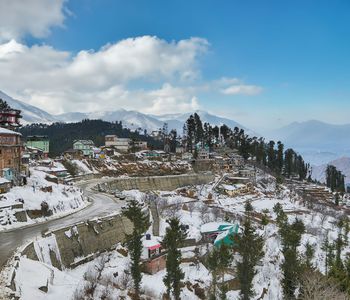
Architect Henry Irwin envisioned the Gaiety Theatre as something bold — one of the very few purpose-built theatres in all of British India. Completed in 1887 with input from fellow colonial architects, the building was a deliberate transplant: a slice of London's West End dropped into the pine-scented hills at 7,200 feet.
And it worked. Through the late 19th and early 20th centuries, the Gaiety hummed with energy. British officials in starched collars and Indian elites in silk gathered beneath ornate ceilings for plays, musicals, and lavish social evenings. Rudyard Kipling and Lord Robert Baden-Powell are both believed to have graced events here during their time in Shimla — a testament to the theatre's magnetic pull.
After independence in 1947, though, the magic dimmed. The stage fell quiet. Administrative offices moved in, and decades of neglect buried the theatre's beauty under peeling plaster and dust. Then came a turning point: a major government-led restoration launched in the early 2000s. By 2009, the Gaiety Heritage Cultural Complex reopened its doors — not as a museum piece, but as a working theatre once again, its original soul carefully stitched back together.
Gothic Splendor Against a Himalayan Sky
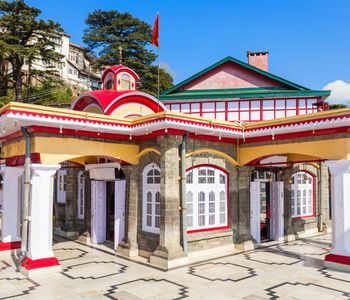
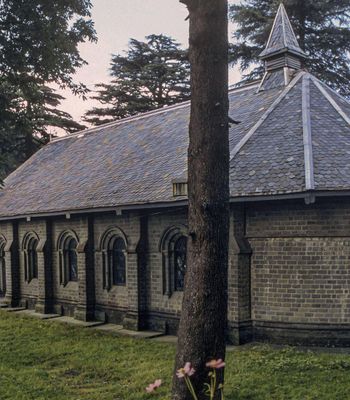
You'll spot the Gaiety before you reach it. Those pointed arches, the delicate ironwork, the pale facade rising against a backdrop of forested hillside — it looks almost impossibly dramatic, like a Victorian postcard brought to life at cloud level.
Step through the entrance, and the details pull you closer. The main auditorium unfolds in a classic horseshoe shape, designed to carry every whispered line to the back row. Ornamental railings trace the balconies above. Restored wooden floors creak gently underfoot, and period-appropriate light fixtures cast a warm amber glow that softens every corner. With only around 300 seats, the space feels wonderfully intimate — the kind of room where you're not just watching a performance, you're wrapped inside it.
What makes the restoration truly remarkable is the craftsmanship. Where original woodwork and plaster detailing had crumbled beyond saving, artisans stepped in with traditional techniques, matching the old so closely you'd never guess where the 19th century ends and the 21st begins. Nothing here feels like a replica. It feels like time travel.
Where Art, History, and Hill-Station Life Collide
The theatre commands all the attention, but don't rush past the rest of the complex. An on-site art gallery rotates exhibitions featuring regional and national artists — paintings, sculptures, mixed-media works that reflect both contemporary Indian creativity and the deep cultural roots of Himachal Pradesh. Each visit might reveal something entirely different on the walls.
Live on the Gaiety Stage
There's something electric about watching a play unfold in a theatre where audiences have been gasping and applauding since Queen Victoria's reign. Throughout the year, theatre groups from across India take this historic stage, performing in Hindi, English, and regional languages. The energy peaks during Shimla's annual Summer Festival — usually in May or June — when the complex erupts with music concerts, dance performances, and dramatic productions that spill colour into the mountain evenings.
A practical tip: check with the local tourism office or the complex's administration before your visit, since event schedules shift with the seasons and popular shows do sell out. Trust me — catching a live performance inside these restored walls, with the weight of history pressing gently on every note and every line of dialogue, is an experience no modern multiplex can touch.
Windows into Shimla's Colonial Past
Beyond the auditorium, exhibition spaces unfold the story of Shimla's transformation from sleepy hill station to imperial summer capital. Archival photographs, historical documents, and informational panels trace the decades — showing you not just *what* was built here, but *why*, and how buildings like the Gaiety shaped the social rhythms of an entire era. For anyone curious about the forces that made Shimla what it is today, these quiet rooms offer the missing pieces.
More Than Stone and Stage — A Cultural Lifeline
For Shimla's artistic community, the Gaiety isn't a monument to admire from a distance. It's a milestone. Local theatre groups consider performing on this stage a career-defining moment, and the complex has been instrumental in sparking a broader revival of performing arts across the region.
Its influence reaches further still. The Gaiety's successful restoration set a powerful precedent — proving that Shimla's colonial-era buildings could be saved without stripping away their character. Other landmarks along Mall Road soon received fresh attention from preservation authorities, a ripple effect that continues to shape how the city protects its architectural legacy. If you're drawn to heritage conservation or architectural history, this is a place where theory meets beautifully tangible practice.
Your Visit, Step by Step
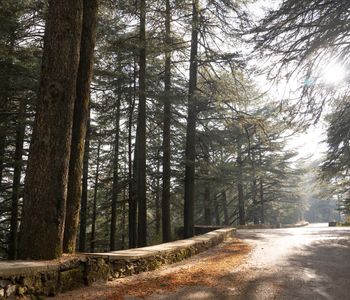
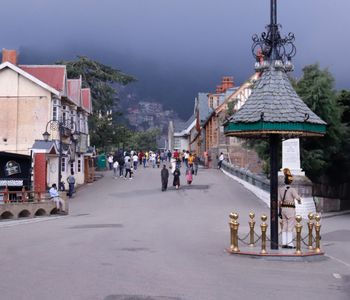
Finding the Gaiety is easy — it sits right on Mall Road, Shimla's beloved pedestrian promenade where no cars are allowed. From the main Ridge, it's just a few minutes' stroll; watch for that unmistakable Gothic facade on the left side of the road. The walk itself is half the pleasure, with mountain air filling your lungs and colonial-era buildings flanking you on both sides.
Hours, Tickets, and Timing
The complex generally welcomes visitors from 9 a.m. to 5 p.m. most days, though hours may shift around special events and performances. Exploring the building and its exhibitions is typically free or costs just a nominal fee — ticketed performances carry separate charges depending on the show. Between April and July, Shimla's peak tourist season, double-checking hours and ticket availability saves headaches.
Making Every Minute Count
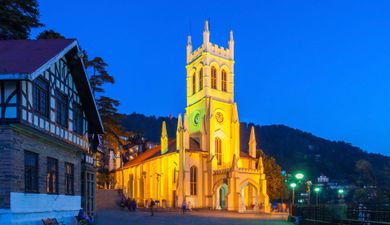
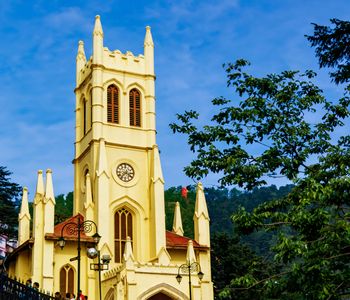
Pair your Gaiety visit with a leisurely wander along Mall Road's colonial trail. Christ Church, the Shimla State Library, and the stately Town Hall all sit within easy walking distance — together, they make a compelling half-day heritage loop through the city's heart.
Photography lovers, take note: the theatre's exterior practically glows during golden hour, when late-afternoon light catches the stonework and iron detailing in warm, honeyed tones. Inside, the auditorium's intimate scale and period fixtures reward patient composition. Wear comfortable shoes — Shimla is all steep inclines and staircases, and your legs will thank you by evening.
Whether you come to watch actors bring a script to life on a stage that's hosted over a century of stories, or simply to run your fingers along restored wooden banisters and soak in the quiet grandeur, the Gaiety Heritage Cultural Complex delivers something rare: a connection to Shimla's layered history that you don't just read about — you feel. By keeping this landmark alive and active, the city ensures that every new generation of travelers and artists can step into the same spotlight that has defined this hill station since 1887.