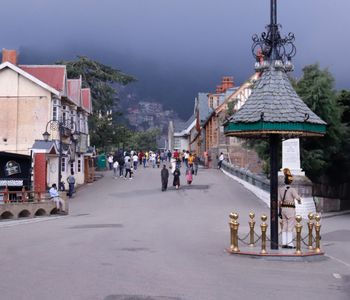
The clang of a brass bell cuts through the mountain air, and for a moment, the chatter of Shimla's bustling Mall Road fades into silence. You've stepped through a modest doorway into the Kali Bari Temple — a dark-timbered shrine perched on the hillside since 1845, where the fierce Goddess Kali has watched over this Himalayan town for nearly two centuries. While colonial-era buildings with their prim facades line the famous Ridge just minutes away, this intimate wooden temple belongs to an entirely different world. Incense curls from the entrance, oil lamps throw dancing shadows across stone walls, and the low murmur of devotional chanting pulls you deeper inside. Whether you come seeking blessings or simply a breath of something sacred between shopping stops on Mall Road, Kali Bari rewards you with a stillness that Shimla's lively streets rarely offer.
A Shrine Born Between Two Worlds
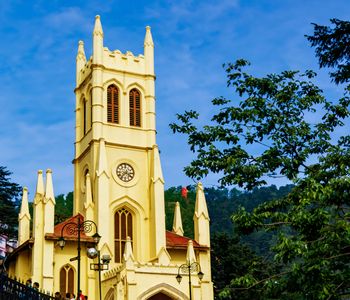
By the 1840s, Shimla was mid-metamorphosis — a quiet hill village rapidly becoming the summer capital of British India. Colonial bungalows and English churches were reshaping the landscape, but Hindu devotees living amid this transformation longed for a sacred space of their own. In 1845, they built the Kali Bari Temple, a spiritual anchor dedicated to one of Hinduism's most powerful deities.
Harsh winters and relentless monsoon rains have tested the structure over the decades, prompting several careful renovations. Yet the temple's soul remains unchanged. Walk through its doors today and you're touching a thread that reaches back to a time when Shimla was still negotiating its identity — caught between the whiskey-and-cricket world of the British Raj and the ancient rhythms of Hindu worship.
That tension, frozen in time, is part of what makes this one of the oldest and most compelling temples in the city.
The Fierce Mother Who Destroys Fear
If you're unfamiliar with the Goddess Kali, prepare to be captivated. She is no gentle deity. Depicted with dark skin, a garland of skulls, and multiple arms, Kali embodies the destruction of evil and the untameable protective energy of the divine feminine. Across Eastern and Northern India, millions turn to her for strength, courage, and freedom from fear.
Step into the inner sanctum and her idol commands your full attention. Devotees press forward with offerings of marigolds, sweets, and smoking sticks of incense, their whispered prayers filling the compact space. Smaller idols of Lord Hanuman and Lord Shiva stand nearby, adding layers of reverence to an already charged atmosphere.
Even if you don't follow Hindu traditions, something about the concentrated devotion in this tiny room — the warmth of the lamp flames on your face, the sweetness of crushed flowers underfoot — stays with you long after you leave.
Dark Timber and Flickering Flames: A Mountain Temple's Beauty
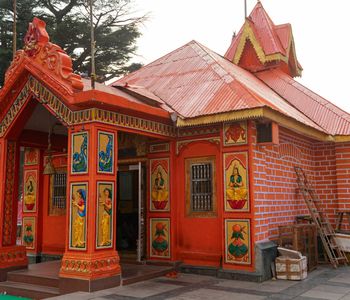
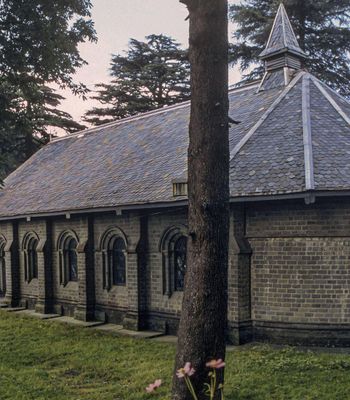
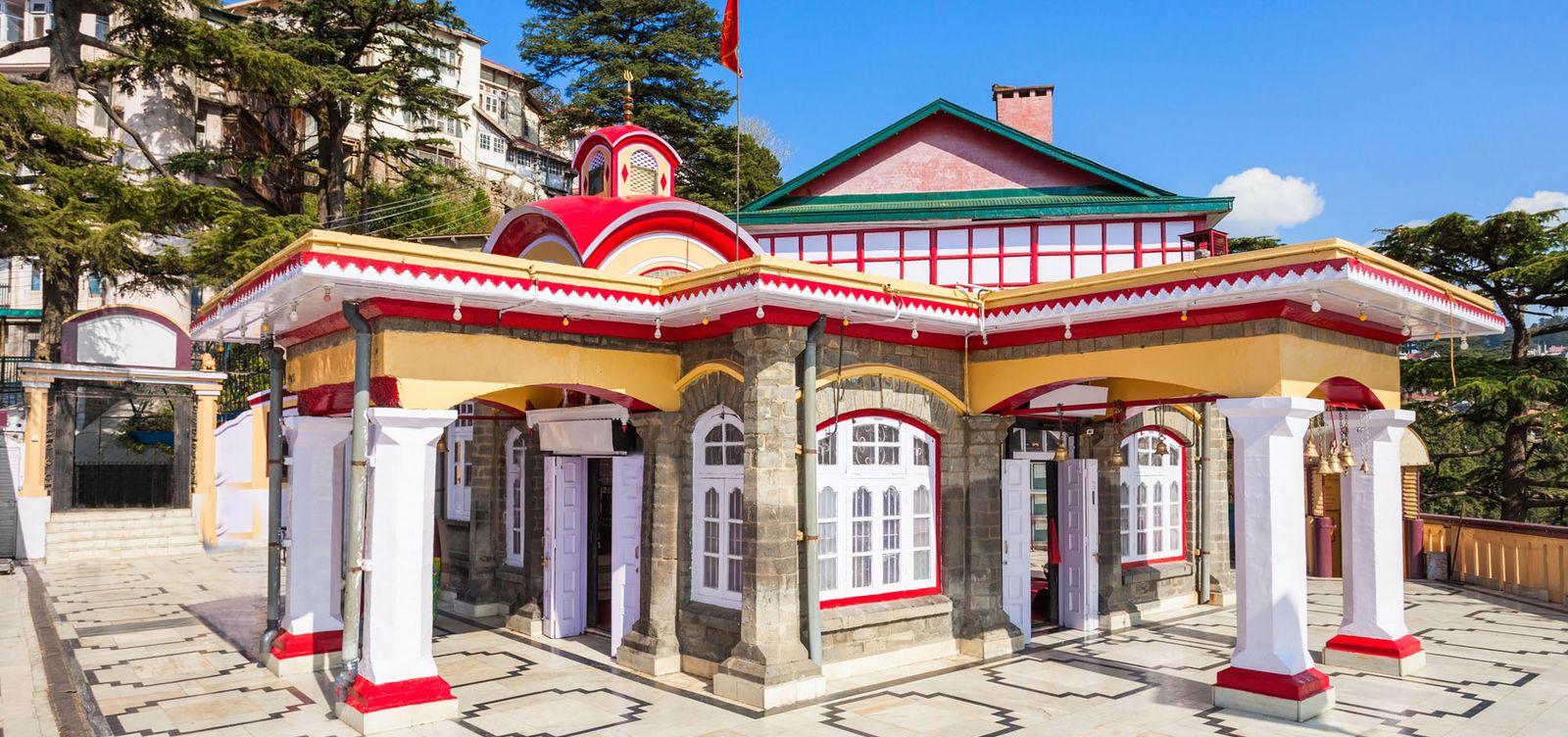
Forget the soaring stone gopurams of South India or the marble grandeur of Rajasthan's temples. Kali Bari speaks in an entirely different architectural dialect. Its walls combine rough-hewn stone with rich, dark timber framing — a hallmark of Himalayan religious buildings — and the steeply sloped roof is built to shrug off heavy winter snowfall.
Approach the entrance and you'll notice carved wooden panels flanking the doorway, their ornamentation modest but deliberate. Inside, the sanctum is small enough that every detail registers: the flicker of oil lamps against cool stone, the dense sweetness of incense hanging in the air, the grain of ancient wood beneath your fingertips. There are no vast corridors to wander, no towering spires competing for your gaze — just you and the divine, almost close enough to touch.
Outside, a small courtyard offers space to pause and breathe before or after prayers. Brass bells dangle from the entrance, and their sharp, clear ringing punctuates the hillside's quiet hum all day long — a sound you'll start listening for even after you've wandered elsewhere in Shimla.
When the Temple Comes Alive with Color and Fire
Twice a year, during spring and autumn, the Navratri festival transforms Kali Bari into something extraordinary. Over nine electric nights, devotees worship the many forms of the Goddess Durga — of whom Kali is the fiercest manifestation. Marigold garlands drape every surface, bright lights blaze against the dark timber, and the normally quiet courtyard thrums with chanting and celebration.
Diwali brings its own magic. Because Kali Puja coincides with the festival of lights across much of India, the temple swells with worshippers seeking the goddess's blessings for the year ahead. Drumbeats quicken, voices rise in unison, and hundreds of tiny oil lamps turn the modest shrine into a glowing jewel on the mountainside. If your trip overlaps with either festival, arrive early in the morning — the crowds grow thick and fervent as the day unfolds, and an early start lets you soak it all in without being swept along.
Mall Road Awaits Just Outside the Door
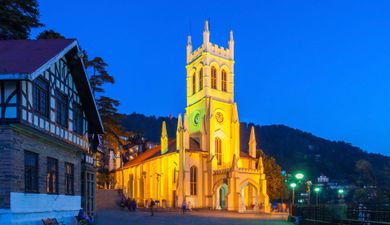
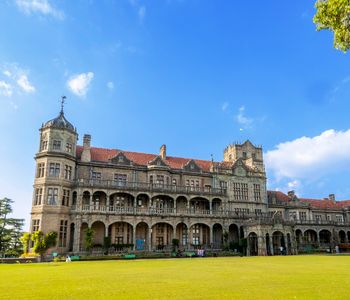
One of Kali Bari's quiet gifts is its location. Step back out onto Mall Road and a completely different Shimla is waiting for you. The Gaiety Heritage Cultural Complex — a beautifully restored Victorian theater — sits just a short stroll away, offering a fascinating jolt from Hindu devotion to British-era drama. A few more minutes on foot and you'll reach The Ridge, Shimla's signature open plaza, where the Himalayan ranges unfurl before you in every direction.
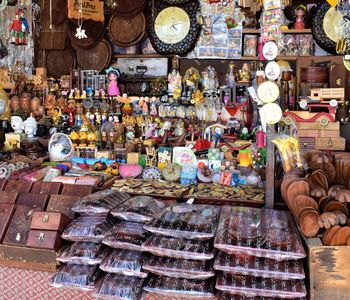
Hungry? The streets surrounding the temple are a snack lover's paradise. Grab a plate of tangy chana chaat — the crunch of chickpeas and the zing of tamarind hitting your tongue all at once — or wrap your cold fingers around a steaming cup of milky chai from a roadside stall. Wander a bit farther to Lakkar Bazaar, where the scent of freshly carved cedar fills the air and shelves overflow with handcrafted wooden toys and souvenirs. Combine the temple with a loop through these spots and you've got a richly layered morning or afternoon.
Everything You Need to Know Before You Go
Kali Bari opens its doors daily from around 6 a.m. to 7 p.m., and there's no entry fee — a rare gift in a tourist town. Dress modestly as a sign of respect, slip off your shoes before entering the sanctum, and keep your voice low around worshippers deep in prayer.
Getting there couldn't be simpler. From the Ridge, it's roughly a ten-minute walk along Mall Road. Vehicles are restricted on most of this stretch, so lace up comfortable shoes and enjoy the stroll. Arriving from farther out in Shimla? Local taxis and auto rickshaws will drop you at the nearest Mall Road access point without fuss.
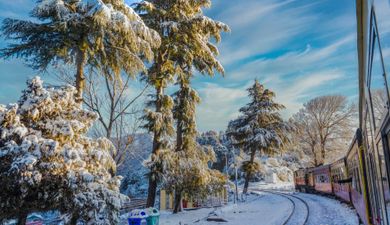
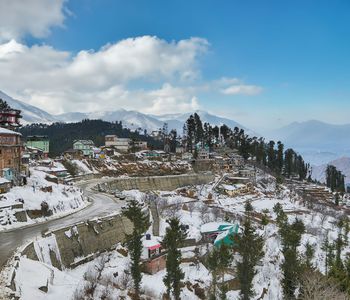
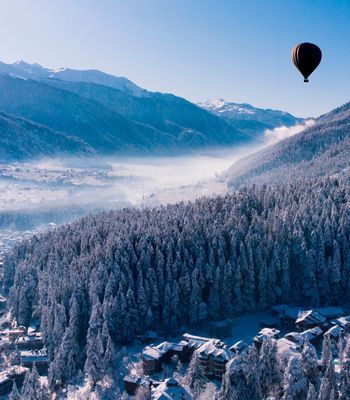
For the sweetest weather, aim for March through June, when spring flowers carpet the hillsides and the air is crisp but kind. September through November is equally lovely — the slopes glow amber and gold with autumn light. Brave a winter visit, though, and you may be rewarded with a scene that stops you mid-step: the temple's dark wooden frame dusted in fresh snow, standing out against a world turned brilliant white.
A Moment of Stillness in a Bustling Hill Town
Kali Bari remains, first and foremost, a living place of worship. Photography inside the sanctum is often restricted, so ask quietly before reaching for your camera. Observe rituals with respectful silence, and if you feel drawn, stay for the evening aarti — the prayer ceremony where flames are circled before the deity as voices swell in devotion. Many travelers, regardless of background, describe it as unexpectedly moving, the kind of experience that catches you off guard and leaves you a little lighter.
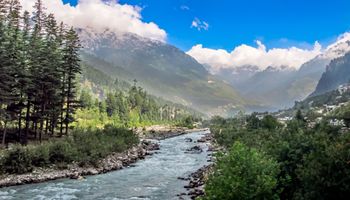
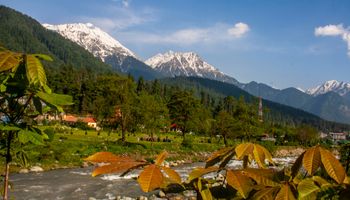
Beyond the colonial promenades and postcard-perfect mountain panoramas, Shimla holds a spiritual heartbeat that has pulsed for nearly two centuries. The Kali Bari Temple is one of its strongest expressions — humble in scale, immense in presence. Add it to your itinerary and discover a quieter, more contemplative side of this beloved Himalayan city, one that no scenic viewpoint or heritage walk can quite replicate.