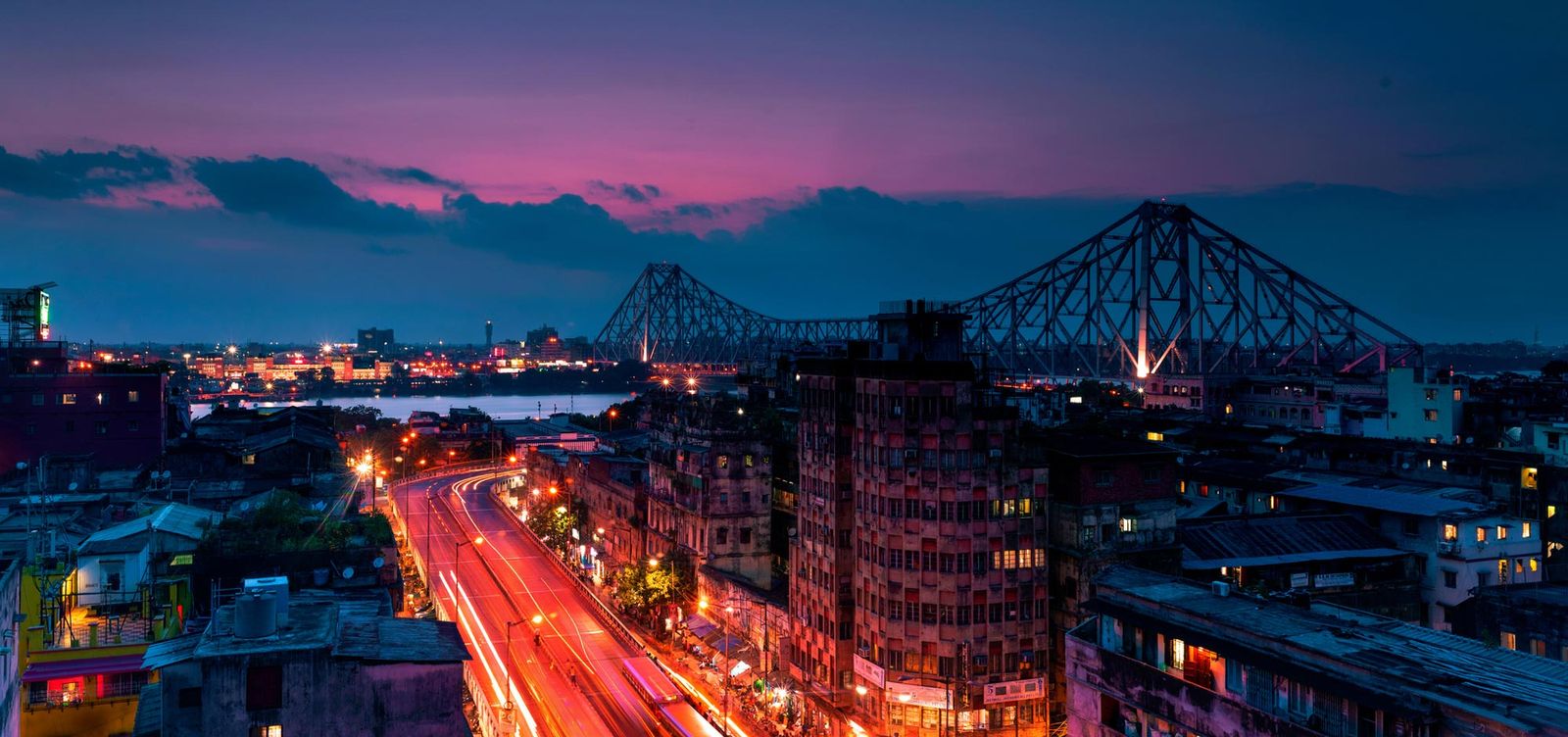
Imagine standing on the Howrah Bridge at dusk, the Hooghly River shimmering amber beneath your feet, as a tide of yellow taxis, flower sellers, and hurrying commuters swirls around you — and somehow, impossibly, it all feels like it belongs. That's Kolkata. A city that doesn't just tolerate its contradictions — it thrives on them. Grand Colonial-era mansions crumble gracefully beside neon-lit sweet shops. Hand-pulled rickshaws weave past air-conditioned cabs. Hushed literary cafés sit a heartbeat away from roaring street markets where vendors hawk everything from jasmine garlands to second-hand philosophy books. Welcome to the City of Joy — India's restless, brilliant, utterly unforgettable cultural capital.
Where History Lives in Every Stone
Kolkata wore the crown of British India's capital until 1911, and that legacy is etched into its bones. Walk up to the Victoria Memorial and watch the morning light strike its white Makrana marble until the whole building seems to glow — then lose yourself in the manicured gardens that frame it like a painting. Step inside the Indian Museum, one of the oldest and largest in all of Asia, where centuries of art, archaeology, and natural history unfold room after echoing room.
Crane your neck at the Gothic spires of St. Paul's Cathedral. Gaze up at the cantilever span of the Howrah Bridge — a steel colossus that carries the weight of an entire city's daily rush. Kolkata's skyline doesn't just hint at history; it argues with it, layering centuries one on top of another in a way that feels completely, wonderfully alive.
Neighborhoods That Tell a Thousand Stories
Forget the guidebook highlights for a moment — the real magic of Kolkata hides in its neighborhoods. Start at College Street, widely celebrated as the largest second-hand book market in the world. Towering stacks of dog-eared novels, yellowed poetry collections, and obscure academic texts line the pavements, and the sound of passionate debate drifts from every tea stall. Duck into the legendary Indian Coffee House nearby, where the clatter of cups and the murmur of writers, poets, and armchair philosophers haven't changed in decades. Order a strong coffee and just listen.
Head north and the rhythm shifts. North Kolkata unfolds in narrow lanes flanked by ancestral homes with peeling shutters and ornate wrought-iron balconies. Incense curls from neighborhood temples. Life here moves at a gentler, more meditative pace. Swing south, though, and you'll find wide, tree-canopied avenues, modern shopping centers, and upscale restaurants where Bengali cuisine gets a contemporary polish.
A City That Eats with Its Whole Heart
Let's be honest — you haven't really arrived in Kolkata until you've burned your tongue on a puchka. The city's beloved version of pani puri explodes with tamarind, chili, and a hit of tangy water that makes your eyes widen and your hand reach for the next one immediately. Street food here isn't a side attraction; it's a way of life. Seek out these essentials:
- Puchka — crispy shells loaded with spiced potato and that addictive, eye-watering tamarind water
- Kathi rolls — flaky parathas wrapped around sizzling spiced meats or paneer, eaten on the move like a true Kolkatan
- Mishti doi — sweetened yogurt set in little clay pots that lend it a subtle, earthy flavor
- Rosogolla and sandesh — the iconic Bengali sweets that locals will defend with the fervor of a cricket rivalry
From soot-stained roadside stalls where the cook knows every regular by name to refined Bengali restaurants serving slow-cooked shorshe ilish (hilsa fish in mustard sauce), this city takes its food personally. Watch a sweet-maker's hands move in a blur as he shapes fresh sandesh, and you'll see it — the pride, the precision, the love. In Kolkata, feeding someone well is a form of affection.
Rivers, Green Spaces, and Room to Breathe
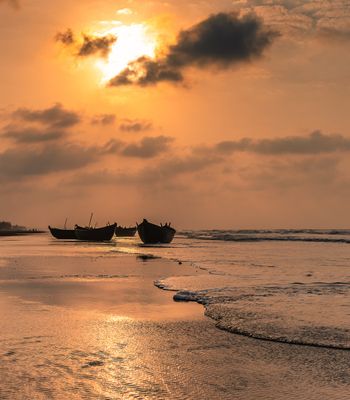
The Hooghly River — a distributary of the mighty Ganges — defines Kolkata's western edge and gives the city its most poetic moments. As evening falls, walk along the ghats and watch the water catch the last copper streaks of sunlight while ferries chug across to Howrah. The air smells of river mud and marigolds. It's the kind of scene that makes you instinctively slow down.
In the city's center, the Maidan stretches out like a giant green exhale — a vast urban park of open fields and shaded walking paths. Arrive early in the morning, before the heat thickens, and you'll share the space with joggers, cricket players setting up impromptu matches, and families spreading blankets on the grass. It's Kolkata's communal living room, and everyone's invited.
When Devotion Shakes the Ground
Kolkata's spiritual pulse runs deep. Stand on the river bank at Dakshineswar Kali Temple and feel the energy of thousands of pilgrims pressing forward with offerings of hibiscus and sweets. Across the water, Belur Math — the serene headquarters of the Ramakrishna Mission — offers a quieter kind of reverence, its architecture deliberately blending Hindu, Christian, and Islamic motifs into one harmonious whole.
But nothing — nothing — prepares you for Durga Puja. Typically held in October, this festival transforms Kolkata into an open-air art gallery, a street party, and a spiritual awakening all at once. Elaborate pandals — temporary structures that range from bamboo shrines to jaw-dropping installations made of recycled saris or clay — rise in every neighborhood, each housing breathtaking depictions of Goddess Durga. Millions pour into the streets. Drummers pound out dhak rhythms that you feel in your chest. The smell of incense mingles with fried food and fresh flowers. If you can time your visit for Durga Puja, do it — it is one of the most immersive cultural experiences you'll find anywhere in India.
Getting Around and When to Go
Navigating Kolkata is easier than its chaotic first impression suggests. Hop on India's oldest metro system for quick cross-city jumps, or flag down one of the iconic yellow taxis for a more atmospheric ride. Rattling trams — a charming relic you won't find in most Indian cities — still trundle through certain routes, and auto-rickshaws fill in the gaps.
Plan your visit between October and March, when the air cools to a comfortable warmth and the festival calendar — headlined by Durga Puja — is at its richest. Summers (April–May) can be punishingly hot and humid, and the monsoon months from June through September bring heavy, dramatic downpours that flood streets but also lend the city a moody, cinematic beauty.
A City That Stays with You
Kolkata doesn't hand itself over on a platter. It asks for your curiosity, your patience, your willingness to linger. Sit in a tea stall long enough and a stranger will start a conversation about Tagore. Follow the sound of a dhak drum down a side lane and stumble onto a neighborhood celebration you weren't expecting. Watch the fading light over the Hooghly at dusk and feel something shift quietly inside you.
This is a city rich in history, art, and food — yes — but what truly sets it apart is its warmth. Kolkata doesn't just welcome visitors; it pulls them in, feeds them, argues with them, and sends them home carrying something they can't quite name. Go once, and it will stay with you long after you leave.