A single painting stopped me mid-step. Forty-nine square feet of earth-toned brilliance — Lord Vishnu reaching down to rescue an elephant king from a crocodile's jaws — glowing on the palace wall as though the artist had only just set down his brush. That painting, the Gajendra Moksham mural, is reason enough to find your way to Krishnapuram Palace. But it's far from the only one.
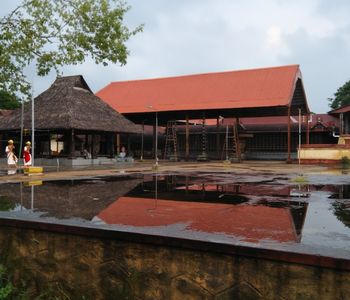
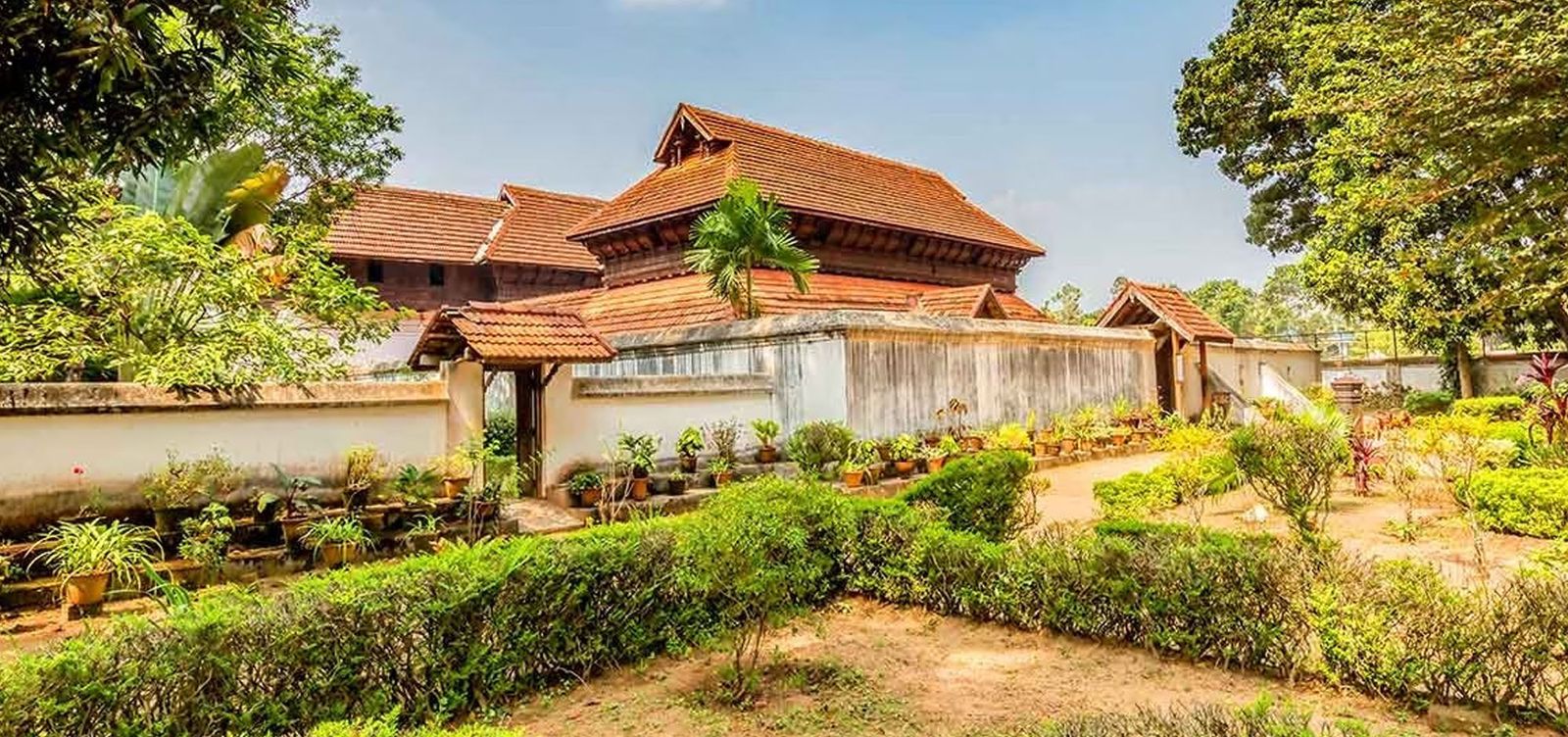
Tucked into the Alappuzha district of Kerala, this 18th-century palace was built under the patronage of Travancore ruler Marthanda Varma. There are no soaring Mughal domes here, no Rajput grandeur. Instead, dark wooden beams carved with dizzying precision, cool laterite stone walls, and a gabled roof lined with traditional tiles whisper of a distinctly South Indian elegance — understated, unhurried, and deeply refined.
Today, the palace operates as a museum under the Archaeological Department of Kerala, sheltering rare bronze sculptures, ancient coins, and one of the largest oil paintings on the continent. For anyone threading through Kerala's backwater country, this is the detour that transforms a beautiful trip into a meaningful one.
A Kingdom Carved from Ambition and Art
Anizham Thirunal Marthanda Varma was not a subtle ruler. Between 1729 and 1758, he unified southern Kerala under a single Travancore banner — absorbing rivals, expanding borders, and pouring resources into culture along the way. Krishnapuram Palace rose during that era of territorial confidence, serving as a royal residence whenever the king and his court traveled through the Alappuzha region.
Centuries passed, and the palace didn't fare as well as the dynasty's reputation. Political power shifted. The royal family's influence faded. By the mid-20th century, monsoon rains and neglect had eaten away much of the original structure.
Then, in the 1980s, the Kerala state government stepped in. Artisans painstakingly reconstructed the palace — preserving its original design while reinforcing walls and rooflines that had sagged under the weight of time. Walk through it now, and you're standing inside a careful act of cultural rescue, a monument saved just before it was too late.
Where Wood, Stone, and Light Tell the Story
The first thing that strikes you isn't a single detail — it's the silhouette. That double-storied form with its steep gabled roof and rows of dormer windows looks like something the surrounding palm groves grew on their own, so naturally does it sit in the landscape.
Step closer and the craftsmanship sharpens into focus. Doorways and ceiling panels bloom with hand-carved patterns cut into dark tropical wood, each groove evidence of a master craftsman's steady hand. Run your fingers along the laterite stone walls and feel how cool they stay — a clever, centuries-old answer to Kerala's sweltering humidity.
Wide corridors stretch between spacious halls that once echoed with royal gatherings and the rhythms of classical performances. At the heart of it all sits a traditional Kerala courtyard, open to the sky, connecting the palace's wings while flooding the interior with green-filtered daylight.
What makes this place exceptional for architecture lovers is purity. No European colonial flourishes crept into its design. What you see here is indigenous Kerala building tradition, preserved and readable — a textbook you can walk through.
Treasures Behind Every Doorway
Since its conversion into a museum, Krishnapuram Palace has filled its rooms with artifacts spanning several centuries — bronze sculptures, ancient coins, stone carvings, and royal memorabilia arranged in curated displays that unravel Kerala's artistic DNA one room at a time.
The Mural That Silences the Room
Nothing prepares you for the Gajendra Moksham. At roughly 49 square feet, this massive single-panel oil painting dominates its wall with cinematic force. The scene is pure Hindu mythology: Lord Vishnu descending to free Gajendra, the elephant king, from a crocodile's death grip. Rich ochres, deep reds, and earthy greens swirl together in brushwork so detailed you can practically hear the thrashing water.
Art historians classify it as a pinnacle of the Travancore school of painting. Standing before it, you can study the color palettes and layering techniques that Kerala's royal artists perfected — techniques that survive in almost no other setting this intact. Honestly, this mural alone justifies the journey to Kayamkulam.
Bronze Gods and Stone Records
Beyond the mural, glass cases hold centuries-old bronze idols of Hindu deities — each one a testament to the skill of Kerala's metalworkers, who coaxed flowing robes and serene expressions from molten metal. Nearby, stone inscriptions recovered from the palace grounds record land grants, temple dedications, and royal decrees from the Travancore period.
These aren't just museum pieces. They're tangible threads connecting you to the people who ruled, worshipped, and bargained on this very ground hundreds of years ago.
Why This Palace Matters More Than Its Size Suggests
Kerala's cultural landscape is rich, but Krishnapuram Palace occupies a rare niche within it. Very few surviving royal residences showcase pure Kerala architectural traditions untouched by Mughal, Rajput, or colonial influence. This is one of them.
More than that, the museum preserves art forms that were slipping toward oblivion. Kerala's mural painting tradition peaked during the Travancore era, and by housing the Gajendra Moksham in its original setting, the palace functions as a living archive — not a replica, not a reproduction, but the real thing on the real wall. Religious scholars and art students travel here specifically for that authenticity, and you can feel its pull the moment you enter the gallery.
Your Visit, Step by Step
Krishnapuram Palace sits in Kayamkulam, roughly 47 kilometers south of Alappuzha city. Gates open at 9:30 a.m. and close at 4:30 p.m. every day except Mondays. Entry fees are refreshingly modest — around 20 rupees for Indian citizens, with a slightly higher rate for international visitors. Camera charges may apply, so check the latest pricing at the entrance.
Most visitors spend one to two hours exploring the palace and its galleries. The collection is compact but dense with meaning, so slow down and read the informational placards beside each exhibit — they add layers you'd miss at a quick glance. Wear comfortable shoes; stone pathways and steps between levels can be uneven.
Finding Your Way There
From Alappuzha, hail a taxi or hop on a local bus heading south toward Kayamkulam. Prefer trains? Kayamkulam railway station is just a few kilometers from the palace, with regular connections from Thiruvananthapuram and Kochi. Auto rickshaws cluster near the station and will deliver you to the palace gates in minutes.
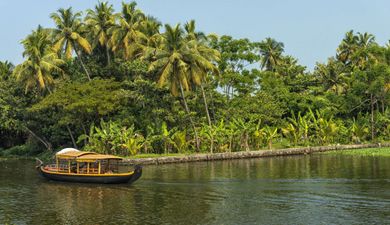
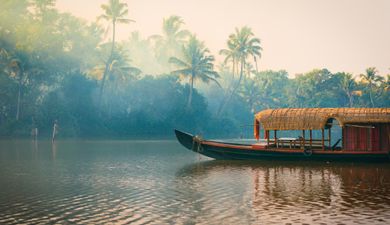
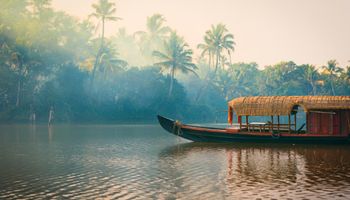
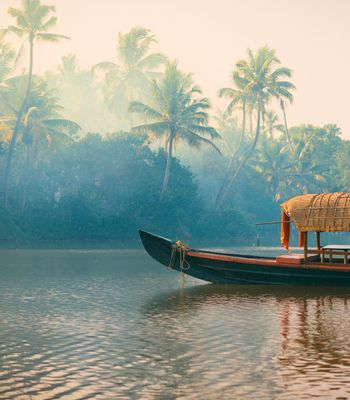
Here's a tip worth taking: if you're already cruising Kerala's famous backwaters by houseboat, build in a stop at Krishnapuram Palace. Pairing the liquid serenity of the canals with the quiet grandeur of the palace gives you both the natural beauty and the historical depth that make Alappuzha district unforgettable.
Linger a Little Longer
Before you leave, wander the surrounding gardens. Mature trees and flowering plants frame the palace like a living border, and the atmosphere invites you to slow your breathing and reach for your camera. Early morning is the magic hour — soft sunlight slants through the gabled roofs and throws long, dramatic shadows across the courtyard stones.
Once you step outside the palace grounds, Kayamkulam rewards the hungry traveler. Seek out a small restaurant and order a traditional sadya — a riot of curries, pickles, and rice served on a glossy banana leaf. Or simply duck into a tea shop, wrap your hands around a cup of freshly brewed Kerala tea, and pair it with a crispy local snack while the morning's impressions settle.
Krishnapuram Palace will never compete with India's blockbuster landmarks for international fame. And that, frankly, is part of its charm. Its quiet elegance, its centuries-old mural glowing in the dim gallery light, and its courtyard where birdsong replaces crowd noise — these are rewards reserved for the curious traveler willing to look a little deeper. Walk through its gates, and Travancore's royal past becomes something you don't just learn about. You feel it.