The moment you step off the train in Mysore, something shifts. The air carries a whisper of sandalwood, flower garlands spill over market stalls in bursts of orange and white, and the pace of life feels deliciously unhurried. This is Karnataka's cultural soul — a city that doesn't shout for your attention but quietly, irresistibly, pulls you in.
Perched on the Deccan Plateau at roughly 2,500 feet above sea level, Mysore enjoys a climate that feels like a permanent exhale — warm but never punishing, with cool evenings that make rooftop dinners a nightly pleasure. Gentle hills, open plains, and pockets of deep green frame the city on all sides, but it's the Chamundi Hills to the southeast that steal the skyline.
Over a thousand stone steps wind their way to the summit, where the Sri Chamundeshwari Temple has drawn pilgrims for centuries. Your calves will burn. Your lungs will protest. But when you turn around and see all of Mysore spread below — palace spires catching the light, tree-lined boulevards stitching neighborhoods together — every step feels worth it.
A Palace That Glows Like a Fever Dream
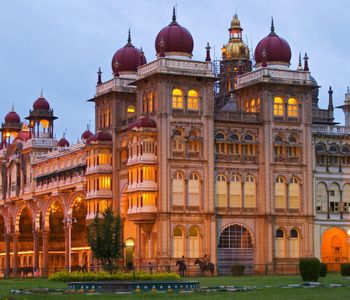
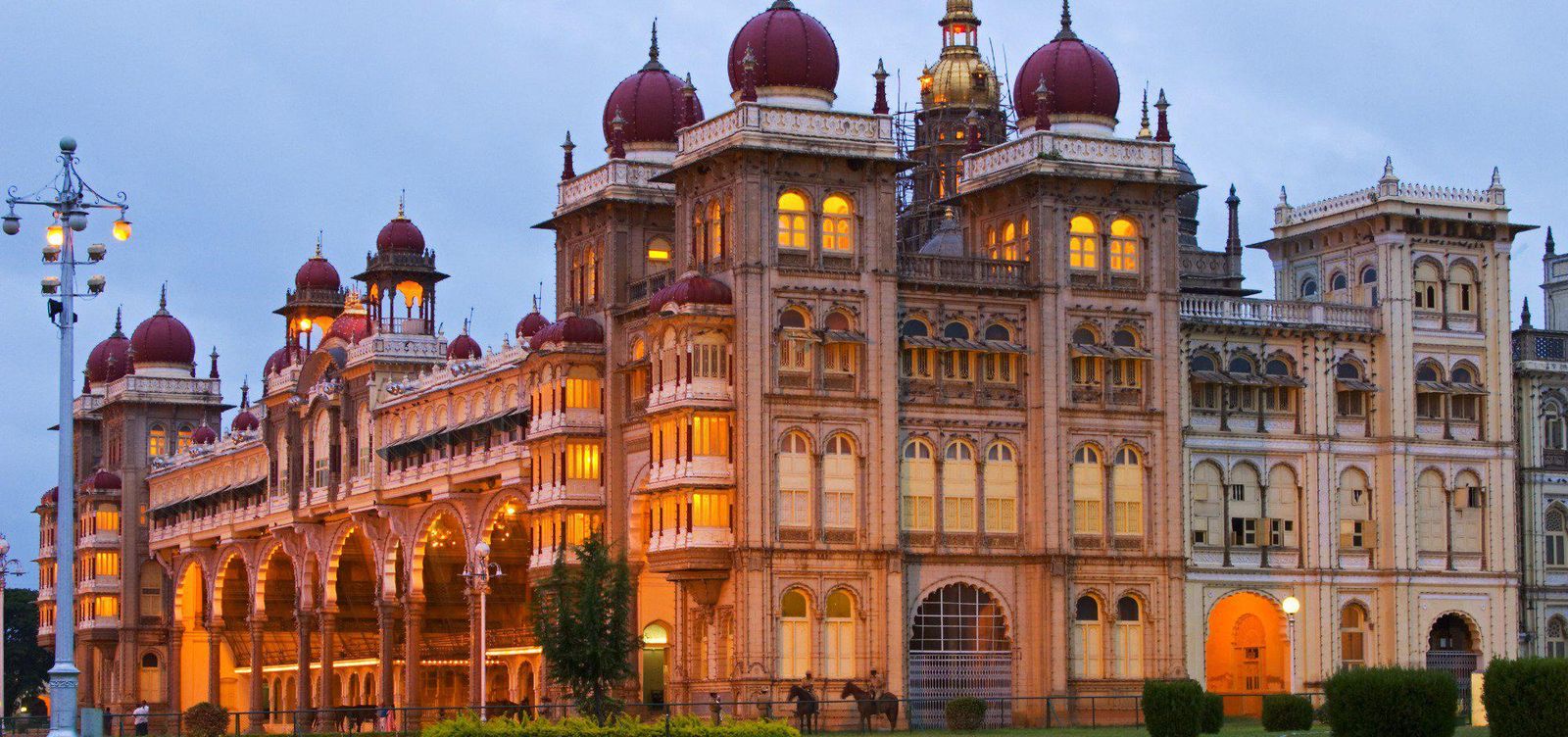
No building in India quite prepares you for the Mysore Palace. One of the most visited monuments in the country, this Indo-Saracenic marvel is a riot of carved arches, stained-glass ceilings that scatter jewel-toned light across marble floors, and ornamental domes that seem to multiply the longer you look.
Come on a Sunday evening or a public holiday, and the palace reveals its party trick: nearly 100,000 light bulbs flicker to life at dusk, turning the entire structure into something that feels more mirage than masonry. Crowds gather on the lawns, phones raised, children gasping. It never gets old.
Should your timing align with Dasara — the ten-day festival in September or October — you'll witness Mysore at its most extravagant. Grand processions flood the streets, classical dancers perform on illuminated stages, and decorated elephants march through the city in a tradition that stretches back centuries. This is the city's heartbeat at full volume.
Where Sandalwood and Jasmine Compete for Your Attention
Devaraja Market doesn't ease you in gently. One of the oldest markets in Mysore, it sprawls across several blocks in a sensory avalanche — vibrant mounds of kumkum powder in shades of crimson and saffron, jasmine garlands so fragrant they follow you three stalls down, towers of handmade sandalwood soap stacked like gold bars.
Vendors call out prices, weigh spices on brass scales, and wrap silk in brown paper with practiced hands. Wander the narrow aisles slowly. Haggle a little. Buy more jasmine than you need. This is daily life in Mysore, unfiltered and alive.
A City That Still Dances, Paints, and Sings
Mysore's creative roots run deep — all the way back to the Wodeyar dynasty, whose patronage turned this city into a powerhouse of classical Carnatic music, Bharatanatyam dance, and a distinctive painting style marked by rich golds and fine detailing. That legacy hasn't faded into museum displays.
Art galleries and cultural centers host regular performances, while small workshops tucked along quiet streets welcome visitors for demonstrations and hands-on classes. You might stumble into a silk-painting session in the morning and find yourself swaying to a veena recital by evening. The creative pulse here is constant and contagious.
Wild Encounters Just Beyond the City Limits
A short drive from Mysore's center opens up an entirely different world. Three excursions deserve a spot on your itinerary:
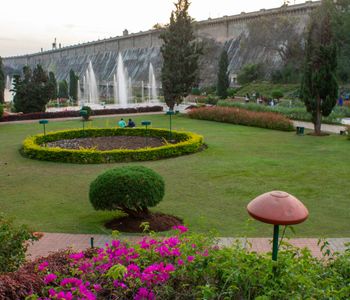
- Brindavan Gardens — Terraced lawns cascade toward the Krishna Raja Sagara dam, and after dark, musical fountain shows send plumes of water dancing through colored lights.
- Ranganathittu Bird Sanctuary — Glide along the Kaveri River in a small boat while herons, cormorants, and painted storks fish mere feet from your oar. Bring binoculars — you'll need them.
- Nagarhole National Park — Elephants move through teak forests in silent herds, tigers prowl the undergrowth, and spotted deer freeze at the sound of your jeep. This is wild Karnataka at its most thrilling.
Crispy, Spicy, Butter-Soaked Bliss
A Mysore masala dosa is not your average dosa. Crack through that impossibly crispy golden crepe and you'll hit a layer of fiery red chutney that lights up your palate before the spiced potato filling brings everything back to earth. Seek one out at a local eatery where the batter has been fermenting since dawn — the difference is everything.
For a deeper dive, order a traditional Karnataka thali: a steel plate crowded with small bowls of sambar, rasam, vegetable curries, pickle, papad, and rice, each flavor building on the last. And before you leave the city, track down a piece of Mysore pak — a dense, buttery sweet born in the palace kitchens generations ago that crumbles on your tongue like edible gold.
Getting There, Getting Around, Settling In
Bangalore sits roughly three hours away by road or rail, making Mysore an easy addition to any southern India itinerary. Once you arrive, auto-rickshaws buzz along every major road, taxis are plentiful, and city buses connect the key neighborhoods. Many central attractions cluster close enough together that your own two feet become the best transport.
Accommodation runs the full spectrum — from cheerful budget guesthouses to heritage properties where you sleep in rooms that echo the city's royal past, complete with carved wooden furniture and courtyard gardens.
Here's the thing about Mysore: three days feels like enough until you're actually there. The warmth of the people, the layered flavors, the way golden light hits the palace at dusk — it all conspires to make you push your departure back by a day, then another. Give in. This city rewards those who linger.