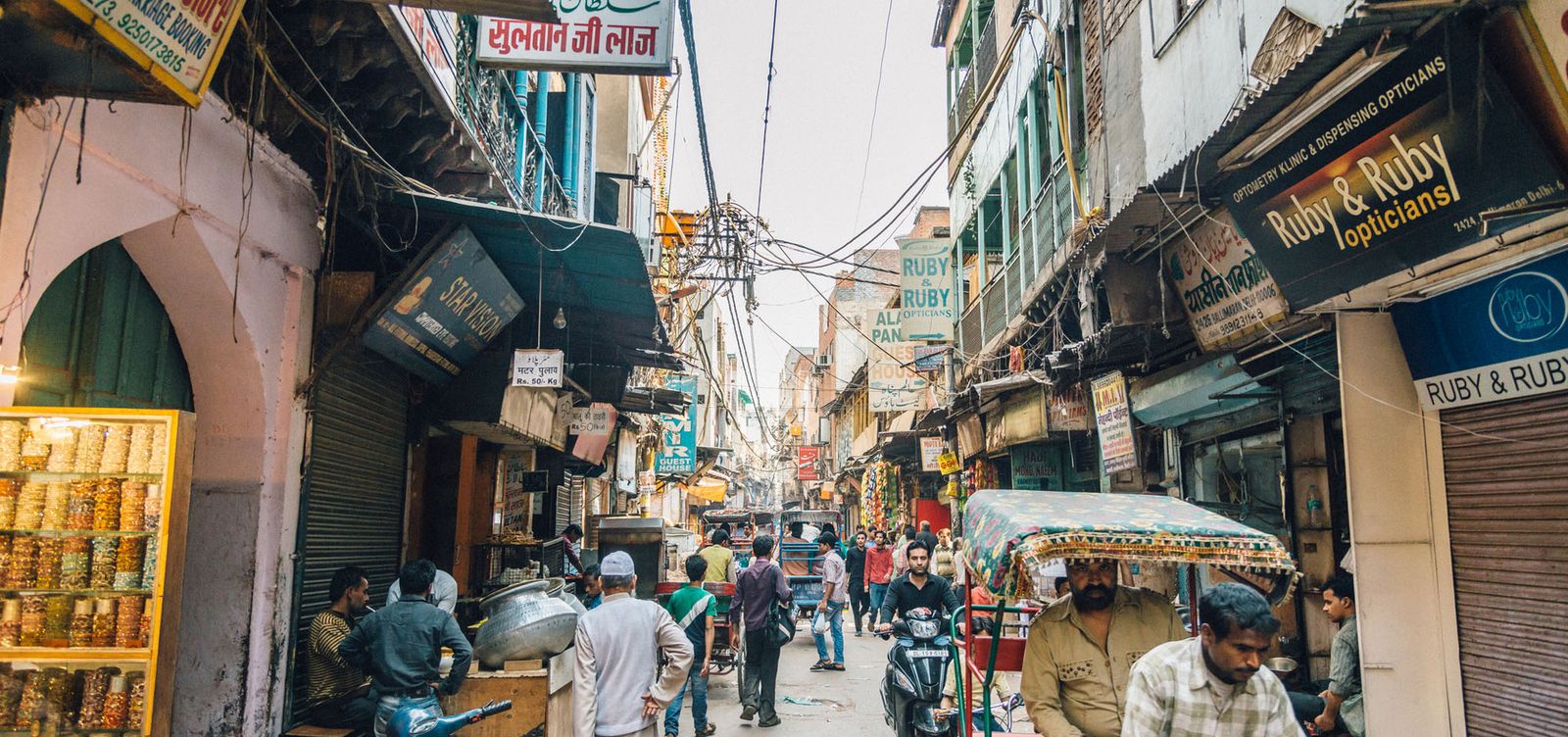
Dating back to the mid-1600s, Chandni Chowk is one of the oldest and busiest markets in India. Stretching from the iconic Red Fort to the Fatehpuri Masjid, this legendary street in Old Delhi pulses with energy from dawn until well after dark. Originally designed by Princess Jahanara Begum, daughter of Mughal Emperor Shah Jahan, the market was envisioned as a grand commercial hub befitting a powerful empire. Today, Chandni Chowk remains true to that original purpose. Thousands of shoppers, traders and tourists fill its narrow lanes daily, browsing everything from intricate jewelry to fragrant spices. For travelers seeking an unfiltered encounter with Delhi's heritage, food and commerce, Chandni Chowk delivers an experience that no modern shopping mall can replicate.
Tracing the Market's Mughal Origins
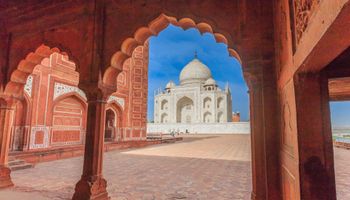
Shah Jahan, the same emperor who commissioned the Taj Mahal, shifted his capital from Agra to Delhi in 1648. Along with constructing the Red Fort and Jama Masjid, he approved the creation of a wide, tree-lined avenue that would serve as the city's primary commercial artery. Princess Jahanara designed this boulevard with a canal running through its center, reflecting moonlight so beautifully that locals named it Chandni Chowk, meaning "Moonlit Square."
Over the centuries, the canal was filled in and the trees gave way to dense rows of shops. Successive rulers, including the British, reshaped sections of the market to suit their administrative needs. Despite these changes, Chandni Chowk never lost its commercial identity. Remarkably, many family-run businesses here have been operating for generations, passing their storefronts from parents to children across three or four centuries.
Exploring the Market's Distinct Lanes
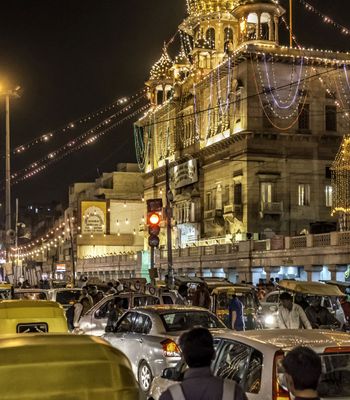
At first glance, Chandni Chowk can feel overwhelming. Rickshaws weave through pedestrian traffic, vendors call out from every direction and the aroma of frying snacks competes with incense from nearby temples. However, the market is actually organized into specialized lanes, each dedicated to a particular trade. Understanding this layout transforms a chaotic visit into a purposeful exploration.
Dariba Kalan
Known as one of the oldest jewelry markets in Asia, Dariba Kalan has been trading in gold, silver and precious stones since the 17th century. Shopkeepers here display elaborate necklaces, bangles and earrings crafted by local artisans. If you're looking for traditional Indian jewelry or simply want to admire the craftsmanship, this lane is essential.
Khari Baoli
Asia's largest wholesale spice market sits at the western end of Chandni Chowk. Walking into Khari Baoli, visitors are immediately greeted by the powerful scent of dried chilies, turmeric, cardamom and cumin. Massive sacks line the storefronts, and traders negotiate bulk deals with buyers from across the country. Even if you only purchase a small bag of saffron or garam masala, the sensory experience alone makes this lane unforgettable.
Kinari Bazaar
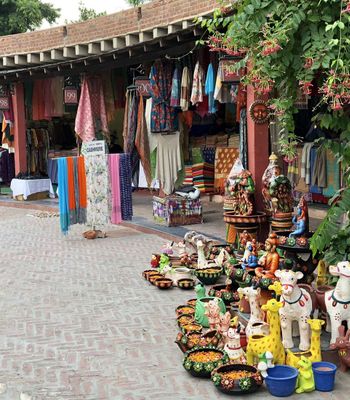
For those interested in Indian weddings and festive decorations, Kinari Bazaar is a visual feast. This lane specializes in ribbons, lace, sequined fabrics and ornate trimmings. Brides-to-be and event planners frequent this market in search of embellishments for wedding attire and celebration décor.
Savoring the Famous Street Food
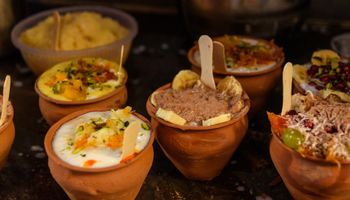
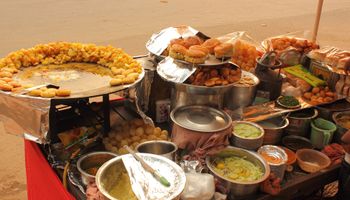
Beyond its shopping, Chandni Chowk is arguably Delhi's greatest food destination. Generations-old eateries line the main road and its side alleys, each with a loyal following built over decades. For adventurous foodies, a walk through this market doubles as a culinary pilgrimage.
Start with the legendary paranthas at Paranthe Wali Gali, a narrow lane where shops have been frying stuffed flatbreads since the 1870s. Fillings range from potato and cauliflower to more unusual options like rabri, a sweetened condensed milk. Next, seek out the chole bhature at establishments that have perfected this combination of spiced chickpeas and deep-fried bread over generations.
Sweet lovers will find plenty to indulge in as well. Shops like Old Famous Jalebi Wala have been serving crisp, syrup-soaked jalebis from the same corner for over a century. Also, the creamy kulfi and refreshing lassi available throughout the market provide welcome relief during warmer months. Overall, arriving on an empty stomach is strongly recommended.
Visiting Historical and Religious Landmarks
Chandni Chowk is far more than a market. Several significant religious and historical sites stand along or near the main boulevard, reflecting the area's diverse cultural fabric.
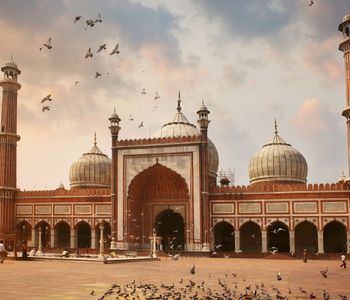
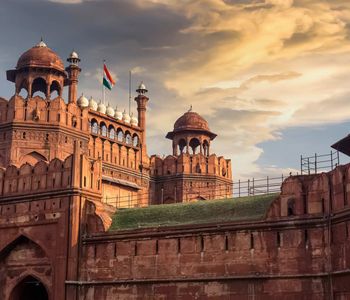
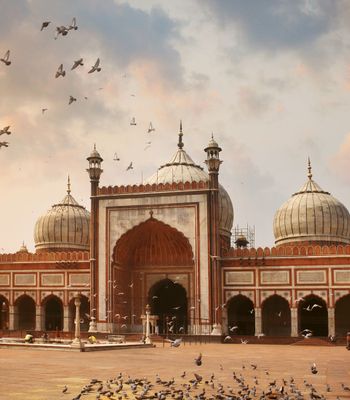
At the eastern end, the Red Fort dominates the skyline with its massive red sandstone walls. Although it requires a separate entry ticket, the fort provides important context for Chandni Chowk's origins. Nearby, the Jama Masjid rises as one of India's largest mosques, capable of accommodating 25,000 worshippers. Its towering minarets and expansive courtyard offer panoramic views of Old Delhi.
Equally notable are the Gauri Shankar Temple, dedicated to Lord Shiva, and the historic Gurudwara Sis Ganj Sahib, one of the most important Sikh places of worship in India. Additionally, the Digambara Jain Temple, believed to be the oldest Jain temple in Delhi, sits right on the main road. This proximity of Hindu, Sikh, Jain and Muslim landmarks within a single stretch speaks to the area's remarkable religious harmony.
Planning Your Visit
Chandni Chowk is open throughout the week, though most shops remain closed on Sundays. Individual store hours vary, but the market generally comes alive by 10 a.m. and stays active until 8 or 9 p.m. For a less crowded experience, visiting on a weekday morning allows you to explore the lanes more comfortably. However, experiencing the market at peak hours offers its own authentic charm.
There is no entry fee to visit Chandni Chowk since it functions as a public street market. Specific landmarks like the Red Fort have their own admission charges, though. Keep small denominations of cash handy because many vendors do not accept cards. Increasingly, digital payment platforms are being adopted, but cash remains the most reliable option for street-food stalls and smaller shops.
Getting to Chandni Chowk
Reaching the market is straightforward thanks to excellent public transit connections. The Delhi Metro's Yellow Line has a dedicated Chandni Chowk station, placing travelers directly at the heart of the action. From the station, the main road is just a short walk away. If you're arriving from another part of Delhi, auto rickshaws and ride-hailing services are widely available.
Once inside the market, walking is the most practical way to navigate. The lanes are narrow and frequently congested, making vehicles impractical beyond the main road. Alternatively, cycle rickshaws offer a classic Old Delhi experience, carrying passengers through the bustling corridors at a leisurely pace. Wear comfortable shoes because a thorough exploration of Chandni Chowk involves several hours on your feet.
Tips for a Rewarding Experience
Bargaining is expected at most shops in Chandni Chowk, so don't hesitate to negotiate prices, especially for textiles, jewelry and souvenirs. Generally, starting at about half the quoted price and meeting somewhere in the middle is a common approach. Stay aware of your belongings in crowded areas, and carry a water bottle to stay hydrated during longer visits.
With its layered history, vibrant commerce and legendary food scene, Chandni Chowk captures the spirit of Delhi in a way few other places can. Whether you spend two hours or an entire day here, the market leaves a lasting impression. By adding Chandni Chowk to your Delhi itinerary, you step into a living chronicle of Mughal grandeur, cultural diversity and timeless Indian enterprise.