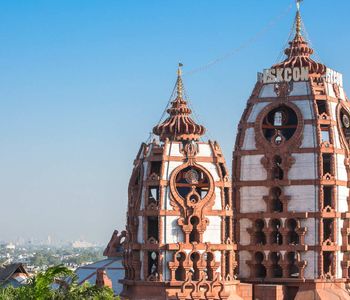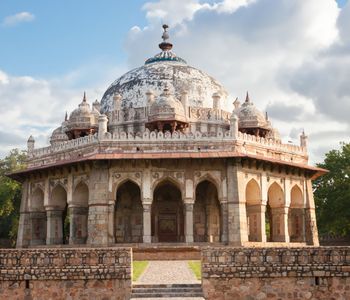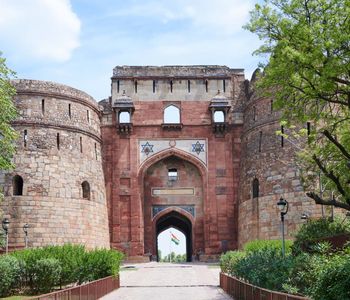
The first time you walk through Hauz Khas Village, something slightly surreal happens — you find yourself standing between a 13th-century madrasa and a neon-lit café serving oat milk lattes. That electric collision of old and new? That's South Delhi in a single frame.
Unlike the narrow lanes and breathless energy of Old Delhi to the north, the southern stretch of the capital unfolds at a different pace. Tree-lined avenues replace crowded gullies. Manicured parks open up where you least expect them. The air feels different here — less diesel, more bougainvillea — and the neighborhoods carry a polished confidence without losing their warmth.
Where Centuries Pile Up Beneath Your Feet
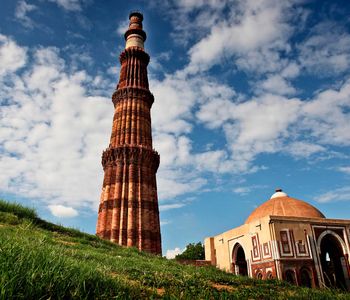
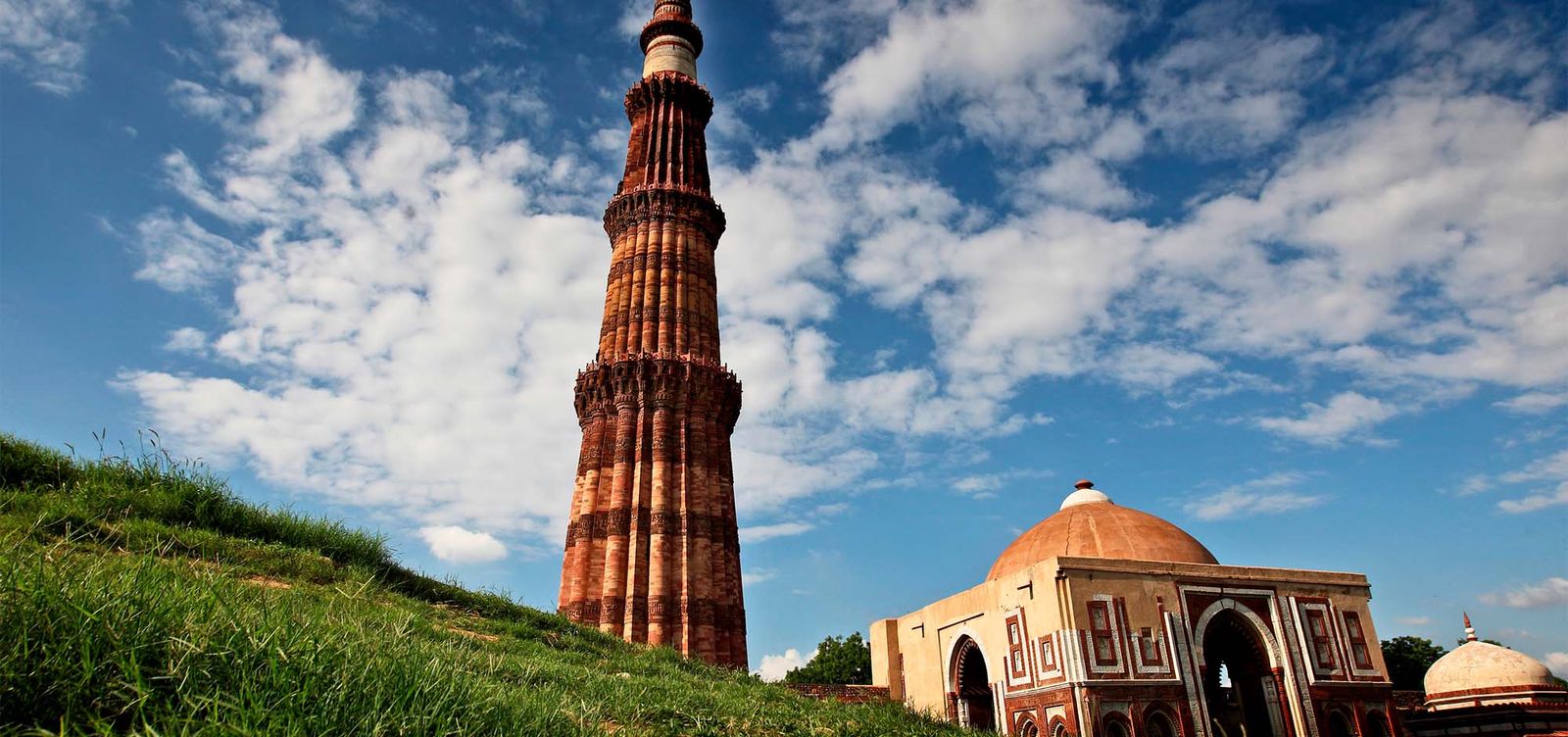
At the southwestern edge of South Delhi, the Qutub Minar pierces the sky like an exclamation point at the end of eight hundred years. This UNESCO World Heritage Site rises over 70 meters, its red sandstone surface intricately carved with Quranic verses and floral patterns that sharpen in the late afternoon sun.
Wander the surrounding complex and you'll find elaborately sculpted gateways, scattered ruins, and the famous Iron Pillar — a metallurgical mystery that has resisted corrosion for more than 1,600 years. Scientists still debate how. You'll just stand there marveling.
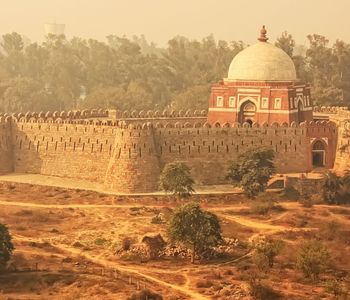
A short walk away, Mehrauli Archaeological Park sprawls across quiet, uneven ground. Every few steps reveal another forgotten tomb, another crumbling archway half-swallowed by fig roots. Dynasties overlap here — Sultanate, Mughal, British — and the silence between the stones feels earned. Budget more time than you think you'll need. This place has a way of holding onto you.
Neighborhoods That Refuse to Be One Thing
Hauz Khas Village is the poster child for South Delhi's split personality. The original 13th-century water tank still shimmers below the ruins of Firoz Shah's madrasa, its green surface reflecting domes that predate the Renaissance. Turn around, and you're browsing independent fashion labels, ducking into contemporary art galleries, or climbing to a rooftop café where the chai comes strong and the view stretches across the ancient reservoir.
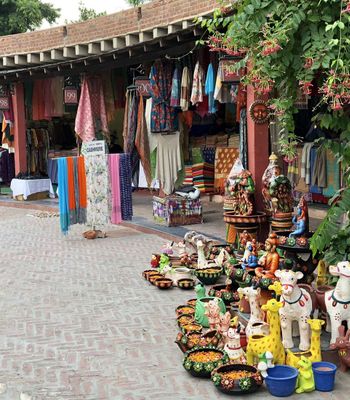
Then there's Dilli Haat — an open-air bazaar where artisans from every corner of India set up stalls selling handloom textiles, blue pottery from Jaipur, lac bangles from Rajasthan, and intricate woodwork from Kashmir. The smell of freshly fried kachori and tangy chaat drifts between the stalls. Give yourself at least two hours here, and wear comfortable shoes. You'll want to touch everything.
A Dining Scene That Could Fill a Whole Trip
South Delhi eats seriously. The range is staggering, and the best meals sometimes come from the most unassuming places.
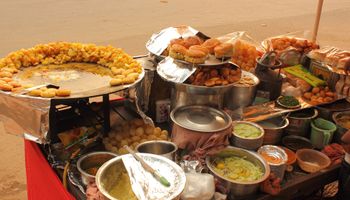
- Chaat and kebabs sizzling at roadside stalls — the tang of tamarind, the crunch of sev, the heat of green chutney all hitting at once
- Authentic Bengali cuisine tucked into the lanes of CR Park, where fish curries and mishti doi taste like someone's grandmother made them (because someone's grandmother probably did)
- Paper-thin dosas crackling with ghee at the eateries around INA Market
- Upscale international fare in the leafy restaurants of Meherchand Market and Khan Market
- Mughlai classics — slow-cooked nihari, buttery dal makhani — carrying on generations of culinary memory in Defence Colony
Green Spaces That Make You Forget the Megacity
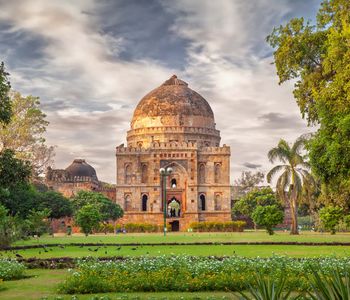
Lodhi Garden at dawn is one of Delhi's most quietly magical experiences. Spread across 90 acres, this public park cradles 15th- and 16th-century tombs among flowering trees and manicured lawns. The soft morning light catches sandstone domes while joggers pad past, couples stroll beneath canopies of jamun trees, and yoga practitioners fold into silence on the grass.
Over in Hauz Khas, Deer Park offers a gentler weekend scene — families spread out on blankets, spotted deer graze behind low fences, and a small lake draws migratory birds when the cooler months roll in. Even the wilder Sanjay Van forest, part of the ancient Aravalli Ridge — one of the oldest mountain ranges on Earth — surprises with dense canopy cover, peacock calls, and a hush that feels borrowed from somewhere far outside a city of 20 million.
How to Navigate and When to Go
The Delhi Metro is your best friend here, with stations at Saket, Hauz Khas, Green Park, and Qutub Minar connecting you to major hubs cleanly and cheaply. For the gaps between stations and specific doorsteps, auto-rickshaws and ride-hailing apps like Uber and Ola do the job.
Timing matters. Visit between October and March, when the air is crisp, the light is golden, and walking for hours actually feels like pleasure rather than endurance. Delhi's summer heat — often north of 45°C — will pin you indoors by noon.
Why South Delhi Stays With You
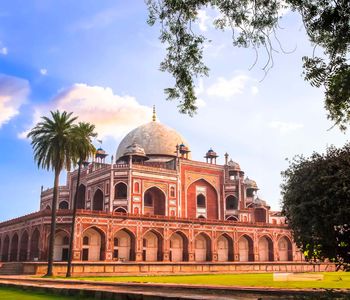
What makes this part of the capital linger in memory isn't any single monument or meal — it's the layering. A Mughal tomb visible through the window of a contemporary gallery. The sound of birdsong in a forest that shouldn't exist inside a megacity. A plate of street chaat so perfect it recalibrates your entire understanding of flavor.
South Delhi never asks you to choose between history and modernity. It hands you both, often in the same breath, often on the same block. Bring your curiosity and comfortable shoes. Every corner here has something waiting.