A sizzling griddle cracks with mustard seeds as a vendor flips golden parathas at a Rajouri Garden street stall, the rich aroma of melted butter curling through the morning air. This is West Delhi — not a postcard destination, but something better. It's the capital stripped of performance, living and breathing at its own unhurried pace, daring you to keep up.
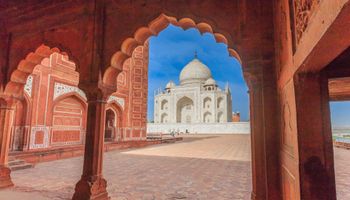
While crowds jostle for selfies at India Gate and navigate the narrow chaos of Chandni Chowk, this sprawling western district quietly rewards travelers who wander off-script. No monuments compete for your attention here. Instead, you get something rarer: the honest, unfiltered rhythm of how Delhi actually lives.
A Neighborhood for Every Mood
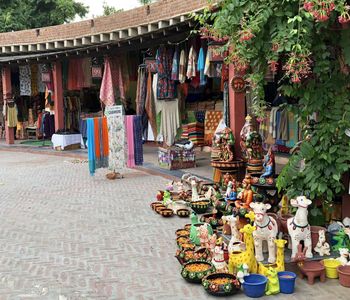
West Delhi isn't one place — it's a dozen, each with its own pulse. Rajouri Garden thrums with retail energy, its lanes packed with stores selling everything from embroidered wedding lehengas to the latest smartphones. Punjabi Bagh carries a quieter confidence, its wide roads lined with upscale eateries and well-kept parks. Patel Nagar hums with student life and late-night chai runs, while Janakpuri sprawls outward with a suburban calm that surprises first-time visitors.
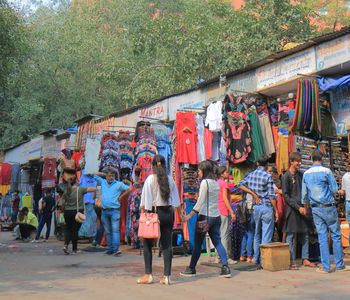
Hit Rajouri Garden's main market on a Saturday afternoon and you'll feel it before you see it — the roar of bargain hunters, shopkeepers beckoning with theatrical urgency, the click-clack of hangers sliding across metal racks. It's sensory overload in the best possible way.
Concrete Jungle, Hidden Oases
Yes, West Delhi is unapologetically urban. Wide arterial roads slice through dense residential blocks, auto-rickshaws weave between buses, and construction cranes seem to dot every horizon. Don't let the concrete fool you.
Tucked between the bustle, green sanctuaries wait. Japanese Park in Rohini offers manicured paths beneath canopies of neem and ashoka trees — perfect for a slow morning walk. District Park in Punjabi Bagh draws joggers, yoga enthusiasts, and families who spread out on the grass as the sky turns amber at dusk. Ten minutes from the noisiest market, you can hear birdsong. That contrast is pure Delhi.
A Partition Legacy You Can Taste
The flavors here tell a story that stretches back to 1947. After Partition, waves of Punjabi families settled in neighborhoods like Punjabi Bagh and Rajouri Garden, carrying with them recipes, dialects, and traditions that sank deep roots into the soil. Generations later, that heritage is alive on every block.
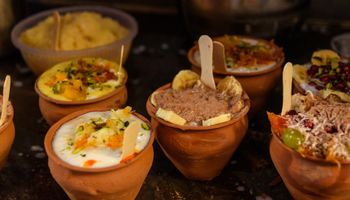
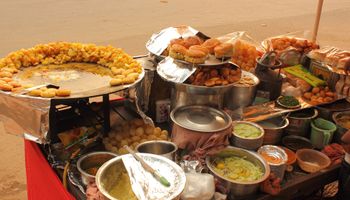
Expect portions that border on absurd. Butter-drenched parathas the size of your plate. Chole bhature so puffy they threaten to float off the table. Tandoori chicken with a char that crackles under your teeth. Along Patel Nagar and Tilak Nagar, street vendors dish out tangy chaat, crisp golgappas that burst with tamarind water, and creamy kulfi that melts faster than you can eat it in the Delhi heat. Forget Michelin stars — this food earns its reputation one loyal regular at a time.
Where Bargain Hunting Becomes Sport
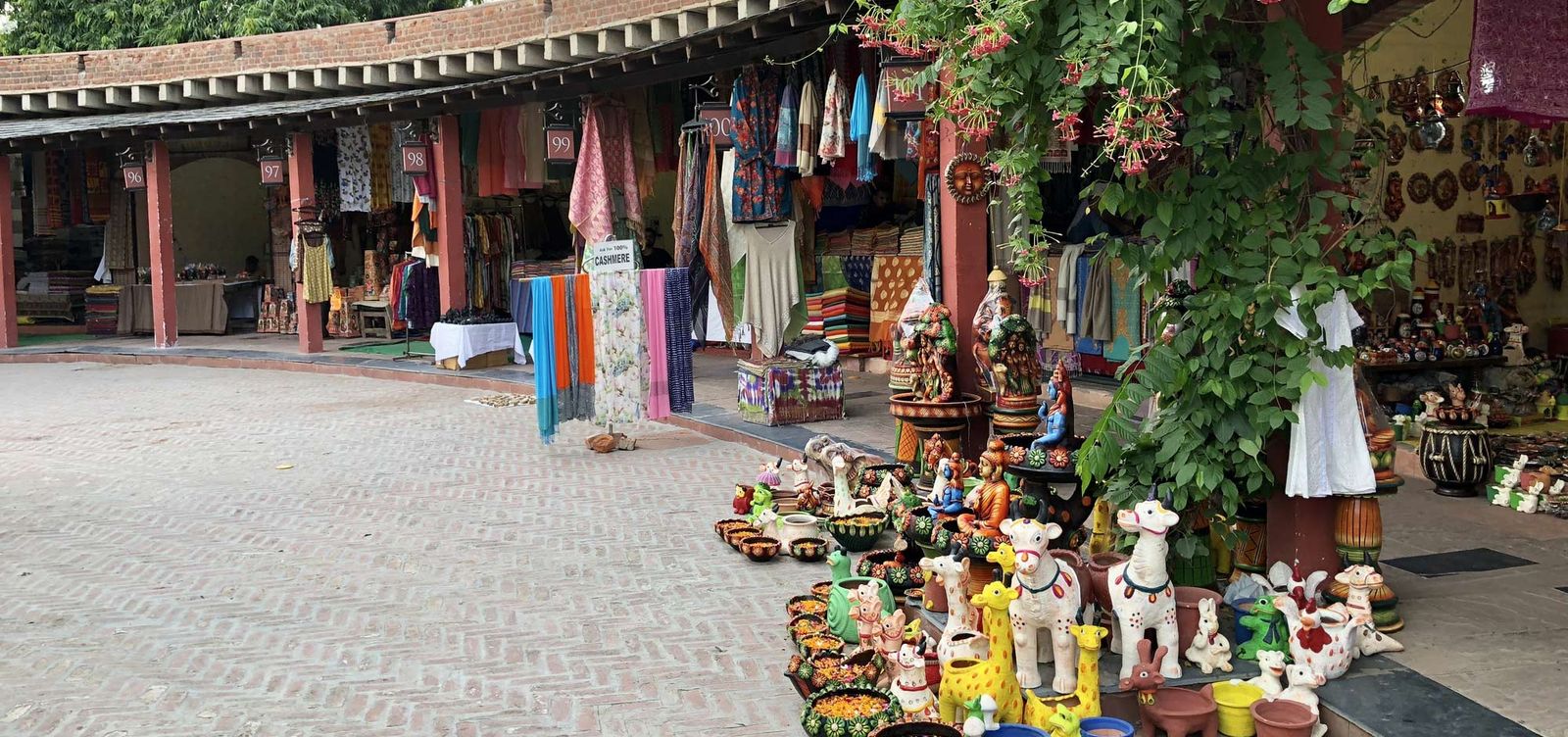
Shopping is West Delhi's superpower. Beyond Rajouri Garden's flagship market, Janakpuri's District Centre blends modern malls and brand outlets with independent local stores where the owner knows every item by name.
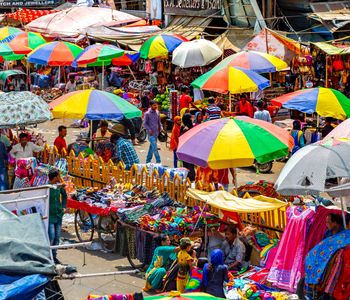
But the real magic? Weekly street markets that spring up across the district's residential colonies like pop-up festivals of commerce. Heaps of ₹100 kurtas, glittering costume jewelry, kitchen gadgets you didn't know you needed — all laid out on tarps along the road. Elbow your way through the crowd and you'll understand how millions of Delhiites shop and socialize every single week. It's not curated. It's not instagrammable. It's completely addictive.
Faith Woven Into Every Corner
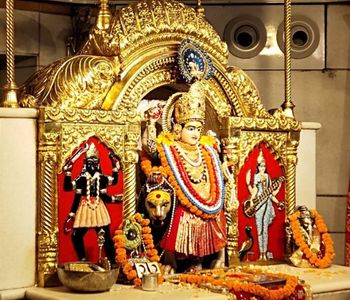
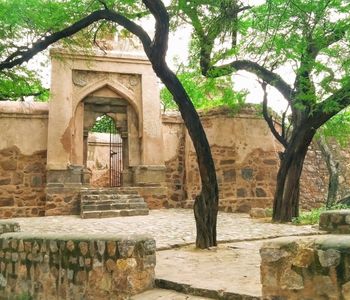
Grand Mughal monuments may be scarce in this part of the city, but spiritual life pulses through West Delhi in quieter, more intimate ways. The Hanuman Mandir in Punjabi Bagh fills with the sound of bells and devotional chanting throughout the week. Sai Baba temples and gurudwaras appear on seemingly every other street, their doors open, langar kitchens fragrant with dal and fresh rotis.
What truly transforms the district, though, are the festivals. During Diwali, balconies blaze with oil lamps and strings of lights turn ordinary lanes into corridors of gold. Lohri brings bonfires and the thump of dhol drums echoing between apartment blocks. Navratri fills community grounds with dancers spinning late into the night. These aren't performances for visitors — they're celebrations you're welcomed into.
Getting Around Without the Hassle
The Delhi Metro's Blue Line is your best friend here, threading through the district's key hubs:
- Rajouri Garden
- Janakpuri West
- Tilak Nagar
- Subhash Nagar
- Uttam Nagar
Hop on at any of these stations and you're connected to Connaught Place, Old Delhi, and beyond in under thirty minutes. For budget-conscious travelers, West Delhi makes a smart base — hotels and guesthouses here cost noticeably less than their South or Central Delhi counterparts, without sacrificing a shred of metro connectivity.
The Real Heartbeat of the Capital
No, West Delhi won't land on a "Top 10 Must-See" listicle anytime soon. That's exactly why it matters.
Here, you eat where families have eaten for three generations. You shop where the prices aren't inflated for tourists. You sit in a park at sunset and watch grandparents teach toddlers to walk on the same paths they once strolled as newlyweds. It's Delhi without the filter — generous, loud, unglamorous, and deeply real. If you want to understand this city beyond its monuments, start walking west.