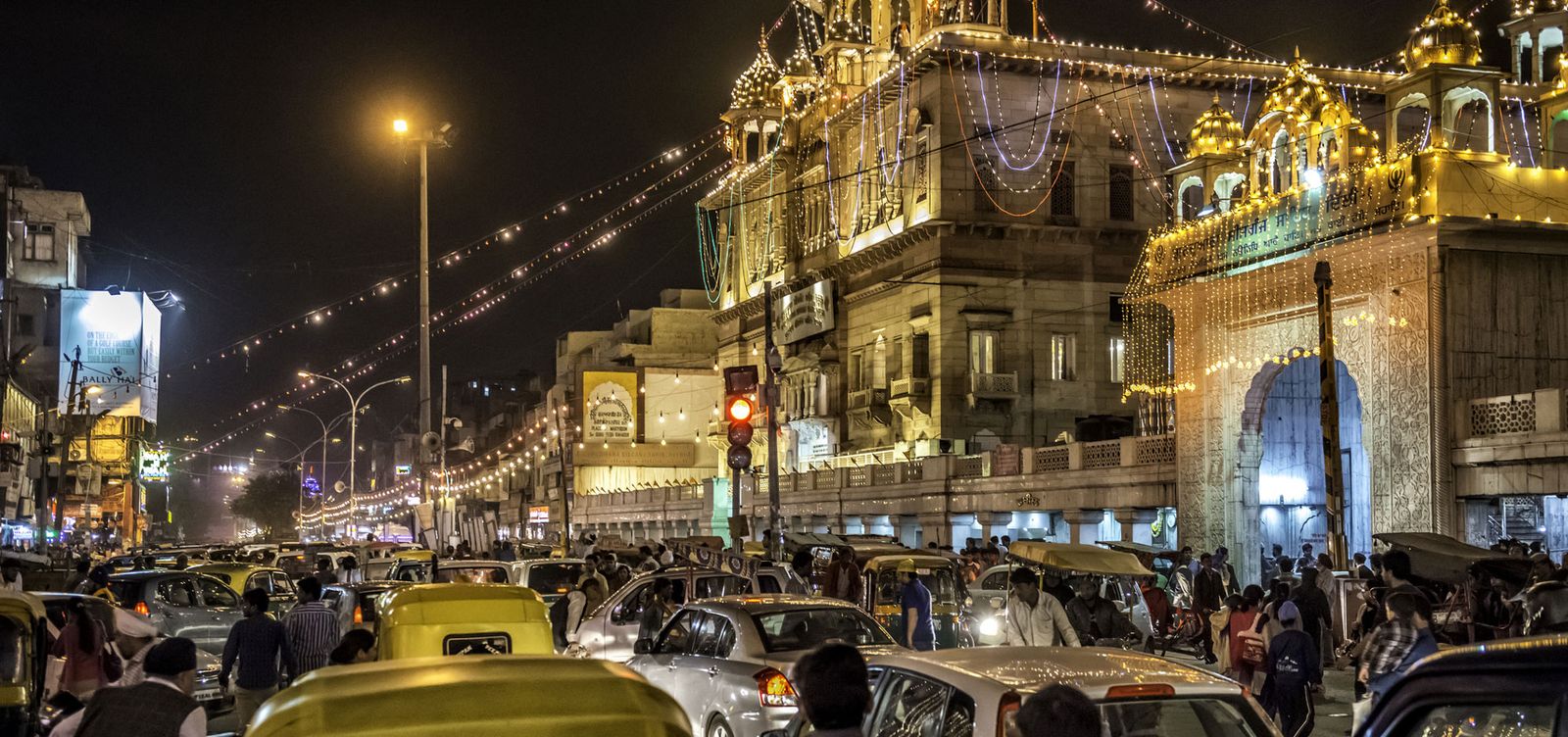
The first thing that hits you in North Delhi isn't the sight of crumbling Mughal arches or the riot of color spilling from shop fronts — it's the smell. Cumin crackling in hot oil, smoke curling off tandoors, the earthy sweetness of neem leaves after a light rain. This is Delhi with the volume turned all the way up, and it doesn't care if you're ready for it.
Where New Delhi unfolds in broad, British-planned boulevards, its northern counterpart is a glorious tangle. Centuries of life have been layered here — Mughal emperors, Sikh martyrs, college students cramming for exams, chai wallahs who've occupied the same two square feet of sidewalk for decades. Every lane has a story, and most of them are still being written.
The Ridge: Delhi's Last Wild Breath
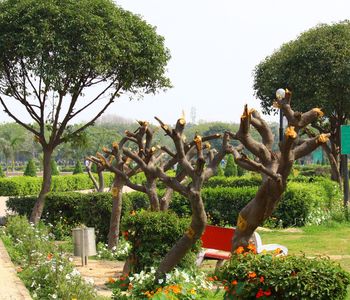
Amid the concrete sprawl, a rocky spine of the ancient Aravalli range pushes through the earth like a stubborn reminder of what came before. This is The Ridge — one of the capital's last surviving green lungs — and stepping into its canopy of dhak, keekar, and neem trees feels like slipping into another century.
Birdsong replaces car horns here. Sunlight filters through dusty leaves in long golden shafts. You might spot a treepie flashing its cinnamon wings or a mongoose darting across the path. It's the kind of place that makes you forget you're standing in one of the most densely populated cities on earth.
Walls That Remember: Old Delhi's Mughal Soul
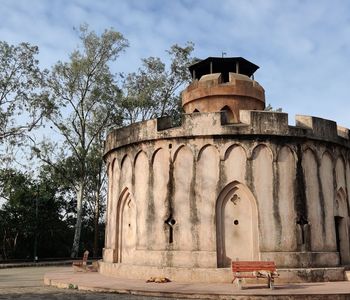
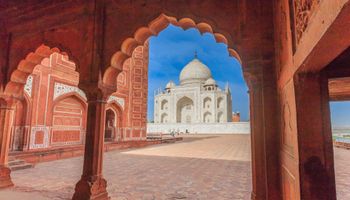
Shah Jahan didn't think small. When the Mughal emperor envisioned his capital in the 17th century, he built it to overwhelm — and standing beneath the massive sandstone walls of the Red Fort today, you'll feel exactly what he intended. The fortification looms above the streets with an authority that six centuries of chaos haven't managed to diminish.
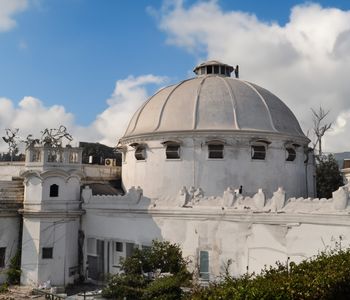
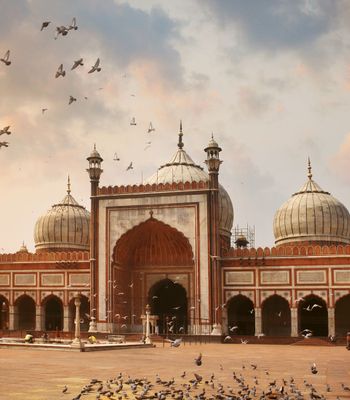
A short walk south, the Jama Masjid spreads across an elevated courtyard that can hold 25,000 worshippers. Climb the narrow minaret staircase — your thighs will protest, but the panoramic view of Old Delhi's rooftops, satellite dishes, and kite-flecked sky is worth every step.
Chandni Chowk: A Marketplace That Swallows You Whole
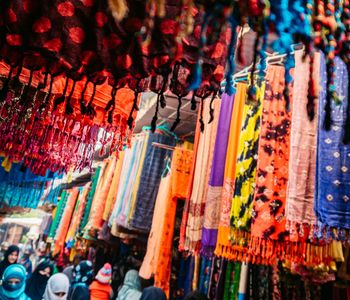
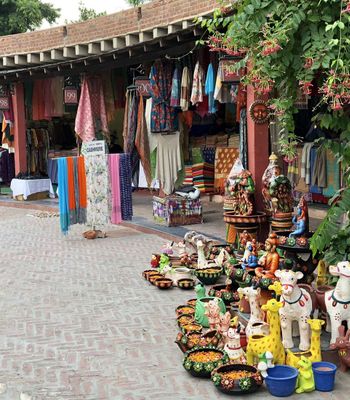
Hard to believe this deafening, electrifying bazaar was once a moonlit promenade with a canal down its center. Today, Chandni Chowk is a dense labyrinth where spice merchants sit cross-legged behind mountains of turmeric and chili powder, textile sellers unfurl silks in impossible colors, and wedding shops glitter like treasure caves.
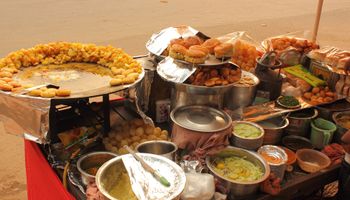
Move slowly. Let the crowd carry you. And whatever you do, come hungry — the street food here isn't just good, it's the stuff of legend:
- Paranthe Wali Gali — deep-fried stuffed flatbreads dripping with ghee, served on steel plates in an alley that's been perfecting them for over a century
- Chaat and golgappas — crispy, tangy, sweet, spicy, all in a single explosive bite from roadside stalls
- Jalebi and rabri — syrup-soaked spirals of fried batter paired with thickened milk from sweet shops that have outlasted empires
- Kebabs and nihari — slow-cooked, fall-apart-tender meat from Mughlai eateries clustered near Jama Masjid, best eaten with torn pieces of naan
A single afternoon of eating through these lanes can genuinely rewire your understanding of Indian food. Budget accordingly — not for money (it's astonishingly cheap), but for stomach space.
Campus Vibes and Bookshop Browsing
North of the old city, the energy shifts. The University of Delhi drapes its tree-lined campus roads across the neighborhood, and suddenly the Mughal atmosphere gives way to something younger, louder, and caffeinated. Kamla Nagar's narrow shopping streets buzz with students hunting for jeans and jhumkas, while Hudson Lane has reinvented itself as a strip of quirky cafés where momos share menu space with pasta and bubble tea.
Duck into a secondhand bookshop near campus and lose an hour flipping through dog-eared novels and out-of-print poetry collections. The shopkeepers here tend to be readers themselves — ask for a recommendation and you might walk out with something you'd never have found at home.
Sacred Corners at Every Turn
What strikes you most about North Delhi's spiritual landscape is its sheer variety compressed into such a small area. Gurudwara Sis Ganj Sahib rises along Chandni Chowk, marking the site where the ninth Sikh Guru, Guru Tegh Bahadur, was martyred — step inside and the cool marble underfoot and the low hum of kirtan offer an instant stillness amid the market's frenzy.
Centuries-old Jain temples hide behind modest doorways in the older neighborhoods, their interiors unexpectedly ornate. Hindu shrines tucked into alley walls are draped in marigolds and lit by flickering oil lamps. This spiritual layering mirrors Delhi itself — a city where multiple faiths, histories, and traditions coexist in startlingly close quarters.
Getting Around Without Losing Your Mind
The Delhi Metro is your best friend here. Stations at Chandni Chowk, Kashmere Gate, and Vishwavidyalaya drop you right into the action, and the air-conditioned carriages offer a merciful reset between adventures. Once you're off the train, auto-rickshaws handle the mid-range distances with cheerful aggression.
But for the narrow arteries of Old Delhi — where cars simply cannot fit and even motorcycles negotiate with caution — hire a cycle-rickshaw. Your driver will weave through gaps that seem physically impossible while you grip the sides and grin. It remains the single most immersive way to absorb this part of the city.
When to Go (and When to Think Twice)
October through March is the sweet spot. Temperatures hover at a comfortable level, the light turns golden in the late afternoon, and the festival calendar is packed — Diwali illuminates every rooftop and balcony, while Republic Day in January sends a patriotic thrum through the entire city.
Summer? That's a different beast. Temperatures routinely punch past 40°C, and the midday sun flattens the streets into a shimmering haze. If you do visit between April and June, adopt the local rhythm: explore in the cool of early morning, retreat during the scorching afternoon, then re-emerge after sunset when the city exhales and comes back to life.
The Unpolished Heart of the Capital
North Delhi doesn't curate itself for you. There are no velvet ropes, no manicured selfie spots, no gentle easing-in. It's loud and crowded and occasionally overwhelming — and that honesty is exactly what makes it unforgettable. Beneath the noise, you'll find a place where history isn't preserved behind glass but lived in, cooked over, prayed through, and argued about daily.
Come with open eyes and a flexible itinerary. Leave with grease-stained fingers, a phone full of photos you didn't plan to take, and the satisfied exhaustion that only comes from a place that gave you everything it had.