The moment you step onto Kamla Nehru Ridge, the city dissolves. One second you're navigating the honking, exhaust-choked arteries of North Delhi — the next, you're crunching over ancient rock beneath a canopy of gnarled Dhau trees, hearing nothing but birdsong and the rustle of dry leaves underfoot. It's almost disorienting, this sudden silence.
Spread across roughly 87 acres of rocky, semi-arid forest, this protected ridge preserves something extraordinary: the original landscape of Delhi, the one that existed long before concrete swallowed the plains. It's part biodiversity park, part open-air history museum, and part sanctuary for anyone craving a lungful of clean air. Nature lovers, history buffs, and weary travelers alike — this place has something quietly powerful waiting for each of you.
Billion-Year-Old Ground Beneath Your Feet
Here's a number that will stop you mid-stride: the rock you're walking on is roughly 1.5 billion years old. Kamla Nehru Ridge sits on the Northern Ridge segment of the ancient Aravalli Range — one of the oldest fold mountain systems on Earth. These aren't gentle, rolling hills. They're the stubborn, weathered bones of a geological giant.
Because The Ridge holds protected status as a reserved forest, its ecosystem has been partially spared from Delhi's relentless expansion. Seasonal streams carve through the rocky terrain, feeding a dry deciduous canopy that shelters an astonishing range of species. For a megacity choking on pollution and hemorrhaging green space, this ridge isn't just a nice-to-have — it's a lifeline.
Where Wild Things Still Roam
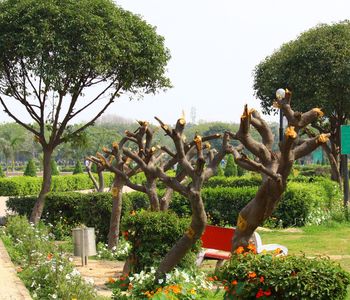
Dhau and Khair trees dominate the landscape here, their tough trunks twisted into shapes that speak of centuries of drought and monsoon. Beneath them, neem, Prosopis, and tangles of thorny scrub give the undergrowth a rugged, untamed edge — nothing manicured, nothing polished. This is Delhi at its most raw.
Bring binoculars. Over 100 bird species have been recorded along the Northern Ridge, and even a casual morning stroll might reward you with the flash of an Indian grey hornbill's wings, the unblinking stare of a spotted owlet, or the raucous chatter of rose-ringed parakeets streaking through the canopy. Winter migrants swell the numbers between November and February, turning the ridge into a birdwatcher's quiet paradise.
Then there are the nilgai — India's largest antelope — loping through the trees with an almost regal indifference to the millions of humans living just beyond the fence. Jackals, mongooses, butterflies, and reptiles round out a cast of residents that feels frankly improbable this close to Chandni Chowk. Yet here they are.
Monuments That Whisper Across Centuries
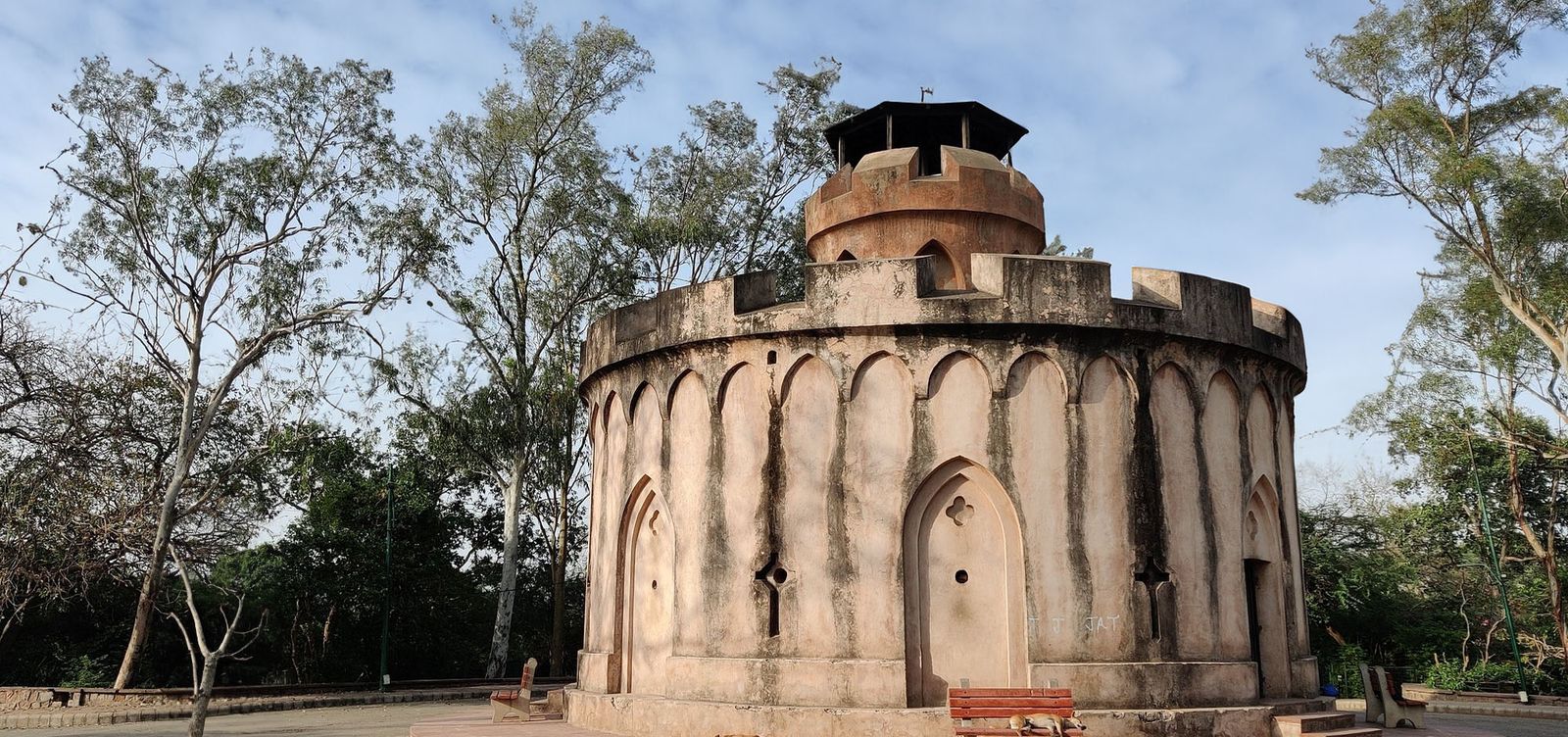
A Gothic tower rises from the scrubland like something transplanted from a Victorian novel. This is the Mutiny Memorial — also called Ajitgarh — erected by the British in 1863 to commemorate soldiers killed during the Indian Rebellion of 1857. But look closer. After independence, a plaque was affixed acknowledging a different truth: those who fought against British rule were freedom fighters, not rebels. Stand before it, and the weight of two conflicting narratives presses against you simultaneously.
A short walk away, the Ashokan Pillar commands a different kind of awe. Originally carved in the 3rd century BCE under Emperor Ashoka to spread Buddhist teachings, this polished sandstone column was hauled to Delhi in the 14th century by Sultan Firoz Shah Tughlaq. It has stood here ever since — one of the capital's most significant archaeological treasures, quietly radiating the authority of an empire long turned to dust.
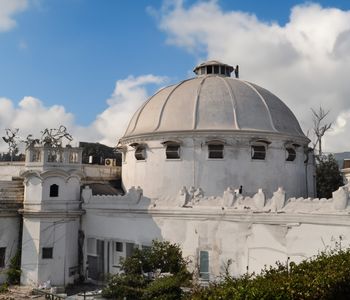
Don't miss Pir Ghaib, either. This compact Tughlaq-era hunting lodge — its name translating roughly to "the invisible saint" — is wrapped in local legends of a holy man who vanished within its walls. Thick stone arches frame patches of sky and forest, and the structure's modest scale only amplifies its mysterious charm.
Trails That Make You Forget the Megacity
Forget smooth pavement. The pathways here are unpaved, uneven, and gloriously wild — exposed rock, loose gravel, patches of dense scrub pressing in from both sides. Wear sturdy shoes and embrace the roughness. This isn't a stroll through Lodhi Garden.
A leisurely loop past the major landmarks takes about two hours. Early mornings are best: the light slants golden through the canopy, joggers and local fitness groups share the trails, and the heat hasn't yet turned punishing. But if you can time your visit for August through October — just after the monsoon — the ridge reveals its most breathtaking face. Every leaf gleams emerald, the air tastes rain-washed and sweet, and the undergrowth practically hums with life.
Photographers, take note: certain angles along the trail frame ancient stone monuments against walls of wild green so perfectly that you'd swear you were somewhere deep in rural Rajasthan, not inside one of the most populated cities on the planet.
Everything You Need to Know Before You Go
When to Show Up
Kamla Nehru Ridge is open year-round and completely free to enter. Aim for early morning or late afternoon — the wildlife is more active, and the temperatures are forgiving. Delhi summers can blast past 110°F, so water is non-negotiable during the hotter months. Winter mornings dip near 40°F; toss a light jacket in your bag.
How to Get There
Hop on the Yellow Line of the Delhi Metro and ride to Civil Lines station — the ridge entrance is a short auto rickshaw hop or a brisk walk from there. Taxis and ride-shares from Central Delhi take anywhere from 20 to 40 minutes depending on traffic, but parking near the ridge is limited, so public transit wins on convenience.
Smart Moves for the Trail
Slather on insect repellent, especially during and after monsoon season — the mosquitoes are enthusiastic. Stick to established pathways to protect the fragile habitat (and yourself). Visiting during busy morning hours or with a companion is wise, as the ridge is safest when others are around. No food vendors operate inside the park, so stash snacks and a water bottle in your daypack. After your walk, the cafes and restaurants lining nearby Civil Lines make a perfect reward.
A Piece of Delhi Worth Fighting For
Every year, Delhi's open spaces shrink a little more. Kamla Nehru Ridge pushes back against that tide — a stubborn, beautiful reminder of what this land looked like before the skyline took over. Local environmental groups and the Delhi Development Authority continue to guard it from encroachment, though the pressure never lets up.
Adding this ridge to your Delhi itinerary means stepping off the well-worn monument circuit and touching something deeper — the city's geological bones, its ecological heartbeat, its tangled, contested history. From rock forged 1.5 billion years ago to Tughlaq-era ruins to nilgai wandering through the underbrush, Kamla Nehru Ridge delivers an experience that's both humbling and impossible to forget.