The sizzle of momos hitting a hot pan, the rapid-fire banter of students haggling over jeans, the sweet waft of freshly fried gulab jamun drifting between crowded lanes — welcome to Kamla Nagar Market, where North Delhi's heartbeat is loudest. Tucked right beside the University of Delhi's North Campus, this bustling bazaar runs on youthful energy, pocket-friendly prices, and some of the most addictive street food in the entire capital. It's not polished. It's not curated for tourists. And that's exactly why you should go.
From College Colony to Cultural Landmark
Kamla Nagar owes its name to the residential colony that sprouted in the years after Indian independence. As Delhi swelled through the 1950s and 1960s, the neighborhoods hugging the university campus grew hungrier — for goods, for food, for connection.
Small family-run shops answered the call first, then multiplied across lanes and intersections until a full-blown commercial district took shape. Decades of student foot traffic molded the market's DNA: everything here is fast, affordable, and refreshingly no-nonsense.
Today, more than half a century later, Kamla Nagar remains one of North Delhi's most recognized shopping streets — a living, breathing archive of college memories for generations of Delhi residents.
Retail Therapy Without the Price Tag
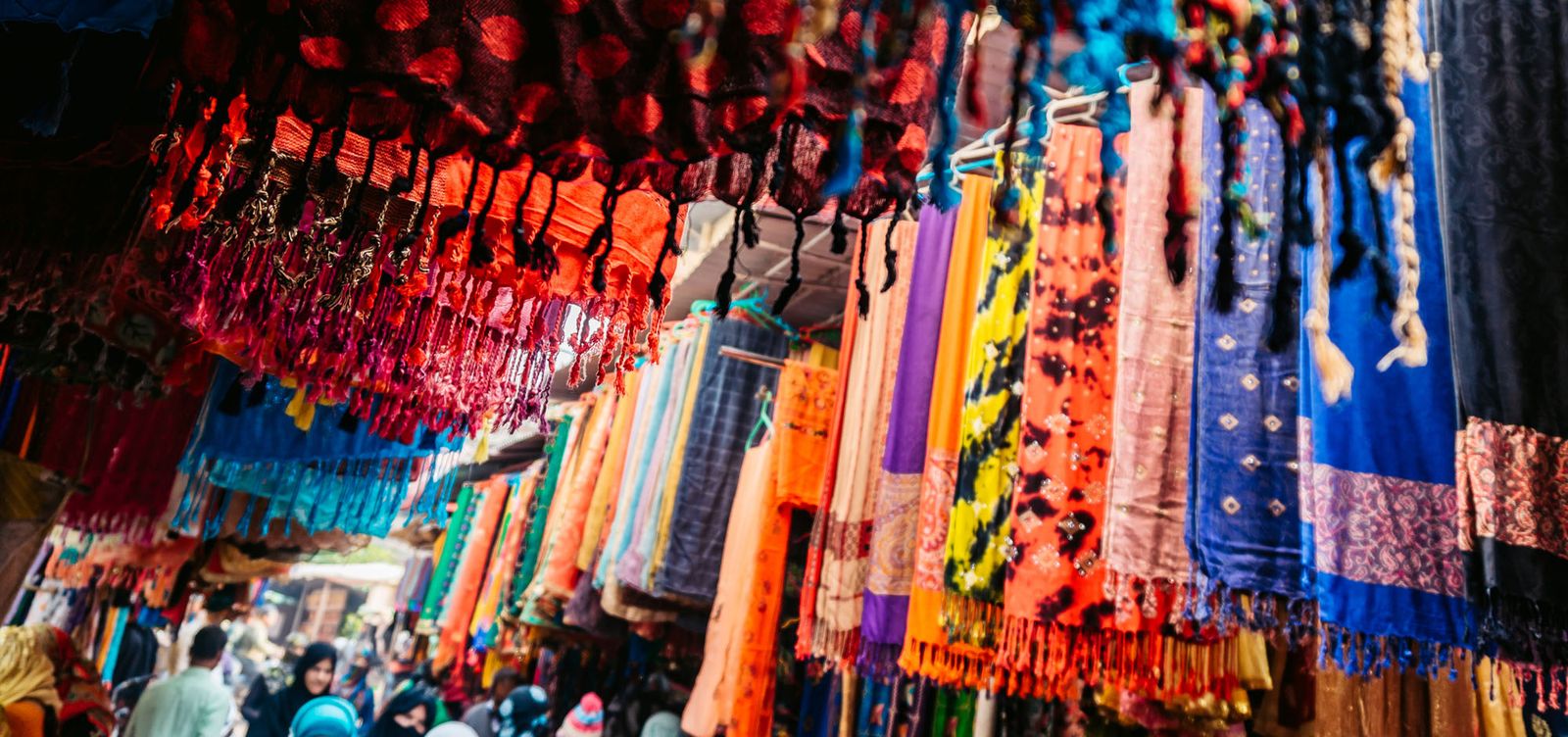
Step onto the main road and the sheer density of shops hits you immediately — storefronts crammed shoulder-to-shoulder, mannequins spilling onto sidewalks, racks of clothing fluttering in the breeze like colorful flags. This is bargain-hunter territory, where your wallet breathes easier than it ever would at Khan Market or Connaught Place.
Threads, Trinkets, and the Art of the Bargain
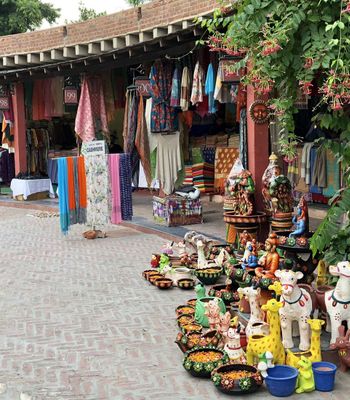
Fashion moves fast here. Shops rotate stock with the seasons, stocking everything from Western-style tops and denim to richly embroidered kurtas perfect for festivals and weddings. Accessories — chunky earrings, oversized sunglasses, embellished handbags — practically leap off every counter.
One golden rule: always negotiate. Vendors expect it, even welcome it. Toss out a counter-offer with a smile, and you'll often land a price that feels like a small victory.
A Book Lover's Quiet Corner
Tucked between the fashion frenzy, bookstores do steady business supplying university students with textbooks, reference guides, and competitive exam prep materials at slashed prices. July and January — the start of new semesters — turn these lanes into a bibliophile's obstacle course.
Even if you're not cramming for exams, browsing the shelves can unearth unexpected finds: Indian literary classics, philosophy collections, or dog-eared secondhand gems with someone else's margin notes still penciled in.
Where Every Bite Tells a Story
Honestly? Some people skip the shopping entirely and come here just to eat. The constant stream of ravenous students has turned Kamla Nagar into a street-food proving ground where only the most delicious stalls survive.
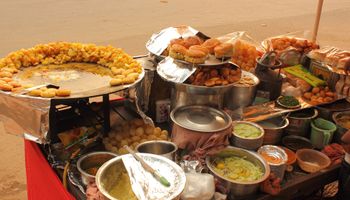
Begin with the momos — the market's undisputed crown jewel. Plump, steamed or golden-fried, they arrive with a fiery red chutney that clears your sinuses and keeps you reaching for more. Wander further and you'll find chaat vendors assembling towers of crispy papdi chaat and golgappas that burst with tangy tamarind water the moment they hit your tongue.
Craving something more substantial? Duck into one of the small sit-down restaurants dishing out buttery, fragrant butter chicken, earthy rajma chawal, and pillowy chole bhature — all at prices that feel almost unreasonably generous.
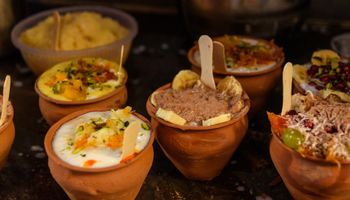
Save room for dessert. Creamy kulfi shaved into curls, thick rabri faluda layered in tall glasses, and syrup-soaked gulab jamun await around nearly every corner. A handful of newer cafes also cater to the espresso-and-sandwich crowd, their chalkboard menus a nod to Kamla Nagar's evolving tastes. Whatever you're craving — nostalgic or modern — this market delivers.
More Than a Market: The Soul of Student Delhi
Between classes, before exams, after breakups — generations of university students have gravitated to these lanes as their unofficial common room. Laughter ricochets off shop walls. Groups cluster around shared plates of momos. Arguments about cricket and Bollywood merge into a single, exuberant hum.
That communal energy intensifies before major festivals. In the weeks preceding Diwali, storefronts glow with decorative diyas, gift boxes wrapped in gold foil, and festive clothing that transforms window displays into miniature celebrations. Before Holi, towering stacks of colored powders in electric pinks, greens, and yellows line the sidewalks alongside water guns of every size. Walking through during these preparations feels like witnessing Delhi gear up for a party — joyful, chaotic, and utterly infectious.
How to Get There (Without the Headache)
Delhi's metro system makes reaching Kamla Nagar blissfully simple. Hop off at Vishwavidyalaya Station on the Yellow Line, and you're a five-to-ten-minute stroll from the market's main entrance. If your day already includes North Delhi landmarks, this stop slots right in.
Auto rickshaws and ride-sharing apps like Ola and Uber also cover the area well, offering a door-to-door option from Central or South Delhi. Fair warning, though: traffic around the market thickens considerably in the late afternoon and early evening. Arrive before noon or after 8 p.m. to sidestep the worst gridlock.
When to Go for the Best Experience
Most shops open around 10 a.m. and wind down by 9 p.m. Monday tends to be quieter, with some shutters staying closed. A weekday afternoon hits the sweet spot — thinner crowds, attentive shopkeepers, and enough elbow room to actually browse.
Weekends pull in larger numbers, especially during the cooler stretch from October through March, when Delhi's weather is at its most forgiving. Summer months — particularly May and June — push temperatures past 110°F, turning open-air shopping into an endurance test. Monsoon season (July and August) brings welcome relief but also surprise downpours, so tuck an umbrella into your bag just in case.
Insider Tips to Make the Most of Your Visit
Carry small bills. Many vendors still prefer cash, and street stalls rarely accept credit cards. UPI payments are gaining ground, but crisp smaller denominations remain your safest bet.
Lace up comfortable shoes. The lanes are uneven in spots, and you'll cover more ground than you expect once the exploring kicks in. Keep your bag zipped and close to your body — standard practice in any buzzing urban market worldwide.
Talk to the shopkeepers. Many have run their stalls for decades and know exactly where to find the crispiest momos, the best-hidden accessory shop, or the bookstore with the deepest discounts. A simple "What do you recommend?" can unlock corners of Kamla Nagar that most visitors walk right past.
No, Kamla Nagar Market won't dazzle you with ancient archways or Mughal-era grandeur. What it will do is drop you squarely into the rhythm of everyday Delhi — the haggling, the laughter, the glorious chaos of a college-town marketplace that has thrived for over fifty years. Show up curious, show up hungry, and let this unfiltered slice of the capital surprise you. Your guidebook probably forgot to mention it. Consider that a good sign.