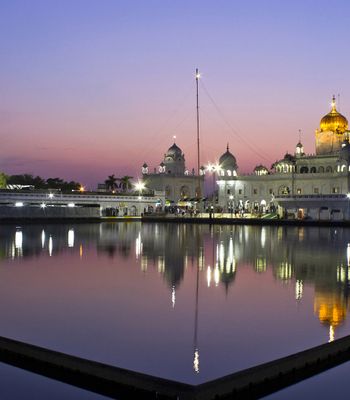
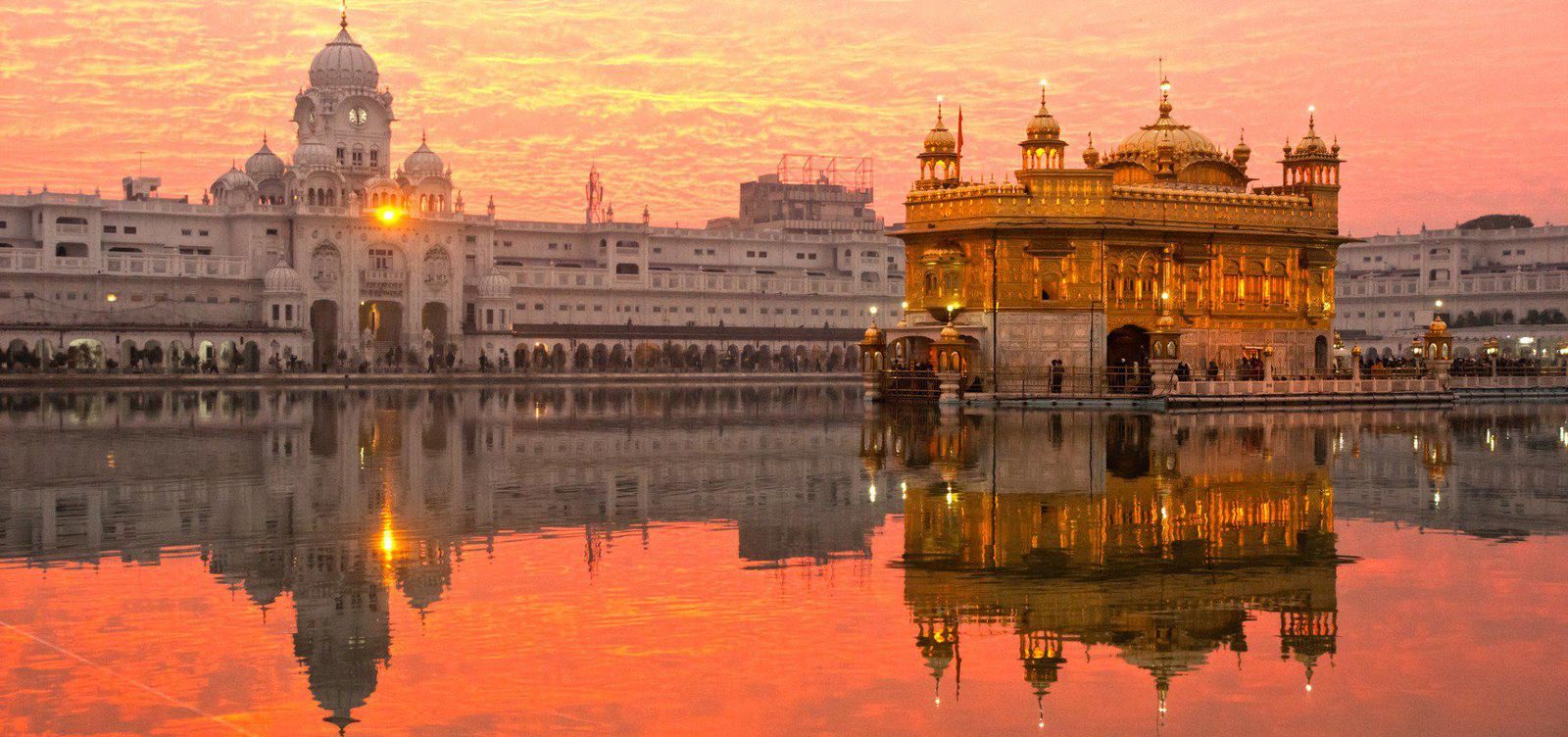
It's four in the morning, the sky still ink-dark, and you're walking barefoot on cool marble toward a temple that glows like a lantern set upon still water. Devotional hymns drift across the pool, and strangers around you — pilgrims, backpackers, families — all share the same stunned, reverent silence. This is Amritsar, and it will rearrange something inside you before breakfast.
The Golden Temple: Where Time Slows Down
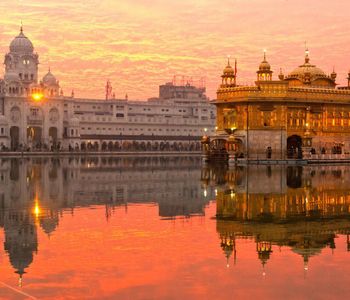
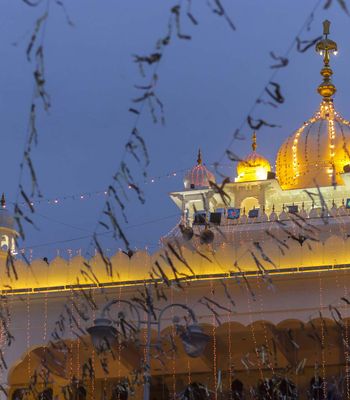
The Sri Harmandir Sahib — the Golden Temple — is the soul of this city, and nothing quite prepares you for that first glimpse. Its gilded dome catches even the faintest light and scatters it across the Amrit Sarovar, the sacred pool that surrounds it, turning the water into liquid gold. Millions come here every year, and yet the atmosphere never feels crowded — it feels communal.
Walk the marble causeway toward the inner sanctum and let the continuous recitation of Gurbani wash over you. Sikh, Hindu, Muslim, atheist — it doesn't matter. The temple welcomes everyone with the same quiet grace.
Then there's the Langar — and honestly, this might be the single most humbling thing you'll ever witness. A free communal kitchen serves tens of thousands of simple vegetarian meals every single day — steaming dal, warm chapatis, creamy kheer — with zero distinction of caste, religion, or status. Roll up your sleeves and volunteer alongside locals kneading dough or washing steel plates. You'll leave with flour on your clothes and a lump in your throat.
Flat Earth, Deep Roots
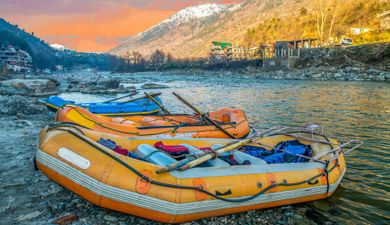
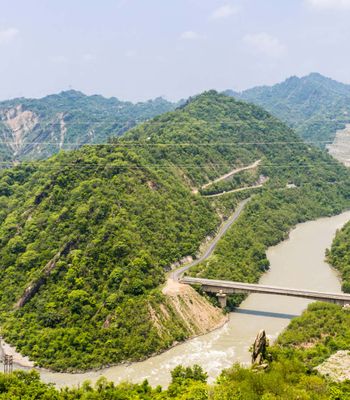
Unlike the dramatic hill stations of neighboring Himachal Pradesh, Amritsar spreads across the flat, fertile plains of Punjab. Drive even twenty minutes outside the city and golden wheat fields and blazing yellow mustard stretch to the horizon, fed by an ancient network of canals.
This is agricultural heartland, and that connection to the soil shapes everything here — the food, the festivals, the bone-deep generosity of Punjabi people who will practically drag you into their homes for chai and parathas.
Eat Like You Mean It
Let's be direct: Amritsar is one of the greatest street-food cities on the planet, and skipping meals here should be considered a crime.
Duck into the narrow, chaotic lanes of the old city and follow your nose. The air hangs thick with the sizzle of butter hitting hot tawas, the tang of amchur, the smoky sweetness of tandoori everything. Sink your teeth into an Amritsari kulcha — crisp, flaky, bursting with spiced potato — and chase it with a glass of creamy lassi so thick a spoon stands up in it.
Hunt down the legendary Kesar Da Dhaba for dal makhani that's been slow-cooking since before you woke up. Or hit Lawrence Road for crispy fish fry with a squeeze of lime that makes your eyes close involuntarily. Many of these eateries have been running for generations, passing recipes down like family secrets. Eat often. Eat adventurously. Loosen your belt. The food alone is worth the plane ticket.
Where History Leaves Bullet Holes in the Walls
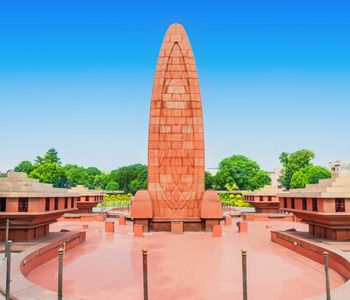
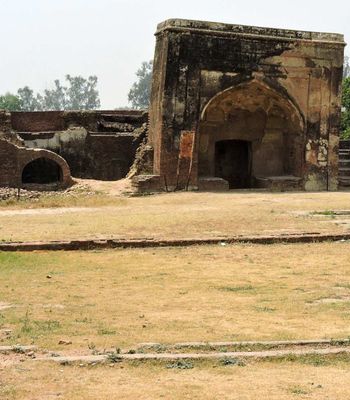
Just minutes from the Golden Temple, the mood shifts dramatically at Jallianwala Bagh. You enter through the same narrow passage that trapped hundreds of unarmed civilians on April 13, 1919, when British troops opened fire on a peaceful gathering. The walls still bear the bullet marks — you can run your fingers across them — and a deep well in the garden tells the story of people who jumped in desperately trying to escape.
Children play on the lawns now. Pigeons scatter across the paths. Yet the weight of what happened presses down on you with every step. This isn't comfortable tourism, but it's essential. You leave Jallianwala Bagh understanding something about India's fight for independence that no textbook can convey.
The Wagah Border: Patriotism Turned Up to Eleven
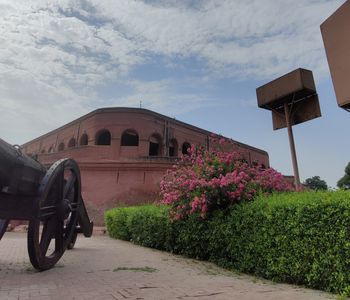
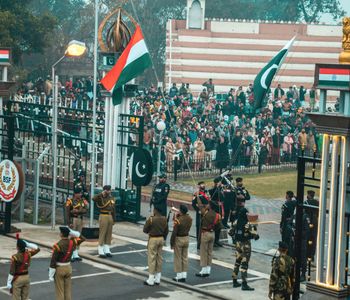
Every evening, roughly 30 kilometers from the city center, something extraordinary unfolds at the India-Pakistan border crossing. The Wagah Border ceremony is part military drill, part rock concert, and entirely unforgettable. High-stepping soldiers in elaborate plumes perform synchronized routines while thousands of spectators on both sides roar, clap, and chant with an intensity that vibrates through your chest.
It feels less like a border closing and more like a cricket final. The energy is electric, joyful, and oddly moving. Get there early — the stands fill fast — and let yourself get swept up in it.
Treasure Hunting in the Bazaars
The lanes radiating from the Golden Temple — Hall Bazaar, Katra Jaimal Singh — are a shopper's wonderland. Stalls overflow with handcrafted Punjabi juttis in every color imaginable, intricate phulkari embroidery that catches the light like stained glass, soft woolen shawls, and stacks of local handicrafts.
Bargain with gusto — vendors expect it, enjoy it, and will probably offer you tea mid-negotiation.
When to Go (and When to Stay Away)
Visit between October and March, when the air is crisp and the city is perfect for long walks and unhurried exploration. Punjab summers are brutal — temperatures regularly scream past 40°C, and the heat bounces off the pavement in visible waves.
If you can time your trip around Baisakhi in April or Diwali in autumn, do it. The Golden Temple transforms into a galaxy of lights, the streets pulse with music and firecrackers, and the entire city vibrates with a celebratory energy that's absolutely infectious.
A City That Stays With You
Amritsar does something rare: it holds spiritual depth, historical gravity, and pure, unbridled joy in the same breath — and none of it feels performed. From the shimmering waters of the sacred pool at dawn, when the temple seems to float between heaven and earth, to the thunderous cheers at Wagah as the sun dips below the border, a single day here can move you in ways few places on the planet can.
If you're exploring Northern India, Amritsar isn't a stop on the itinerary. It is the itinerary.