The first time you spot the Jagatjit Palace rising above the flat Punjab plains, your brain does a double take. Corinthian columns, a sweeping Versailles-style façade, manicured lawns trimmed with European precision — and yet, the warm scent of mustard fields and the distant rhythm of a Punjabi dhol remind you exactly where you are. Welcome to Kapurthala, the "Paris of Punjab," a small city in northern India that wears its improbable French-inspired grandeur with effortless charm.
A Maharaja with a European Dream
Credit for this architectural wonderland belongs to Maharaja Jagatjit Singh, a ruler whose late 19th- and early 20th-century travels through France, Morocco and beyond ignited an ambitious vision. He returned home and commissioned grand structures that married European elegance with Indian craftsmanship — arched colonnades alongside carved sandstone, Mughal geometry meeting Parisian symmetry.
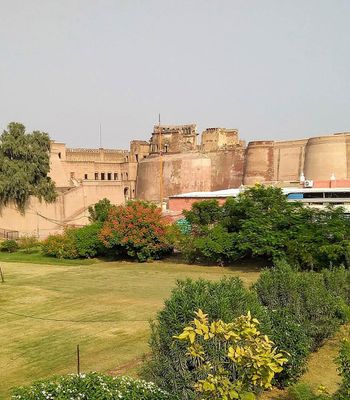
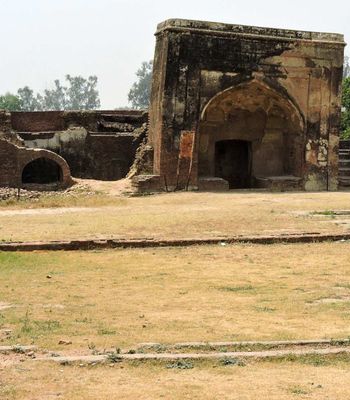
Walk through Kapurthala today and you're moving through layers of that vision. Indo-French buildings share streets with Mughal-style mosques and bustling Punjabi bazaars, creating a cityscape that feels like a living, breathing museum where no two corners tell the same story.
The Palace That Stops You in Your Tracks
Modeled after both the Palace of Versailles and the Château de Fontainebleau, the Jagatjit Palace commands the skyline with a sprawling façade of classical columns, ornamental detailing and grounds that stretch outward like a European estate dropped into the heart of Punjab. It now serves as the Sainik School Kapurthala, so you can't wander through its interior — but honestly, the exterior alone will keep your camera busy for the better part of an hour.
Linger near the entrance gates. Study the proportions, the stone carvings, the sheer audacity of building something this grand in a city this small. It's the kind of place that makes you whisper "how?" under your breath.
A Moroccan Mosque in the Middle of Punjab
Just when you think Kapurthala has played its architectural trump card, the Moorish Mosque appears. Also called the Elysée Palace, this early-1900s structure draws its blueprint from the Grand Mosque of Marrakech. Intricate tile work in deep blues and earthy terracotta lines the walls. Arched doorways frame slender minarets that pierce the Punjab sky.
Step onto the grounds and the noise of the street falls away. There's a stillness here — cool stone underfoot, the faint fragrance of incense — that makes the lively chaos just a few blocks away feel like another world entirely.
Where the Real Flavor Lives
Beyond the palaces and mosques, Kapurthala's heartbeat thumps loudest in its bazaars. Stalls spill over with vibrant Punjabi textiles, handstitched juttis (those beautifully embroidered traditional shoes), and towers of bangles catching the afternoon light. Vendors call out prices, bargain with theatrical flair, and grin when you try your hand at haggling.
Then there's the food — oh, the food. Wander into the older neighborhoods and the air grows thick with the buttery sizzle of hot paranthas on a tawa, the tangy punch of chole bhature, and the sweet, frothy coolness of freshly churned lassi handed to you in a tall steel glass. Punjabi cuisine here isn't just hearty; it's an act of generosity, every plate loaded as if the cook personally needs you to be happy.
Sacred Spaces, Open Hearts
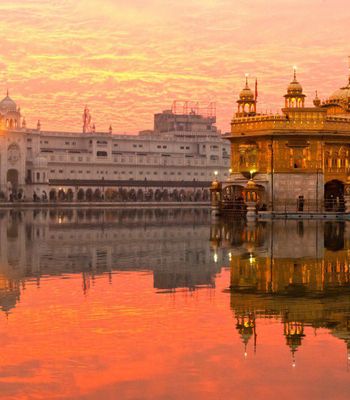
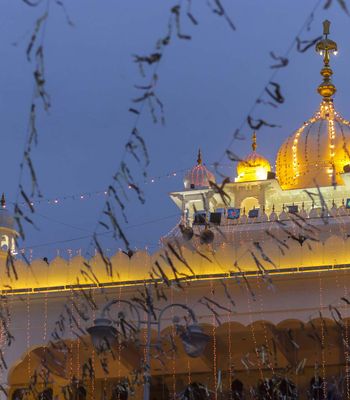
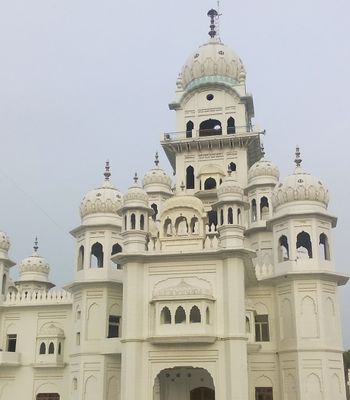
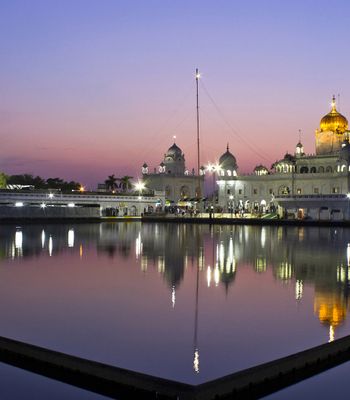
Spirituality weaves quietly through Kapurthala's streets. Several historic gurdwaras, including the Panch Mandir Gurdwara Sahib, rise above the rooftops — their white domes and golden accents visible from blocks away. Inside, the atmosphere shifts to something deeply calm: the low hum of kirtan, the soft shuffle of bare feet on marble, the warmth of langar (communal meals) offered freely to every visitor regardless of faith or background.
That open-armed hospitality isn't just a gurdwara tradition here. It's the city's default setting.
Golden Fields and the Best Time to Go
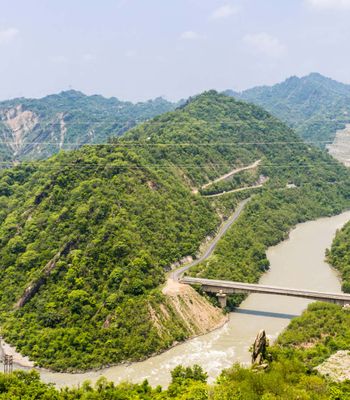
Kapurthala sits on the fertile plains of Punjab, and the countryside surrounding it is stunningly simple — endless stretches of wheat and rice fields that shift from vivid emerald to burnished gold with the seasons. An early morning walk along the outskirts, with mist lifting off the crops and birdsong filling the silence, is one of those quietly perfect travel moments no monument can match.
Aim for October through March, when temperatures are comfortable and the gardens glow with cool-weather blooms. Summers regularly punch past 40°C — brutal for sightseeing and merciless on anyone not accustomed to north Indian heat.
Easy Day Trips That Deepen the Journey
Kapurthala's location makes it a natural launchpad for exploring more of Punjab:
- Jalandhar — a bustling commercial hub with its own cultural pulse
- Amritsar — home to the Golden Temple and one of India's most powerful spiritual experiences
- Sultanpur Lodhi — a sacred Sikh pilgrimage town steeped in history
- Harike Wetland and Bird Sanctuary — a paradise for birdwatchers where migratory species gather in extraordinary numbers
Each destination adds a different dimension to a Punjab itinerary, whether you're chasing spiritual depth, wildlife encounters or vibrant city energy.
The Quiet Thrill of Somewhere Undiscovered
Here's what makes Kapurthala truly special: almost no one has it on their radar. There are no tourist crowds jostling for selfie positions, no inflated prices, no performative "authenticity." The city moves at its own unhurried pace. Locals lean against doorways, eager to chat about their city's royal past if you show the slightest curiosity. Hindi and Punjabi dominate daily conversation, though enough English floats around to keep communication easy for most visitors.
This is a place that quietly rewrites your assumptions about what a small Punjabi city can be. European grandeur, Moroccan elegance, Sikh devotion, and some of the most soul-satisfying street food in northern India — all folded into a destination that doesn't shout for attention but absolutely deserves it. For the traveler who loves turning off the well-worn path, Kapurthala isn't just a stop. It's a discovery that stays with you.