Three rivers, three state borders, and a city most travelers rush right through — that's Pathankot's quiet paradox. Perched at Punjab's northern edge, where golden farmland buckles and lifts into the Shivalik foothills, this crossroads city hums with a character that reveals itself only to those who slow down long enough to notice.
Most people know it as the last flat-ground stop before the mountains swallow the road toward Himachal Pradesh, Jammu, or Kashmir. But linger here a day, and you'll find something unexpected — a city that feels both muscular and tender, where truck horns and temple bells compete for airspace.
Where the Plains Take a Breath Before the Mountains Begin
Geography has been generous to Pathankot. Look north and east, and the Shivalik Hills ripple along the horizon like a green curtain rising on a grander act. Turn south and west, and the wide, wheat-dusted plains of Punjab stretch endlessly under enormous skies.
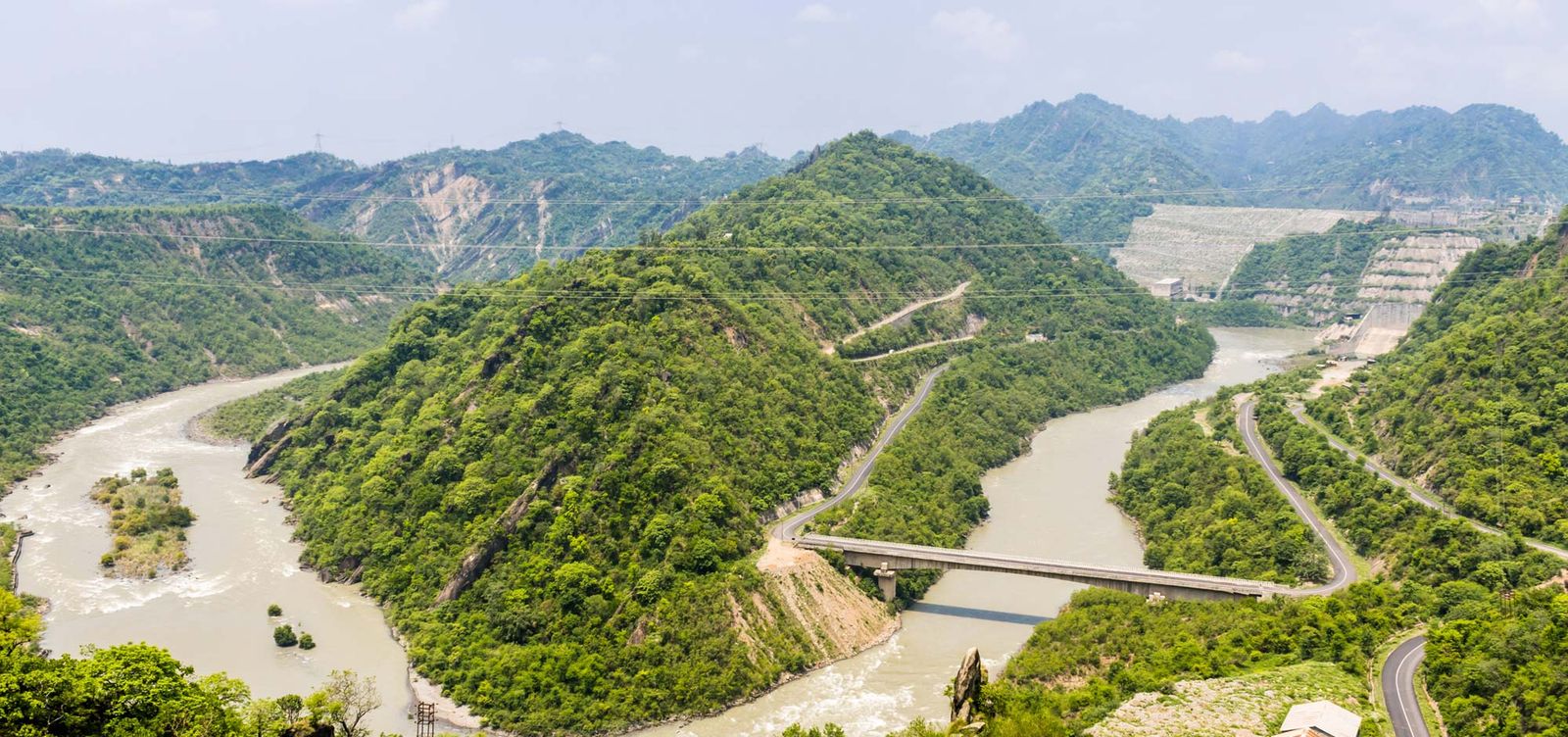
The Ravi, Beas, and Chakki rivers weave through or skirt the district, feeding the soil and carving out ribbons of wild, lush green along their banks. Stand beside the Chakki River during monsoon season and the sound alone — water crashing over rocks, swollen and urgent — pins you to the spot. Mist hangs over the distant hills, and for a moment, you forget you're still technically on the plains.
Paranthas, Chai, and Conversations You Didn't Plan On
Pathankot's markets don't dazzle with polish — they dazzle with life. Vendors stack pyramids of seasonal mangoes and guavas. Chai wallahs pour milky tea in long, theatrical arcs while regulars argue cricket scores on plastic stools.
The real magic, though, drifts from the roadside dhabas. Butter-slicked paranthas sizzle on cast-iron tawas. The earthy, mustardy fragrance of sarson da saag mingles with smoke from tandoor ovens turning out makki di roti with blistered golden edges. Order both, sit on a wobbly bench, and eat with your hands — it tastes better that way, and the dhaba owner will nod approvingly.
Locals speak mostly Hindi and Punjabi, though English works fine in hotels and restaurants. What you'll notice first isn't the language — it's the warmth. Strangers ask where you're from with genuine interest, not obligation. A shopkeeper might insist you try a sample of fresh jaggery before you've even asked for directions.
Temples That Trade Noise for Stillness
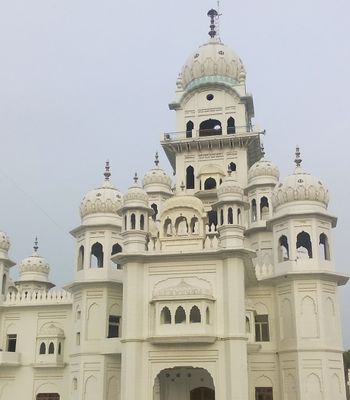
Spirituality runs deep here, woven into the city's daily rhythm. The Mukteshwar Temple, dedicated to Lord Shiva, sits in a stillness so complete you can hear the flicker of oil lamps. Its traditional architecture — weathered stone, carved pillars — feels unrushed, as though the temple itself is meditating.
Even more striking is the Kathgarh Temple, positioned where two rivers meet in a quiet collision of currents. Inside, a naturally split Shiva Lingam — cracked clean down the center by some ancient geological whim — draws pilgrims who consider it one of the rarest sacred formations in the region. The sound of flowing water follows you through the temple grounds, and the cool, river-scented air makes leaving feel like a small loss.
Day Trips That Steal the Whole Day
Pathankot's surroundings practically beg you to wander. A handful of excursions can turn a layover into a highlight:
- Ranjit Sagar Dam — A vast, glittering reservoir cradled by hills on every side. Spread a blanket, unpack a lunch, and watch the light shift across the water as afternoon deepens. Photographers, bring your wide-angle lens.
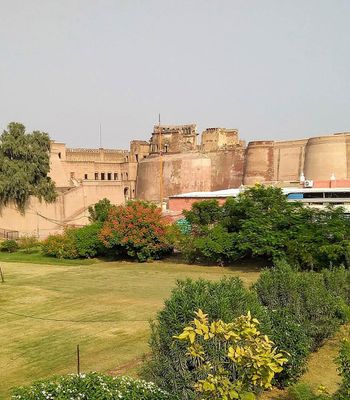
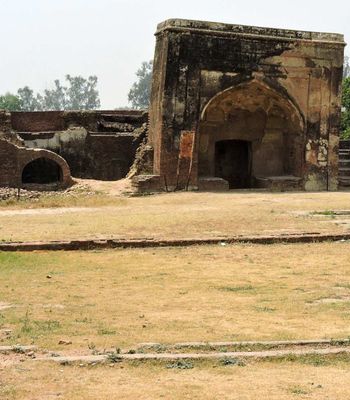
- Shahpurkandi Fort — Crumbling stone ramparts overlooking the Ravi River, where panoramic views sweep from the water below to the hazy peaks beyond. History whispers from every weathered wall.
- Nurpur — A nearby town where the vine-draped ruins of Nurpur Fort stand alongside the revered Brijeshwari Devi Temple. The juxtaposition of decay and devotion is quietly powerful.
- Dhar — A hilltop escape offering trekking trails and wide-open views of the plains unfolding below like a patchwork quilt of mustard and wheat fields.
Trails Without the Altitude Anxiety
Not every hike needs to punish your lungs. The Shivalik foothills around Pathankot offer gentle, forested trails that wind through sal and pine without demanding mountaineering ambitions. Families, casual walkers, and anyone recovering from a heavy Punjabi breakfast will feel right at home.
October through March delivers the sweetest weather — cool mornings, mild afternoons, clear skies sharp enough to see individual ridgelines stacked behind one another. Summers between April and June push temperatures high as the plains radiate heat, so schedule any outdoor exploration for the soft light of early morning or the golden exhale of late afternoon.
Your Launchpad Into the Hills
Pathankot's well-connected railway station and road network make it a natural springboard to Dalhousie, Dharamshala, Chamba, and Jammu. Savvy travelers spend a night here before climbing into the mountains — restocking supplies, topping off energy with a meal that could fuel a week, and letting the anticipation build.
There's a particular pleasure in that pause. Sitting in a dhaba as the evening call to prayer mixes with a distant train whistle, belly full, hills visible on the darkening horizon — you realize Pathankot isn't just a stopover. It's the deep breath you take before the adventure shifts gears.
Rivers carving through its landscape, temples steeped in centuries of devotion, and a culture that extends its hand before you even reach out — this Punjab city offers something rare: a grounded, unhurried introduction to northern India. Whether you stay a single night or let curiosity stretch it into two, Pathankot leaves a thumbprint on your memory that is entirely, unmistakably its own.