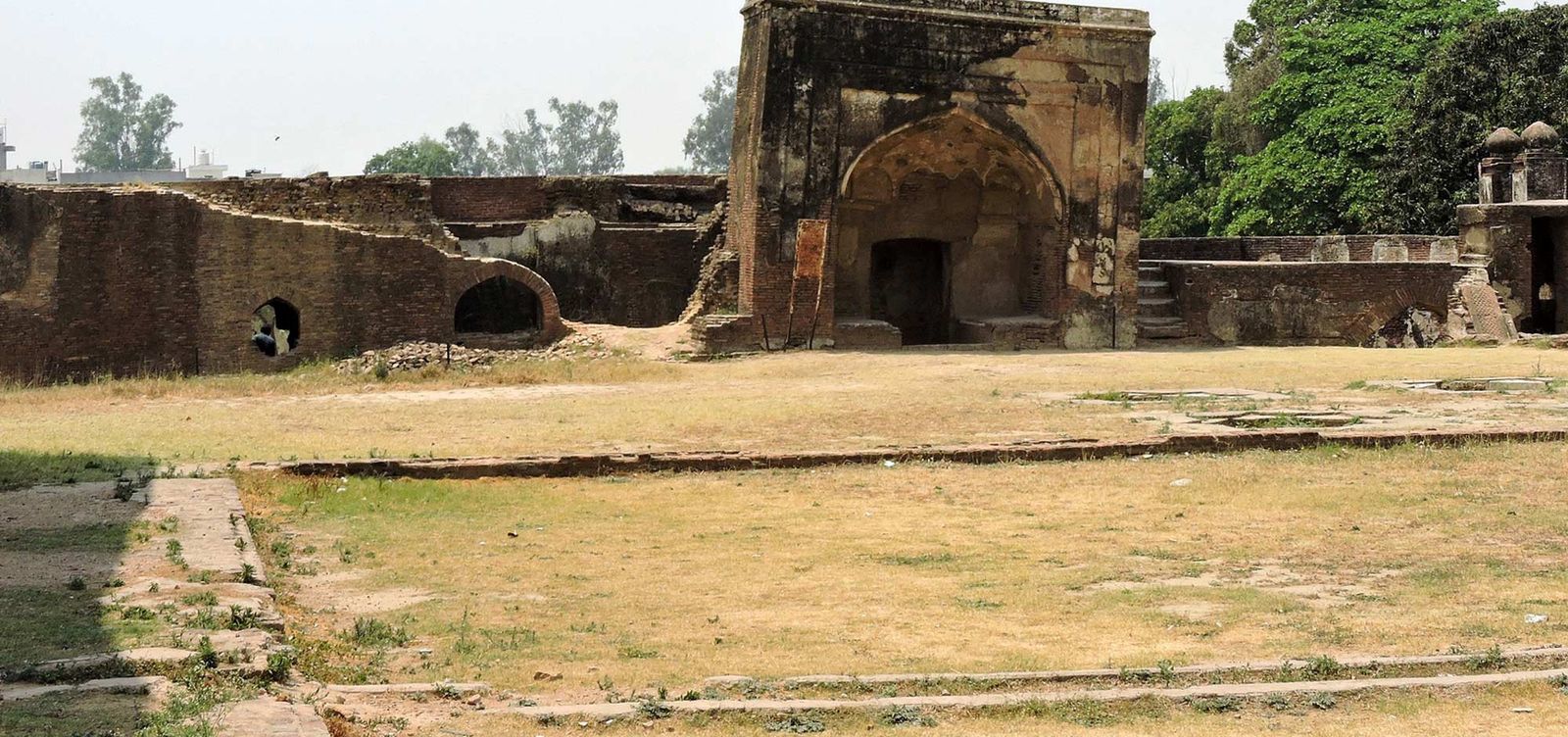
The bricks beneath your feet have absorbed the footsteps of Mughal emperors, Sufi mystics, and Sikh warriors — and somehow, standing in Sirhind, you can almost hear the echo of every one of them. Tucked into the Fatehgarh Sahib district of Punjab, this small town once ranked among medieval India's most powerful cities. Kingdoms rose and crumbled here. Saints whispered prayers into its walls. And yet today, Sirhind greets you with a stillness so deep it feels like the land itself is holding its breath, waiting to share what it knows.
A Landscape That Teaches You to Slow Down
No dramatic peaks or plunging valleys here — just the endless, generous spread of Punjab's fertile plains rolling toward every horizon. Agricultural fields shift between emerald green and harvest gold depending on the season, and the effect is hypnotic in its simplicity.
Arrive at dawn during the cooler months and you'll find the farmland wrapped in a soft, silvery haze that makes the world feel half-dreamed. Come summer, the Punjab sun claims the sky with fierce authority — stick to early mornings and golden-hour evenings for exploring the open-air sites. There's a different kind of beauty in flatlands this vast: the sky becomes the spectacle, and the unhurried rhythm of rural life settles into your bones.
Where Mughal Grandeur Still Stands
Centuries ago, Sirhind was a powerhouse — a major administrative and cultural hub straddling the legendary Grand Trunk Road, one of Asia's oldest trade arteries. That swagger hasn't entirely faded.
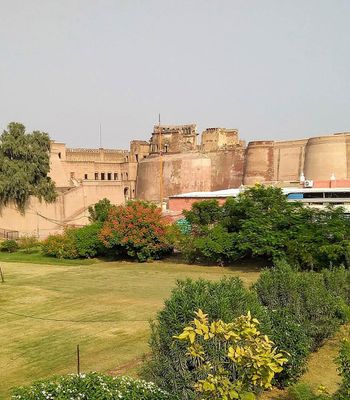
The Aam Khas Bagh, a Mughal-era garden complex, survives as the town's most striking landmark. Duck through its arched gateways and run your fingers along weathered sandstone carved by craftsmen who served an empire stretching across the subcontinent. The grounds are quiet now, but the scale of the architecture still whispers ambition. Don't rush this one — linger beneath the archways, study the faded geometric details, and let the centuries close the distance between then and now.
A Place of Profound Sacrifice
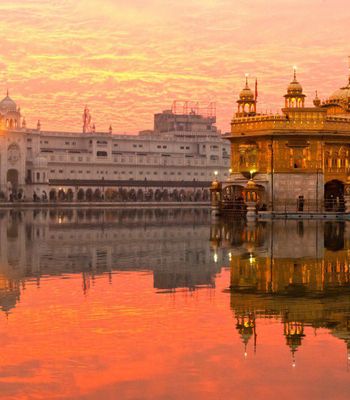
What gives Sirhind its deepest emotional gravity is its connection to the younger Sahibzadas — the sons of Guru Gobind Singh Ji — who were martyred within these grounds. The weight of that history is palpable, not just in monuments but in the reverence that blankets the entire area.
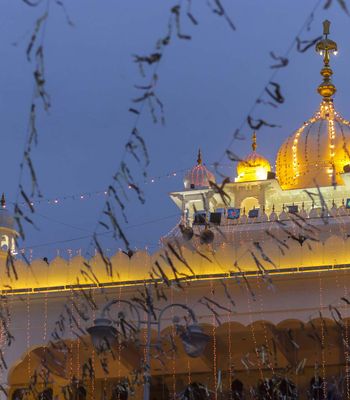
Gurudwara Fatehgarh Sahib, located nearby, draws thousands of devotees year-round. But if you time your visit for December, you'll witness something extraordinary: the Shaheedi Jor Mela, an annual gathering that transforms the landscape into a sea of prayer shawls, kirtan music, and communal langar meals served to all. The devotion in the air during those days is thick enough to feel on your skin — visitors of every faith describe leaving quietly shaken and deeply moved.
Where Sufi Prayers Meet Sikh Devotion
Just across town from the gurudwara, the dargah of Sheikh Ahmad Sirhindi — the revered Sufi saint known as Mujaddid Alf Sani — offers an entirely different texture of spiritual experience. Incense curls through the air. Qawwali verses drift across marble courtyards. Followers and curious travelers sit side by side in contemplation.
Walking between these two sacred sites in a single afternoon does something remarkable — it maps out the layered spiritual identity of a town where traditions haven't merely coexisted but have woven themselves into the same soil over hundreds of years. That kind of understanding doesn't come from a guidebook. It comes from showing up.
Chai, Conversation, and Punjab Charm
Sirhind's bazaars won't dazzle you with neon lights or designer boutiques. They'll do something better — they'll pull you into the warm, chaotic hum of everyday Punjabi life. The sizzle of fresh pakoras hitting hot oil mingles with the clatter of chai glasses, while shopkeepers call out greetings to passersby they've known for decades.
Strike up a conversation with almost anyone, and you'll discover that Punjabi hospitality isn't a cliché — it's a force of nature. Locals light up when asked about their town's heritage, eagerly pointing you toward hidden ruins and forgotten corners that no tourist map will ever show you.
Before You Pack Your Bags
- Best time to go: October through March, when crisp, pleasant weather makes long walks between monuments a joy rather than an endurance test.
- Getting there: Sirhind connects easily by road and rail from Chandigarh, Ludhiana, and Ambala — none more than a couple of hours away.
- How long to stay: Give yourself at least a full day to properly absorb the major historical and spiritual sites without rushing.
- Pro tip: A December visit during the Shaheedi Jor Mela adds an unforgettable cultural dimension — just book accommodation early, as the area fills up fast.
Why Sirhind Stays With You
This isn't a destination that competes for your Instagram feed. It doesn't need to. Sirhind earns something rarer — a permanent place in your memory. Every weathered monument, every softly lit shrine, every open field stretching toward the horizon carries a story that demands not just your attention but your stillness.
For travelers who crave heritage over spectacle and meaning over novelty, these quiet plains of Punjab deliver something no crowded landmark ever could: the space to truly listen to the past.