The first thing you notice in Faridkot isn't a monument or a skyline — it's the silence. A deep, unhurried quiet that settles over golden wheat fields and sun-warmed streets, broken only by the distant clang of a temple bell or a vendor's cheerful call. This small city in southwestern Punjab doesn't compete for your attention. It earns it, slowly, through weathered palace walls, the aroma of butter-soaked paranthas, and the kind of hospitality that makes strangers feel like returning guests.
Named after the beloved Sufi saint Baba Farid, Faridkot carries centuries of spiritual depth in its bones. That devotional foundation still hums beneath the surface — in the hush of hilltop shrines, the communal rhythm of gurdwara kitchens, and the genuine kindness you'll encounter around every corner.
A Landscape That Breathes
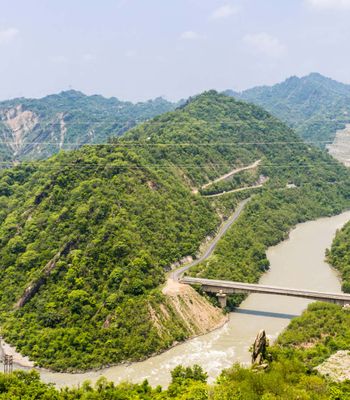
Flat, fertile, and impossibly vast — the plains surrounding Faridkot stretch to the horizon in every direction. Depending on the season, you'll find yourself surrounded by emerald-green wheat or blazing fields of yellow mustard, the colors so saturated they almost look painted on.
There are no dramatic peaks or jungle canopies here. Instead, the terrain offers something subtler: a wide-open calm that loosens something in your chest. Between October and March, the air turns crisp and cool, perfect for wandering by foot or rattling through narrow lanes in a cycle rickshaw with the breeze on your face.
Qila Mubarak: Where Royalty Left Its Mark
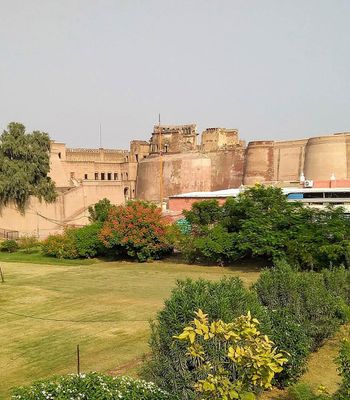
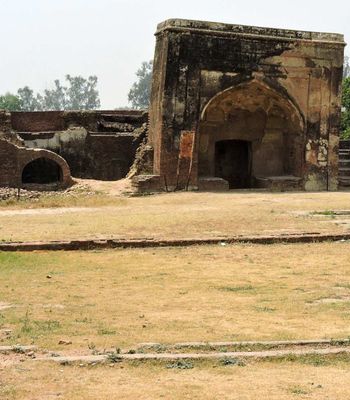
Rising from the city's core like a stone sentinel, Faridkot Fort — known locally as Qila Mubarak — commands attention the moment you see its grand gateways. Built during the era of the Faridkot princely state, this imposing structure was the seat of the Brars dynasty, and its walls still whisper of that power.
Run your hand along the fortified ramparts and you'll feel the collision of Sikh and Rajput architectural influences — arched entryways that echo Rajasthani grandeur alongside distinctly Punjabi flourishes. Time has softened some of the edges, but that weathering only deepens the fort's gravity. Standing here, the royal chapter of this region isn't something you read about — it surrounds you.
Faded Grandeur and a Saint's Hilltop
Just beyond the fort, the Raj Mahal Palace unfolds like a sepia-toned photograph come to life. European-inspired facades — think colonnaded porticos and ornamental arches — stand shoulder to shoulder with Punjabi design details, creating something that feels both regal and deeply local. Linger on the grounds and let the faded elegance sink in; it's easy to sense the courtly life that once animated these halls.
A short distance away, the Tilla Baba Farid shrine occupies a quiet hillock believed to be the very spot where the saint once sat in deep meditation. Climb the gentle slope and the plains open up beneath you — an endless quilt of farmland stitched together by dusty roads. Pilgrims and curious travelers share the space equally here, drawn by a tranquility that feels almost physical.
Where the Real Faridkot Reveals Itself
Forget the monuments for an hour and lose yourself in Faridkot's bazaars. This is where the city's heartbeat is loudest:
- Punjabi juttis — intricately embroidered leather shoes in jewel tones — line wooden shelves, each pair stitched by hand
- Street food stalls sizzle with golden paranthas swimming in butter, tall glasses of thick, frothy lassi, and plates of spicy chole bhature that arrive steaming hot
- Phulkari embroidery blazes from fabric shop doorways — bold geometric patterns in fiery oranges, pinks, and reds that are unmistakably Punjabi
Don't be surprised if a shopkeeper waves you over for a cup of milky chai simply because you paused to admire a bolt of cloth. Conversations spark effortlessly here. Punjabi dominates the soundtrack of the streets, though Hindi and English will carry you through most interactions without a hitch.
Langar: A Meal That Humbles and Nourishes
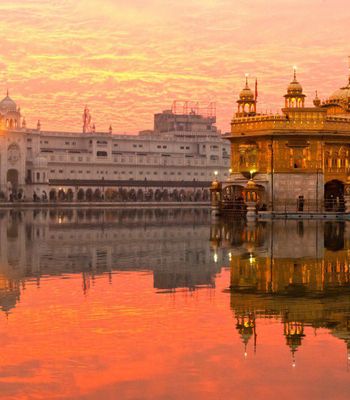
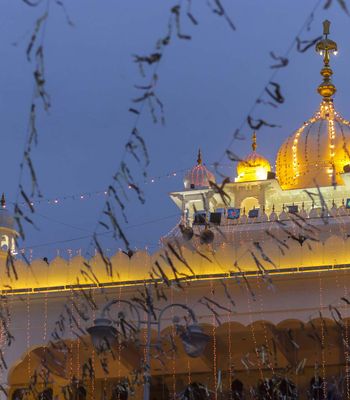
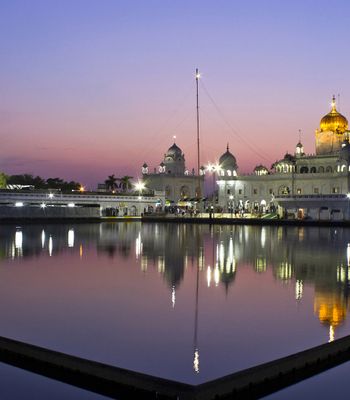
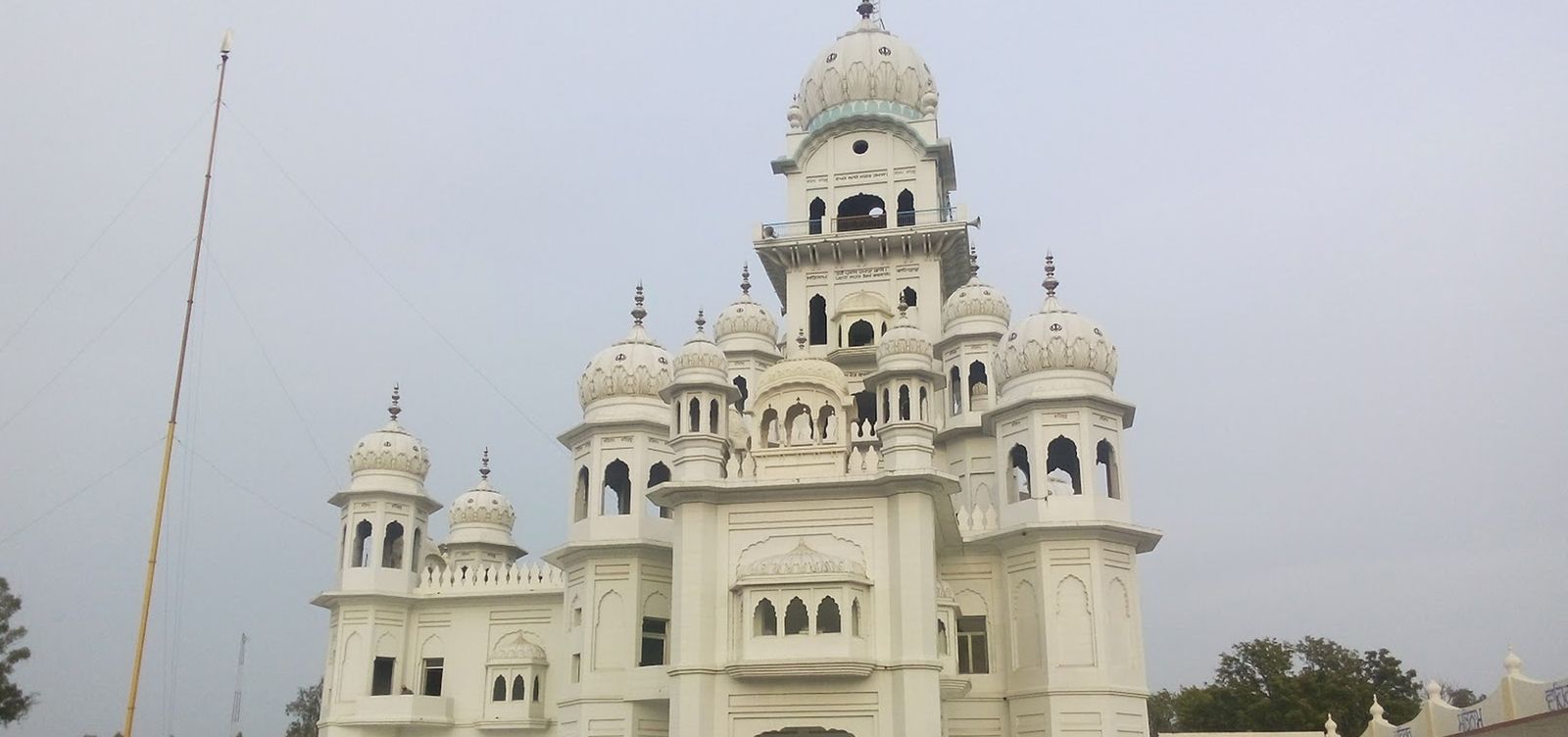
Gurdwaras anchor Faridkot's spiritual landscape, and two stand out: Gurdwara Godri Sahib and Gurdwara Tilla Baba Farid, each linked to the journeys of Sikh gurus and saints through this region. Both welcome visitors of every background with open arms.
Sit cross-legged on the floor of a langar hall — the communal kitchen that serves free meals to everyone, regardless of faith or status — and something shifts inside you. Warm dal, fresh roti, and sweet kheer arrive on steel trays, served by volunteers whose quiet dedication speaks louder than words. Few travel experiences in Punjab feel this grounding.
Why Faridkot Stays With You
No packaged tours. No jostling crowds at overlooks. No performance of any kind. Faridkot offers something that's becoming genuinely rare: authenticity you don't have to dig for. Every encounter feels unscripted — a farmer explaining the mustard harvest, a temple caretaker sharing a story you won't find in any guidebook, a plate of food offered with a pride that needs no translation.
Travelers moving between Amritsar, Bathinda, or other Punjab destinations will find Faridkot a natural and rewarding pause. The city connects easily by road, and its railway station sits right in town — arrivals and departures couldn't be simpler.
Some places dazzle you with spectacle. Faridkot does something quieter and, honestly, harder to forget. Its royal ruins, hilltop shrines, and wide-open plains imprint themselves not on your camera roll but somewhere deeper — in the memory of a stranger's generosity, the taste of roadside lassi, and the vast Punjabi sky stretching endlessly above golden fields.