The scent of sizzling ghee and the rhythmic tap-tap-tap of a cobbler stitching juttis by hand — that's the first thing that hits you in Patiala. This isn't a city that eases you in gently. It grabs you by the senses and pulls you straight into centuries of royal swagger, Sikh devotion, and Punjabi warmth so fierce it could rival the summer sun.
Once the proud seat of one of Punjab's most powerful princely states, Patiala still carries itself like royalty. Grand palatial facades rise above tree-lined boulevards. Manicured Mughal-era gardens unfurl in quiet defiance of the flat, sweeping farmland that stretches endlessly beyond the city limits. There are no dramatic mountain backdrops here, no coastal cliffs — just a refined, unhurried elegance that whispers rather than shouts.
A Fortress That Holds an Entire Dynasty
Qila Mubarak doesn't look like a museum. It feels like stepping into someone's memory. This sprawling 18th-century fortress complex — one of the largest in India — houses multiple palaces, sun-dappled courtyards, and corridors lined with intricate frescoes that still shimmer with life. Mirrored ceilings catch the light above you while glass cases display royal swords, turbans, and portraits of the Patiala dynasty below.
Spend an hour here. Spend three. Every arched doorway opens into another chapter of a story that spans generations. For anyone who loves history, Qila Mubarak alone is worth the journey.
Beyond the Fort Walls: Patiala's Hidden Layers
Patiala's cultural identity runs far deeper than a single fortress. Peel back the layers and you'll find treasures scattered across the city:
- Sheesh Mahal — A palace of mirrors turned art gallery, where light dances across every surface and centuries-old paintings line the walls
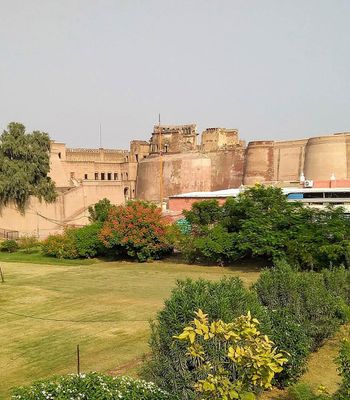
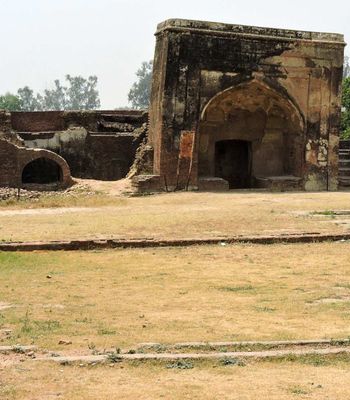
- Bahadurgarh Fort — Quieter and less visited, this Mughal-influenced fortification on the outskirts rewards those willing to venture off the beaten path
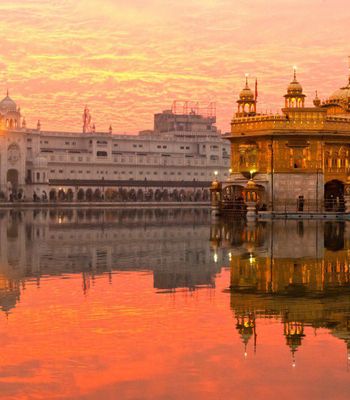
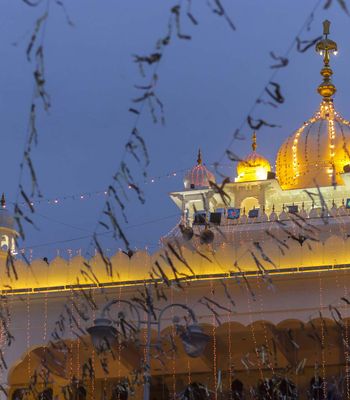
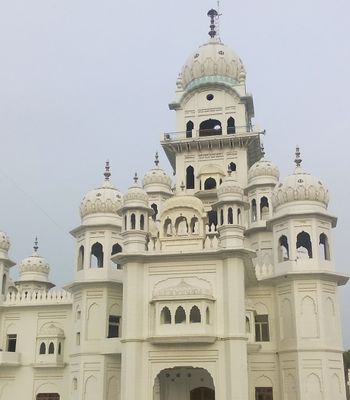
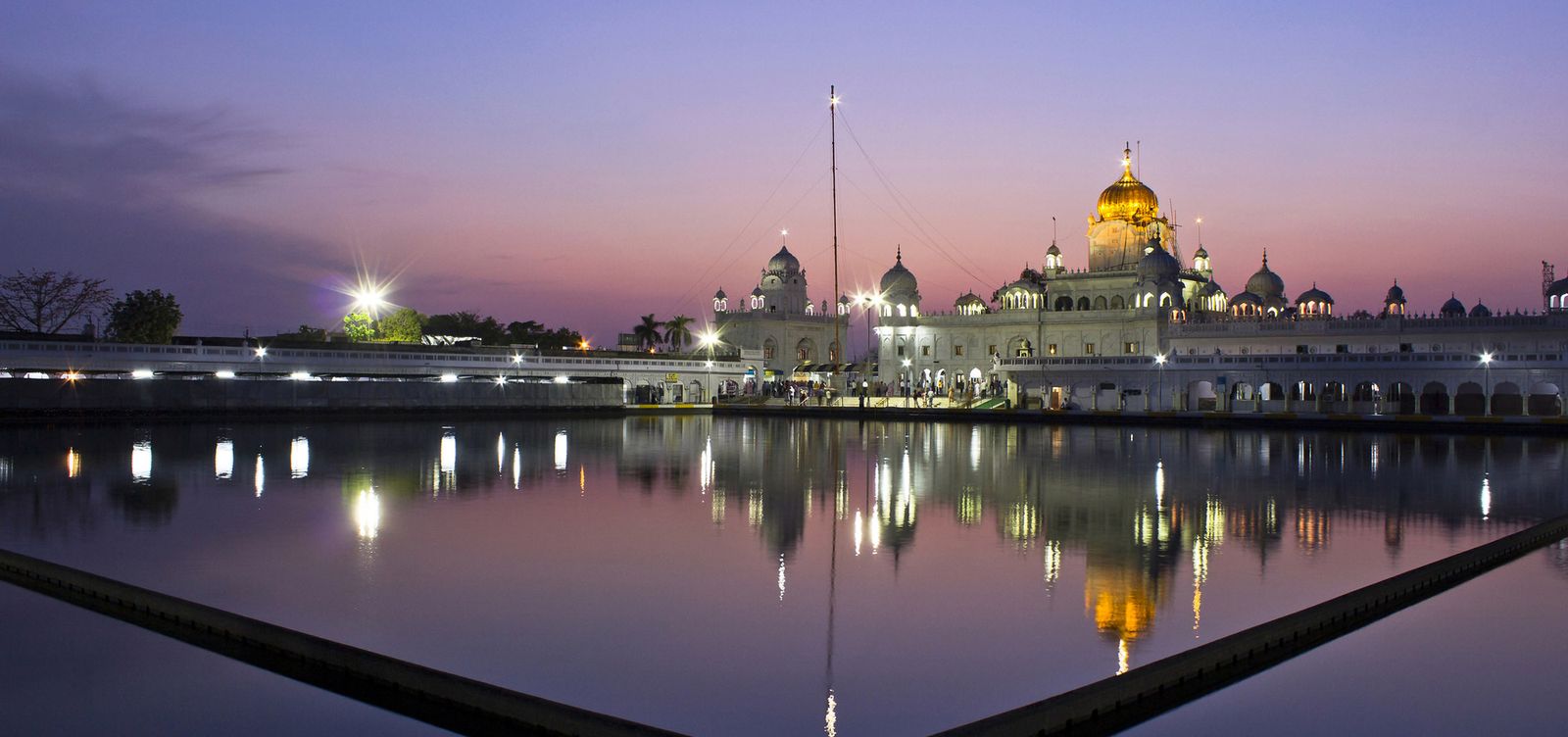
- Gurdwara Dukh Niwaran Sahib — One of Punjab's most revered Sikh shrines, where the stillness of the sacred sarovar can slow your heartbeat to a meditative calm
- Rajindera Kothi — A colonial-era palace wrapped in manicured gardens, perfect for a late-afternoon stroll
Bazaars That Buzz With Centuries of Craft
Turn into the narrow lanes of Adalat Bazaar or Qila Bazaar and the city transforms. Bolts of fabric in electric pinks and deep marigold yellows spill from shopfronts. Phulkari embroidery — Punjab's signature textile art, stitched with geometric precision and riotous color — hangs alongside rows of the legendary Patiala jutti, each pair hand-stitched with needlework so detailed you'll want to frame them rather than wear them.
Don't rush through. Shopkeepers here love to talk. Ask about the craft behind a particular pair of juttis and you might hear a story that traces back four or five generations, told with the kind of pride that money can't manufacture.
Eat Like Punjabi Royalty (Without the Royal Budget)
Patiala feeds you like a beloved guest who's been away too long. Portions are enormous. Flavors are unapologetic. A plate of makki di roti arrives golden and steaming, paired with sarson da saag so rich and buttery it practically melts on your tongue. Samosas shatter with a satisfying crunch, their spiced potato filling still piping hot from the fryer. And then someone hands you a tall glass of sweet, thick lassi — cool enough to reset your entire being.
Head to the street food stalls clustered near the old bazaars for the most authentic bites. Prices are modest, flavors are anything but.
Where Maharajas Championed Olympic Dreams
Few cities this size can claim such an outsized role in Indian sports history. The Rajindra Gymkhana Club, established under the Patiala royals, stands as one of the oldest sporting clubs in the country. It was Maharaja Bhupinder Singh — charismatic, visionary, larger than life — who championed early Indian cricket and threw the weight of his dynasty behind India's Olympic movement in the early 20th century.
Sports enthusiasts will find echoes of that legacy everywhere, from the club's historic grounds to the city's enduring pride in its athletic heritage.
When to Go and How to Get There
Punjab's summers are no joke — temperatures regularly soar past 40°C, turning even a short walk into an endurance test. Visit between October and March instead, when the air cools to something pleasant and the city's gardens, forts, and open-air bazaars become genuinely enjoyable to explore on foot.
Getting here is easy. Patiala sits well connected by road and rail to Chandigarh, Delhi, and Amritsar, making it a natural addition to any broader Punjab itinerary. Whether you're passing through for a day or settling in for a few nights, this city has a way of rewarding the curious.
Royal heritage pulses through every boulevard. Devotion fills its gurdwaras. Laughter and haggling echo through its bazaars. Patiala doesn't just preserve Punjab's past — it invites you to taste it, touch it, and carry a piece of it home.